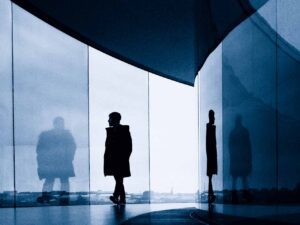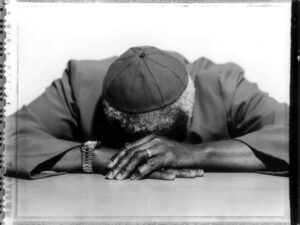
Brussels’ artistic identity lies in its overlaps: between galleries and artist-run spaces, established institutions and experimental initiatives, the commercial and the independent. This September, RendezVous – Brussels Art Week brings more than 80 participants across the capital, but its significance lies less in the scale of the programme than in the network it makes visible. Moving through Molenbeek, Anderlecht, Forest, the Sablon, Ixelles, Saint-Gilles, Uccle and the city centre, the second edition resists the logic of a single art-world destination. Instead, it asks audiences to encounter Brussels through the relationships between its different cultural communities. The result is an art week that is as interested in the conditions surrounding artistic production as in the exhibitions themselves.
The city has developed a cultural landscape in which different models of practice exist unusually close together. International galleries including Mendes Wood DM, Nosbaum Reding, Bernier/Eliades, Nino Mier, Almine Rech and Martins&Montero operate alongside established local spaces such as Xavier Hufkens, Maruani Mercier, Spazio Nobile, rodolphe janssen, Sorry We’re Closed and STEMS. Younger and more experimental spaces, including Damien & The Love Guru, KIN, IN-GATE and the nomadic initiative SYBIL, occupy another position, while newer arrivals continue to shift the city’s gallery geography. What emerges is not a neat hierarchy but a series of overlapping communities. Their proximity creates the possibility of exchange without erasing the differences between them.
That diversity becomes particularly visible when attention moves beyond galleries. RendezVous includes institutions, private foundations, artist-run initiatives and temporary projects, while its Open Studios programme gives audiences access to selected residencies and collective artist studios. The distinction matters because an art scene is sustained by far more than its public exhibitions. Studios, informal networks and independent spaces provide the conditions in which practices can develop before they enter more established circuits of visibility. By bringing these structures into the same framework, RendezVous makes a case for looking at the infrastructure around art as closely as the art itself.
Curatorial strategy is therefore central to the project. Rather than asking audiences to remain within a single district, the focus days trace different parts of Brussels, moving from Molenbeek, Anderlecht and Forest to the Sablon and city centre, before reaching Ixelles, Saint-Gilles and Uccle. Geography becomes a form of interpretation: the route between venues is part of the experience, placing exhibitions within the social and architectural conditions of the neighbourhoods where they take place. This approach also resists the compression of an art week into a sequence of openings and appointments. Brussels remains visible as a city rather than disappearing behind the event that temporarily brings its cultural activity into focus.
Forest offers a particularly useful case study. Situated close to WIELS, the Salon de RendezVous will be designed by Espace Aygo as an immersive environment containing a bar, pop-up bookshop, intimate cinema and stage for talks and performances. Known for its emphasis on recycling and circular design, the collective is creating a large-scale, site-specific installation that will also mark the end of its four-year presence in Brussels before travelling to Jester in Genk. Its temporary status is important. Rather than functioning as another permanent cultural monument, the Salon is conceived as a setting for activity – a structure whose purpose is to bring different practices and audiences into contact.
Performance unsettles that architecture further. Stina Fors, Teo Ala-Ruona and Ivan Cheng will engage with Espace Aygo’s installation through interventions inspired by cabaret, introducing live action, sound and duration into an environment already shaped by design. The choice of cabaret is particularly apt for a project concerned with encounter: historically, such spaces have blurred the boundary between performance and social life, spectacle and participation. Here, the audience is not simply positioned in front of a work but within a setting activated by different forms of practice. Talks and artist conversations developed with NW, WIELS, Bozar, Belgian Art Prize and La Loge extend the Salon’s emphasis on exchange.
Moving-image adds another dimension to this porous structure. A newly introduced cinema will host The Artist Moving Image programme, curated with Argos Centre for Audiovisual Arts, participating galleries and film curator Max Ferguson, alongside selected graduation projects. Film occupies a particularly fluid position within contemporary art, moving between the gallery, cinema and performance space without belonging entirely to any one of them. Its inclusion therefore reinforces a wider curatorial argument: that contemporary practice increasingly happens across disciplines rather than inside fixed categories. The Salon becomes a place where these different forms of attention can coexist. A visitor might encounter a film, then a performance, then a conversation, with each experience altering the context of the next.
Artist-run spaces provide another perspective on how cultural scenes are sustained. RendezVous includes CCINQ, Celador, Gilbard, Hectolitre, Komplot, Level Five, MINERVE, SB34, SPASSS, Superdeals, The Green Corridor, The Smoking Room – Chez Michel and URBAN SOCIETIES, among others. These initiatives operate differently from major galleries and museums, often creating room for collective practices, experimentation and emerging forms of discourse. Their inclusion is significant because it prevents Brussels’ cultural identity from being defined solely through its most visible institutions. A more complex picture emerges when commercial, institutional and artist-led structures are understood as different parts of the same ecology. Each contributes to the conditions in which the wider scene can function.
Visibility, however, brings its own complications. Any attempt to present a local art scene to an international audience risks turning complexity into branding, particularly when a city is reduced to a sequence of fashionable neighbourhoods, galleries and names. RendezVous was founded in 2024 by Laure Decock and Evelyn Simons with the aim of creating a shared framework for Brussels’ diverse cultural community, fostering connections while increasing international visibility. The more interesting question is whether visibility can be expanded without flattening the structures that make the scene distinctive. RendezVous’ dispersed format offers one possible answer: rather than creating an image of Brussels from above, it allows audiences to move through the places where its artistic relationships already exist.
Decock and Simons bring complementary experience to that task. Decock has worked with galleries including Almine Rech, Albert Baronian and Axel Vervoordt, alongside fundraising and institutional roles with WIELS, La Loge and Netwerk Aalst. Simons has worked independently as a curator for Fondazione Prada, Casino Luxembourg, KANAL and FOMU, as well as in artistic-direction roles at Horst Arts & Music and Fondation CAB; she is also co-artistic director of the Busan Biennale 2026. Their backgrounds span commercial galleries, foundations, public institutions, curating, strategy and partnerships. That mixture is reflected in RendezVous itself, which does not treat these sectors as separate worlds. Its structure instead acknowledges that contemporary art depends upon the movement of people, ideas and resources.
Public space completes the picture. Park Poétik will activate the neighbourhood surrounding the Salon through projects and events, while the Brussels City Guide for Art Lovers, produced by MER. Books / Borgerhoff & Lamberigts in collaboration with Glean, offers walking and cycling routes through selected cultural destinations and independent initiatives. These elements transform movement through Brussels from a practical necessity into part of the cultural experience. They also place the programme within a wider understanding of how art can operate in cities – through streets, temporary spaces, conversations and encounters as much as through formal exhibition venues. The city becomes both context and material.
RendezVous is compelling because it avoids presenting Brussels as a finished cultural proposition. Its programme reveals a city whose artistic life depends upon movement between commercial and independent spaces, institutions and collectives, exhibition and performance, established practices and emerging ones. The Salon provides a physical meeting point, but the more significant structure extends beyond it, through the relationships connecting the programme’s many parts. Brussels Art Week consequently becomes less a survey of what the city has to offer than an opportunity to examine how an art scene is made and maintained. Its real subject is the space between the venues – the exchange, friction and collaboration that allow a city’s artistic culture to remain in motion.
Brussels Art Week runs from 10 – 13 September: brussels.be
Words: Shirley Stevenson
Image Credits:
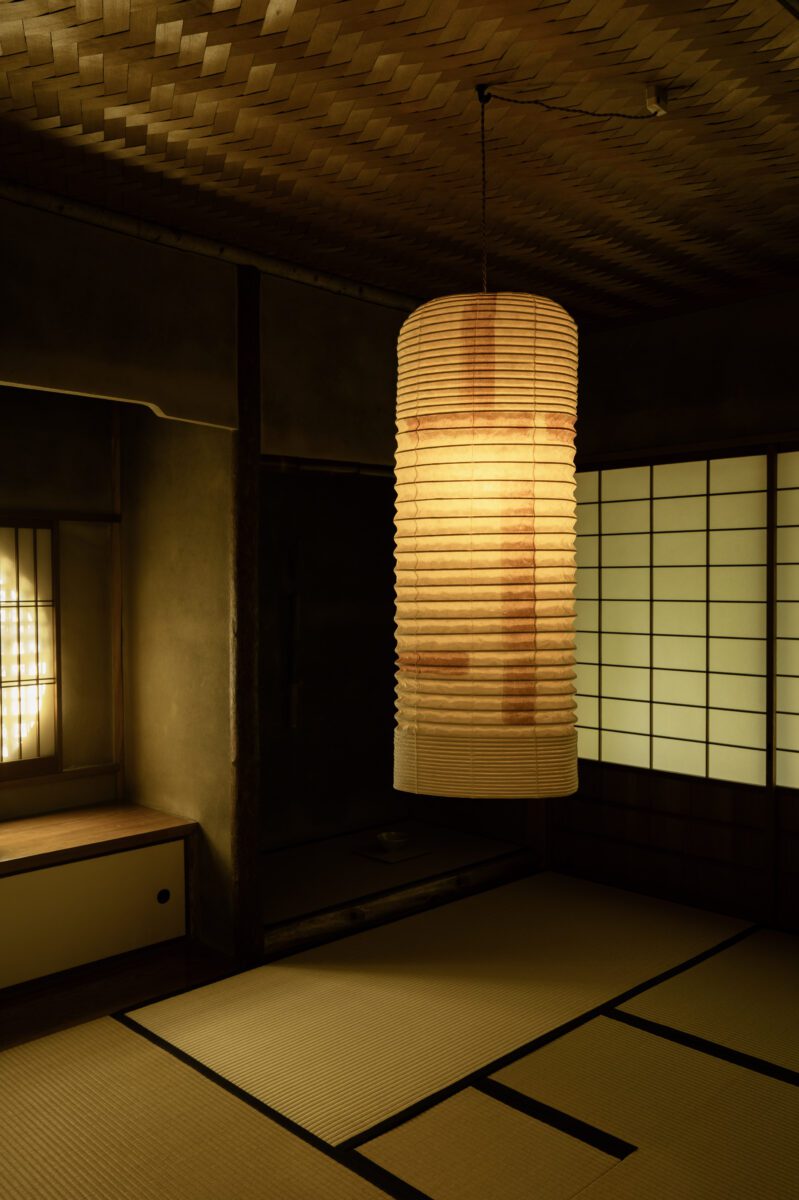
Mae Engelgeer, Kake Chochin, Light on. Photo Ryo Kawano_Courtesy of the Artist & Spazio Nobile.
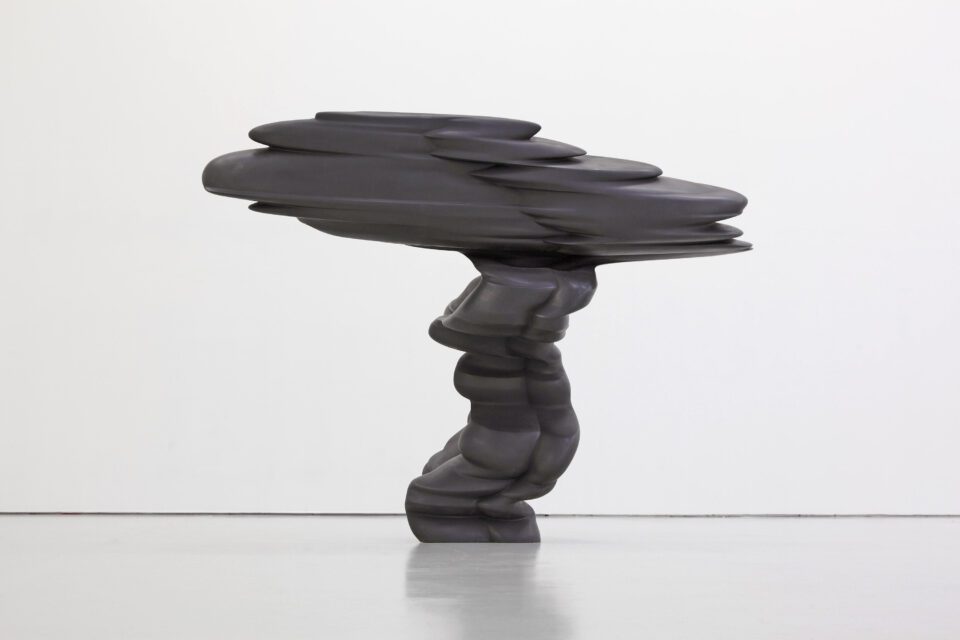
2. Bernier-Eliades Gallery, Tony Cragg, Must Be, 2012, 240x325x110 bronze. Photo: Michael Richter.
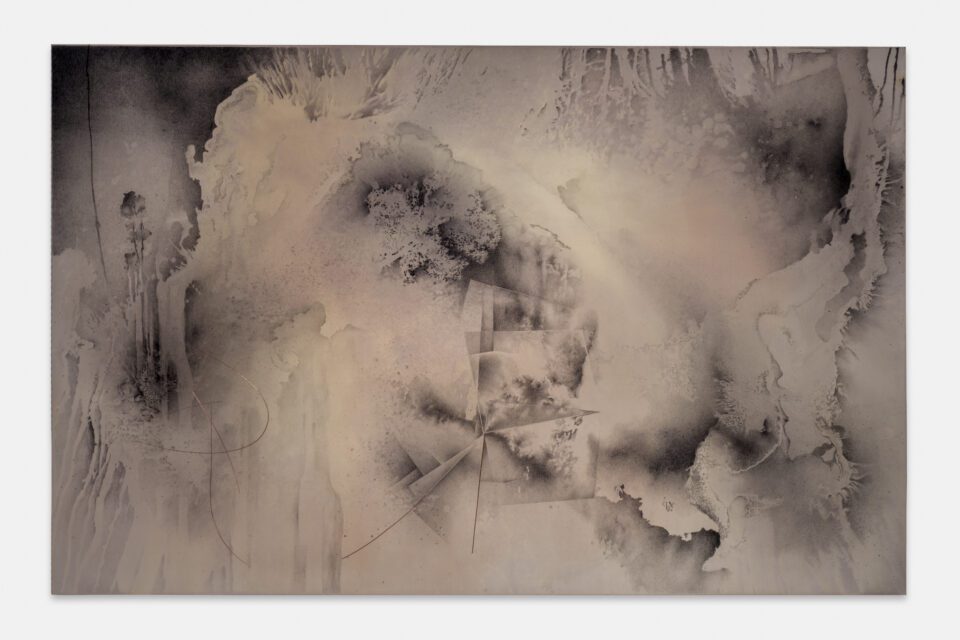
3. Tatiana Trouvé, Untitled, from the series Les dessouvenus, 2024.
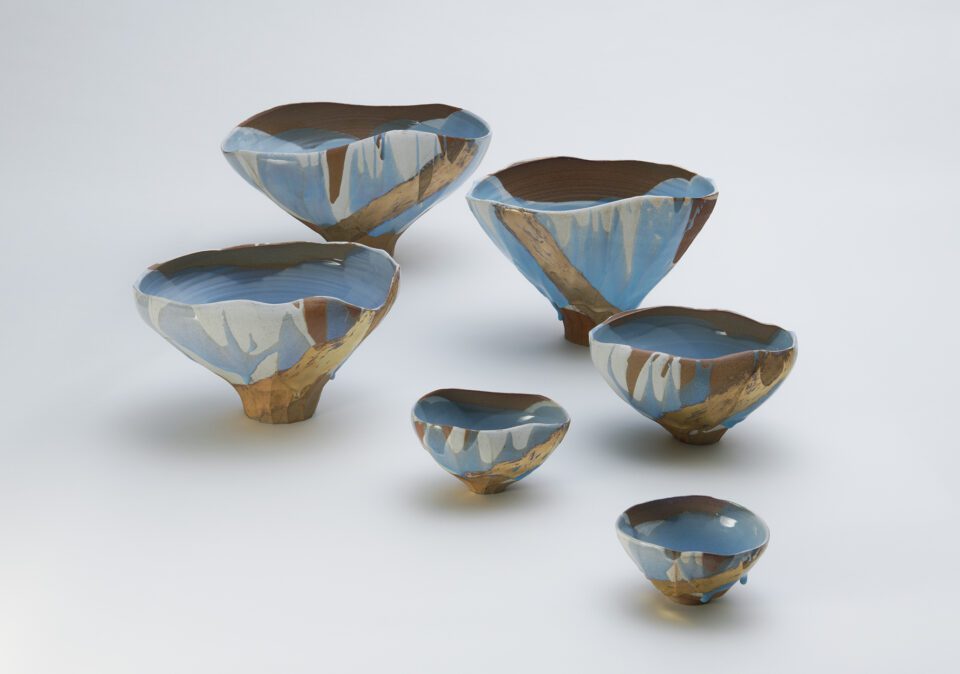
4. Matsubayashi Hosai XVI, Group of Chawan Geppaku Gold. Courtesy of the Artist & Spazio Nobile.
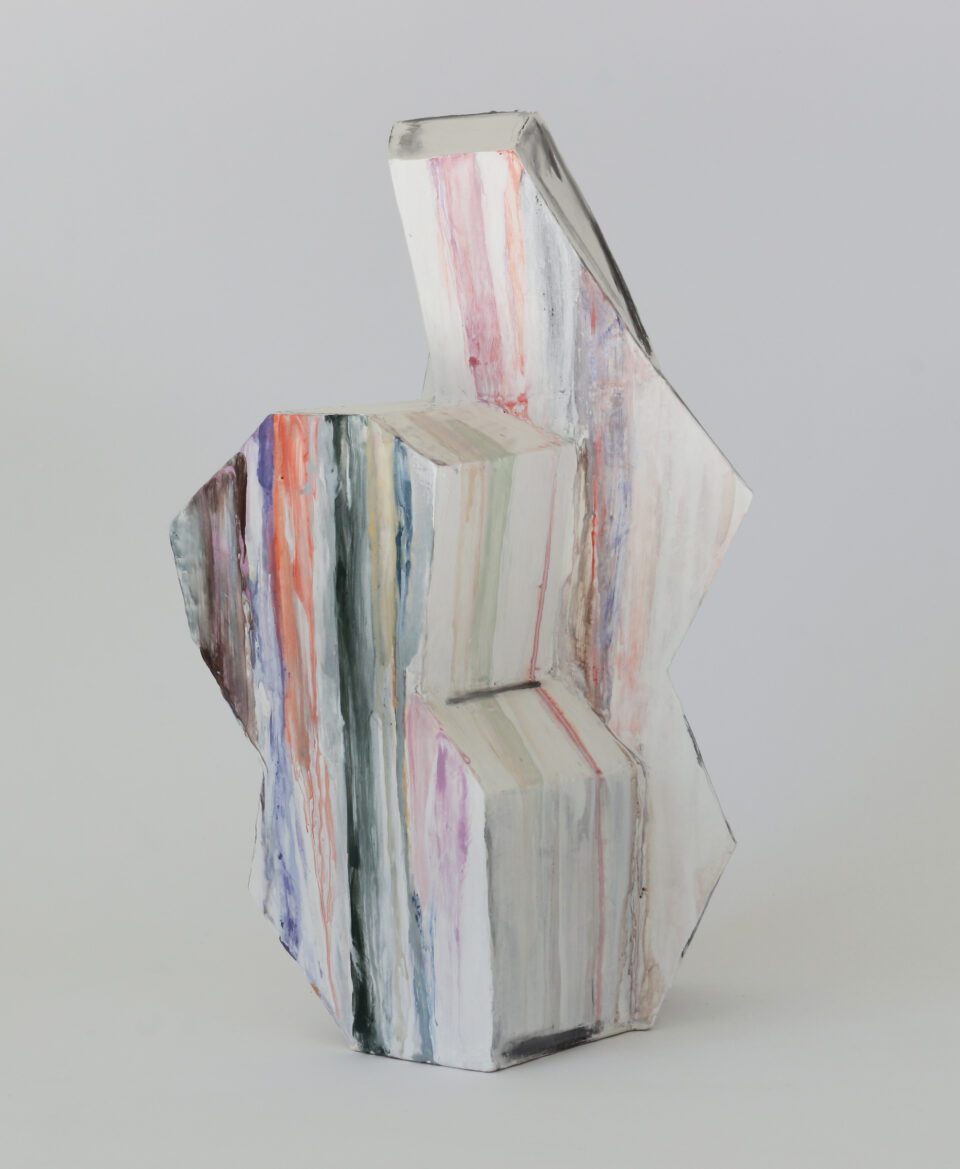
5. Chisato Yasui, Profile 16. Courtesy of the Artist & Spazio Nobile
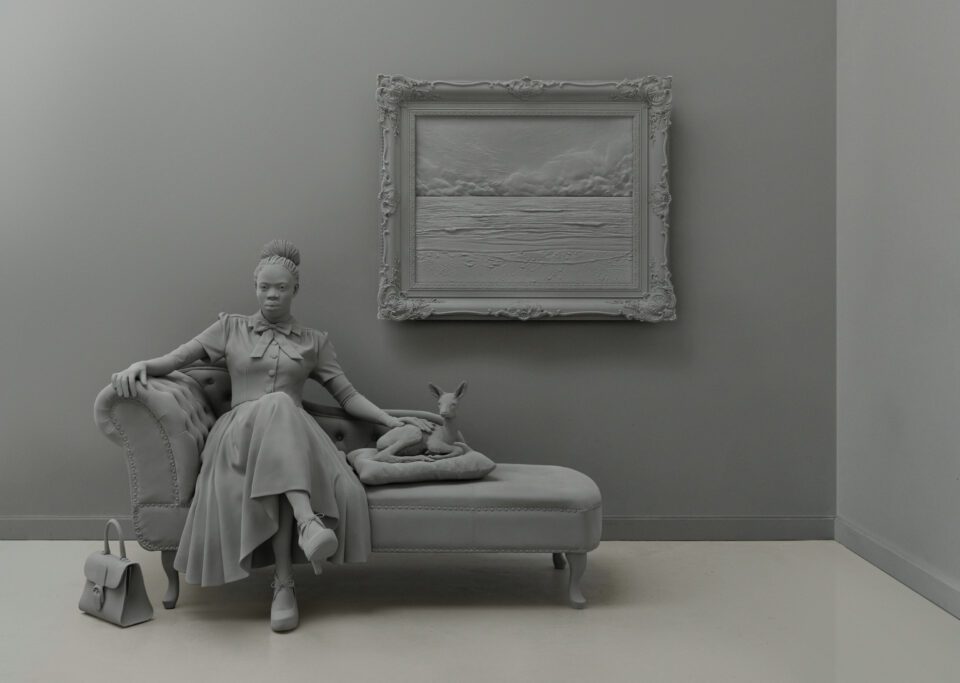
6. Almine Rech, Hans Op de Beeck, Cécile, 2026, life-sized sculpture, mixed media. Seascape, 2022, polyester. © Hans Op de Beeck, Courtesy of the Artist and Almine Rech. Photo_ Hans Op de Beeck Studio.