In each issue of Aesthetica Magazine, we review three books that are making waves on the scene that month. It’s an exciting opportunity to keep up to date with recent photobooks, read more about the most pressing issue of our time and how creative thinkers in art and design are tackling them. We’ve featured books about the most magnificent buildings of the past century, and how we are looking to a more sustainable and equitable future through our architecture, as well as volumes that bring hidden, neglected or overlooked aspects of art history to light, such as Getty’s Queer Lens. Each one has something important to say, offering a glimpse behind the curtain of some of our favourite artists and designers. Today, we bring you five highlights from our 2025 book reviews, all previously featured in Aesthetica.
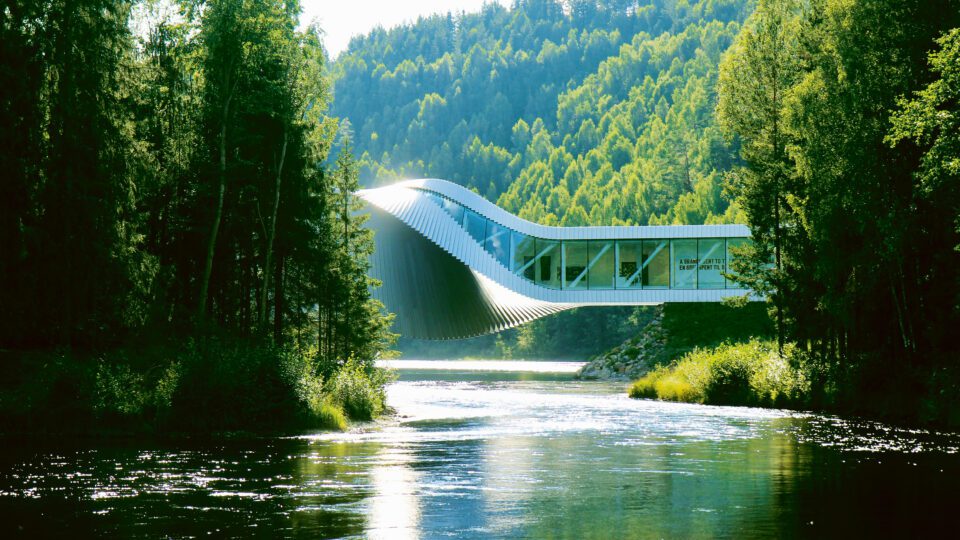
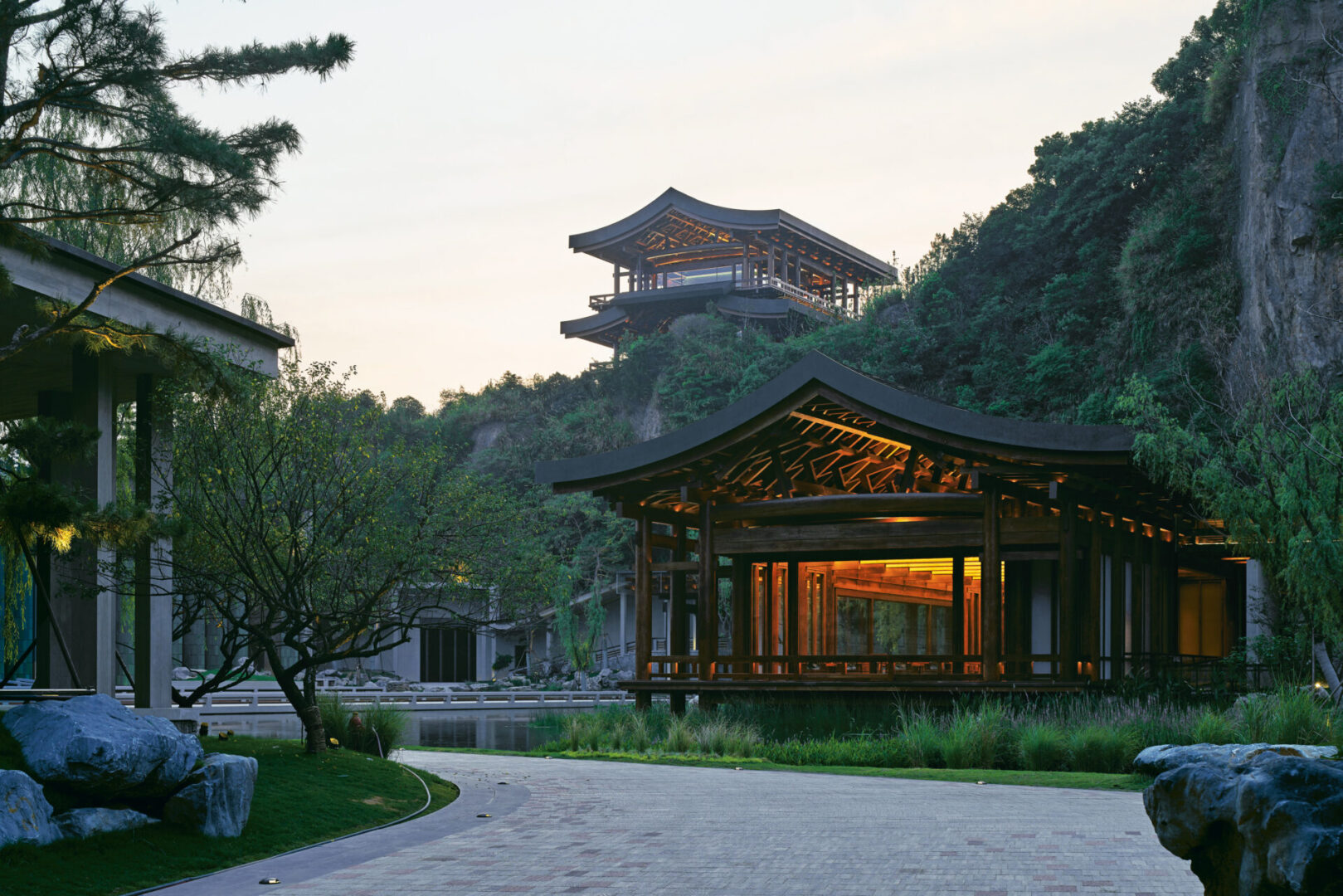
In Architecture for Culture, writer Béatrice Grenier examines the role of museums in shaping cities and the spaces where we live. Examples include the sense of romantic fantasy evoked by the Metropolitan Museum of Art, the pop art modernism of the initially controversial Centre Pompidou, or the transparent glass walls of the Zaishui Art Museum in China, which merge with a deep blue lake, the water softly lapping its doors. Grenier argues that cultural institutions have a huge impact on placemaking, skirting the boundary between public art and built environment. The volume is lush with full-colour spreads that sharpen focus on the size and scale of the buildings, and showcase majestic interiors. At the same time, the author interrogates the idea of the museum as a privately-owned, exclusive space, isolated by its own curation. Throughout the book, Grenier asserts that heritage cannot be confined within the walls of buildings. The writer’s point – that museums shape the daily experience of people in cities – is convincing.
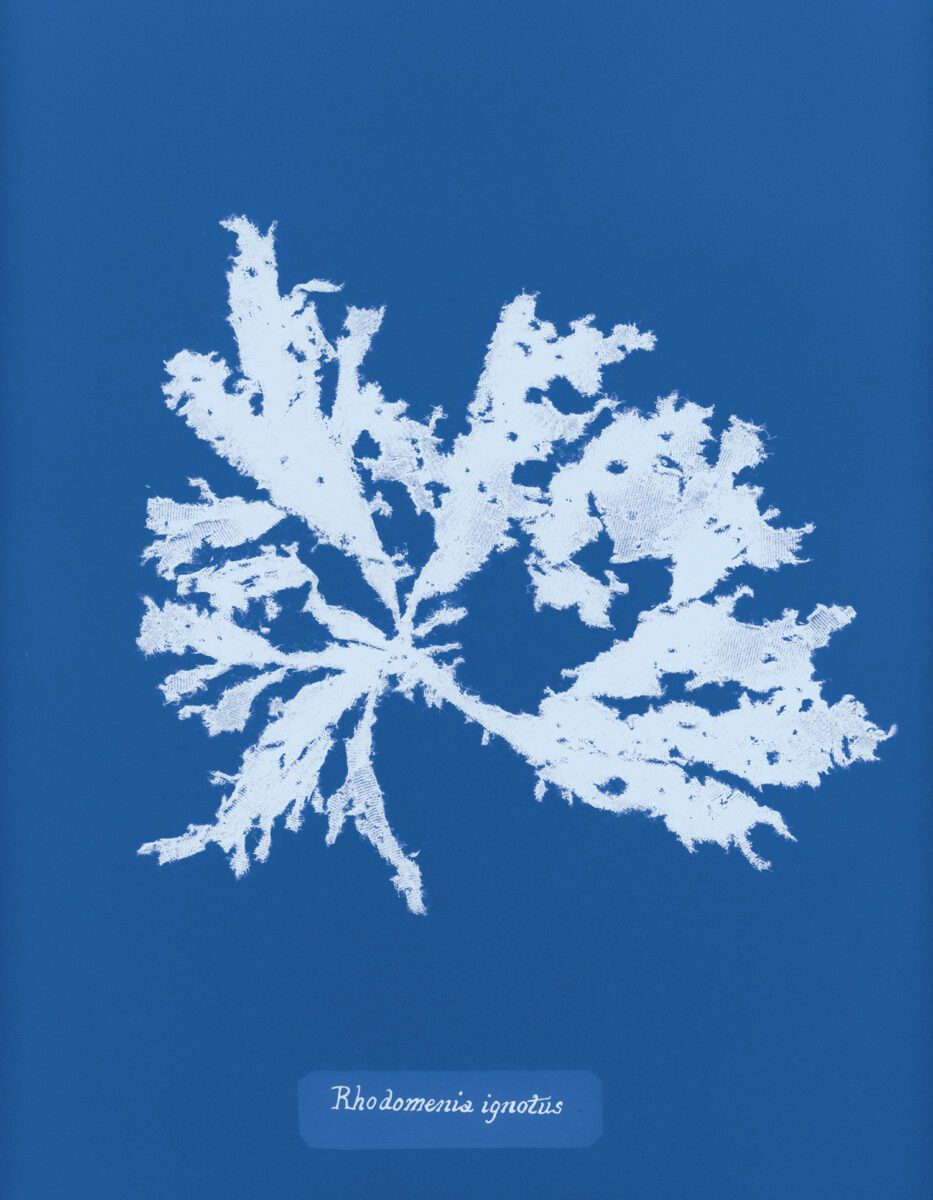
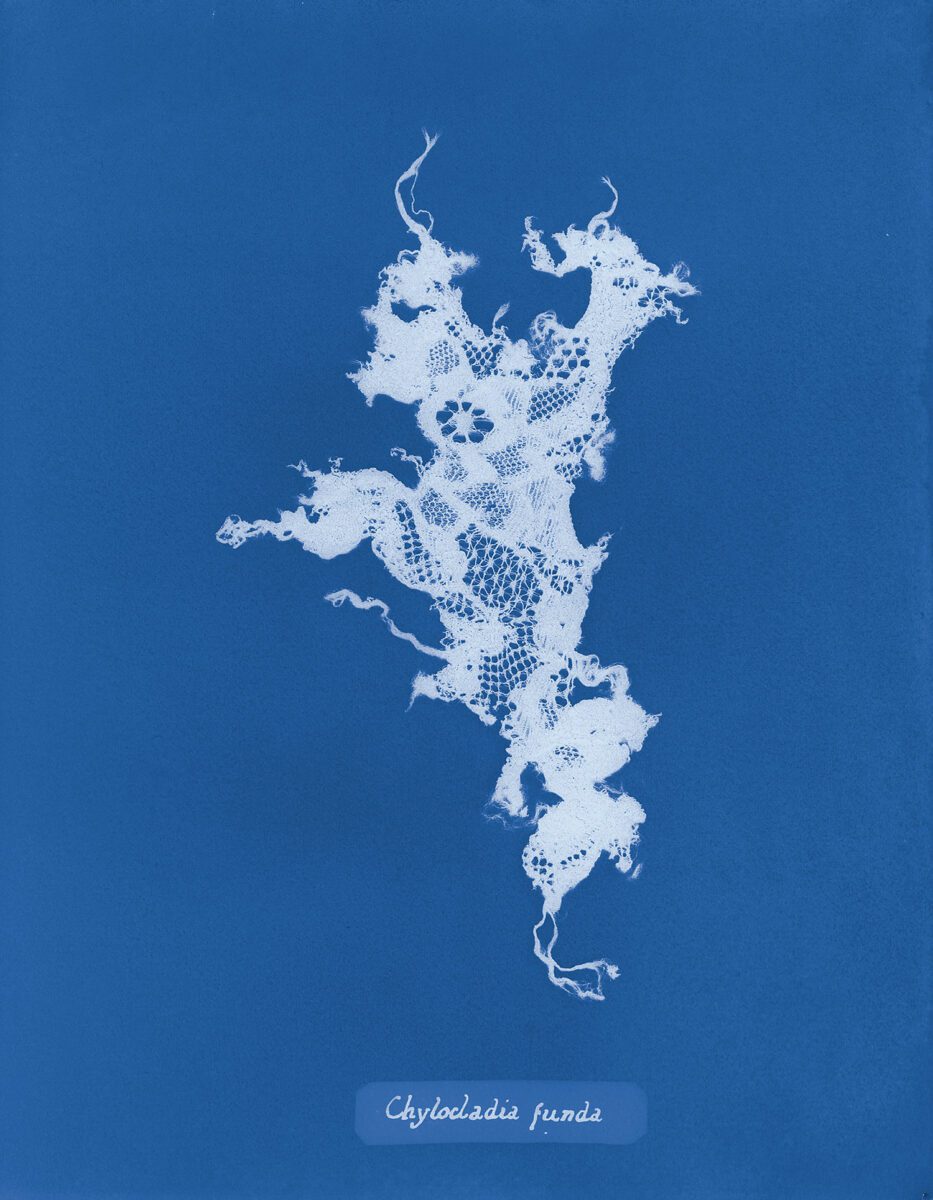
Photographs of British Algae: Cyanotype Imperfections
In 2012, Mandy Barker (b. 1964) mistook a piece of material in a rock pool for seaweed. It was a lightbulb moment and, in the years since, the artist has recovered over 200 examples of discarded fabric from around the coastline of Great Britain. Now, these clothing fragments – jackets, trainers, football shirts, fancy-dress outfits and underwear – are presented as cyanotypes in a carefully-bound volume. Barker is paying homage to one of the most important figures in photographic history: Anna Atkins (1799-1871). She was a Victorian botanist who used the cyanotype process to immortalise different species of British algae as Prussian blueprints. Atkins’ compendium, Photographs of British Algae: Cyanotype Impressions (1843), is widely considered to be the first ever illustrated with photographs. Barker has meticulously replicated the original publication, substituting botanical specimens for found garments or fibres. Shockingly, many of the pictures are nearly indistinguishable from Atkins’ early organic forms.

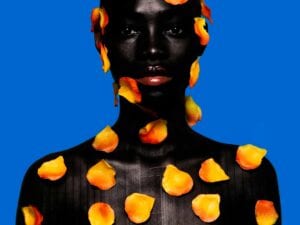
The transformative role of queer artists in the field of photography is brought to the fore in this landmark publication. Queer Lens features more than 200 images representing the work of 157 creatives, tracing how the camera has been used by members of LQBTQIA+ communities to publicly affirm their culture and identity. The richness of queer life and the diversity of experience is palpable. The pages brim with authenticity, surveying the influence of LGBTQIA+ people on photography since its inception in 1839. Readers are taken from the laws and censorship of sexuality at the turn of the 20th century, through the drag performers of 1920s New York; 1969 Stonewall riots; AIDS crisis of the 1980s; to the present-day, honing in on issues like the struggle for trans rights. The images featured include portraits of gay cultural icons, such as Irving Penn’s picture of writer Truman Capote; historic moments like Arthur Tress’ Gay Activists at First Gay Pride Parade; and Rotimi Fani-Kayode’s snapshots of Black, queer desire.
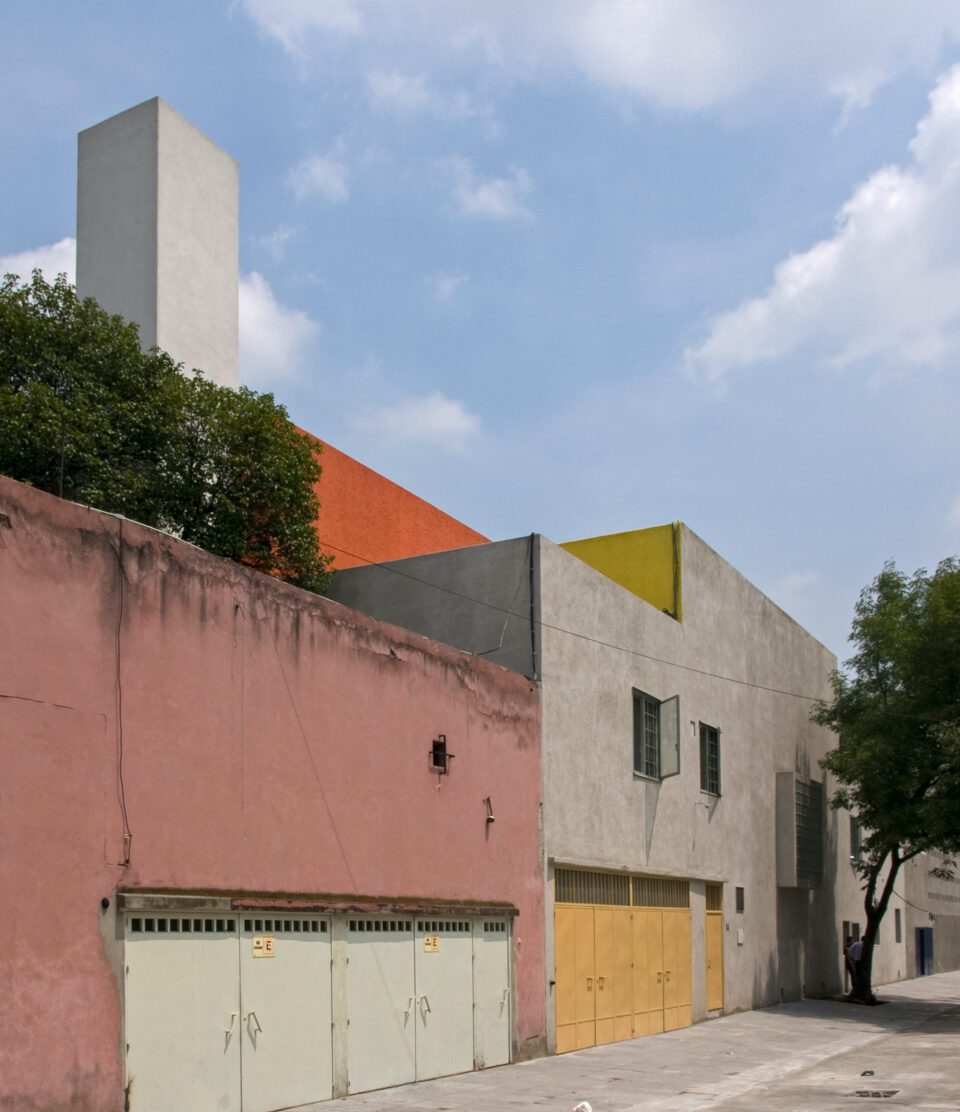
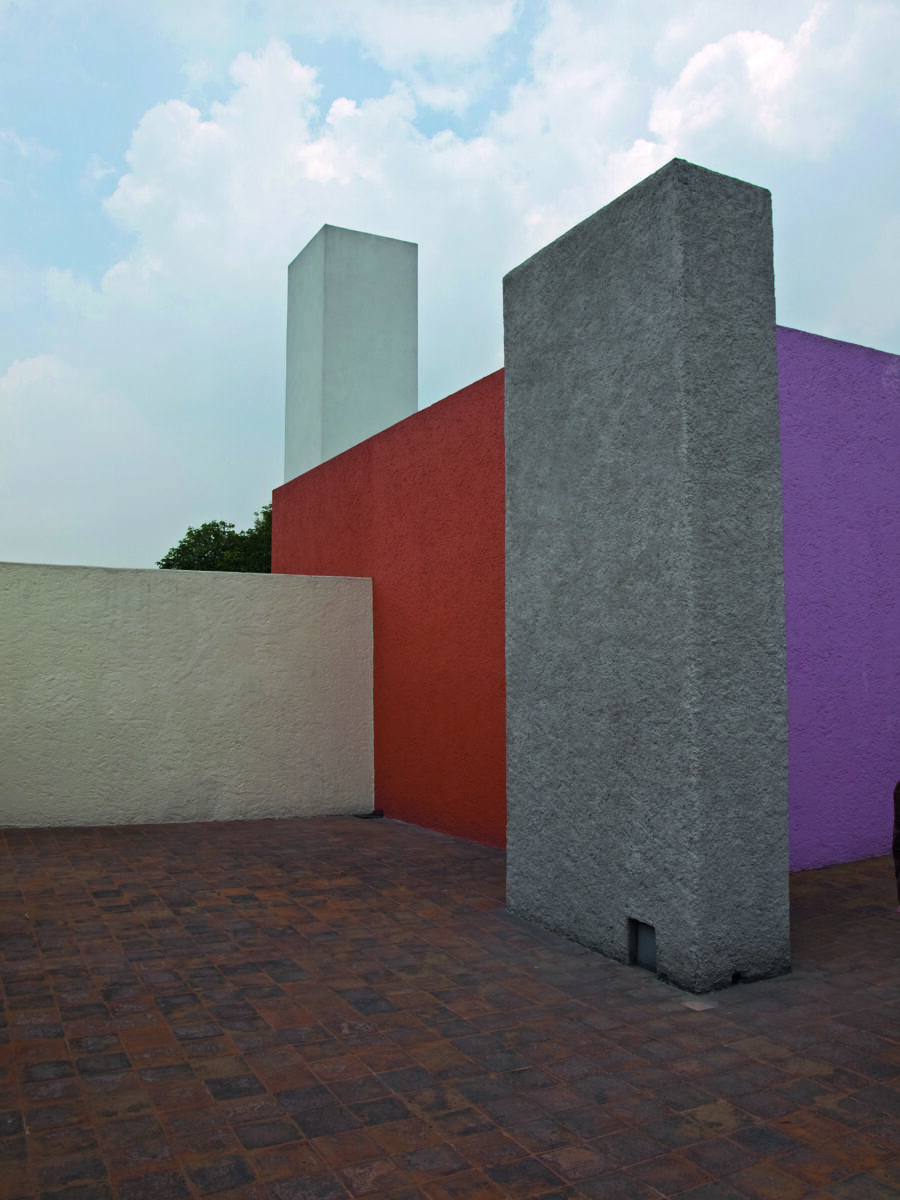
Architecture is more than just shelter; it is a statement, vision and declaration. In The Manifesto House, published by Yale University Press, curator, historian and writer, Owen Hopkins, discusses 21 radical residential structures that defy convention and serve as bold examples of new ways of living. The book’s richly illustrated three chapters offer insights into how visionary projects have the capacity to re-imagine contemporary living spaces. The first section, Looking Back, opens with Andrea Palladio’s poetic Villa La Rotonda and features residences that reconnect with the past, imbuing planning with deeper meaning, whilst the second chapter features dwellings that bridge private and public realms, including Frank Lloyd Wright’s revered Fallingwater and the light-filled Casa de Vidro by Lina Bo Bardi. The book concludes with a section titled Looking Forward, which explores visions of the future. Eileen Gray’s Villa E-1027 is rendered alongside Krista Kim’s Mars House; the very first NFT digital home in the world.
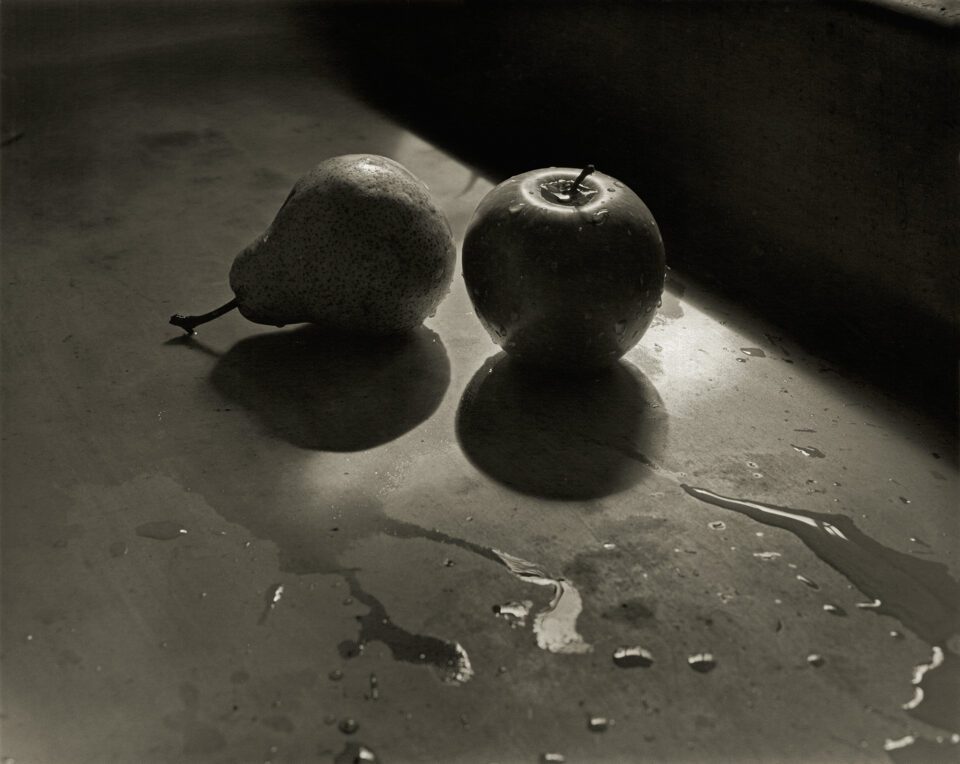
Consider the monumental figures that helped to shape contemporary photography, and few loom as large as Don McCullin (b. 1935). The photojournalist documented some of the most brutal conflicts of the 20th century, including in Bangladesh, Biafra, Lebanon, Northern Ireland, Vietnam and, in more recent decades, Iraq and Syria. A new book, published to coincide with McCullin’s 90th birthday, spotlights a frequently overlooked aspect of his archive: still life and landscape. The Stillness of Life is a more personal offering from an artist often associated with combat across the world. Several images are labelled as being made “in my garden shed”, whilst others capture the rolling hills and bucolic surroundings of his Somerset home. The final page reveals the true place of these images within the entire trajectory of McCullin’s remarkable life and career. He writes in the publication’s conclusion: “Over the years going to various wars, this corner of Somerset has saved and restored my sanity and given me a sense of balance.”
Subscribe to Aesthetica & Save 40% this December. Shop All Issues Here.
Image Credits:
1. Photo: Wang Dachou.
2. Photo Unsplash/Arvid Høidahl.
3. Tank top (Cystoseira summus) © Mandy Barker.
4. Fishnet tights (Chylocladia funda) © Mandy Barker.
5. Texas Isaiah (American, active since 2012) Thané, negative 2016; print 2021. Inkjet print. 76.2 × 50.8 cm (30 × 20 in.). Los Angeles, J. Paul Getty Museum, 2021.24.1.
6. Luis Barragán, Casa Barragán, Mexico City, Mexico, 1947. Exterior. Wikipedia
7. Casa Barragán, roof terrace. Wikipedia.
8. A pear and an apple in my kitchen sink © Don McCullin.