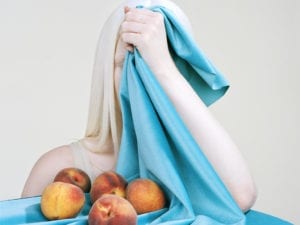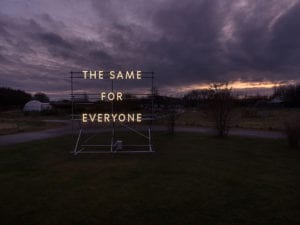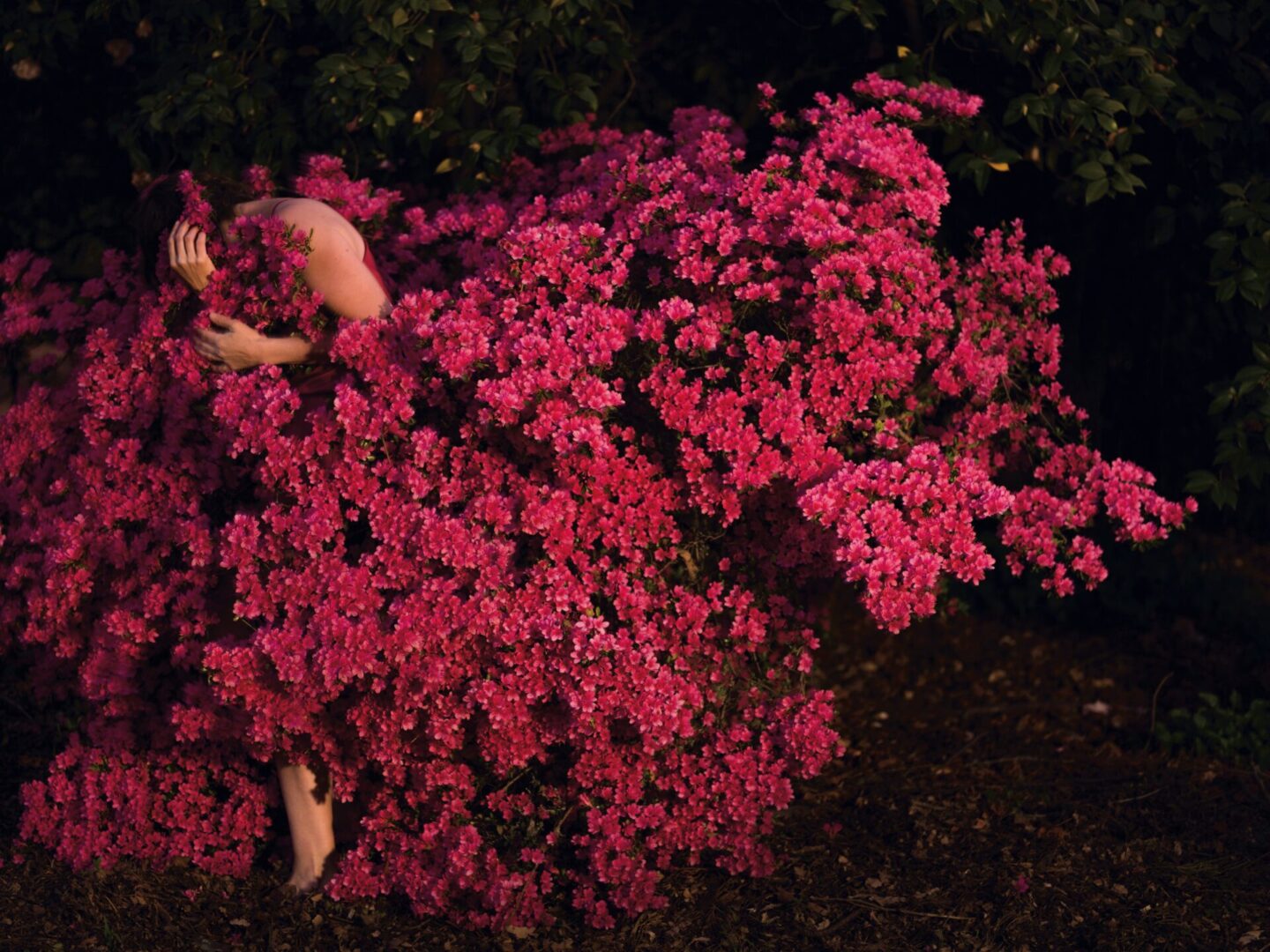
When Amber Creswell Bell began interviewing people for a new project, she asked them one key question: what makes a “good” image? Two answers appeared time and time again. The first, that it stays with you beyond the initial viewing. The second, it must prompt you to see and understand the world differently. There is no doubt that the works featured in this publication do just that. As the author describes, this is not an “elitist anthology of ‘best in show’ artists,” but rather an exploration of “the very humanness of art.” Exposure features 40 contemporary photographers from Australia and New Zealand, each sharing an insight into their practice, ranging from the whimsical to the wild, addressing subjects as diverse as the environment, motherhood and identity. Some point and shoot; others meticulously curate a scene, but they all strive for a creative connection with the viewer through this common medium.
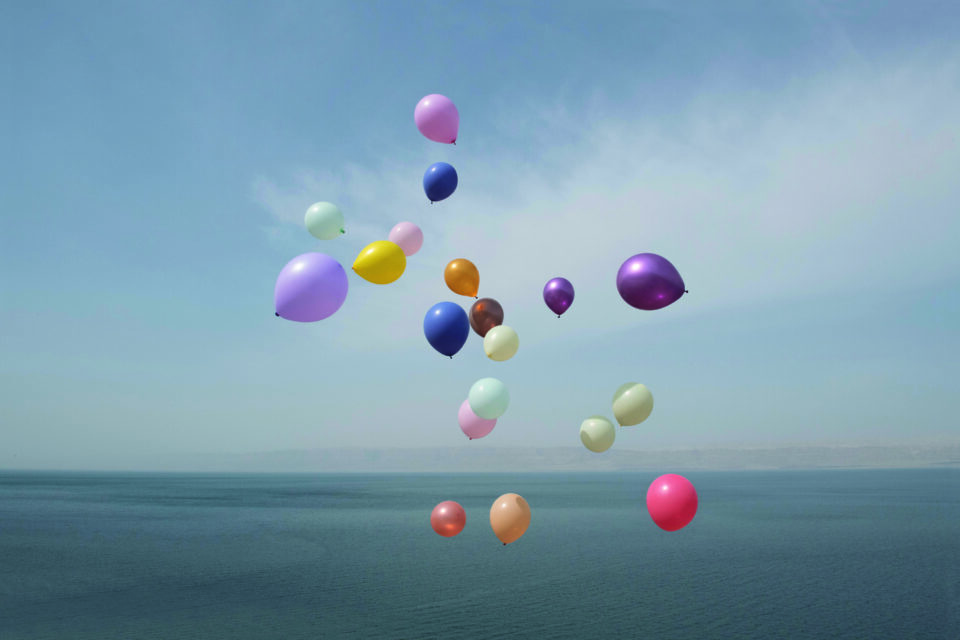
Creswell Bell has managed to take careers that span decades, often filled with accolades and awards, and condense them into a few pages. Each one gives a glimpse behind the curtain at the artist. More than just a list of series, this book asks photographers what they think of the medium as a whole. In her interview with Atong Atem, Creswell Bell writes: “For Atong, a good image is one that she will refer back to or think about over a long period of time. As to whether the general public values the medium, she suggests that our society is still in the early stages of valuing a photographic object as an artwork. ‘It’s so often associated with advertising, and the accessibility to cameras has maybe made the medium feel “easy,” and in many ways it is. But it’s the way you engage with the properties of a medium with intention that matters.”
The author makes a point of addressing the current landscape of lens-based media in her introduction, referring the fact that an estimated 61,400 photographs are taken every second across the world, with smartphones accounting for 94% of all photos taken in 2024. She doesn’t seem to despair of this fact, or about the permeation of AI generated content, writing: “Most of the artists interviewed either cautiously questioned it or accepted it as a fait accompli. Many see see photography as an ever-expanding series of technologies through which we can imagine and represent the world, and have embraced these changes and found new ways to express themselves.” Instead, the feeling that runs throughout the volume can be boiled down to one word: authenticity. Creswell Bell is searching for this from both individual artists and the entire Australian and New Zealand art scene. She finds it by the bucketload with these creatives.
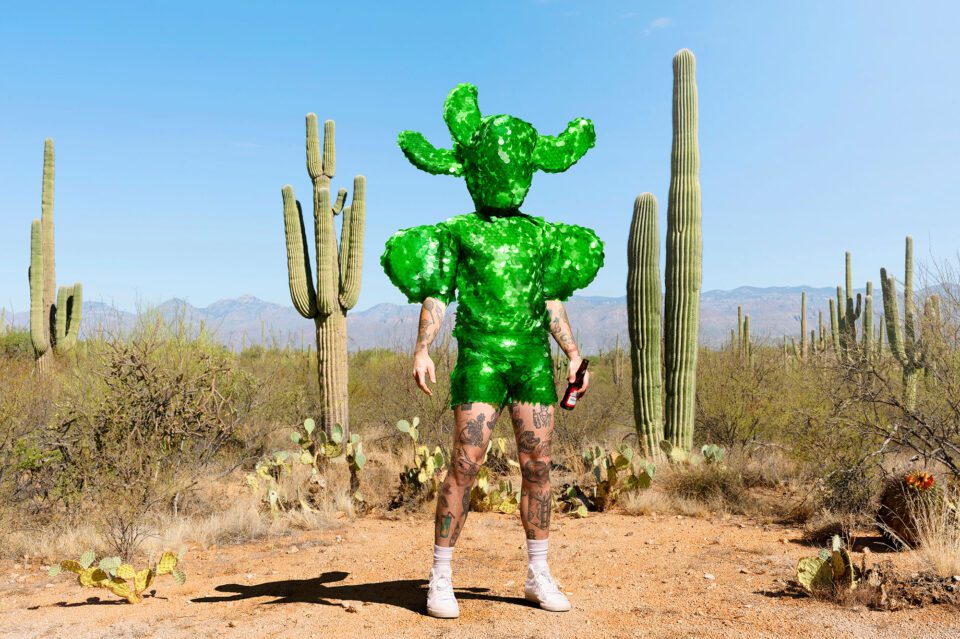
The artists featured are hugely disparate in theme, aesthetic and background, but there is a clear unity in their ability to capture the nuance and complexities of modern life. wani toaishara transforms ordinary urban settings into stages for exploration and reflection, producing colourful celebrations of Black bodies. Trent Parke’s cinematic compositions are only complete when they “transcend the actual moment,” telling a story that can be understood from a global point of view, whilst Gerwyn Davies’s self-portraits in elaborate, structural costumes are a work of “queer, photographic self-representation.”
Other featured artists strike a chord with the political and social history of the two nations. In her featured interview, Brenda L Croft explained how she “started as a photographer to help represent Australian First Nations communities and individuals from a culturally appropriate standpoint, respectfully and with trust.” She draws on elements of autobiography and ethnography to articulate her deep admiration for female, Indigenous family members. Similarly, Nici Cumpston foregrounds Aboriginal communities’, particularly Barkandji peoples, enduring connection to the land, whilst Naomi Hobson invites viewers into the world of First Nations people in Queensland. Exposure is a book that captures the essence of contemporary photography, showcasing bold perspectives, striking landscapes and intimate portraits.
Exposure: Contemporary Photographers in Australia and New Zealand will be published by Thames & Hudson in January 2026: thamesandhudson.com
Words: Emma Jacob
Image Credits:
1. Tamara Dean, I wrap my face in her cloak of petals and breathe deeply, (2020). Pigment print on cotton rag.
2. Rex Dupain, Dead Sea Colour, 2023.
3. Gerwyn Davies, Saguaro, 2024.
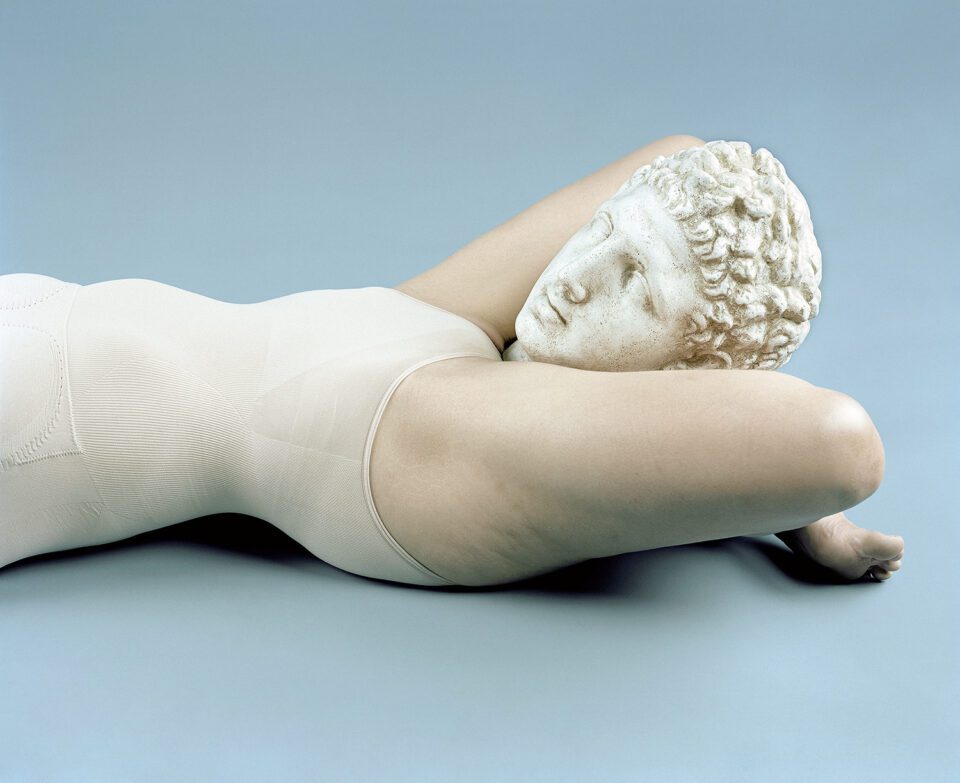
4. Petrina Hicks, Hercules, 2021. Archival pigment print, 100 x 123 cm.
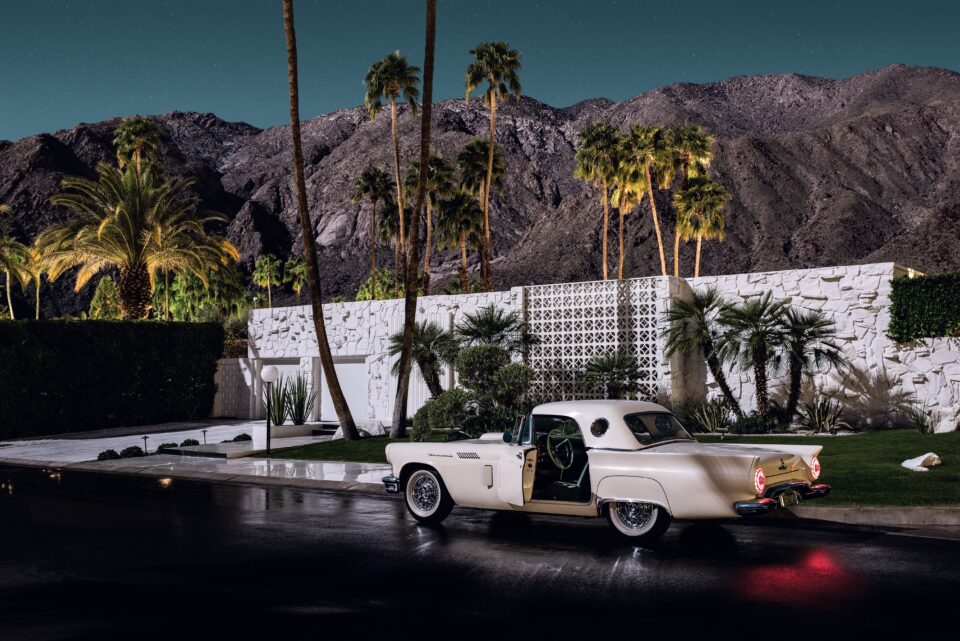
5. Tom Blachford, Abrigo Corner IV, 2018. Archival pigment print, Midnight Modern series.