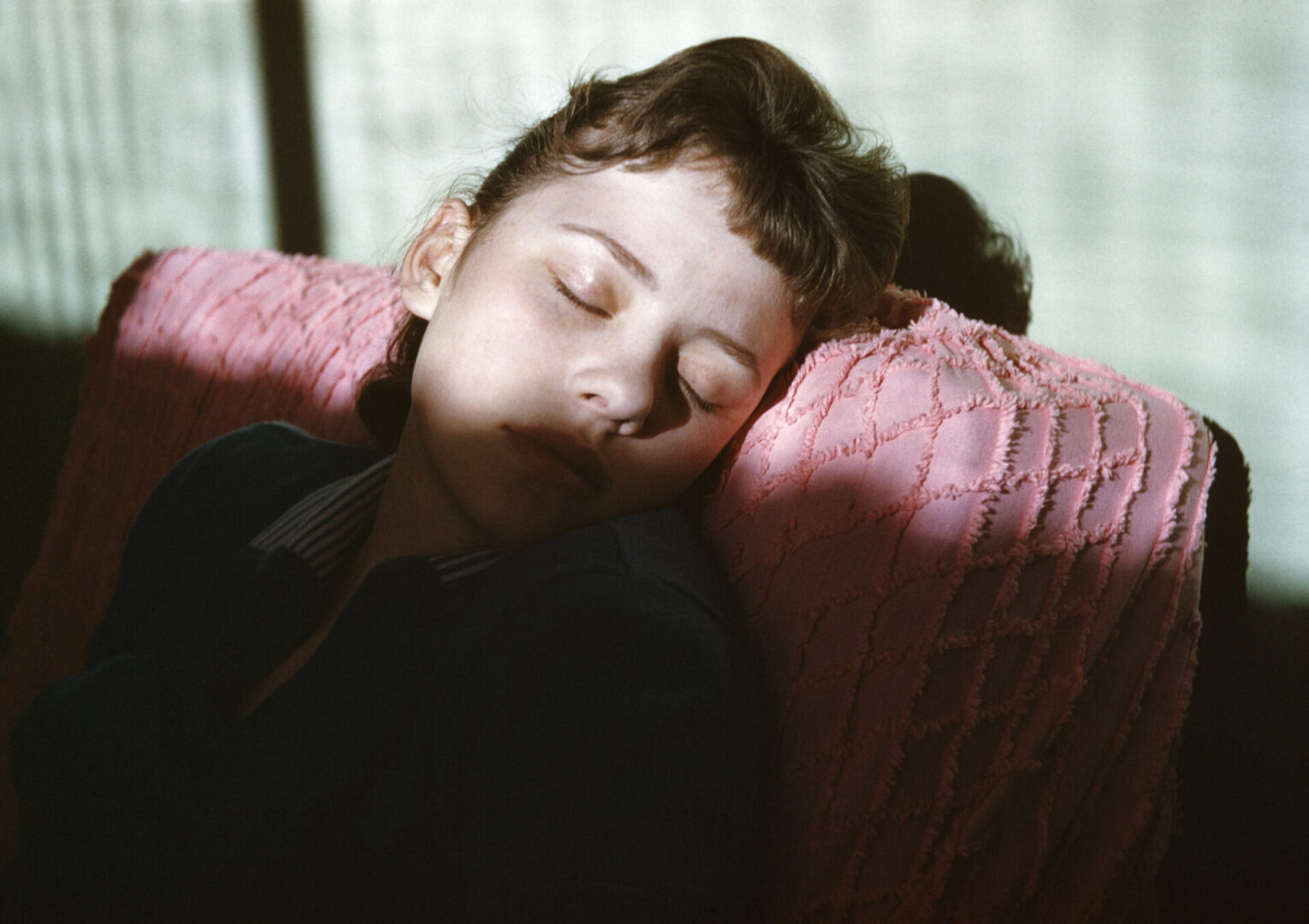
Lee Shulman (b. 1973) collects images that were never meant for public view. He collates abandoned slides, assembling what is now one of the largest private archives of analogue amateur photography in the world. The Anonymous Project began in 2017, when the artist bought a random box of vintage Kodachrome, and “completely fell in love with the people and stories he discovered in these unique windows into our past lives.” Shulman reanimates these personal documents, weaving them into narratives that explore memory, family, love and cultural shifts across generations. His motivation is a rescue mission: a conviction that these modest items hold something too valuable to be allowed to fade away.
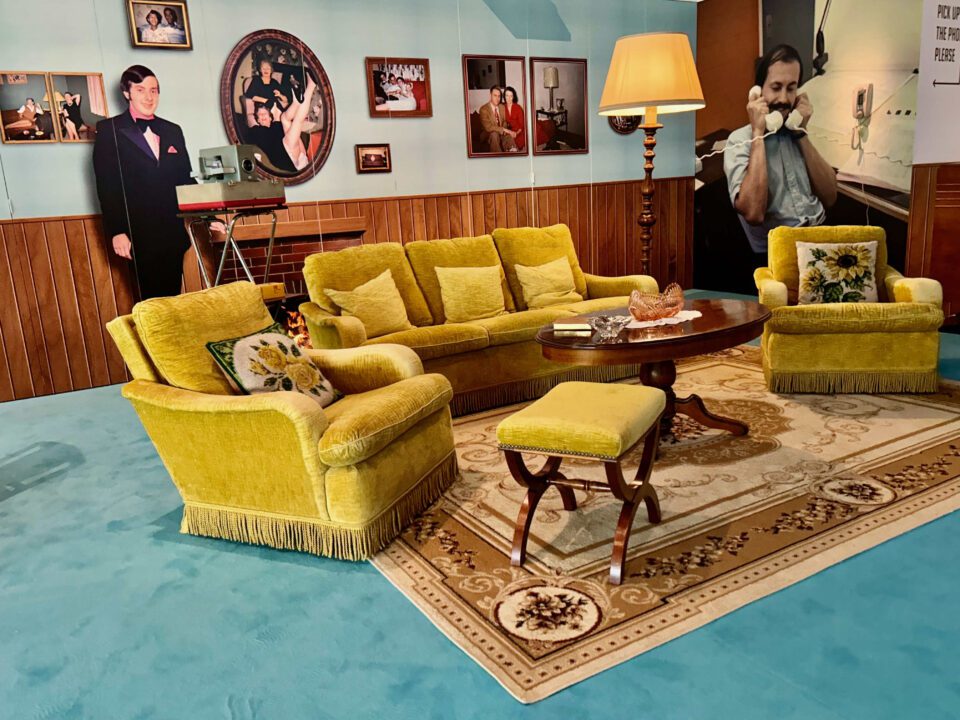
This summer, Fotografiska Berlin presents No Place Like Home, a major exhibition that brings together a vast selection from The Anonymous Project. The show features more than 12,000 works, “compressed into an installation large enough to feel, quite literally, like a house you might have once lived in.” Among the highlights are the so-called Totems: floor-to-ceiling, backlit structures composed of layer upon layer of photographs, which fill the completely darkened room with a warm, suffusing light. It is worth lingering. There is always something new to capture the audience’s attention upon second, or third, glance. The featured images are remarkable precisely because of their ordinariness. These are not choreographed, artistic works, in fact, they were never intended to be seen outside of a tight-knit circle of friends and family. It is this quality that gives them an honesty that staged photography seldom achieves. Shulman removes names, dates and locations, transforming them into new, universal narratives. Even if these pictures have nothing to do with the lives of museum visitors – somehow, they continue to resonate.
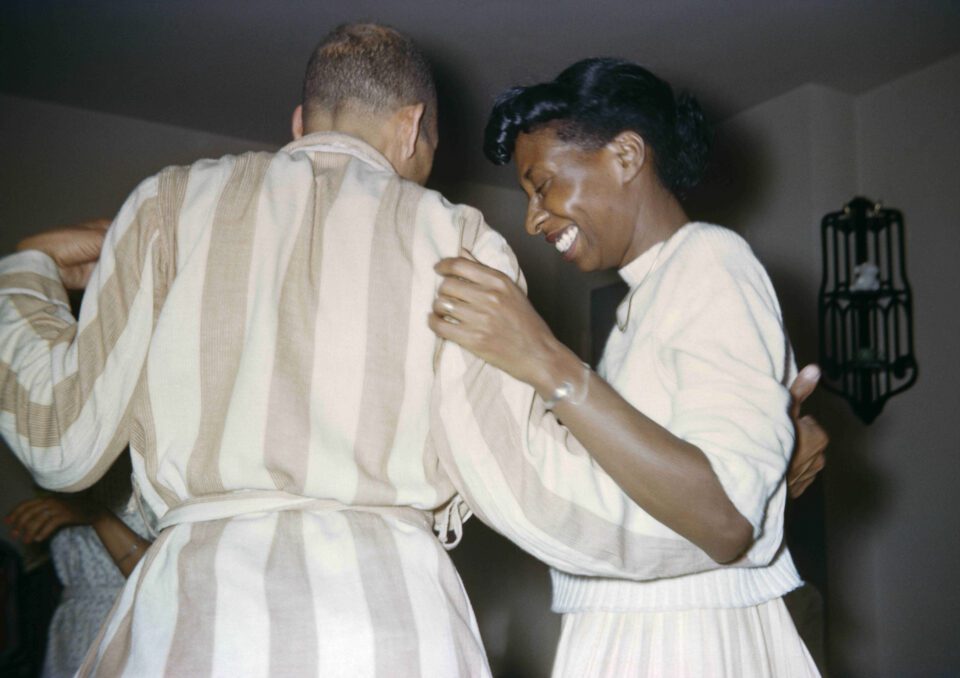
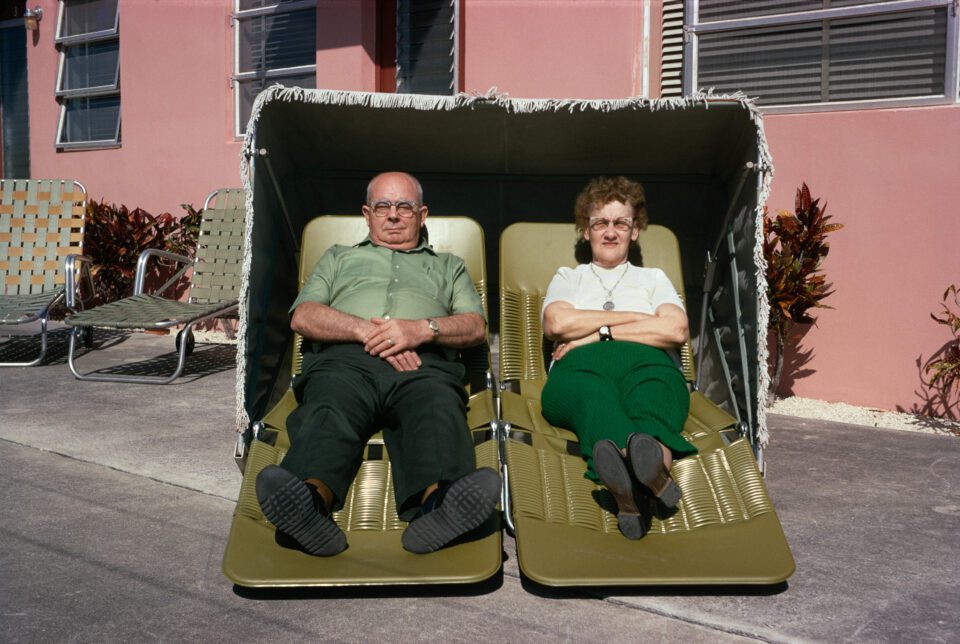
Families stand in front of their car, each member distracted and looking away from the lens. Elsewhere, a middle-aged couple recline on plastic garden furniture or smile behind their 50th wedding anniversary cake. Several shots capture figures in motion, dancing, laughing, posing in silly ways for the camera. Together, they are life played out in a single gallery space. Shulman says: “What is beautiful about this project is that people feel the images belong to them. They could have been their husband, their wife, their grandparents, their childhood. They claim the photographs as their own. I’ve shown this project in countries where the culture is completely different – Korea, for instance. And even there, people would come up to me and say: this reminds me of something from my life. I have never once encountered someone who felt like a stranger to these pictures. We all know the moments they contain.”
Shulman has extended this project in many directions, publishing works and presenting exhibitions on themes including: Dressed to Impress, Mid-century Memories, The House, On the Road and Home and Away. One significant moment is his collaboration with Omar Victor Diop, a Senegalese artist who uses self-portraiture to address erasure and representation in history. Being There is a vital part of The Anonymous Project. Here, Diop is inserted into the archive, boldly reimagining 20th century history. The seemingly carefree landscapes are altered by the artist, appearing in places and communities that would have been historically resistant or hostile to a Black presence. Shulman and Diop disrupt the aesthetic innocence of these scenes, transforming them into powerful commentaries on race, class and exclusion. This series is currently on display as part of Rencontres d’Arles 2026, reflecting its significance in the contemporary landscape.
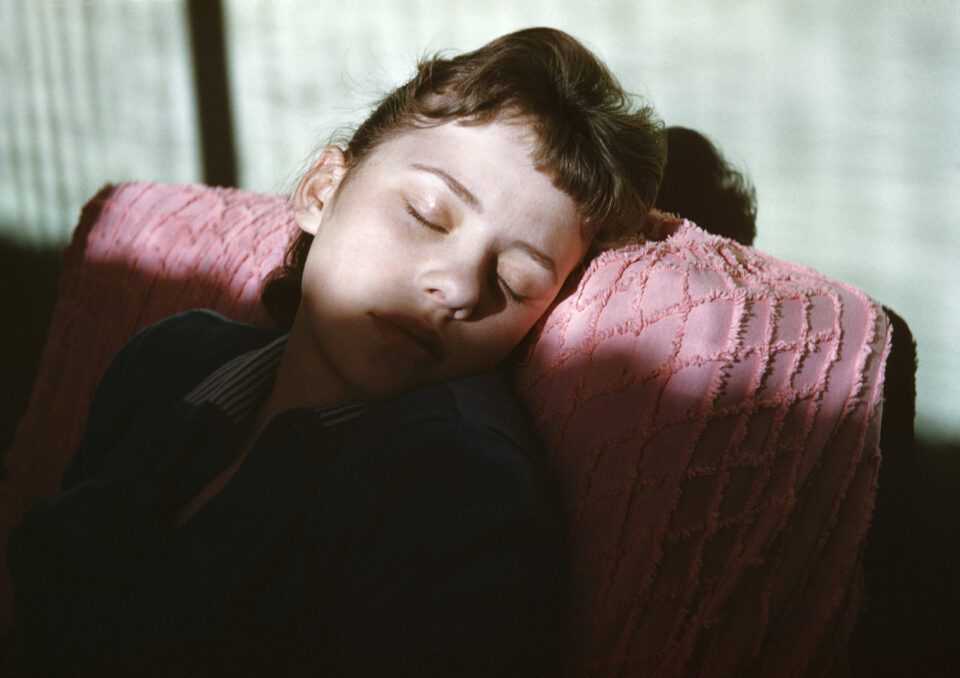
The Anonymous Project stands distinct as an example of an artist seeking to preserve, rather than create. Its a true act of love for the human endeavour to painstakingly collect and maintain millions of snapshots that would otherwise have been lost to history. The mysterious strangers in the photographs simply wanted to hold onto a moment. Shulman rescues those instances, but not for them. For the rest of us.
The Anonymous Project: No Place Like Home is at Fotografiska, Berlin from 20 June – 1 November: berlin.fotografiska.com
Words: Emma Jacob
Image Credits:
All images: ©The Anonymous Project/Lee Shulman. Courtesy of Galerie Clémentine de la Féronnière