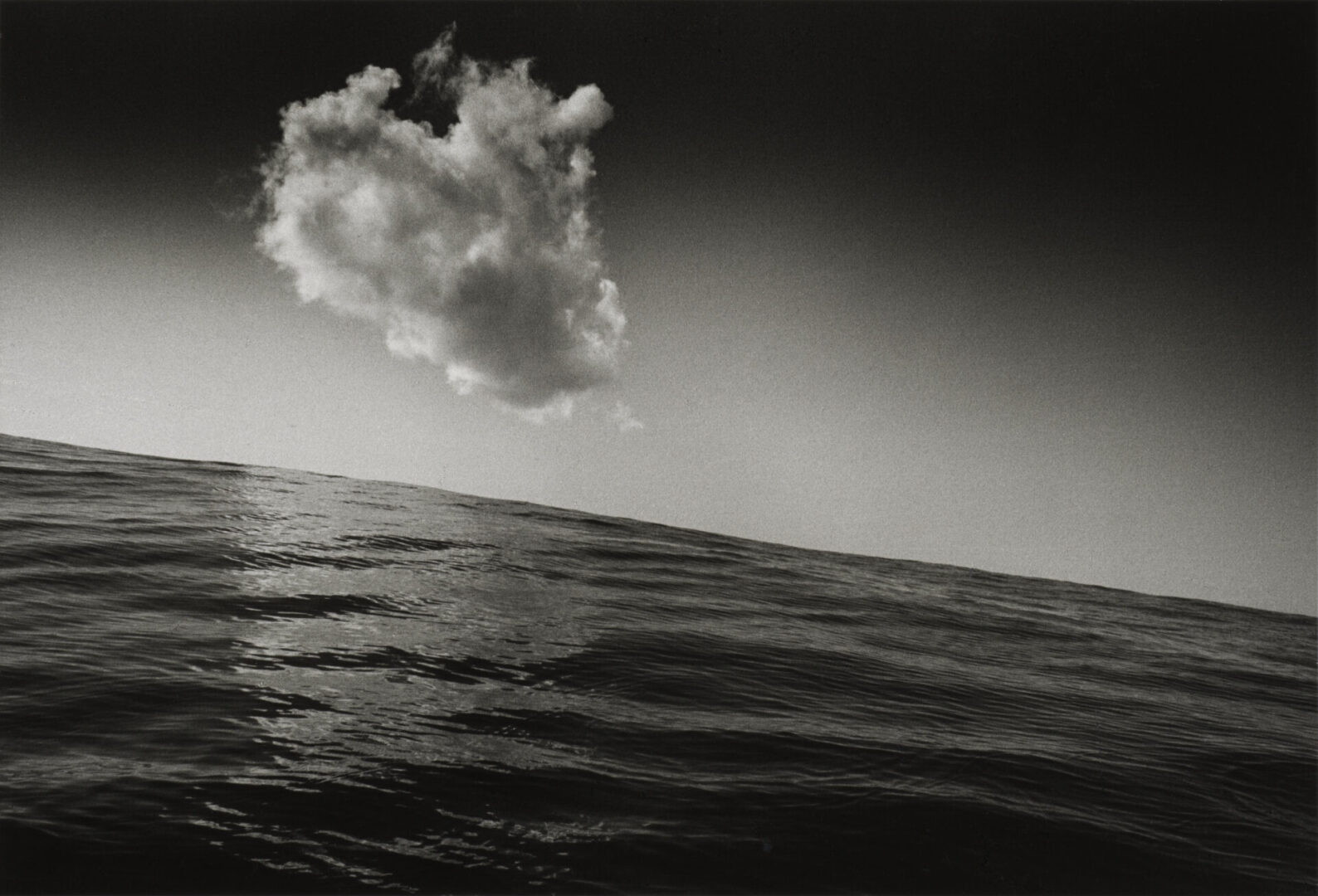
The Metropolitan Museum of Art’s latest exhibition – A Long Shadow – examines how photographers in Japan recorded, questioned and helped reshape a society in transition in the decades after WWII. The exhibition draws on the Museum’s collection to bring together an intergenerational group of 15 artists, from Tōmatsu Shōmei, a pioneer of postwar Japanese photography, to contemporary Okinawan filmmaker Yamashiro Chikako. Also featured are photographs and books by Ishuchi Miyako, Ishikawa Mao, Toiwa Toyoko and Heshini Kenshichi. This major offering is the first exhibition of Japanese photography since 1995, featuring photographs, books, magazines and a video installation. The works on view consider the experience of occupation from the perspective of those who lived through it, and how that legacy continues to shape contemporary life, particularly in Okinawa.
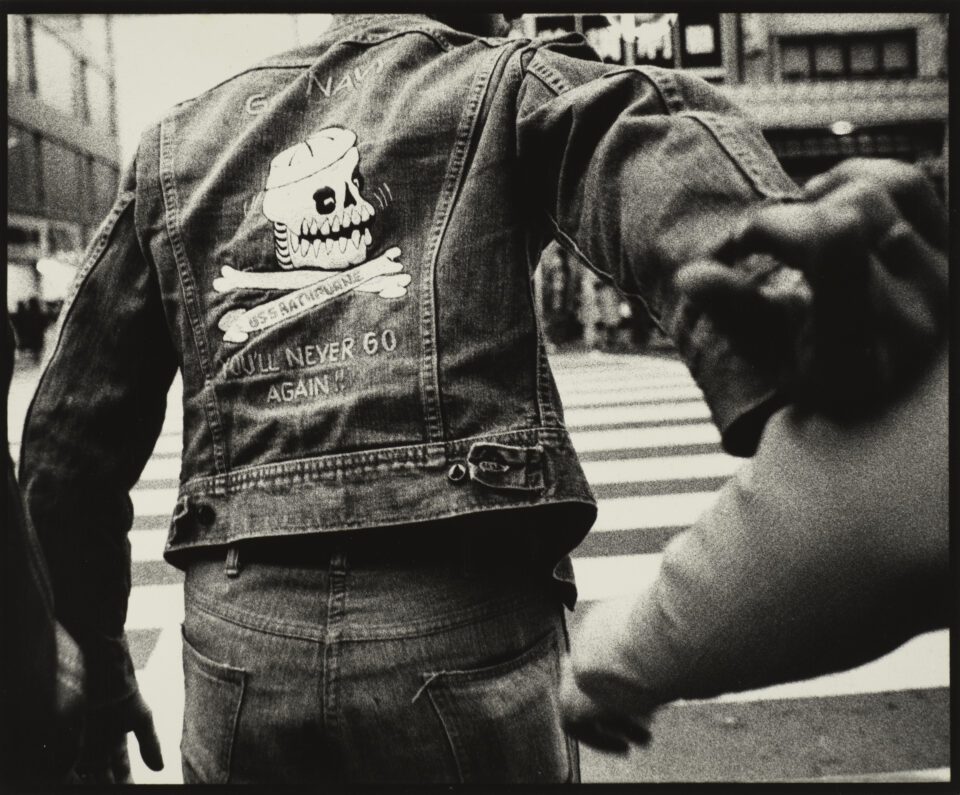
Lisa Sutcliffe, Curator in The Met’s Department of Photographs, says: “Rather than adopting the detached style of wartime reportage, these photographs made pictures rooted in their own lives and communities, and they reached their audiences largely through magazines and photobooks. Seeing Tōmatsu, Ishiuchi, Ishikawa and Tokiwa alongside artists working in Okinawa today reveal the long shadow of the war. Their artworks remind us that photography does not only record history, it shapes how we understand it.”
Tōmatsu Shōmei is a key figure in the exhibition. The artist has been praised as the most influential artist to emerge out of this turbulent post-war period, with a raw ang grainy style that went on to influence the anti-establishment Provoke photography movement. Shōmei became the blueprint for the likes of Daidō Moriyama, Nobuyoshi Araki and Takuma Nakahira. His images document the “strange reality” that was thrust upon the Japanese people during US occupation. Okinawa, which remained under American control until 1972, drew particular attention, as did the porous towns that grew up along the edges of military bases. For many artists, those places came to embody the tensions between past and present, tradition and modernisation, East and West. Tōmatsu made the base towns a sustained subject, picturing the places where American and Japanese cultures met and often collided. His ongoing series on the subject appeared in Asahi Camera, a prominent monthly photography magazine, beginning in 1959, and a 1969 commission from the magazine brought him to Okinawa for the first time.
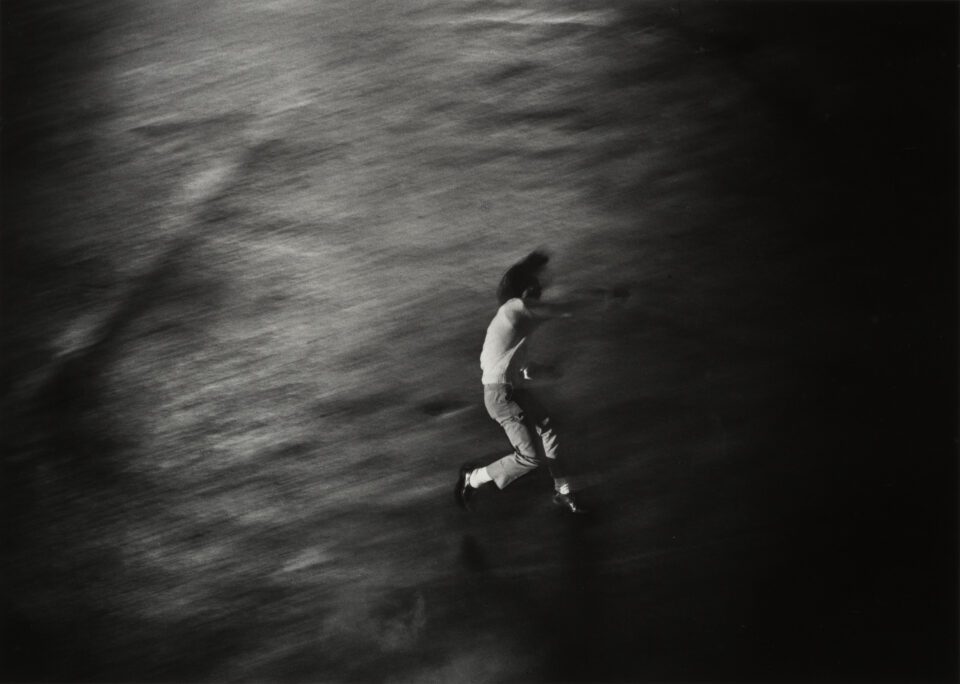
Meanwhile, Ishiuchi, Ishikawa and Tokiwa focused on how the occupation shaped women’s lives, recording their own circumstances as well as those of the friends and family around them. Tokiwa documented the working lives of women in Yokohama, while Ishiuchi turned her lens to the buildings that housed the bars and establishments serving American military. In Okinawa, Ishikawa pictured the bars and their patrons from an insider’s perspective. The exhibition includes rare vintage prints from her Red Flowers series; some of which can no longer be reproduced because she later destroyed the negatives. Yamashiro, part of a younger generation of Okinawan artists, carries these concerns into the present. Working with island communities, she stages surreal narratives drawn from oral histories.
A unique touchpoint of this show is its focus on print publications. As society adjusted to new realities after the war, monthly photography magazine and photobooks flourished, and the visual essays they published helped readers navigate a nation in rapid change. For many of the artists on view, the book remains a medium as important as the photographic print. By the 1960s, the nation was in a “golden age” of photobook publishing. Monumental volumes like Shōmei’s 11:02 Nagasaki, which documents moving fragments of the artist’s experiences in the destroyed city, and Hosoe Eikō’s Barakei, a landmark avant-garde photobook, defined the genre for decades to come and influenced generations of artists.
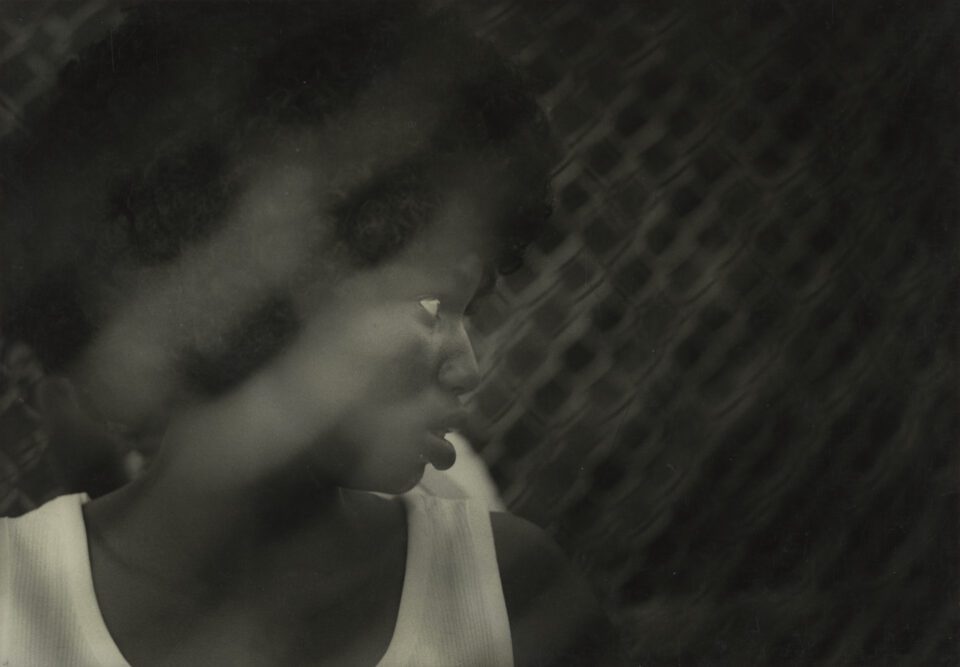
Max Hollein, The Met’s Marina Kellen French Director and CEO, says: “A Long Shadow traces how [these photographer’s] pioneering work shaped the generations that followed, from the photographers of the postwar decades to contemporary artists working in film. Together, they show how the camera, and the printed page, became a means of making sense of occupation and its lasting consequences.” His words sum up what is so impressive about this exhibition. It’s more than just a collection of works, acting as a testament to the way photography can act as a visual record of a nation in flux.
A Long Shadow: Postwar Japan Through the Lens is at Metropolitan Museum of Art from 12 November – 2 May: metmuseum.org
Words: Emma Jacob
Image Credits:
1. Tōmatsu Shōmei (Japanese, 1930–2012). Hateruma Island, 1971. Gelatin silver print. Collection of David Dechman and Michel Mecure.
2. Ishiuchi Miyako (Japanese, b. 1947) Yokosuka Story #5, from the series Yokosuka Story, 1977. Gelatin silver print. The Metropolitan Museum of Art, New York, Purchase, Eileen Cohen Gift, Alfred Stieglitz Society Gifts, and Twentieth-Century Photography Fund, 2025.
3. Tōmatsu Shōmei (Japanese, 1930–2012). Protest 1, 1969. Gelatin silver print, printed 1986. The Metropolitan Museum of Art, New York, Purchase, Harris Brisbane Dick Fund, by exchange, 2026.
4. Tōmatsu Shōmei (Japanese, 1930–2012). Untitled, 1972. Gelatin silver print. The Metropolitan Museum of Art, New York, Purchase, Vital Projects Fund Inc. Gift, through Joyce and Robert Menschel, 2023.