In 2025, the Aesthetica Art Prize and its accompanying exhibition at York Art Gallery have brought together artists who confront the pressures shaping contemporary life with urgency, imagination and care. Their work spans performance, sculpture, film, photography and immersive installation, navigating themes that range from spiritual healing and embodied perception to ecological fragility, technological acceleration and cultural memory. As the Prize and exhibition draw to a close, this article takes a closer look at the ideas that have defined an exceptional year of art and artistic experimentation.
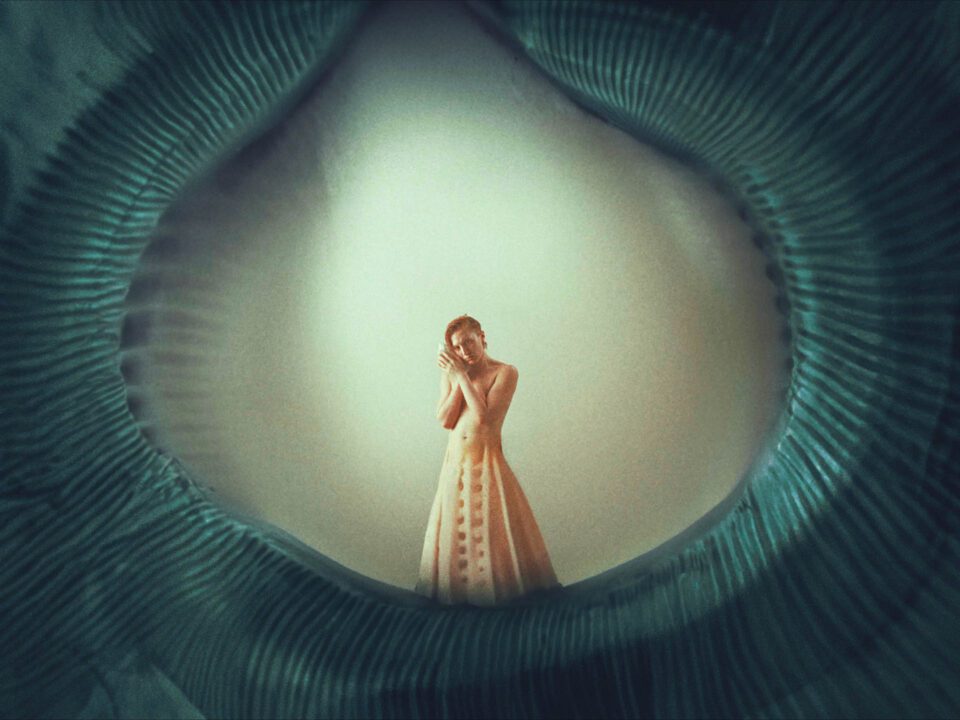
Film stands out as one of the most dynamic and compelling areas of contemporary art and our 2025 Main Prize winner works in this medium. Tobi Onabolu was named overall winner for Danse Macabre, a piece that explores spirituality, mental health and the human psyche. It combines poetry, music, archival audio and movement to represent the conscious and unconscious mind. Dancers, singers and unseen voices animate this portrait of healing and expanded awareness. Also in this category was Hussina Raja’s STATION, which traces South Asian and Caribbean heritage in London; the collaborative work Time Pops Like Chewing Gum by Adam Cain, Lois Macdonald, and Princess Arinola Adegbite, exploring AI, technology and disconnection; and Sarah Maple’s video mimicking 1980s language tapes, highlighting how a lack of communication between generations can become a painful barrier to belonging.
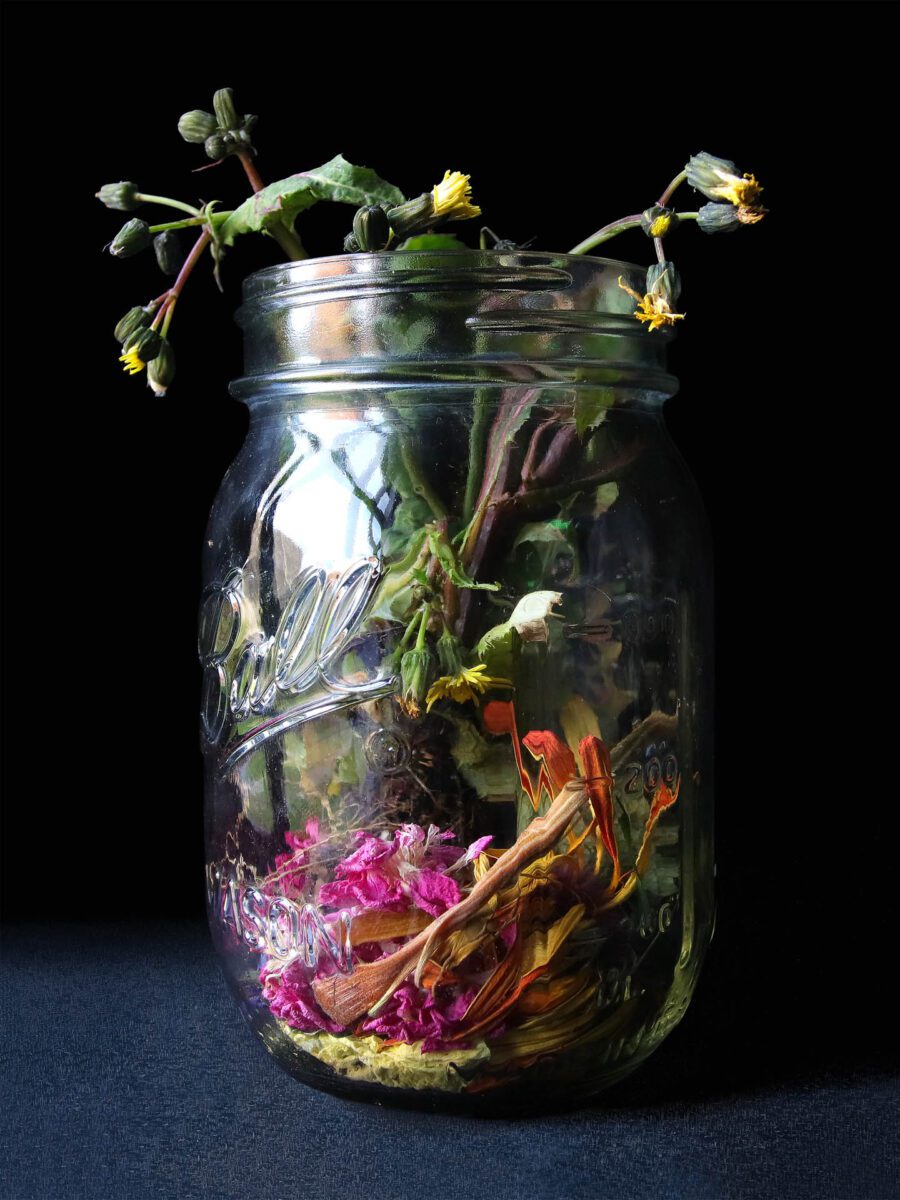
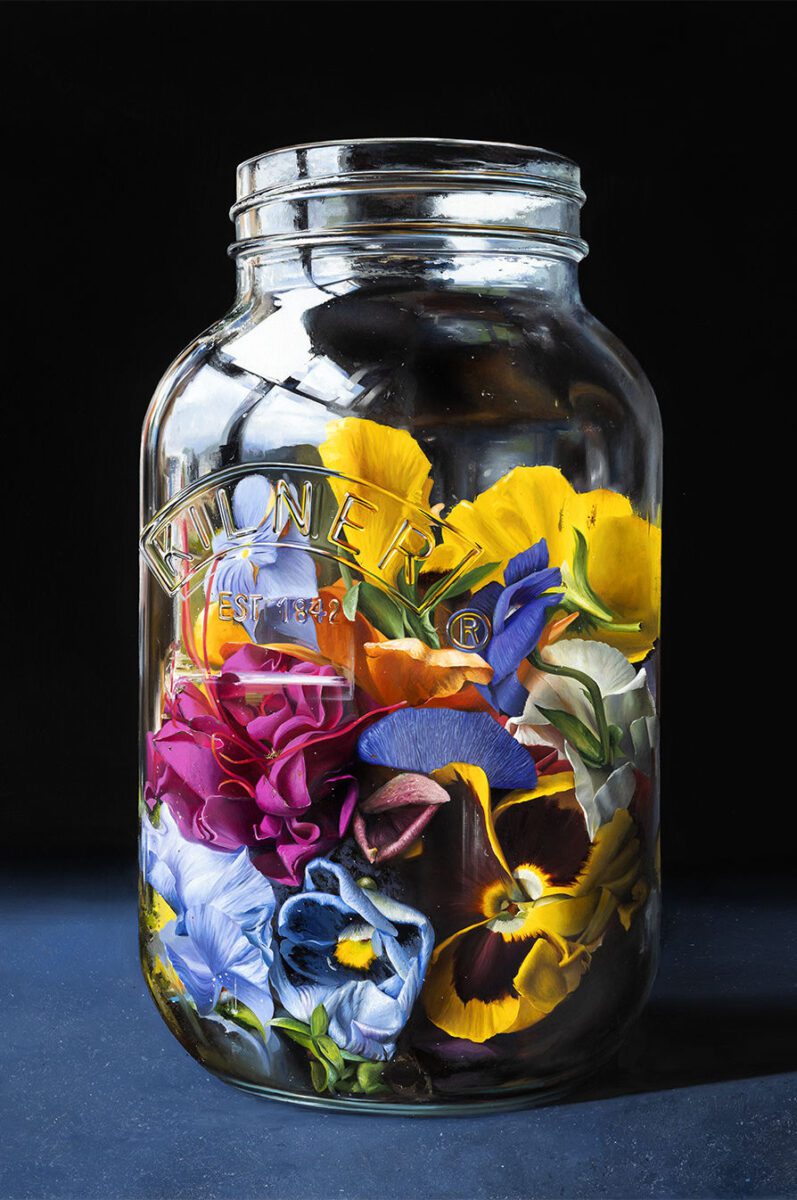
Our shortlisted painting and mixed media works foreground process, material and subject matter, using surface and texture to address lived experience. Artists draw on still life, landscape and portraiture, as well as photography, text and found materials, to explore themes of memory, heritage and environmental change. Artist Stephen Johnston’s incredible photorealist paintings capture fragile blooms suspended in jars, set against black voids. The still life represent a mediation of memory and impermanence. Johnston’s refined technique draws attention to detail and transience, reminding viewers of what persists and what slips away. In mixed media, Sof transforms mosaic into a living surface. Magnetic fields, matter and light shift and respond, making each experience unique. Geo 1 asks audiences to consider themselves as part of the work – both observer and performer – as time, touch and energy shape the final form.
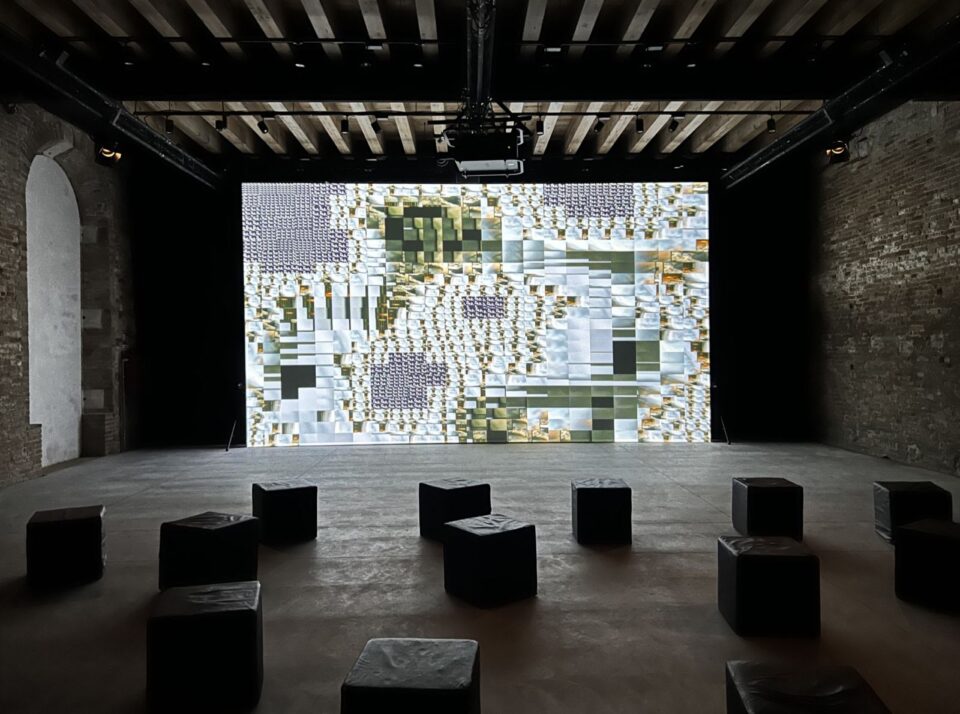
This year, Digital art emerged as a vital thread across the Prize, reflecting how technology increasingly shapes perception, labour and intimacy. Bart Nelissen’s Datascapes examines how humans innately try to translate chaos into order. The artist reduces digital cloudscapes into geometric fragments – squares pulled from larger images, each representing a bit of data. Intersecting image layers transform data into information, revealing hidden patterns. The work addresses the overwhelming accumulation of digital data and our collective effort to extract meaning from it. Meanwhile, Brendan Dawes was shortlisted for Nothing Can Ever Be The Same, a 168-hour real-time generative film made alongside filmmaker Gary Hustwit. Using bespoke generative technology developed for the Academy Award-shortlisted documentary Eno, the film continuously evolves, ensuring no two versions are ever alike.
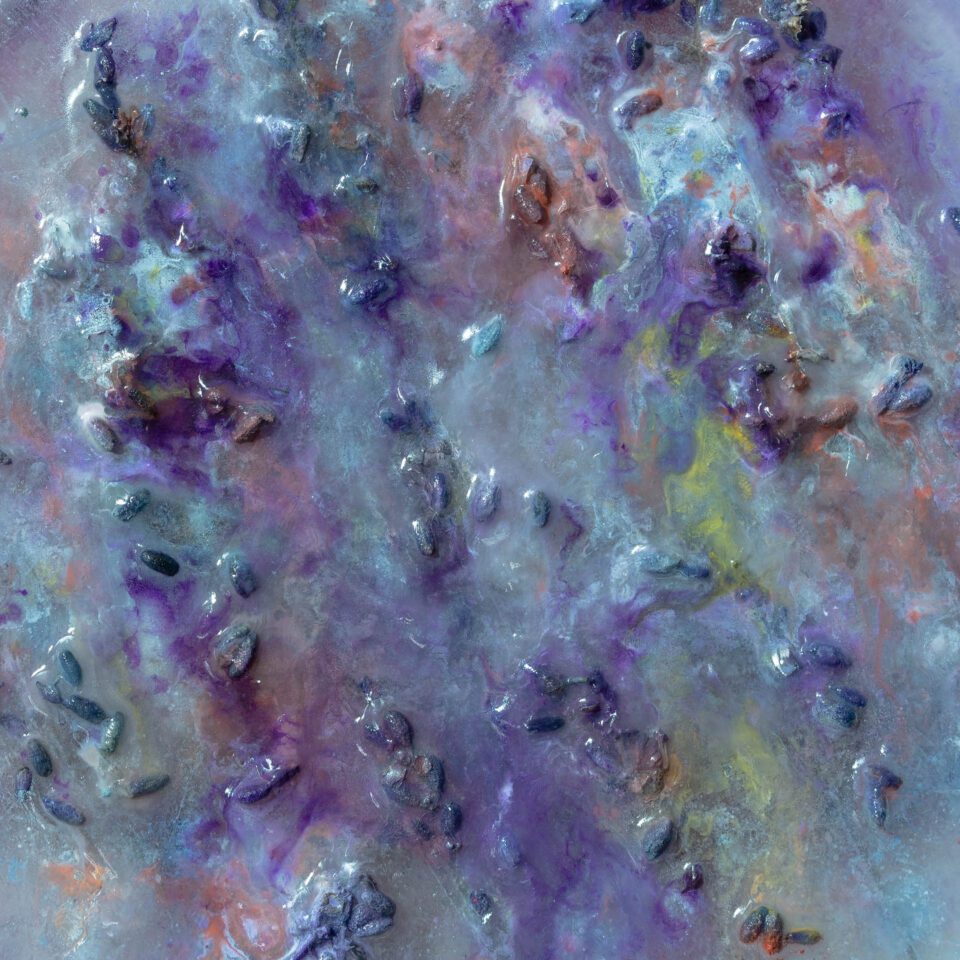
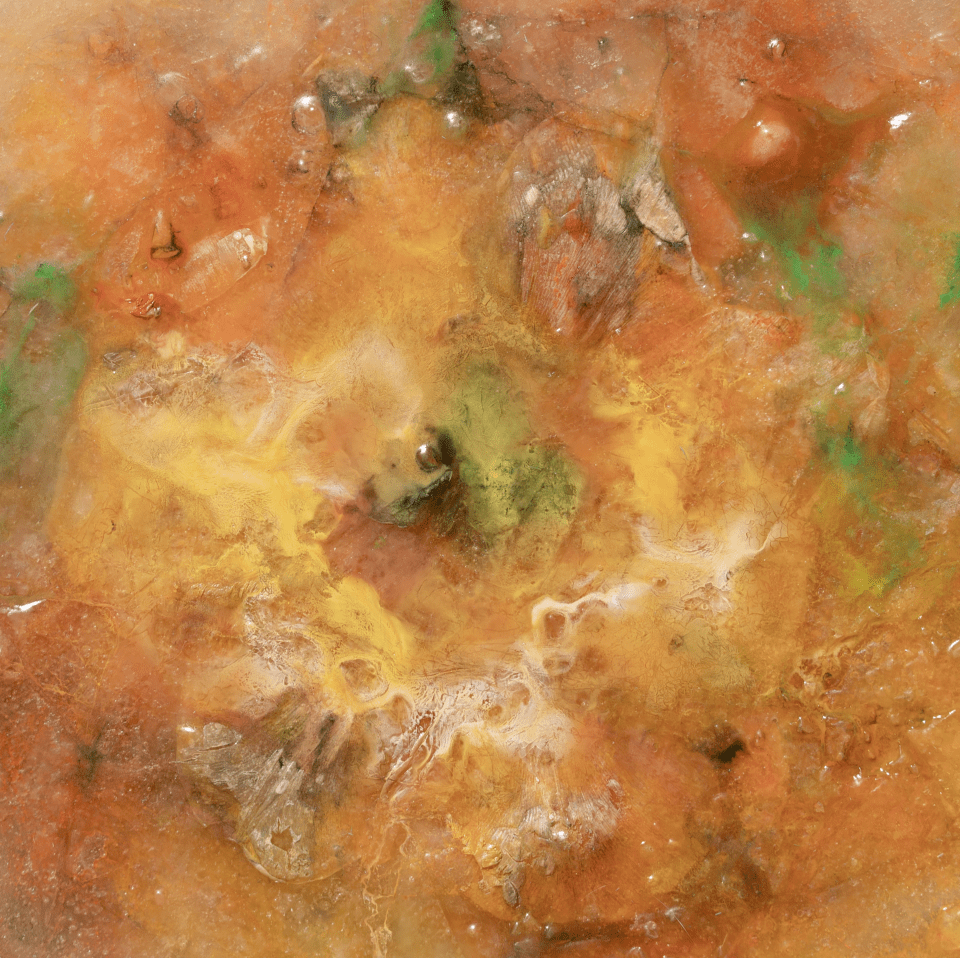
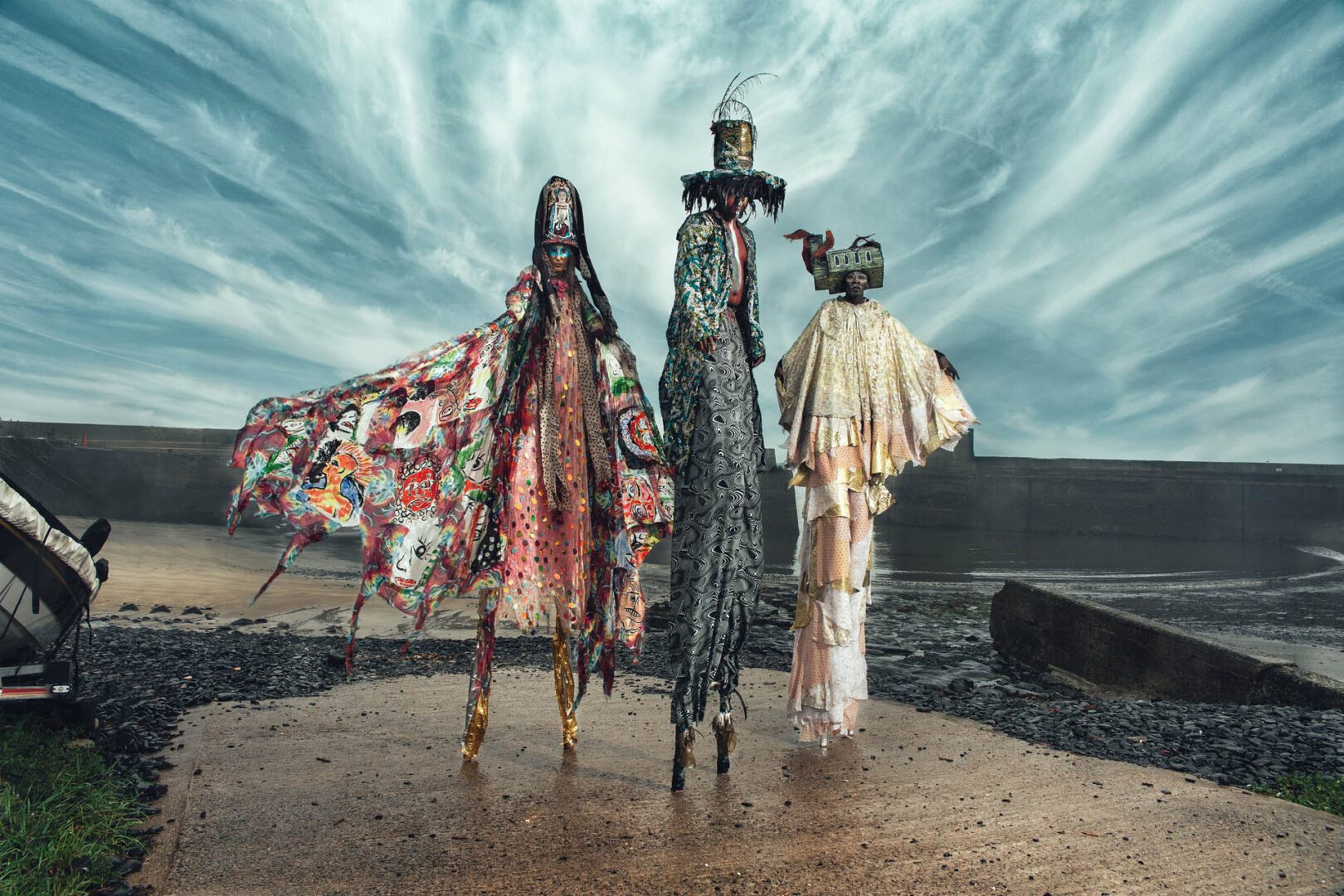
An every-popular aspect of the Prize, this year’s shortlisted photographers turned the camera towards landscapes shaped by environmental change, communities marked by migration and labour, and bodies historically misrepresented or overlooked. Àsìkò examines migration and cultural memory in New World Giants, whilst Joanne Coates’ multi-part installation The Object, Pen with Tattoo, The Portrait and The Vinyl reflects on working-class landscapes in rural England. Ellie Davies, Michelle Blancke and Liz Miller Kovacs respond to ecological fragility and the evolving relationship between humans and land. Sujata Setia’s moving series, A Thousand Cuts, explores patterns of domestic abuse within South Asian culture, drawing on “Lingchi” – an ancient torture methods – to reflect the soul-eroding nature of repeated harm. Survivors’ portraits are physically cut with a knife, symbolising their lived experiences.
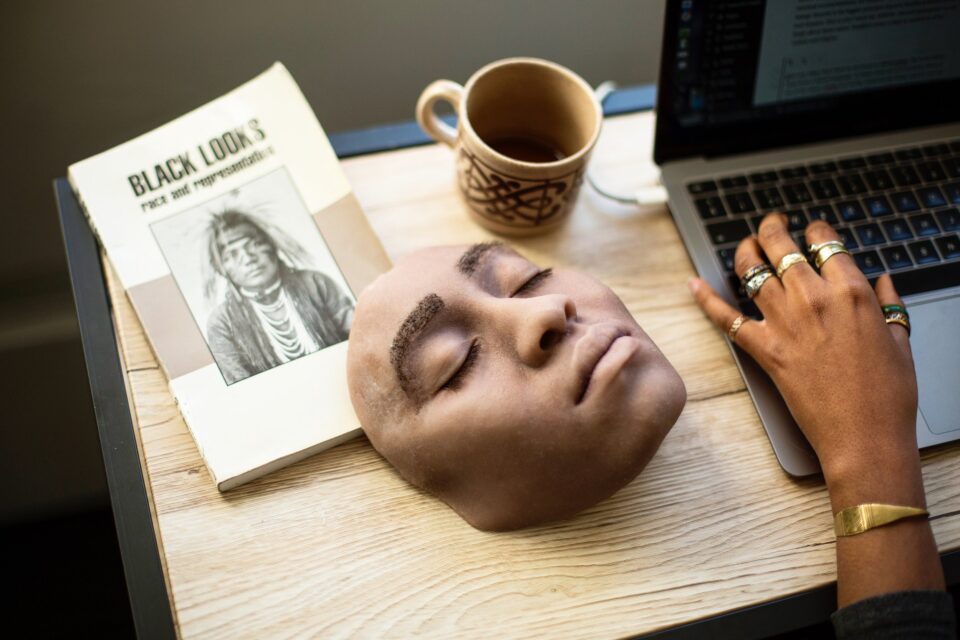
Sculpture and installation transform space itself, inviting viewers to move through, around and even interact with the work. At York Art Gallery, our shortlisted artists created moments of engagement and reflecting, taking art off the walls to challenge assumptions about form and presence. Rayvenn Shaleigha D’Clark challenges historical portrayals of Black anatomy by reconstructing the Black body with precision and dignity. Her silicone sculpture emerges from a three-month process dedicated to capturing anatomical detail, nuance and presence. This year’s Emerging Prize went to Sam Metz, whose sculpture Porosity reflects their sensory experience of the Humber Estuary. Bright yellow structures echo how they see the water’s reflection through ocular albinism, a genetic eye condition that causes visual differences.
The Aesthetica Art Prize is Open for Entries. Win £10,000 & Exhibition. Submit Your Work.