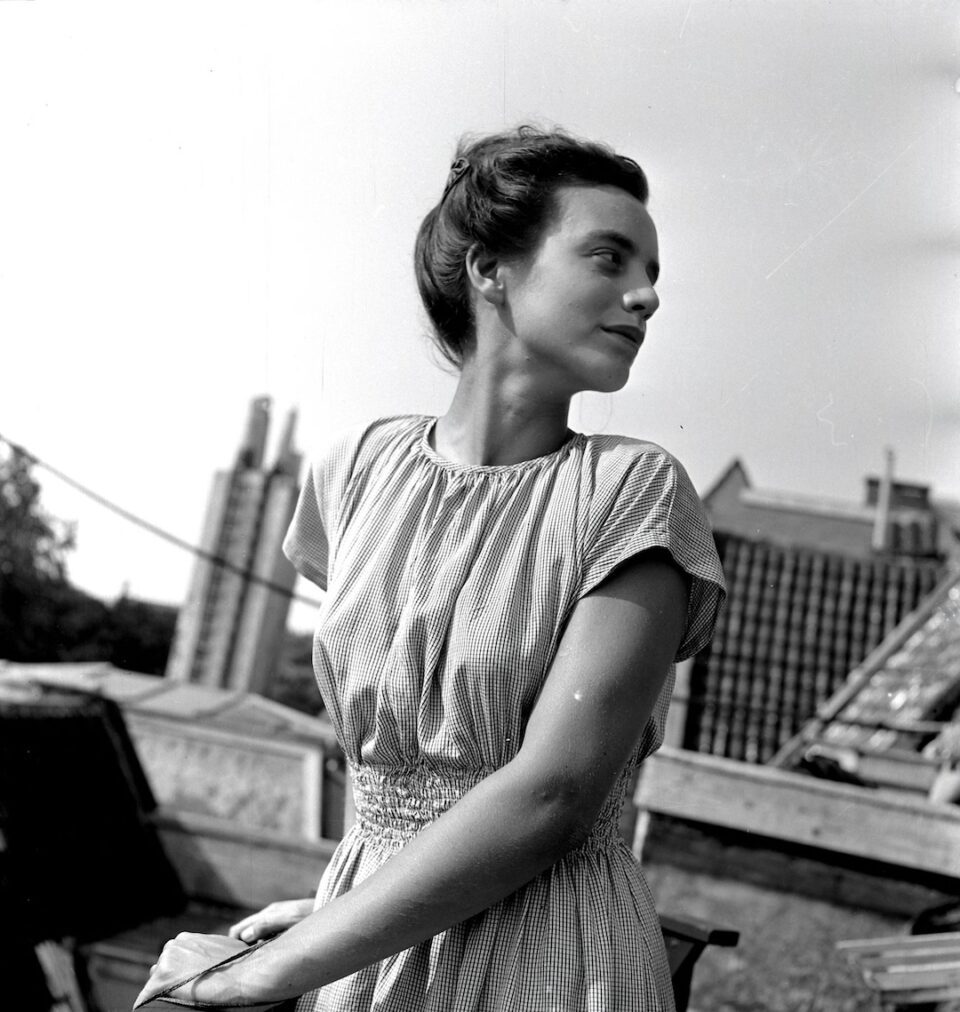
In 2003, Nederlands Fotomuseum received several suitcases containing thousands of negatives, slides, contact prints and documents. They belonged to Violette Cornelius (1919-1998), one of the first women of her generation to become a professional photographer. Whilst Cornelius was a respected figure within the Netherlands during the 20th century, having established herself in architectural and reportage circles, this donation – made by her son – shed a whole new light on her prolific career. “We were astounded at the scale and quality of the work we encountered, for which no place had yet been reserved in the canon of Dutch photography,” says Curator Loes van Harrevelt. Now, the museum seeks to redress the balance, finally giving this overlooked trailblazer the attention she deserves. This winter, Violette Cornelius Rediscovered opens in Rotterdam. The show is the culmination of an extensive study of her life and work, featuring over 200 pieces and coinciding with the publication of her first-ever monograph.
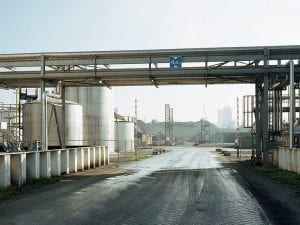
Cornelius was born in Jakarta but trained at the Nieuwe Kunstschool art college in Amsterdam, growing up amidst a mix of cultures. It was in the Netherlands that she discovered the Bauhaus and its ideas, becoming part of a network of graphic designers and visual artists based in the city. During WWII, Cornelius was an active member of the artists’ resistance, helping to produce forged identity documents. Her documentation of this period is now listed in UNESCO Nederland’s Memory of the World register. After the war, as a member of the GKf photographers’ association, Cornelius made pictures of buildings alongside photojournalism for influential books. The publication Letter op straat (1956) was one of the highlights of her career, exploring urban typography and street lettering, whilst her reportage on displaced Hungarian people and the Hoogovens steelworks in IJmuiden made her a well-known name.
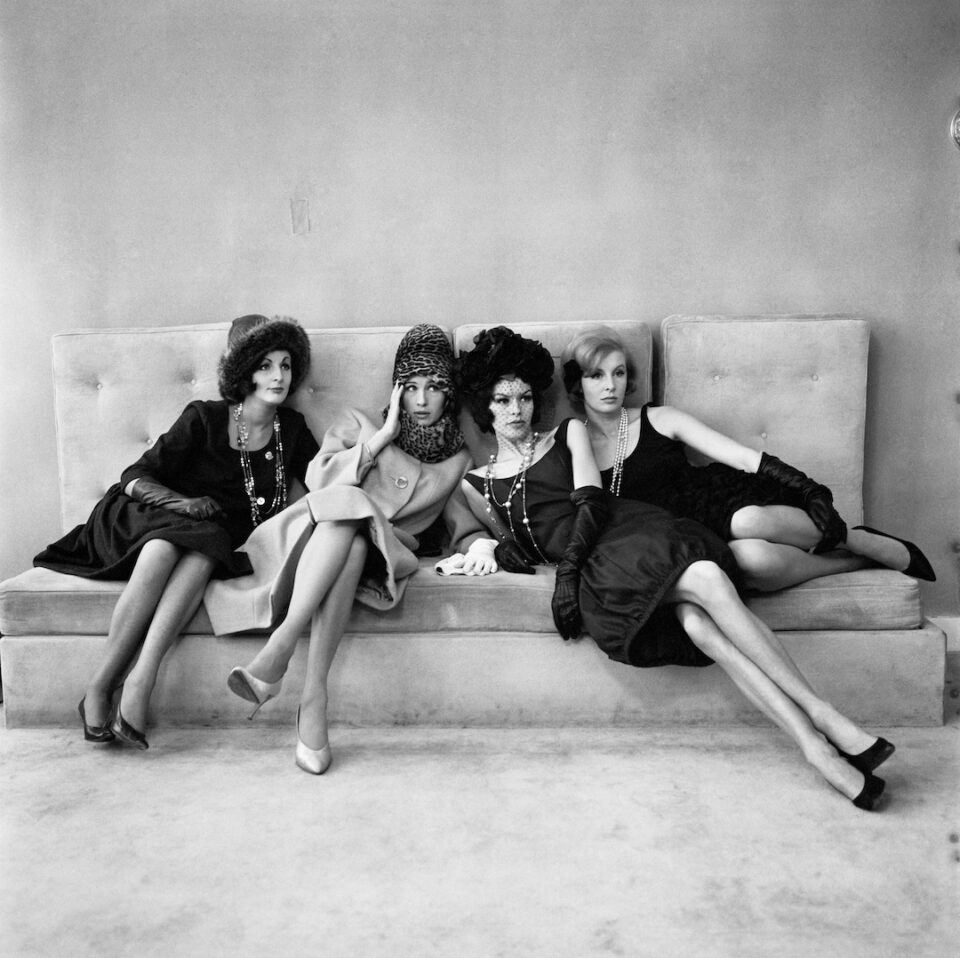
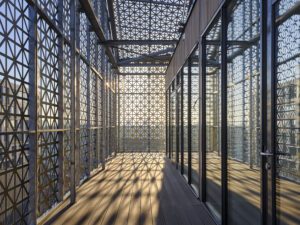
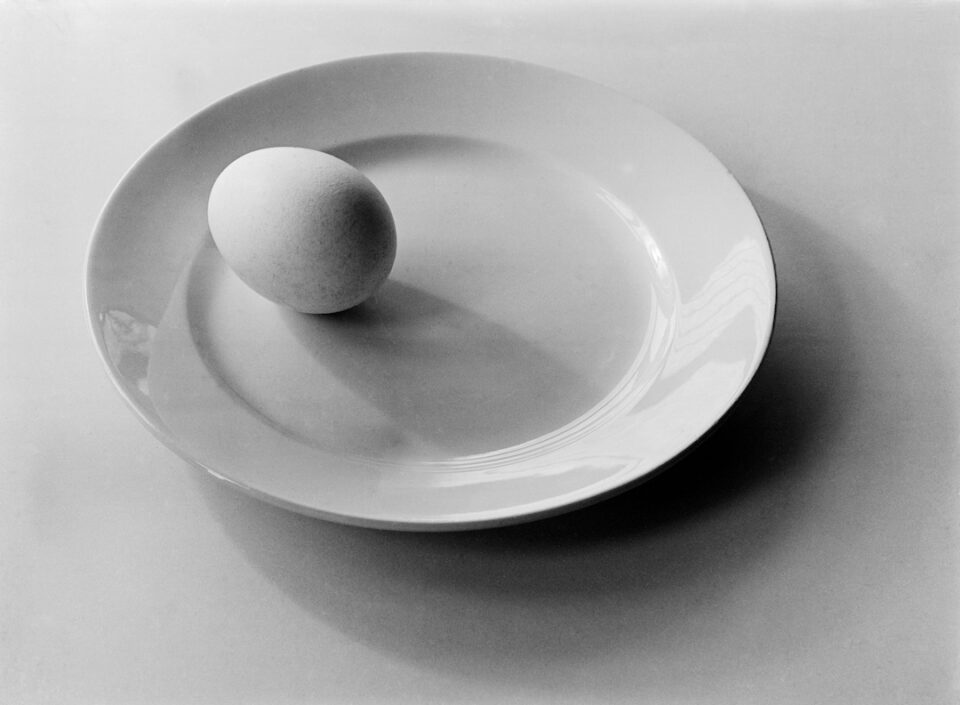
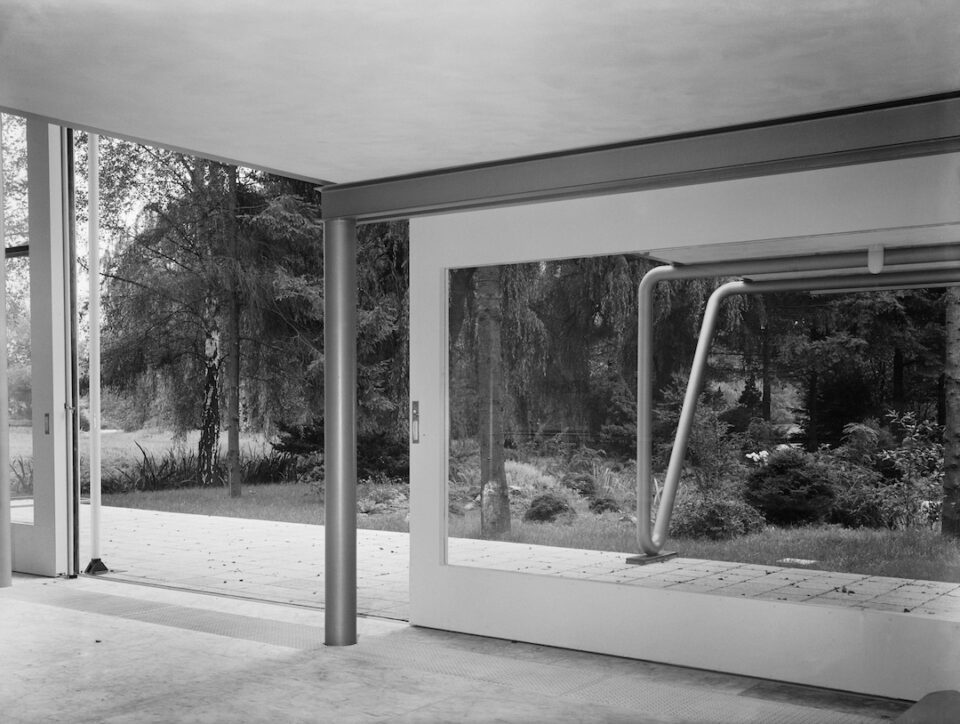
In 1964, Cornelius began to travel the world. She journeyed to the Tellem caves in Mali with her Leica camera, and recorded the social impact of rapid urbanisation across India, Iraq, Peru and Yemen in both black-and-white and colour. These international assignments were almost entirely overlooked for many years, but now form a focal point of the presentation at Nederlands Fotomuseum. They are displayed alongside prints that demonstrate her mastery of different genres, from still life studies made at Nieuwe Kunstschool – including a standout depiction of an egg on a plate – as well as portraits of models during a fashion show and a distinctly Bauhaus shot (think Lucia Moholy) of a private residence designed by architect Jo van den Broek in Rotterdam. Elsewhere, other images offer insights into the lives of young people in the Dutch Reformed Church, as they dance the twist and Cornelius presses the shutter.
Despite her role as a pioneer of her profession, Cornelius has not received the same recognition as her male peers. Rediscovered seeks to address this, with curator van Harrevelt delving into her archive and tracking down work that had ended up in other collections – part of Nederlands Fotomuseum’s wider goal of “preserving and studying photographic legacies and making them accessible to the public.” The exhibition draws on an archive of 40,000 black-and-white negatives, slides, vintage and contact prints, alongside documents, dummies, objects and a small library. Together, these materials offer a fuller picture of an artist whose contribution to Dutch photography has remained undervalued for far too long.
Violette Cornelius Rediscovered is at Nederlands Fotomuseum, Rotterdam, until 28 February.
Words: Eleanor Sutherland
Image Credits:
1. Emmy Andriesse, Violette Cornelius, Amsterdam,1938–1939. Special Collections, Leiden University Libraries.
2. Still life with egg on a white plate, Amsterdam, 1939. Study assignment for the Nieuwe Kunstschool. © Violette Cornelius / Nederlands Fotomuseum.
3. Models during a fashion show by designer Dick Holthaus, Amsterdam, 1961. © Violette Cornelius / Nederlands Fotomuseum.
4. Private residence designed by architect Jo van den Broek, Kralingseweg, Rotterdam, 1953. © Violette Cornelius / Nederlands Fotomuseum.