
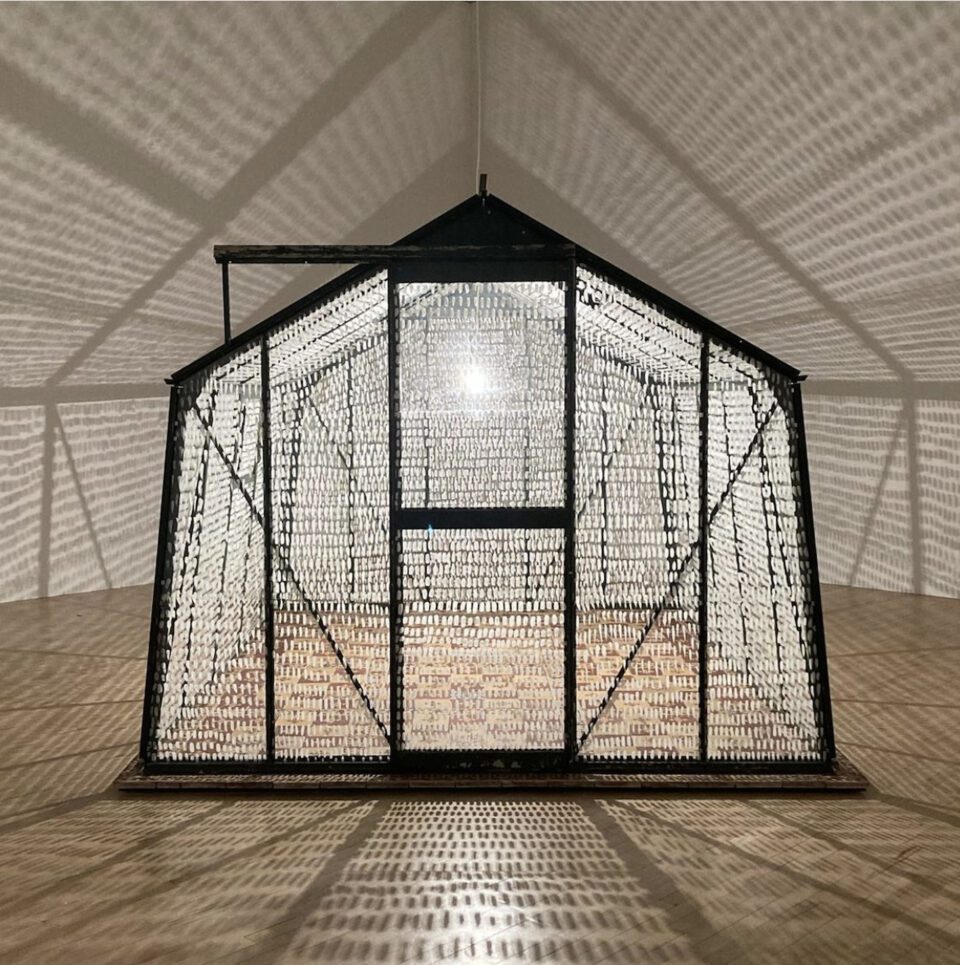
In 1977, taking contemporary sculpture out of the gallery and placing it in the grounds of a country estate was more than a change of setting. It challenged the assumptions governing where art belonged, who should encounter it and which institutions had the authority to define cultural life in Britain. Fifty years later, Yorkshire Sculpture Park (YSP) has become one of the most compelling examples of what happens when ambitious art is brought into sustained contact with the public realm. Its significance extends beyond the works installed across its 500 acres at Bretton Hall: it lies in the new relationships between artists, audiences and place that the institution has made possible. The landscape is never a neutral backdrop, nor is public access a simple matter of opening a gate. Both raise questions about ownership, representation and the stories through which places acquire meaning. YSP’s 2027 anniversary programme brings these questions into focus, looking back at five decades of artistic experimentation while considering the cultural and environmental responsibilities that will shape its future.
When Sir Peter Murray founded YSP, the proposition was radical in its simplicity. Contemporary sculpture could be encountered beyond the museum, in an environment where changing light, weather, distance and movement would become part of the experience. The Bretton Hall Estate, near Wakefield, provided a setting with an established history and a particular visual character, but the project also challenged the conventions attached to such places. Instead of treating sculpture as an object to be viewed at a prescribed distance, YSP made the visitor’s movement through the landscape central to the encounter. Works could be approached, circled, revisited and understood differently as the seasons changed. This expanded the possibilities of sculpture while changing the expectations placed on a public art institution.
The setting, however, carries its own complicated history. Bretton Hall’s designed landscape belongs to a tradition in which the picturesque was closely associated with private ownership, social status and the controlled experience of nature. Its carefully composed views and pathways were not created for unrestricted public use. YSP opened this environment to a much wider public, but access also brings an opportunity to look critically at the values embedded in the landscape. Who designed it? Whose histories have been preserved, and whose have been overlooked? Contemporary art can unsettle the apparent permanence of an estate, making its history visible rather than allowing it to remain an attractive but unexamined setting. In this sense, public access is not only about participation in culture; it is also about the right to interpret the places that shape collective identity.
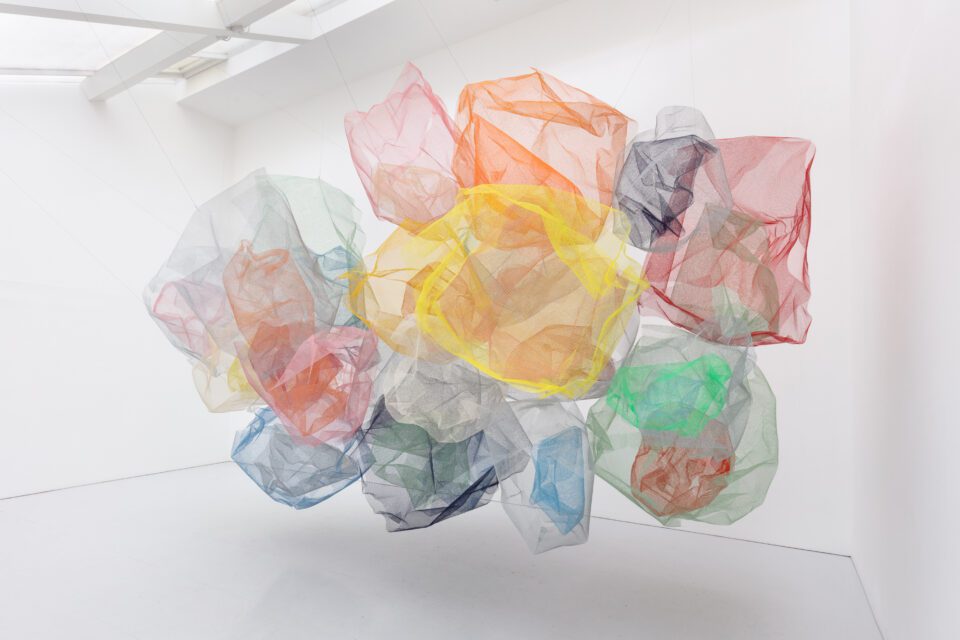
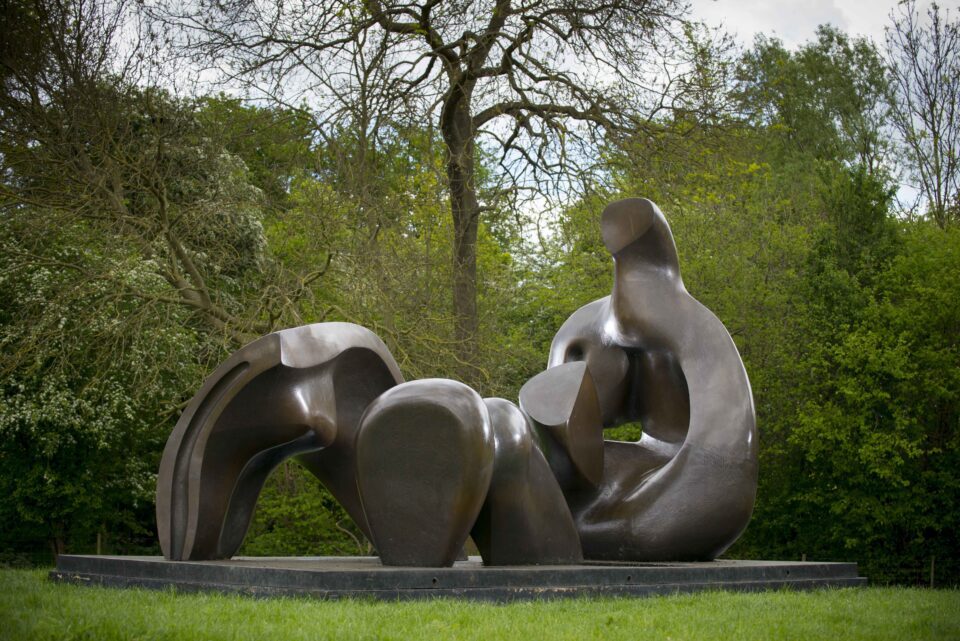
Over five decades, YSP has developed an approach in which the relationship between artwork and environment is fundamental rather than incidental. Henry Moore’s first visit in 1979 established a connection that would become central to the park’s development; he later became a founding patron. His monumental forms found a setting in which scale, mass and the human figure could be considered against the expansive geography of the estate. The presentation of Barbara Hepworth’s work for her centenary in 2003 and Isamu Noguchi’s exhibition in 2008 further explored the relationship between modernist sculpture and its surroundings. Later, Yinka Shonibare’s FABRIC-ATION (2013) brought questions of colonial history, identity and cultural representation into the park, while Ai Weiwei’s 2014 Chapel presentation connected the historic building with an artist whose practice consistently examines power, freedom and the politics of memory. These projects demonstrated that the landscape could accommodate far more than formal responses to nature. It could become a site for difficult histories.
That ambition has helped change the cultural geography of the UK. For much of the 20th century, national artistic authority was concentrated in London, with major collections, institutions and critical networks reinforcing the capital’s position. YSP developed a different kind of cultural influence from its base in West Yorkshire, attracting international artists and audiences while remaining connected to the region in which it was founded. Its presence forms part of a wider cultural ecology that includes the Henry Moore Institute in Leeds and The Hepworth Wakefield. These institutions have distinct histories, purposes and collections; their importance lies partly in the different ways they bring sculpture and modern and contemporary art into public life. Together, they challenge the assumption that significant cultural experiences must be sought in the capital. Regional cultural authority develops through sustained investment, ambitious programming, research, partnerships and relationships with local audiences. YSP’s contribution has been to make the landscape itself a major site of that cultural activity.
The anniversary exhibition Fifty, presented in the Peter Murray Gallery will turn this history towards the present. Bringing together 50 UK-based artists born since the park’s foundation, it considers the generations whose lives and practices have unfolded alongside YSP’s development. The premise is more than a chronological celebration. Since 1977, ideas of identity, community, ecology and national belonging have undergone profound change, as have the materials and languages through which artists address them. A gathering of artists from different generations can reveal how these shifts have entered contemporary practice, and how artistic perspectives have expanded beyond definitions of British art. The exhibition also raises a question central to YSP’s own history: what does it mean for a cultural institution to represent the present, and how can it make room for the voices that will define what comes next?
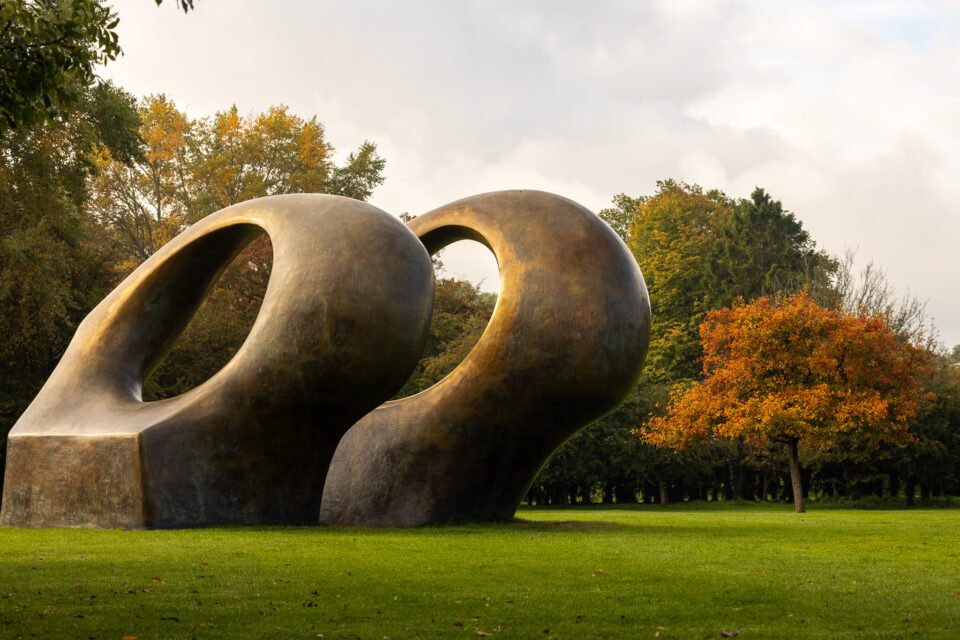
Cornelia Parker’s major exhibition, opening in late November 2027, brings a particularly sharp perspective to questions of history and collective identity. Parker’s practice begins with familiar objects and materials, then subjects them to processes that expose their hidden associations and political meanings. Magna Carta (An Embroidery), made with contributions from more than 200 people, is a striking example. The work translates a foundational document of British political history into a collaborative textile, bringing together the language of constitutional authority and the labour of individual makers. Its collective authorship complicates the idea of national history as a fixed inheritance, suggesting instead that its meaning is continually produced through different voices and experiences. Presented at YSP, the work enters a landscape shaped by its own histories of ownership and privilege. The connection is productive: both the artwork and the estate invite visitors to consider how inherited structures acquire authority.
Environmental questions take a different form in Andy Goldsworthy’s Chapel Commission. Goldsworthy’ work is grounded in close attention to natural materials and the forces that transform them. His use of earth to paint the Chapel windows will bring the changing landscape into the building through colour, light and seasonal variation. The commission draws attention to its instability and constant movement, and this is an important distinction at a time when environmental art can risk turning ecological concern into spectacle. Goldsworthy’s pieces are compelling because the materials are subject to change: weather, time and the conditions of a particular site. At YSP, this approach connects the architecture of the Chapel with the surrounding land, making the boundary between built environment and natural world feel permeable.
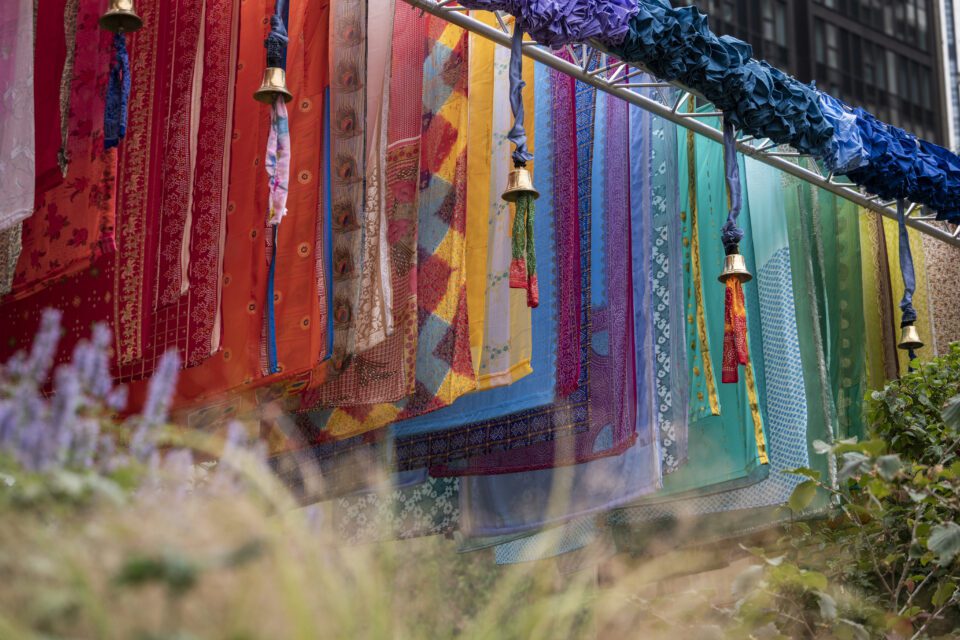
Other anniversary projects extend the discussion of material, space and public experience. John Chamberlain’s works, presented in The Weston and outdoors from 26 March to 5 September, bring the compressed energy of his metal sculptures into dialogue with the architecture and open spaces of the park. His use of industrial materials gives sculpture a physical intensity that complicates any easy distinction between the natural and the manufactured. From June, bronzes by Henry Moore will return to the Country Park, recalling the artist’s formative relationship with YSP and the role his support played in its early development. Saroj Patel’s Dancers in the Wind, arriving in July, introduces movement and bodily presence into the landscape, while the National Art Education Association project, beginning in September, connects the anniversary with a longer history of art education and public learning. Lucy Young’s residency and presentations by Matt Johnson, Penfold Press and Kate Jenkins add further dimensions to a programme that moves between established practices and new forms of artistic enquiry.
The return of YSI from July to November 2027 extends this enquiry across West Yorkshire. Working with partners including the Henry Moore Institute, Leeds Art Gallery and The Hepworth Wakefield, the initiative connects different cultural spaces and audiences through a regional programme. Its importance lies in the possibility of making cultural participation less dependent on a single destination, allowing artistic encounters to develop across towns, cities and institutions. Such collaboration also challenges the idea that regional culture should be understood as a collection of individual attractions competing for attention. A stronger model emerges when institutions share knowledge, resources and audiences, creating a cultural network with its own intellectual character. For YSP, whose identity has always been shaped by its location, this wider reach reinforces the relationship between international artistic practice and the communities, histories and places of West Yorkshire.
The anniversary also arrives at a moment when the meaning of landscape is changing. Climate breakdown has made the relationship between human activity and the natural environment an urgent political and cultural concern. Historic estates, public parks and rural settings can no longer be viewed solely through the language of beauty, leisure or heritage; they are also places shaped by land management, ecological pressures and competing claims on resources. YSP is particularly well placed to explore these tensions because its programme has long brought artistic practice into contact with the physical conditions of the site. Sculpture can register the passage of time, expose the impact of industrial materials, question the idealisation of nature or draw attention to forms of environmental change that are difficult to comprehend.
There is, too, a continuing question about what public art institutions owe the places in which they operate. Visitor numbers and international recognition are important measures of reach, but they cannot alone describe cultural value. A meaningful institution must also consider who feels welcome, whose experiences inform its programme and how its work connects with the everyday lives of people beyond its immediate audience. YSP’s history provides a strong foundation for that conversation. Its location outside a major metropolitan centre has helped broaden access to internationally significant art, while its partnerships and educational projects extend that ambition beyond the experience of a single visit. The next stage will depend on how successfully it continues to connect global artistic debate with local knowledge.
Fifty years after its foundation, Yorkshire Sculpture Park is much more than an alternative venue for sculpture. It has helped establish the landscape as a place for serious artistic and critical engagement, widened the geography of cultural authority and changed expectations about how audiences encounter contemporary art. Its anniversary programme is strongest when understood through these achievements and the questions they leave open. Parker’s exploration of collective authorship, Goldsworthy’s attention to environmental change, Chamberlain’s engagement with industrial material and the wider network of regional partnerships all speak to an institution whose history is inseparable from the world around it. YSP’s future will be measured not only by the artists it presents or the works it commissions, but by its capacity to keep the landscape open to new interpretations and new voices. The achievement of the first 50 years is that a place once associated with the privileges of an historic estate has become a setting for shared cultural experience. The challenge now is to make that experience ever more expansive, relevant and responsive to the people and environments that will shape the next half-century.
Find out more about the Yorkshire Sculpture Park 2027 programme: ysp.org.uk
Words: Shirley Stevenson
Image Credits:
1. Cornelia Parker, Island, 2022. Courtesy the artist and Frith Street Gallery London. Photo Caroline Smith. © Cornelia-Parker.
2. Rana Begum, No.1048 Mesh, 2022. Courtesy the artist and Kate MacGarry. Photo Angus Mill. © Rana Begum and Tia Collection.
3. Henry Moore, Three Piece Reclining Figure Draped, 1975. Courtesy Henry Moore Foundation. Photo © Jonty Wilde.
4. Saroj Patel, Dancers in the Wind 2026. Courtesy the artist. Photo © Sean Pollock.
5. Henry Moore, Double Oval, 1966. Courtesy Henry Moore Foundation. Photo © Rob Hill.


