In her influential 1913 essay, Imogen Cunningham famously wrote: “Photography is not a better profession for a woman or for a man, it is simply a profession.” Great Women Photographers, a new book from Phaidon, builds on the legacy of this statement, celebrating more than 250 figures who have shaped genres such as art, fashion, landscape, portraiture, photomontage and photojournalism. It follows a recent flurry of exhibitions and publications championing female-identifying creatives, as exemplified by the success of Katy Hessel’s bestseller The Story of Art Without Men (2022), which asked: “How many women artists do you know?” and Japanese Women Photographers: From 1950s to Now, which recently finished its run at The Photographers’ Gallery in London. These are just two of many initiatives designed to redress the balance.
Phaidon’s book grapples with a big question: what makes something – or someone – “great”? In the introduction, Curator Fiona Rogers surveys the history of greatness – arguing that, in the arts, it has become “a product of memory and memorialization … reinforced by the biases of critics, historian cultural gatekeepers.” Rogers then asks: “what are the consequences when those victors have overwhelmingly been men?” It’s a powerful proposition that recalls Linda Nochlin’s seminal 1971 essay, Why Have There Been No Great Women Artists?, as well as the work of the Guerrilla Girls, the anonymous collective whose interventions challenge the art world’s gender inequalities. Their statements include “These critics don’t write enough about women artists”, “These galleries show no more than 10% women artists or none at all” and perhaps their most famous question: “Do women have to be naked to get into the Met. Museum?”
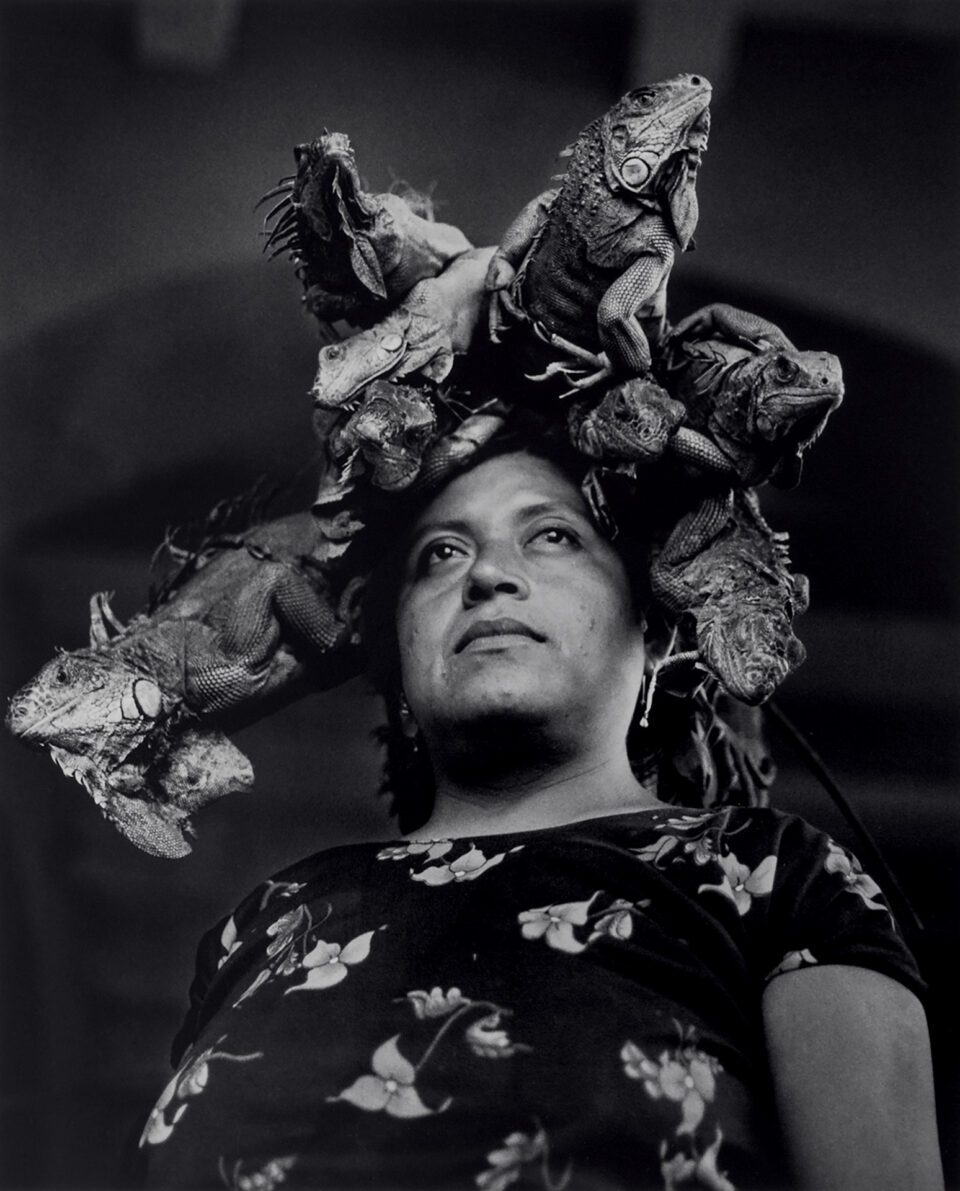
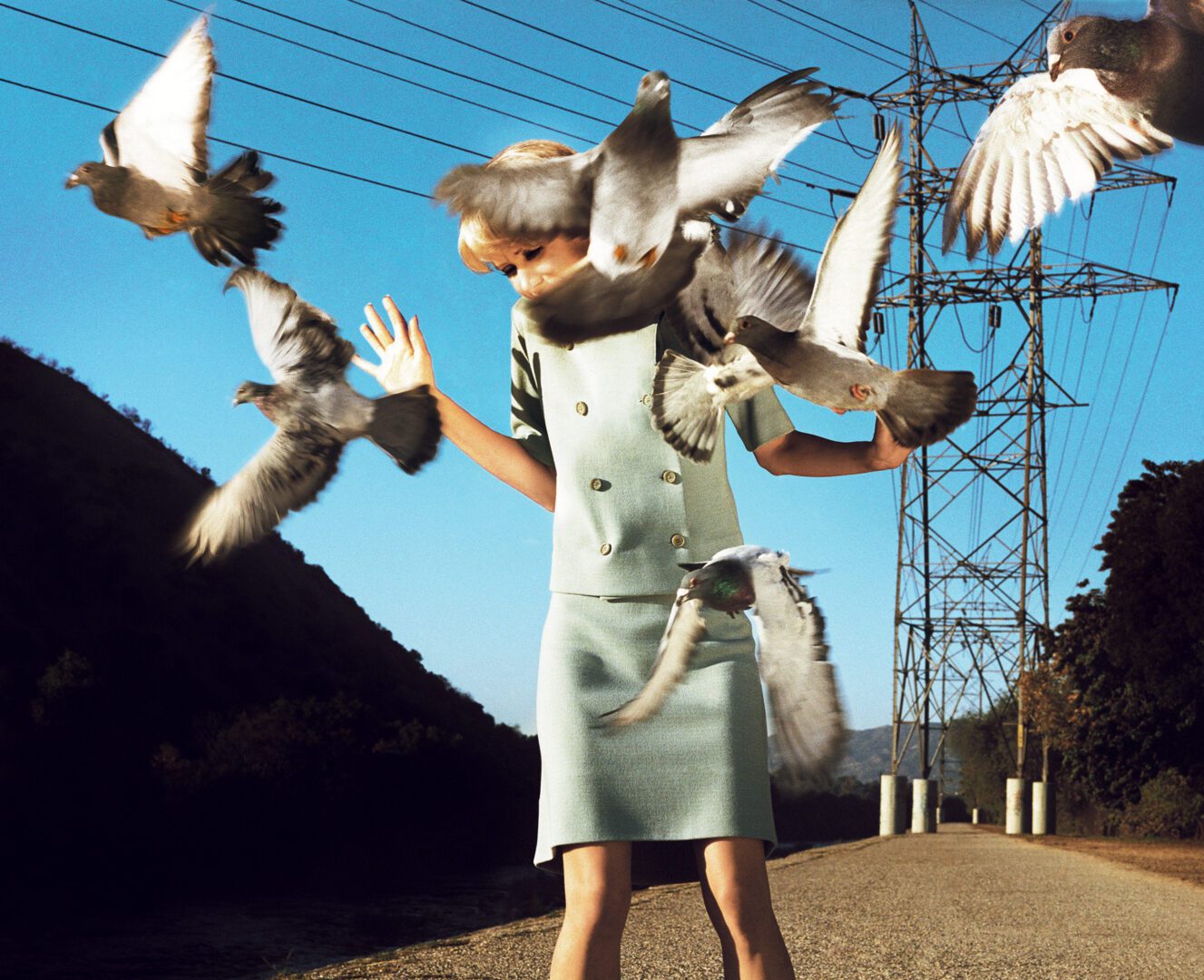
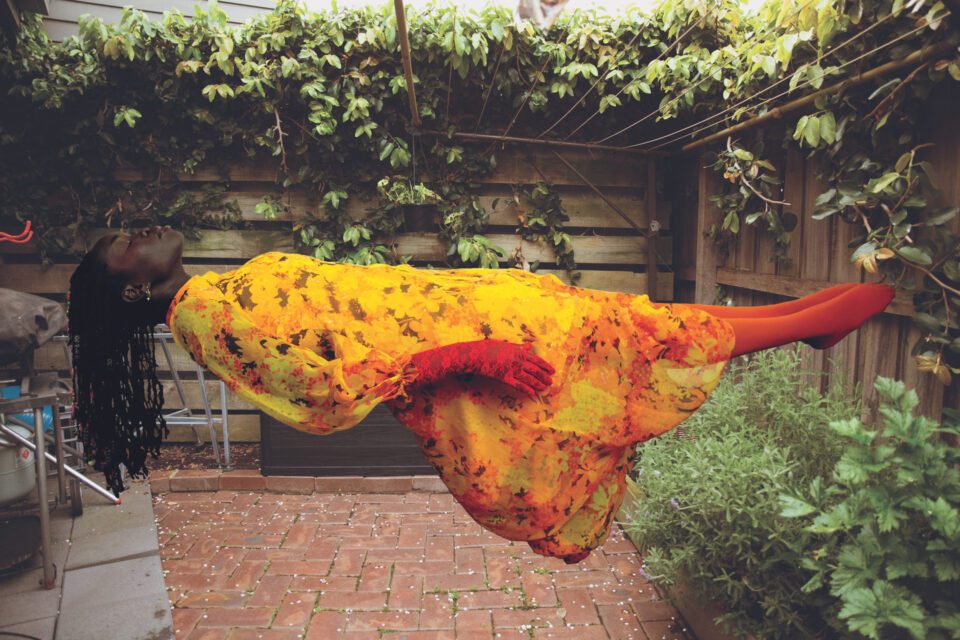
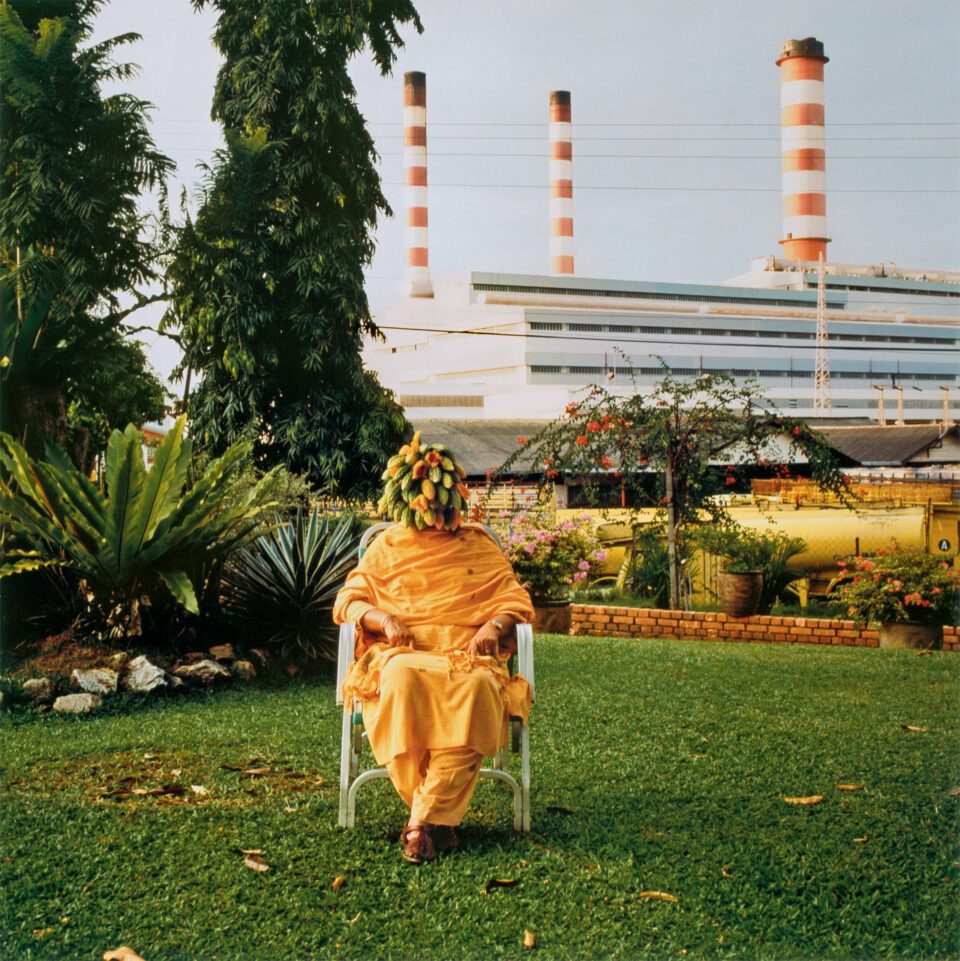
The pages that follow are organised as an A-Z, opening with Felicia Abban, the first professional woman photographer in 1950s Ghana, and closing with Maryam Zandi, who is known for making images during the Iranian Revolution (1978-1979). There are entries on Anna Atkins, who created the earliest photobook in 1843, as well as Claudia Andujar, the Brazilian activist who’s known for her tireless work documenting and supporting the Yanomami people. Alex Prager contributes a cinematic staged scene, whilst Atong Atem pays homage to West African studio photography of the 1960s and 1970s. Graciela Iturbide’s portrait, Nuestra Señora de las Iguanas (Our Lady of the Iguanas) (1979), represents the artist’s interest in Mexican cultural traditions, whilst Simryn Gill’s portraits are taken in and around her hometown of Port Dickson, Malaysia. A truly expansive range of approaches, backgrounds and time periods is represented here.
The list of talent in Great Women Photographers is extensive, featuring further recognisable names including Berenice Abbott, Cindy Sherman, Deana Lawson, Dorothea Lange, Hilla Becher, Louise Dahl-Wolfe, Liz Johnson Artur, Nan Goldin, Shirin Neshat and more. Yet it is by no means exhaustive – that would be an impossible task. In 2026, collections such as these still play a key role in bringing the work of women creatives to wider audiences and giving them the platform they so rightly deserve. As Rogers concludes: “Women’s work continues to be commercially undervalued and underrepresented in collections, publications and public narratives. Initiatives dedicated to women’s work therefore remain necessary.”
Great Women Photographers is published by Phaidon.
Words: Eleanor Sutherland
Image Credits:
1. Alex Prager, Eve, 2008. Picture credit: © Alex Prager. Courtesy Alex Prager Studio and Lehmann Maupin, New York, Seoul, and London (page 208) Chromogenic print, 36 x 45 in. (91.4 x 114.3 cm).
2. Atong Atem, Our Neighbor Was a Witch, 2022. Picture credit: © and courtesy the artist and MARS Gallery (page 37) Ilford smooth pearl print, 39 3/8 x 59 1/16 in. (100 x 150 cm), edition of 3.
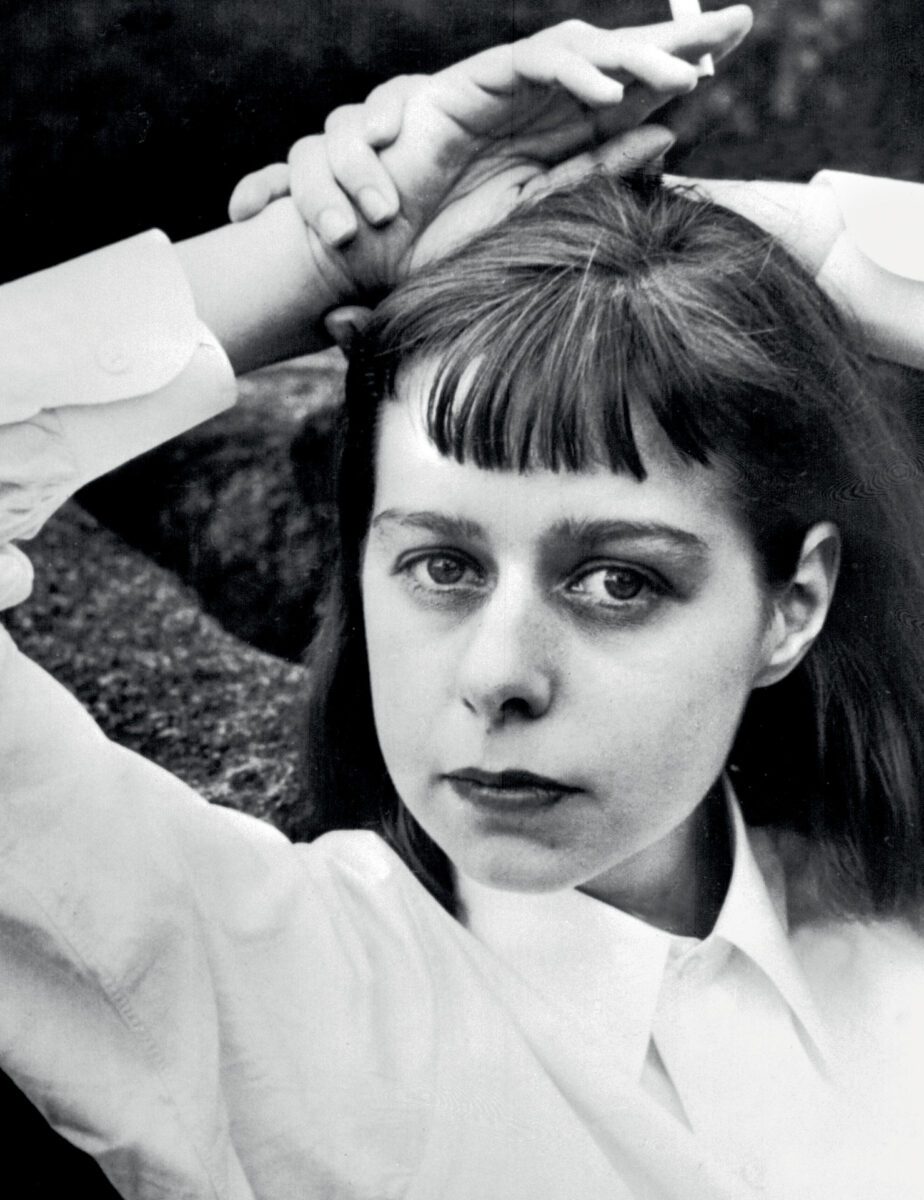
3. Louise Dahl-Wolfe, Carson McCullers, 1940. Picture credit: © the artist / Smith Archive / Alamy (page 82) Gelatin silver print, 14 x 11 in. (35.6 x 27.9 cm).
4. Graciela Iturbide, Nuestra Señora de las Iguanas (Our Lady of the Iguanas) Juchitán, Oaxaca, 1979. Picture credit: © and courtesy the artist (page 143) Photograph, variable dimensions.
5. Simryn Gill, from the series A Small Town at the Turn of the Century, 1999–2000. Picture credit: Courtesy the artist © Simryn Gill. (page 118) Chromogenic print, 36 x 36 in. (91.4 x 91.4 cm).