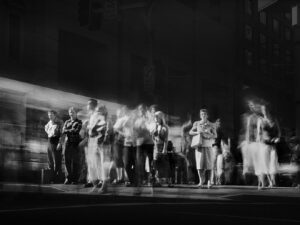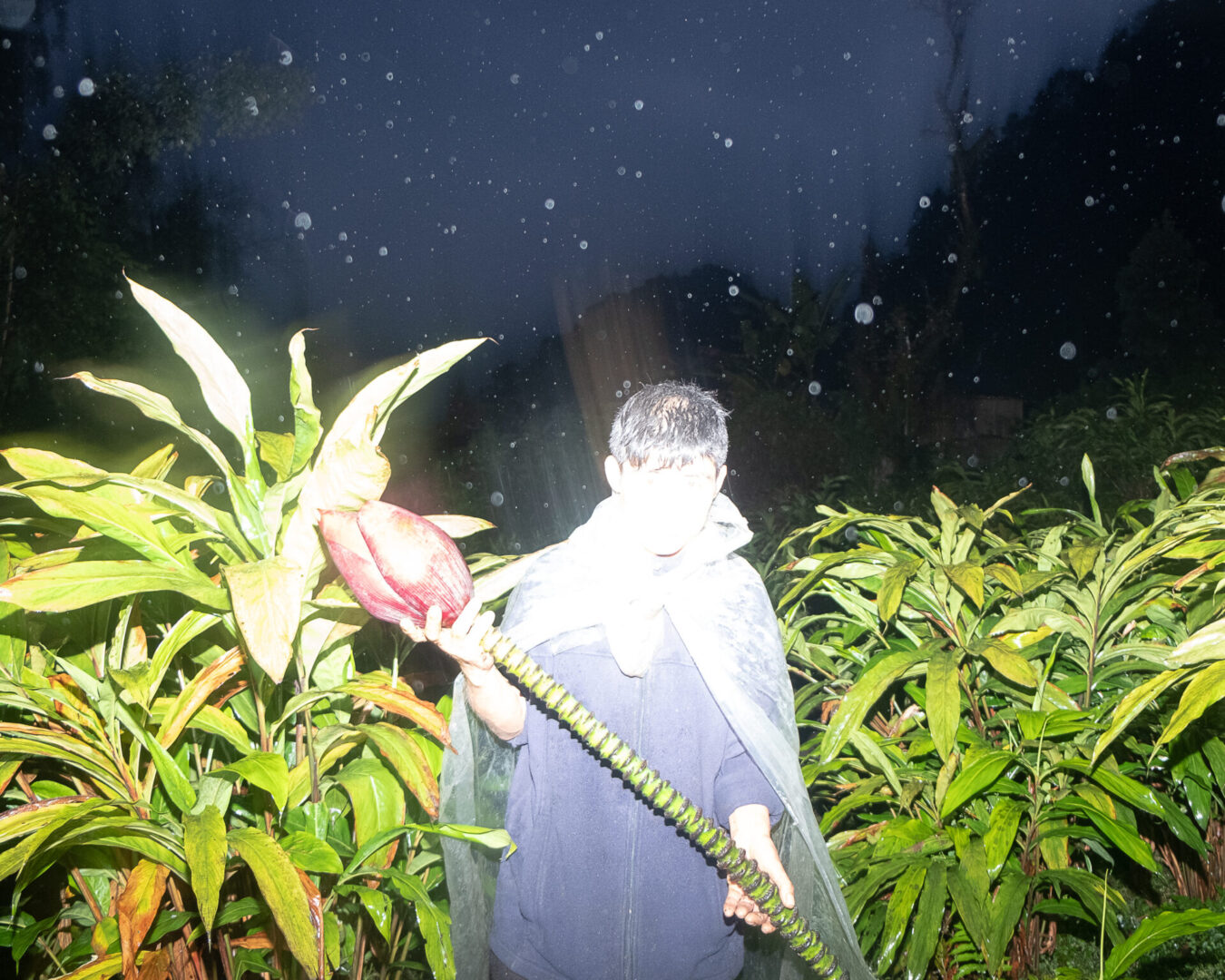
Bristol Photo Festival, the international biennial of contemporary photography, has announced the full exhibition programme for its third edition, Time Machine. Opening this autumn, the Festival introduces 16 major exhibitions and a landmark historical exhibition across Bristol’s leading museums, galleries, historic buildings and independent spaces. Drawing on the success of its second edition, which attracted over 115,000 visitors, it brings together internationally acclaimed artists alongside significant voices from the UK and beyond. Across photography, moving image, archives and installation, the featured artists consider how histories persist within the present, how memories shape contemporary experience and how culture can help imagining alternative futures. We spotlight five shows as part of this year’s programme.
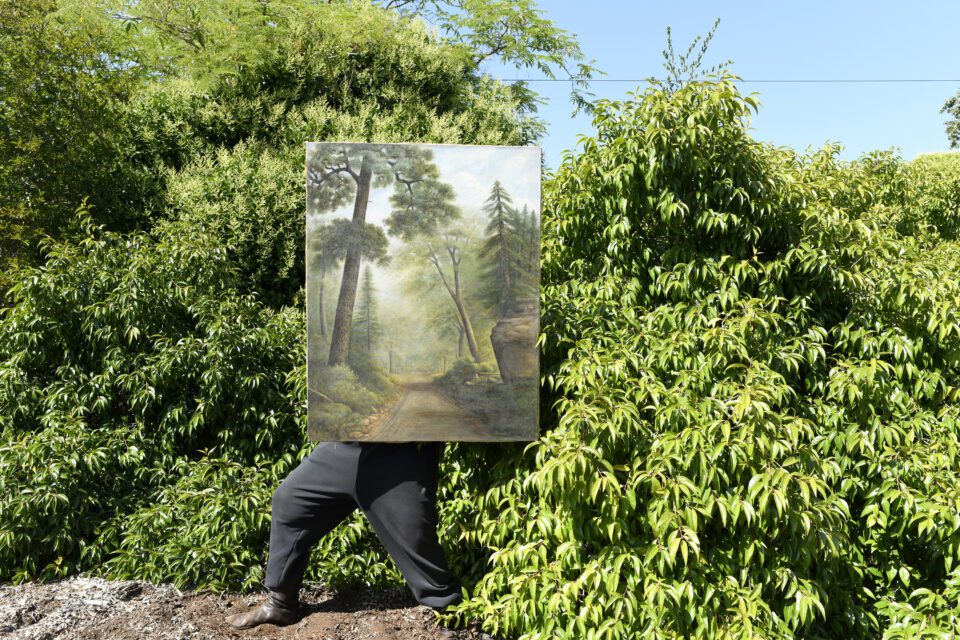
Inherited featuring Yuko Edwards and Kelly O’Brien
KIT FORM | 16 October – 17 November
This show brings together the work of two local artists, Yuko Edwards and Kelly O’Brien, both of whom explore what is valued, inherited and made visible within family histories. O’Brien’s No Rest for the Wicked explores the cycle of labour endured by poor and working-class women across three generations, and the knowledge that is passed within these communities. Meanwhile, Edwards’ What You See in my Face uses archival and new images to look within a blended interracial family and the rupture that happens when a combined family structure then comes apart in the end of a generation in light of race and class lines. Both practices reveal inheritance as something more complex than property or bloodline: it is also a selective and uneven transmission of memory, work, resilience and unequal social value.
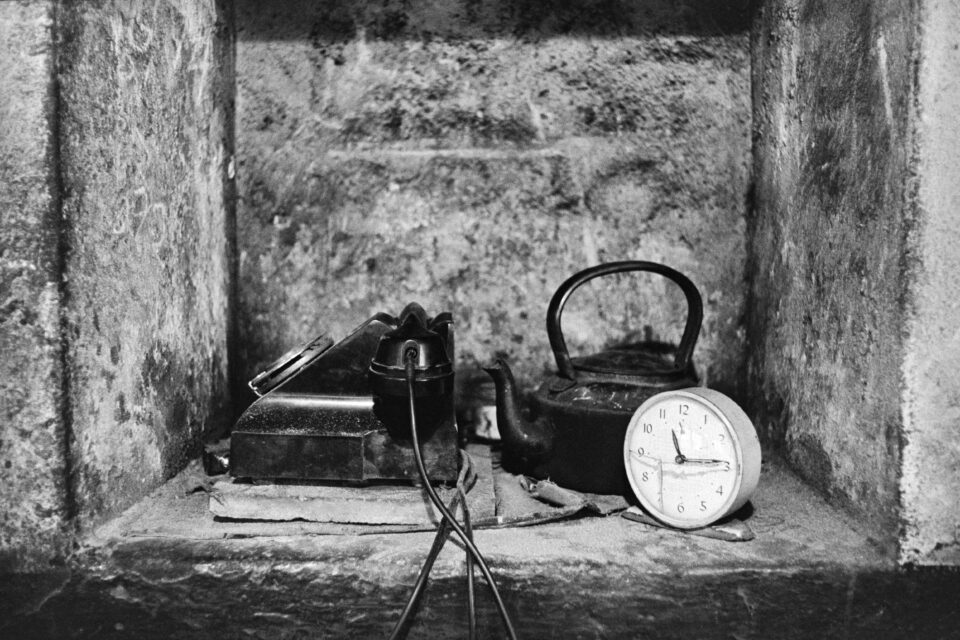
Dark Tales: British Documentary Photography and the Gothic
Martin Parr Foundation | Until 20 December
Spanning more than 80 years, Dark Tales explores the relationship between the Gothic and British documentary photography. The exhibition draws primarily from the Martin Parr Foundation Collection, bringing together celebrated and lesser-known works depicting post-war Britain to the present through waning industries, unsettling domestic scenes and shadowy nocturnal landscapes. The exhibition includes work from artists who defined the 20th century, including Akihiko Okamura, Alice Poyzer, Anna Fox, Bill Brandt, Donovan Wylie, Don McCullin, Janine Wiedel, Jo Spence, Kjell-Åke Andersson, Lee Miller and Robert Frank Their photographs reveal the uncanny in the everyday, exploring fear, desire and uncertainty, whilst reconsidering documentary practice through the Gothic imagination.
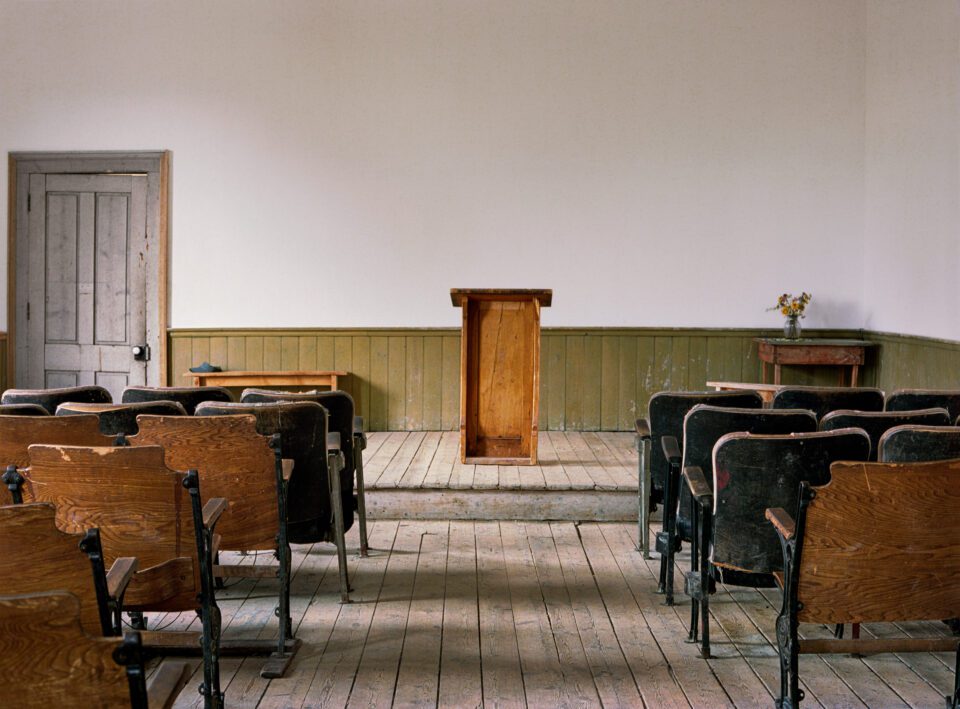
Beyond the Bounds
Bristol Cathedral | 16 October – 11 November
FFor more than 15 years, Holly Lynton has explored the intersections of faith, history, labour and landscape across rural communities in the United States. Beyond the Bounds examines places shaped by spiritual awakenings, from towns founded by psychics to former sites of religious revival. Through a slow, collaborative approach, Lynton reveals how faith persists in everyday life and how landscapes continue to hold the traces of belief, migration and cultural transformation within America’s complex religious history. At the core of her work is one central philosophy: that unmediated experiences with the natural world is integral to human experience. She describes her practice as working “out in the world as opposed to in the studio,” reflecting her philosophy of blending art and the natural world.
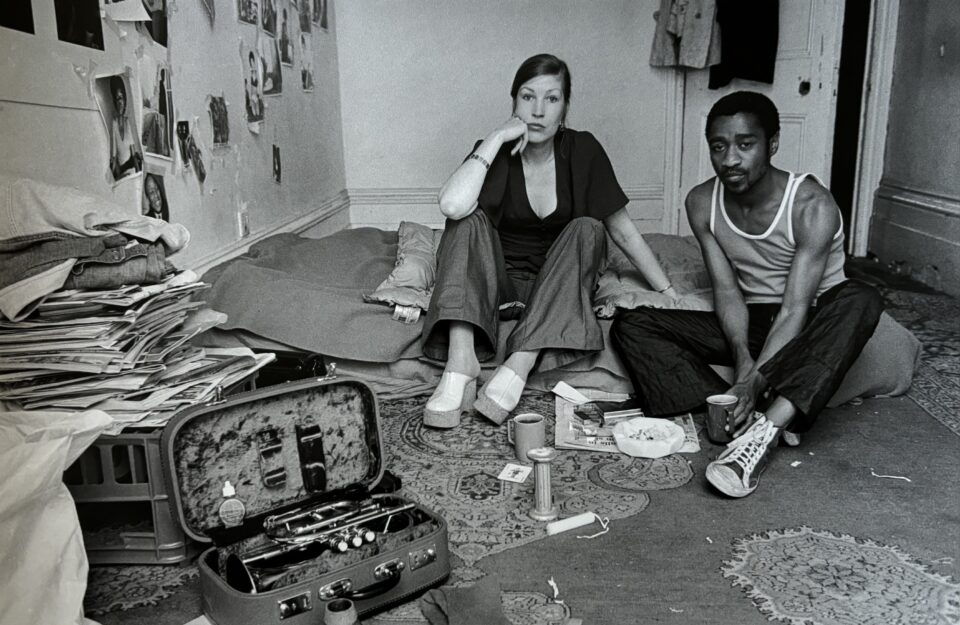
George Hallett: Home & Exile
IC Visual Lab | 14 October – 15 November
South African photographer George Hallett documented everyday life, cultural identity and resistance throughout Apartheid, himself living in exile from the regime between 1970 to the mid-1990s. This exhibition presents a selection of images and archive material around the figure of South African author, journalist and political activist Alex La Guma, who came to Bristol in 1966 to talk about the injustice of Apartheid. It also includes portraits of exiled activists, visual artists and jazz musicians that showcase the link between South African groups in Britain in the 1970s and 1980s, jazz and African literature. More than anything else, Hallett’s work is focused on capturing positive moments that communicate the triumph of the human spirit, even in the face of ongoing political and social oppression.
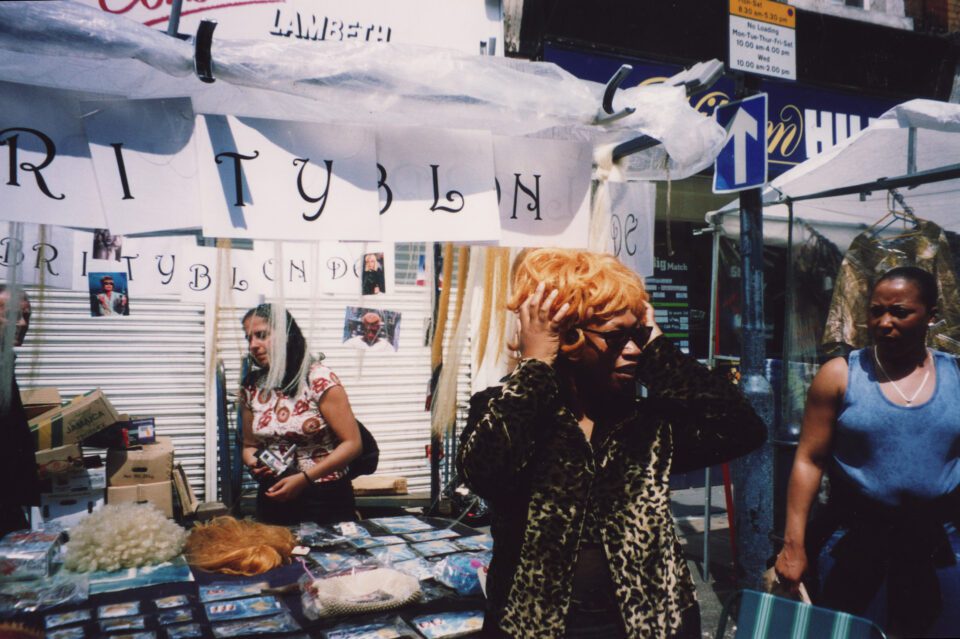
Joy Gregory: Catching Flies with Honey
Arnolfini | 17 October – 7 February
Presented across Arnolfini galleries, Catching Flies with Honey brings together over 150 works spanning four decades and is the first major survey of Joy Gregory’s work. Through photography, film, installation and textiles, Gregory explores identity, history, race and beauty, using diverse processes – from Victorian photographic techniques to digital media – to examine how power shapes society and collective memory. The exhibition features key series including Autoportrait; The Handbag Project; and Memory and Skin, which have formed part of her practice since the 1980s. Moving across self-portraiture, historic photographic processes, digital media, performance and textiles, her work explores race, gender, migration, language and cultural memory, while questioning who photography has historically represented, and on whose terms.
Bristol Photo Festival runs from 14 October – 15 November: bristolphotofestival.org
Words: Emma Jacob
Image Credits:
1. Kunga Tashi Lepcha, Children of the Snowy Peak © Kunga Tashi Lepcha
2. Yuko Edwards, From the series, What You See on my Face © Yuko Edwards.
3. Kjell-Åke Andersson, Bargoed Colliery, 1973 © Kjell-Åke Andersson
4. Holly Lynton, From the series Beyond the Bounds © Holly Lynton.
5. George Hallett, Mongezi Feza (Musician) & friend at home. London, 1973. Courtesy George Hallett Research Collection.
6. Joy Gregory, Stockwell Siren from the series Celebrity Blonde, 2003 performance © Joy Gregory.