

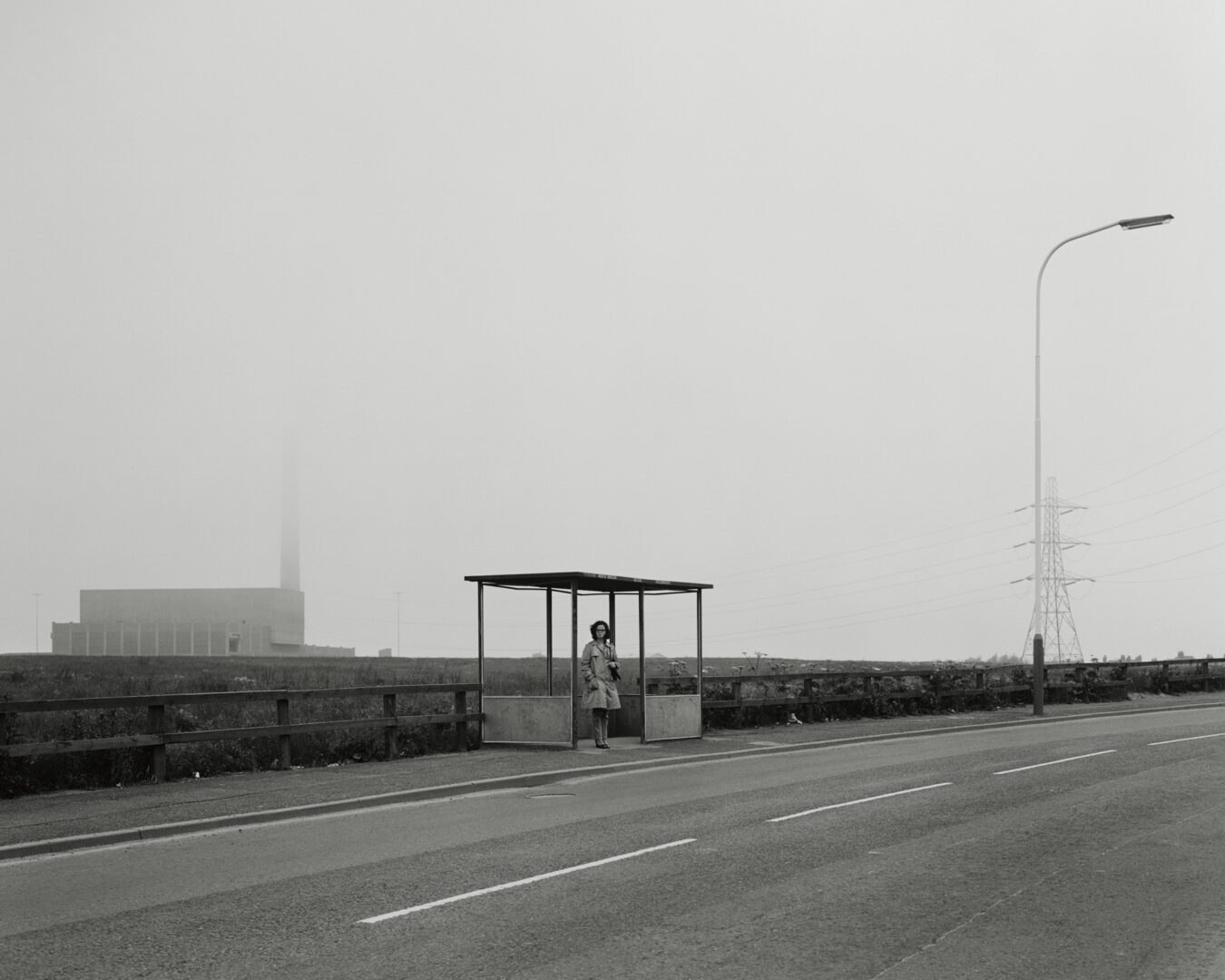
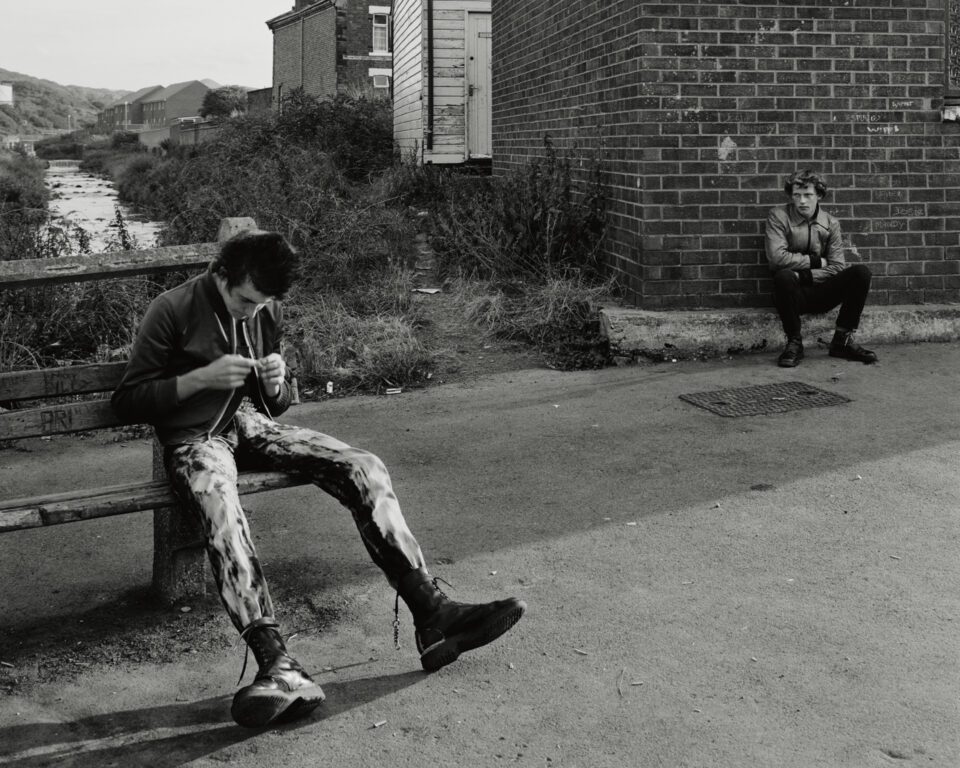
“I wanted to remember people’s lives because I valued them. I wanted them to be remembered.” Chris Killip (1946-2020)’s work throughout the 1970s and 1980s made him one of the most influential figures in British photography. His stark documentary approach and sympathetic eye produced enduring and impactful images of those living in the North of England. It was a period of huge political turmoil, with deindustrialisation and the closure of mines destroying many traditional livelihoods in the area, resulting in economic hardship and mass unemployment. Yet, Killip’s philosophy was not the capture the urgency of the moment, but to authentically record the lives of those he saw has having “history done to them.”
A new publication from Thames & Hudson looks back at his monumental career. Author Mark Holborn, an internationally recognised editor and writer, knew Killip personally, and produced this book with exclusive access to the photographer’s archive. The result is a defining presentation of Killip’s work in the northeast of England between 1975 and 1986, with over half its images published for the very first time. It’s essential reading for those interested in the social power of photography. But what makes is particularly unique is its ability to reconcile the world as Killip documented it with the one we live in today. Holborn draws parallels between the two, offering nuanced explorations of why he continues to cut through today and speak to those living through contemporary hardships. As he notes: “we live in a world as fractured as that Killip witnessed forty or fifty years ago … Stare at the pictures and you might recognise a place that touches you with the most intimate memory of an earlier era, or else, gather yourself because you are, indeed, looking beyond the invisible borderline to what Killip himself once suggested was another country.”
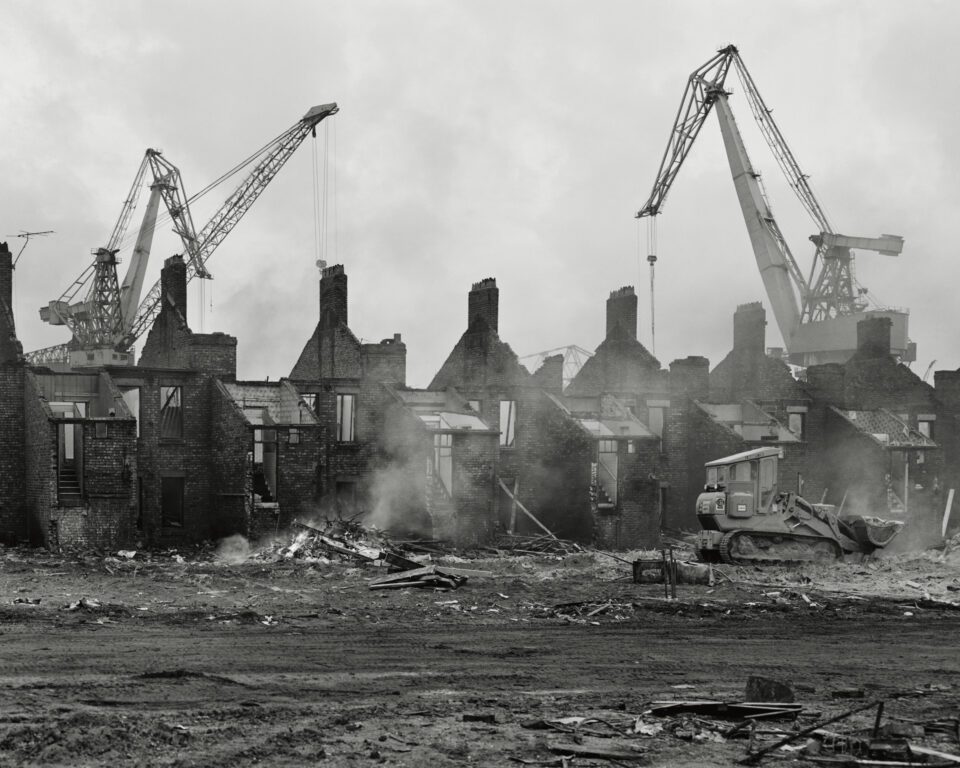
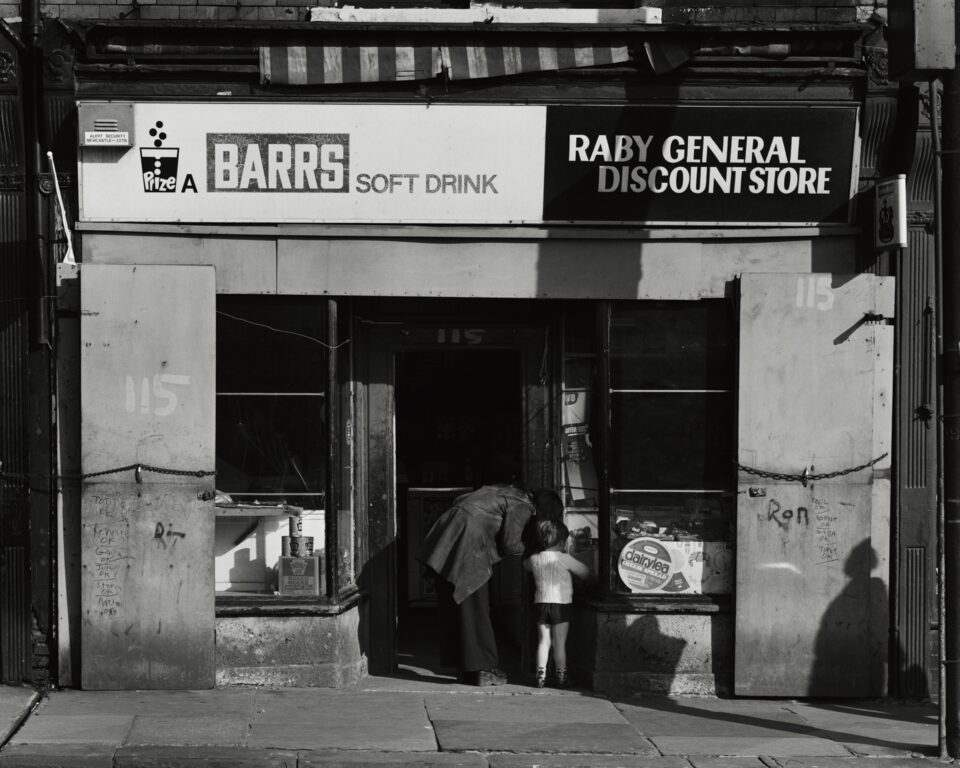
Chris Killip: North centres on a time when shipbuilding was still a point of pride on Tyneside; bitter miners’ strikes protested the closure of the region’s pits, although by the end of the 1980s, only six collieries were left; and unemployment neared 20%. The artist was unflinching of his portrayals of this lived reality, confronting it in a way few of his contemporaries managed, and this is evident throughout the book. In Wallsend, Tyneside old home are shown in the midst of demolition, whilst in the West End of Newcastle, blocks of flats stand burnt out and inhospitable. Often in these images, huge industrial infrastructure and factory towers belch out smoke loom over terraced houses and high streets. Everyday life was carried out in the shadows of these sites, with one shot showing a woman pushing a pram alongside huge concrete buildings, whilst children play right beside ships in the docks. Readers are reminded on every single page that in the 1970s and 1980s, heavy industry was the lifeblood of the region.
Killip’s images of the miner’s strikes are particularly arresting. The mass dispute began in 1984 as a response to the planned closure of 20 coal mines, although it was later found that authorities planned to close 75 over a three-year period. The yearlong protests profoundly shaped modern British history, politics and society, with around 187,000 miners walking out of their jobs across the country. One of the suggested sites of closure was Herrington Colliery in County Durham. In Chris Killip: North, images show rows and rows of riot police lined up beside a row of terraced houses, as family looks on from the doorstep. Elsewhere, men gather in a local club to show solidarity for the strikes. Killip really succeeds in demonstrating how the industrial dispute permeated all parts of northeastern life, simultaneously uniting a community in their backing of the striking miners, and tearing away its foundations as an industrial heartland. His work earned him a commemorative lamp from the Monkwearmouth Miners Lodge.
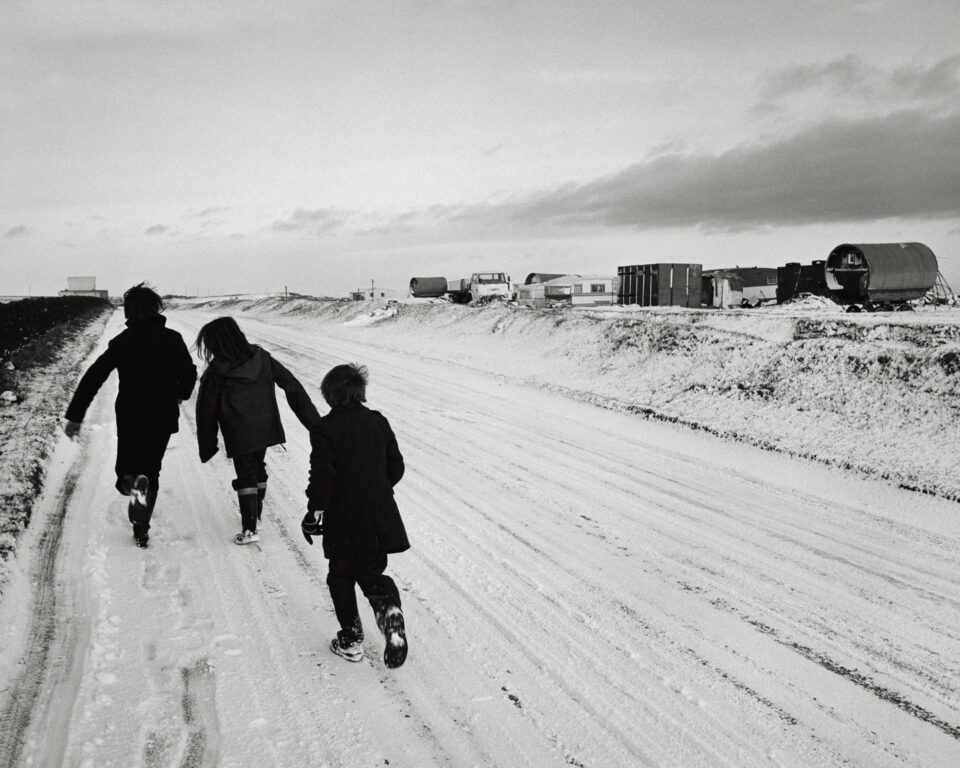
In the early 1980s, Killip lived for months in a caravan on a Northumberland beach to photograph Seacoal, which according to Holborn is “perhaps his most memorable and graceful work, where the harshness of gathering from industrial detritus for survival was tempered by his observations of tenderness.” Here, dogs, horses and children – often the focus for the photographer – come to the fore. Life is inextricably tied to the sea, as Killip captures families searching for and collecting coal, directing their horse and carts across the beach, or spending time with their animals in caravans. These are images with personality, where young boys carried huge corrugated steel on their backs like a shield or pick through pebbles “in the very good fur coat.” Killip succeeds in painting a complex portrait of a community whose existence is centred around the ocean, with conditions that are often harsh and unforgiving. Yet, whether it’s a puppy nestled on a man’s chest, or schoolkids running home in the snow, he also spotlights the small, soft moments of humanity that shine through in even the severest environments.
Mark Holborn does a remarkable job of bringing fresh perspective to Killips era-defining career. Chris Killip: North presents a portrait of a region and an artist’s intense ties to it. The photographer dedicated his lens to a community facing economic and social hardship, refusing to do so with anything other than the utmost dignity and nuance. His oeuvre is unquestionably a masterclass in documentary photograph, but this book reveals it to go one step further, offering us all a blueprint for empathy and compassion.
Chris Killip: North is published by Thames & Hudson on 3 September: thamesandhudson.com
Words: Emma Jacob
Image Credits:
1. © Chris Killip Photography Trust / Magnum Photos. Bus shelter, North Shields, Tyneside, 1975.
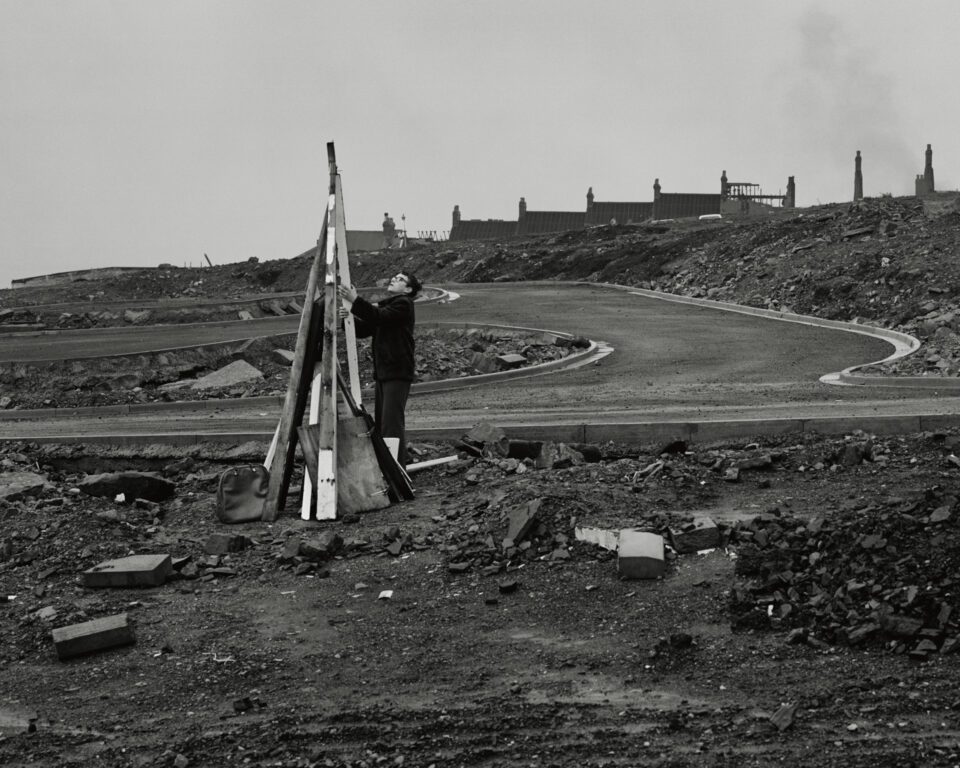
2. © Chris Killip Photography Trust / Magnum Photos. North East England, 1976.
3. © Chris Killip Photography Trust / Magnum Photos. Nini, Clare and Rocker, coming home from school, Seacoal camp, Lynemouth, Northumberland, 1984.
4. © Chris Killip Photography Trust / Magnum Photos. Wallsend, Tyneside, 1976.
5. © Chris Killip Photography Trust / Magnum Photos. Whippet and Richard, Skinningrove, North Yorkshire, 1982.
6. © Chris Killip Photography Trust / Magnum Photos. Raby Street store, Byker, Tyneside, 1975.


