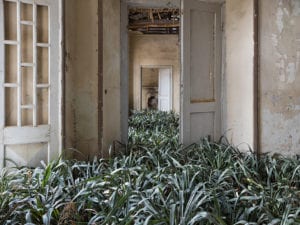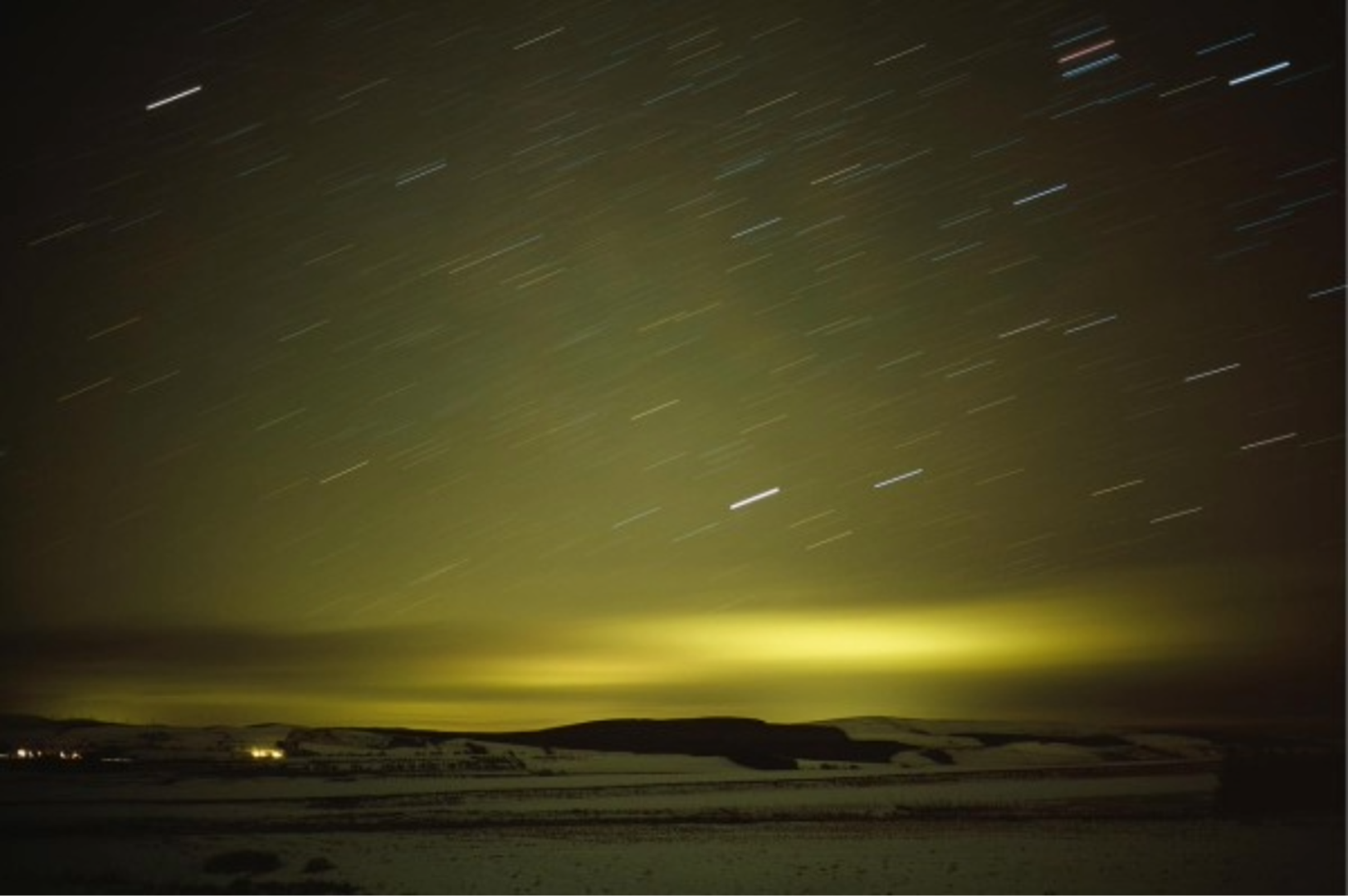
Photography does more than preserve history; it constructs it. At Dalkeith Palace, PhotoDalkeith RSA200 brings two centuries of Scottish image-making into dialogue, from the pioneering calotypes of David Octavius Hill and Robert Adamson to contemporary practices that question how place, identity and memory are represented. The exhibition forms part of the Royal Scottish Academy’s bicentenary programme, drawing on the institution’s collection while introducing new commissions and recent work. Rather than presenting photography as a straightforward chronology, its ambition is to reveal the changing ways in which Scotland has looked at itself, and how those images have, in turn, shaped cultural memory.
David Octavius Hill provides an important point of departure because his photographic experiments belong to a moment when the medium was still negotiating its relationship with art, evidence and observation. His collaboration with Robert Adamson produced some of the defining images of early Scottish photography, while the RSA’s own collection preserves a wider record of nineteenth-century practice. An album of early Scottish photographs held by the Academy, for instance, includes work by Hill, Dr Thomas Keith, James Good Tunny and Dr William Walker, documenting Edinburgh and other locations while recording buildings threatened with demolition. Photography therefore entered Scottish cultural history as a technology capable of preserving a world already undergoing change.
That relationship between image and disappearance remains relevant to the exhibition’s contemporary material. Landscape is never entirely innocent: it carries histories of ownership, labour, migration, tourism and belonging, even when a photograph appears to offer nothing more than an expansive view. Walter Dalkeith’s contribution, for example, places photography within the longer visual history of the Buccleuch estate, while the exhibition’s setting at Dalkeith Palace introduces another layer of historical consciousness. His earlier PhotoDalkeith project brought historic photographs from the Buccleuch family albums into conversation with new images of the same landscape, demonstrating how the archive can become a starting point for contemporary interpretation rather than a fixed record of the past.
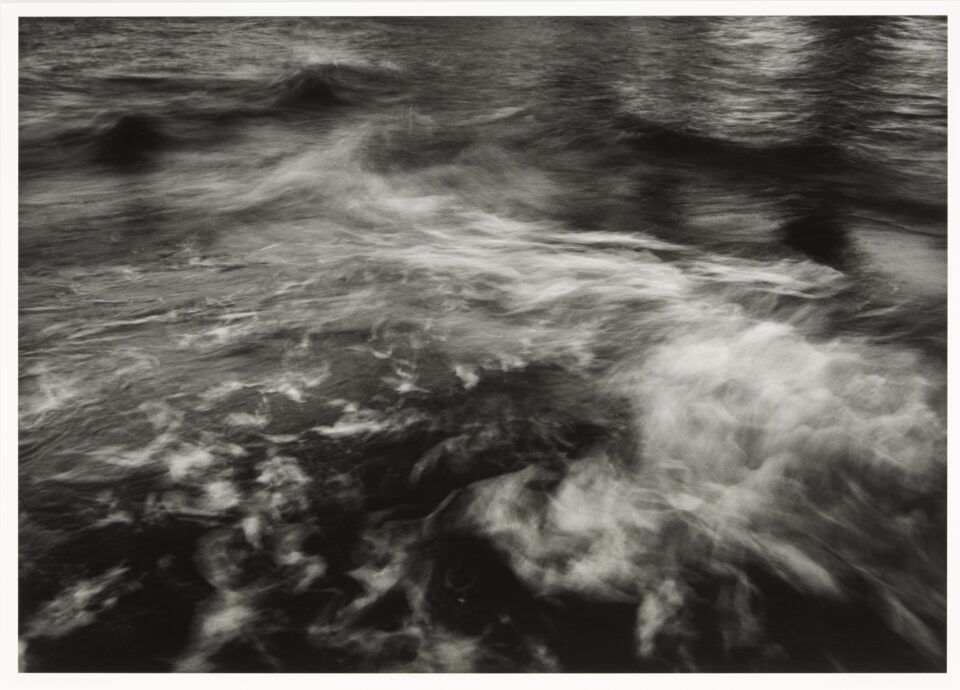
Landscape consequently becomes a question of framing as much as geography. Thomas Joshua Cooper RSA, Wendy McMurdo RSA, Graham Fagen RSA and Calum Colvin RSA are among the contemporary artists whose work is brought into proximity with the historical material, creating a different understanding of what photographic representation can be. Cooper’s sustained attention to remote environments, for instance, positions landscape as an encounter rather than a backdrop, while other practices in the exhibition move towards constructed, mediated or technologically altered forms of image-making. Such contrasts prevent the history of Scottish photography from becoming a nostalgic sequence of views. Instead, they reveal a medium negotiating the distance between what is seen and imagined.
Curatorial decisions are therefore central to the exhibition’s argument. Calum Colvin RSA is amongst the curators, with the presentation combining works from the RSA collection with pieces from artists’ studios and new commissions created for the project by Colvin, Caroline Douglas, and Irvine & Spence. That arrangement makes chronology only one possible way of reading the exhibition; correspondence, interruption and reinterpretation become equally important. Historical photographs acquire different meanings when placed beside contemporary practices, while new work is inevitably affected by the visual histories surrounding it. The result is a conversation between generations of image-makers.
Caroline Douglas occupies an especially interesting position within that conversation. Her involvement in the new work for PhotoDalkeith RSA200, alongside the dedicated Hill & Adamson event later in the exhibition programme, brings contemporary practice directly into contact with the history of Scottish photography. The event, featuring Douglas alongside publisher Alexander Hamilton and historian Sara Stevenson, considers the continuing legacy of Hill and Adamson before a tour led by Colvin, Julie Lawson and Sandy Wood. This emphasis on return and reinterpretation reflects a broader shift within contemporary museum culture, where archives are increasingly treated not as sealed repositories but as active sites for questioning how histories are assembled.
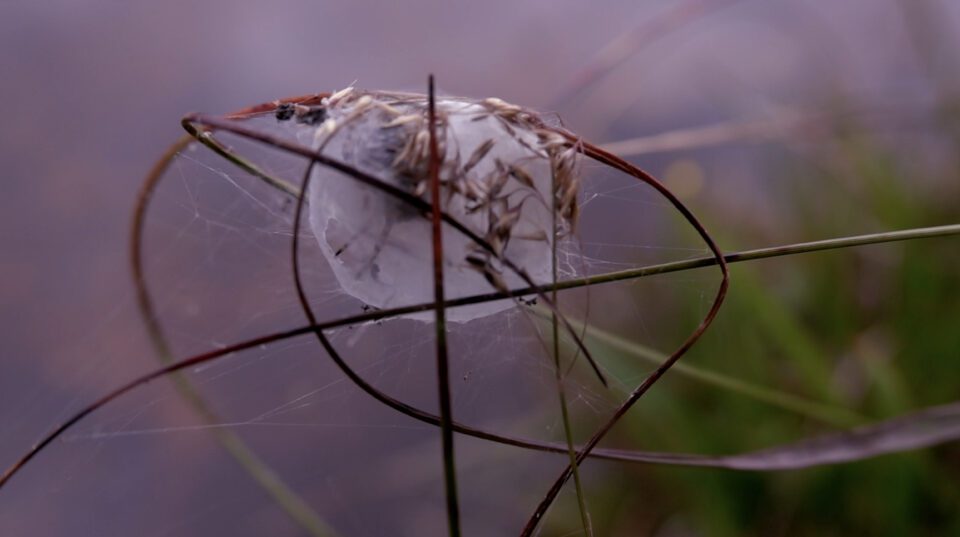
Such questions become particularly charged when photography is considered as a record of identity. Portraiture has always carried an implicit claim to knowledge: to photograph someone is to propose that an image can communicate something about who they are. Contemporary artists complicate that assumption by foregrounding staging, mediation and the politics of looking. Within the wider selection, artists including Sekai Machache, Rachel MacLean RSA (Elect), Wendy McMurdo RSA and Leena Nammari RSA represent different approaches to a medium increasingly conscious of its own constructedness. Their presence alongside historical photography makes visible a profound change from the early belief in the camera’s evidential authority towards an understanding of the image as something culturally contingent.
The archive itself reinforces that tension. Nineteenth-century photographs can appear authoritative precisely because of their distance from the present, yet their survival is never accidental; institutions, collectors and families determine which images are preserved, catalogued and displayed. The RSA’s relationship with photography has developed through precisely these structures of selection, from its historic collection to awards, Academicians and contemporary commissions. Its bicentenary therefore offers an opportunity to examine the mechanisms through which continuity is produced. What survives becomes part of the story, while what remains outside the frame can be equally revealing.
Public space extends that argument beyond the walls of the Palace. Large-scale photographic installations and interactive frames across Dalkeith Country Park invite visitors to encounter the exhibition within the landscape itself, shifting photography from an object to be contemplated towards an activity that can be shared and reproduced. The gesture is apt in an era when image-making is no longer confined to artists, photographers or institutions. Smartphones, social platforms and digital archives have transformed virtually everyone into a producer of photographs, yet the sheer volume of images has not diminished their power. If anything, it has made questions of selection, attention and memory more urgent.
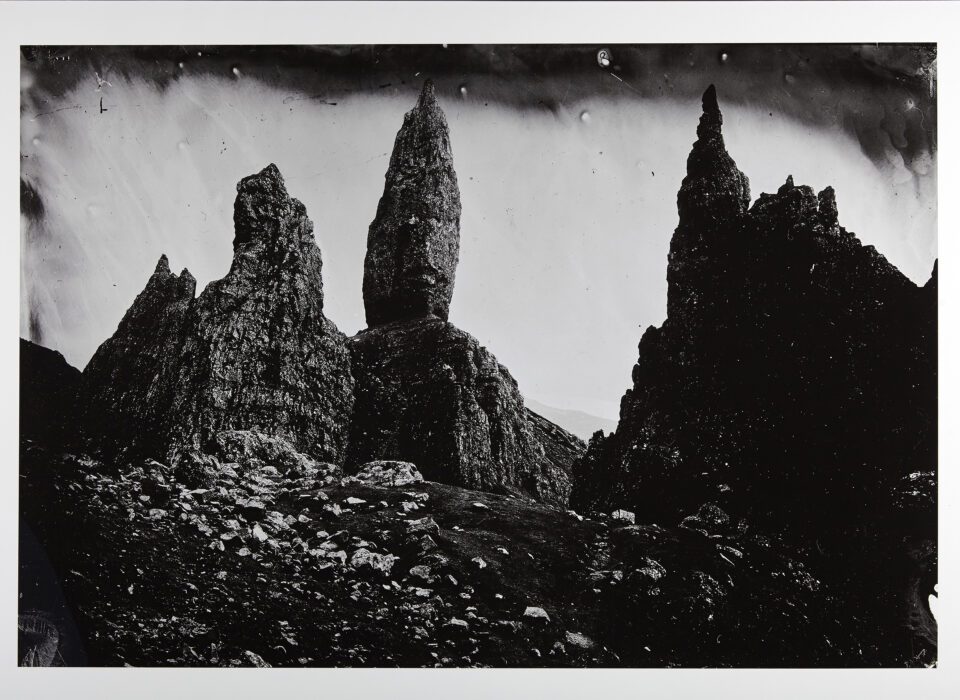
Photography’s contemporary condition also explains why an exhibition of historical material can feel unexpectedly current. The camera now operates across documentary journalism, personal archives, surveillance, advertising and algorithmic systems, making the boundaries between public and private images increasingly unstable. Against this accelerated visual culture, the act of looking at a nineteenth-century photograph can seem almost radical in its slowness. The historical image asks us to consider not only what happened, but what someone once decided was worth recording. PhotoDalkeith RSA200 uses that pause to connect the medium’s origins with the conditions of looking today.
The wider programme deliberately expands the conversation beyond photography itself. A performance and film event devoted to Ian Hamilton Finlay, a dramatic recreation of John Ruskin’s 1853 Edinburgh lecture, and Orkney Sequence, bringing Victoria Crowe’s paintings into dialogue with music by Gemma McGregor, place photography within a larger network of visual, literary and musical culture. That breadth matters because Scotland’s visual identity has never been produced by one medium alone. Landscape painting, architecture, poetry, music and photography have repeatedly borrowed from and challenged one another, shaping ideas of nation and place in the process. The exhibition’s events programme makes those connections explicit rather than treating photography as an isolated specialist history.
Scotland consequently emerges not as a single photographic subject but as a collection of competing viewpoints. Hill and Adamson’s 19th century Newhaven sits alongside contemporary explorations of landscape, identity and technology; archival photographs meet staged images; institutional histories encounter artists whose practices question established ways of seeing. That multiplicity is important in an era when cultural identity is often reduced to familiar visual shorthand – mountains, coastlines, historic buildings and romanticised rurality. PhotoDalkeith RSA200 suggests that Scottish photography becomes most revealing when those assumptions are made visible and then unsettled.
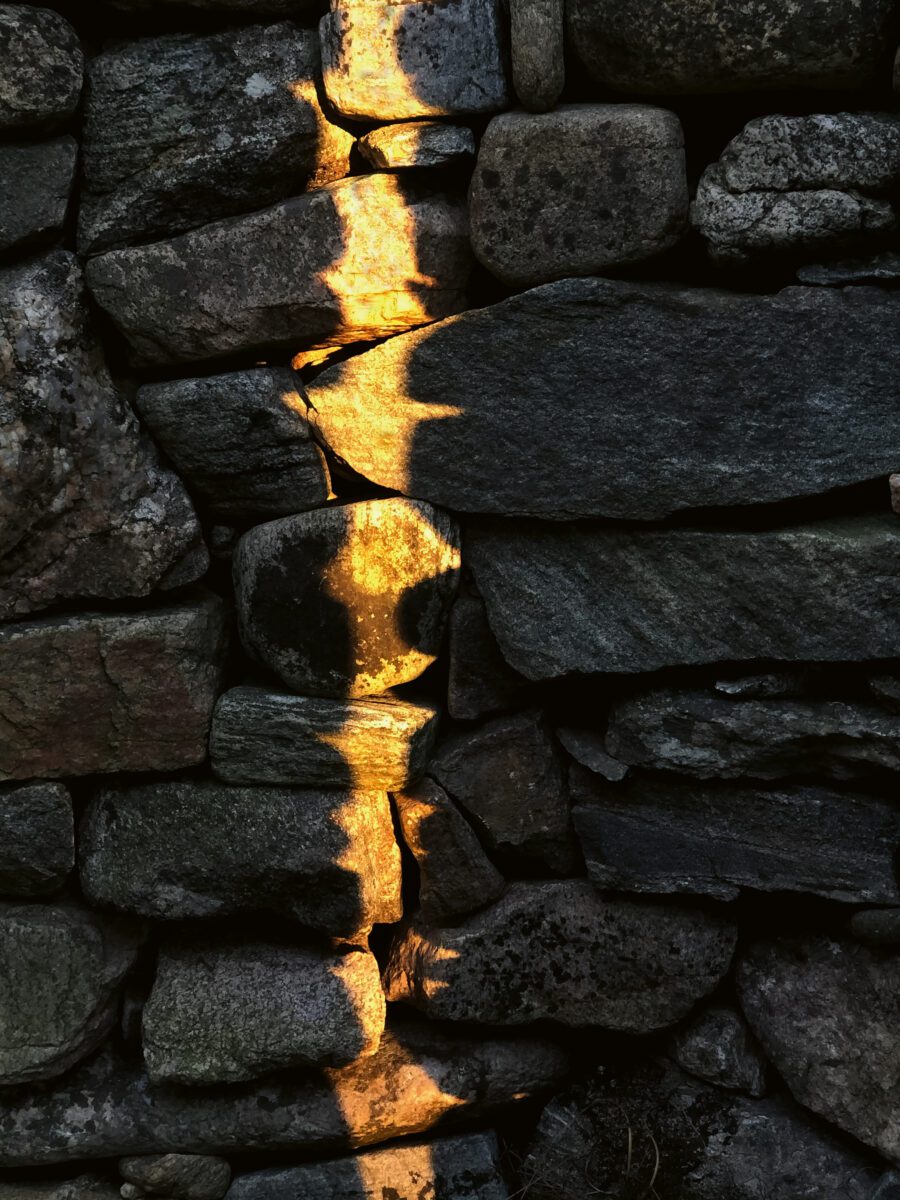
The exhibition’s significance lies in this movement between preservation and disruption. Its bicentenary context could have encouraged a conventional celebration of institutional achievement, but the combination of archival works, contemporary practices and new commissions creates a more complicated account of photographic history. The Royal Scottish Academy’s long relationship with the medium becomes a framework for considering how images are collected, interpreted and reimagined across generations. Dalkeith Palace adds another register, placing photographic histories within an architectural environment already dense with questions of ownership, heritage and memory. Two hundred years of photography therefore become less a story of progress than an ongoing negotiation over who gets to frame Scotland, and what those frames allow us to see.
What emerges, ultimately, is a more unsettled account of how histories are made visible. Hill and Adamson’s early experiments, the institutional archive and the speculative possibilities of contemporary practice belong to different moments, however, each is shaped by decisions about where to look and what to preserve. Photography has changed radically since the 19th century, but its relationship with memory remains unresolved. Perhaps that is precisely where its significance lies – not in its ability to give us an objective record of the past, but in its capacity to reveal how each generation chooses to see it.
PhotoDalkeith RSA200 is at Dalkeith Palace until 27 September: dalkeithcountrypark.co.uk
Words: Simon Cartwright
Image Credits:
1. Image courtesy of Philip Braham.
2. Thomas Joshua Cooper, Late Afternoon, Mouth Of The River Forth, (1991-2014).
3. Image courtesy of Dalziel + Scullion.
4. Alex Boyd, The Storr Impression From The East, 2013.
5. Julie Brook, Winter Wall, Setting Light, Aird Mhòr, Hebrides.