On 1 September 2026, The Getty Center in Los Angeles is opening an exhibition dedicated to Mexico’s rich photographic history. It brings together 13 influential image-makers, active from the late 1920s to the mid-2010s, to draw a portrait of the country’s visual culture during the 20th century. The museum describes this period as being “defined by collaboration, experimentation and artistic exchange,” and offers audiences an insight into the nation’s creative and social life. The show takes its title from the 1982 book Instante y revelación, which pairs the poetry of Nobel laureate Octavio Paz with photographs by leading visual artist Manuel Álvarez Bravo. In response, the exhibition is divided into five thematic sections, each named after a line from Paz’s poem Cara al tiempo (Facing Time) and creating a “lyrical pathway” through the galleries.
The first section, Identical and Different, demonstrates how Mexican photographic history was built through connection and collaboration. It explores the relationships between image-makers of the time, who were friends, teachers, students and partners. These close bonds are reflected in the shared themes that run throughout their oeuvres. Next is Sensation and Perception, which also takes Álvarez Bravo’s work as a starting point. It responds to his early output from the 1920s, and reveals the power of cropping as a compositional tool. Here, audiences will discover Graciela Iturbide, Pedro Meyer, Cecilia Salcedo Méndez and Lola Álvarez Bravo, who play with light, texture and form to create abstracted compositions.
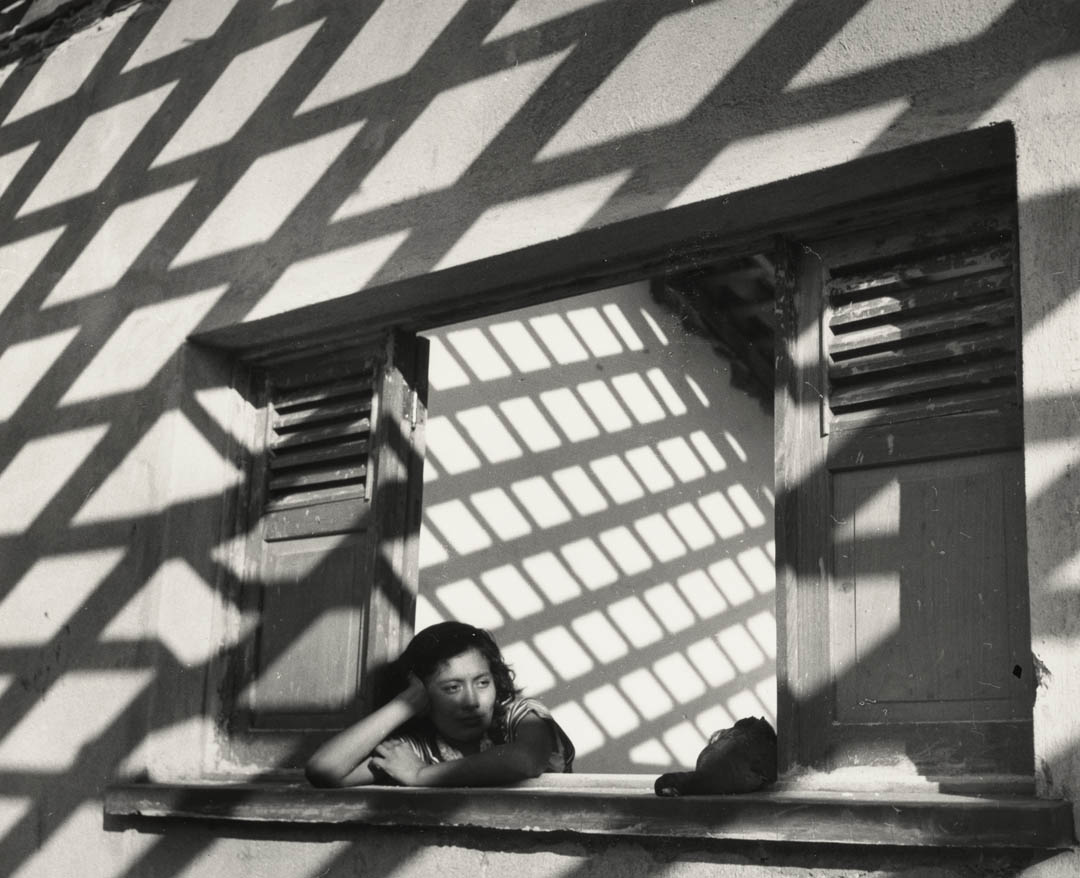
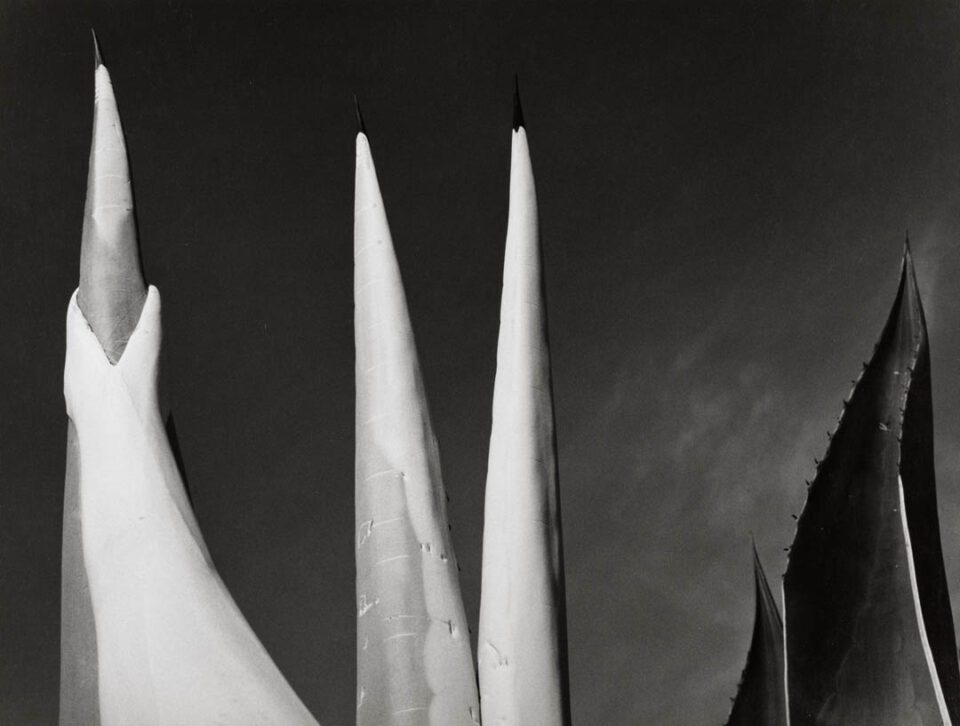
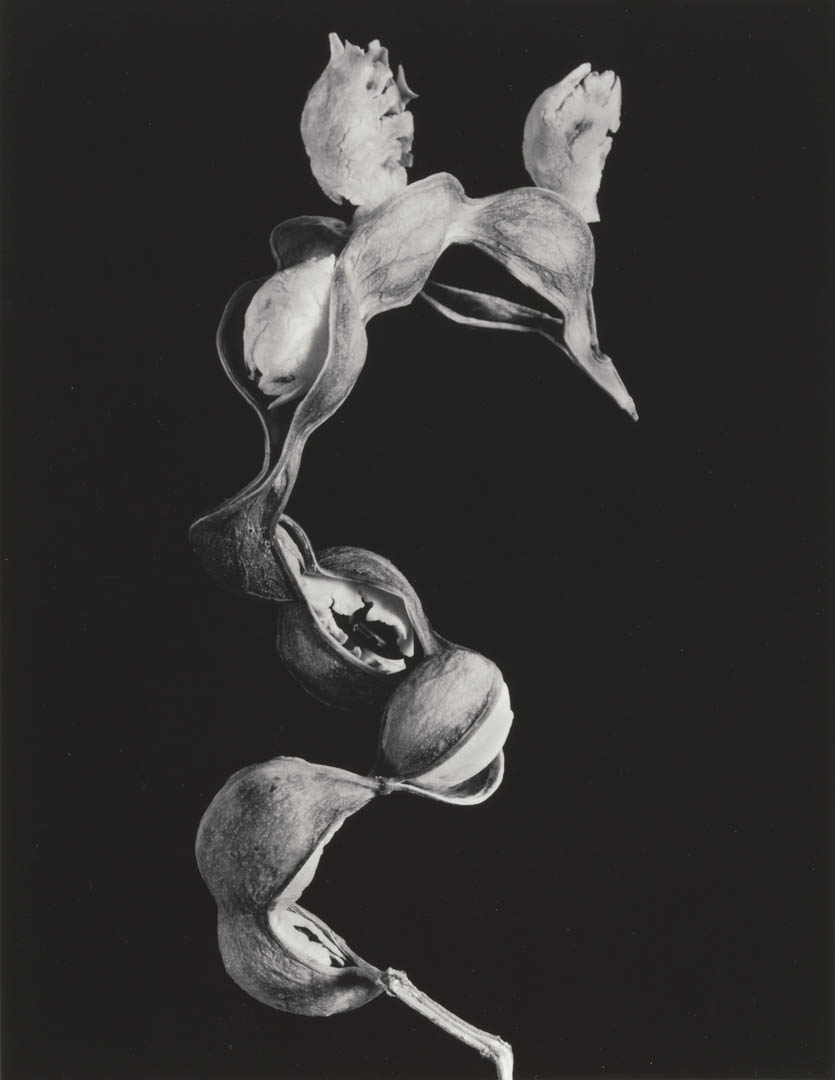
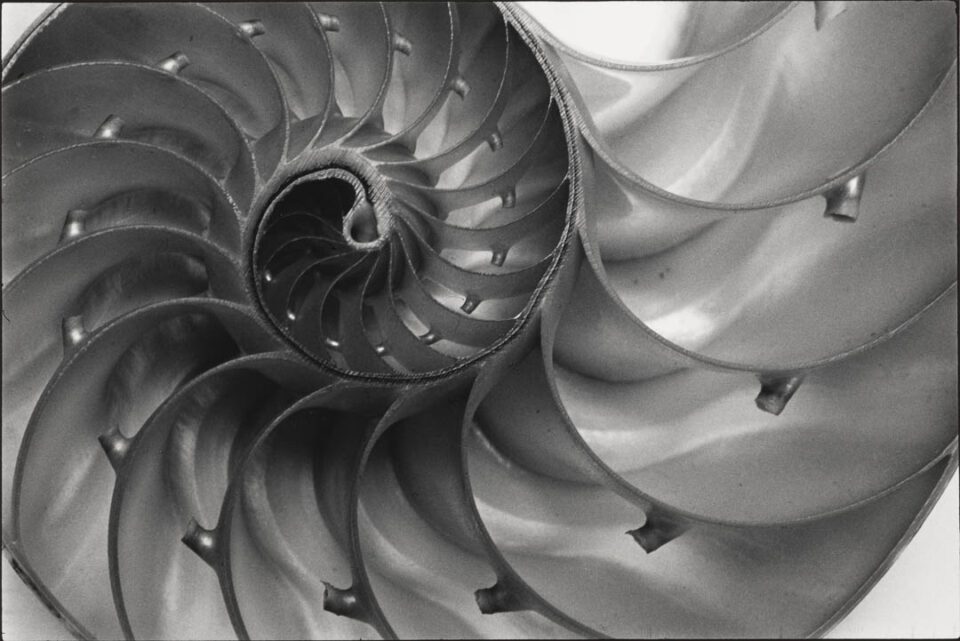
They transform objects through close framing and unusual perspectives, producing fine art pieces that invite curiosity and wonder. Meyer’s Jewels of the Atlantic (1980), for instance, captures the intricate spiralling patterns found inside a shell. Likewise, images from The Thorn and the Fruit (2007) by Salcedo Méndez position plants from the Oaxaca Ethnobotanical Garden against stark black backdrops. In Castrated Maguey, Hidalgo (1984) Mariana Yampolsky isolates agave leaves against an open sky, whilst shadows criss-cross the figure in Lola Álvarez Bravo’s In Her Own Prison (1950).
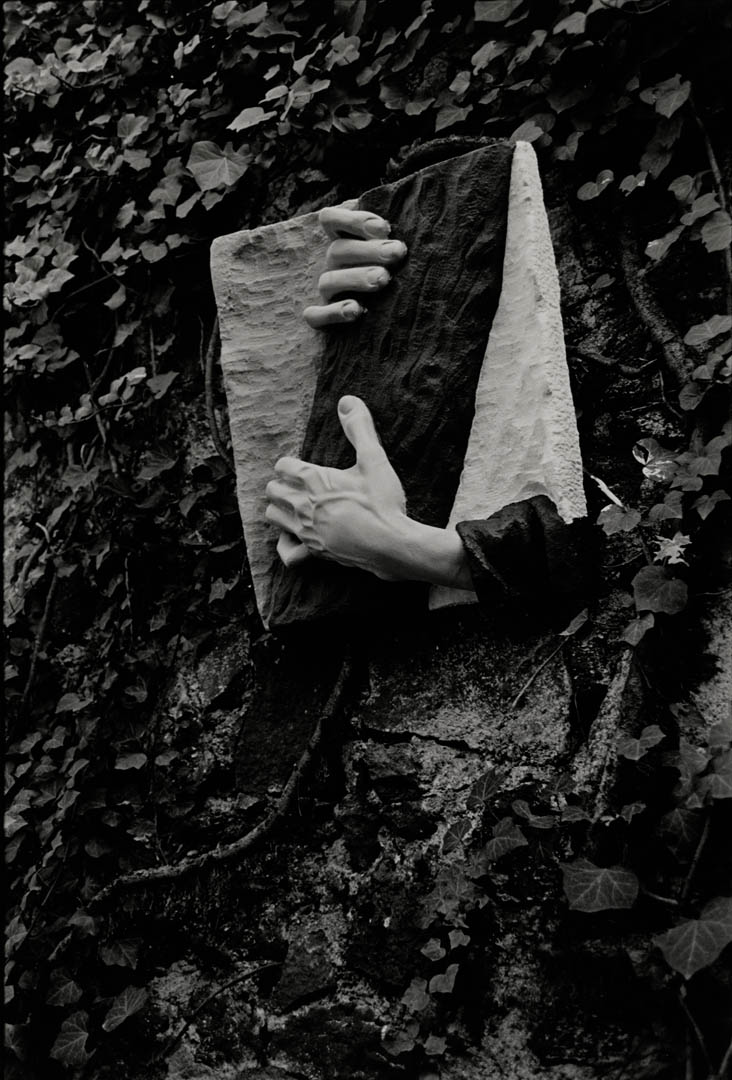
This idea – of creative freedom and experimentation – is expanded upon in Lens of Revelation, in which artists turn everyday scenes into enigmatic tableaux that ask more questions than they answer. It’s an approach that was central to both Manuel and Lola Álvarez Bravo, as well as to Iturbide, Flor Garduño and Yolanda Andrade. One such example is Andrade’s aptly-titled The Mystery (1988). At first glance, hands appear to be emerging from foliage. It’s only on a double take that you realise you’re not looking at a real person at all – only a sculpture in relief. The section also highlights publications such as Imagen, El Maestro Rural and Mexican Art and Life, which helped circulate these works to a wider audience.
In 2005, Iturbide was invited to document Frida Kahlo’s bathrooms at La Casa Azul in Coyoacán, Mexico City, which had been closed for 50 years following her death. Prints from this series are included in The Eye Thinks, Thought Sees, which examines the creative networks between photographers and other Mexican artists, including the painter Diego Rivera, Kahlo’s husband. Finally, Time Never Stops Flowing responds to major social, political and economic changes in Mexico, from the so-called “Mexican Miracle” of economic growth (1940-1970) to the 2014 disappearance of 43 students in Ayotzinapa.
“The photographs in this exhibition were taken over nearly 100 years, and they all address topics and concepts relevant to Mexico, a country with a rich history and multiple cultural memories,” says Julieta Pestarino, Assistant Curator in the Department of Photographs of the J. Paul Getty Museum. “20th century Mexican photographers worked in close collaboration with each other, as well as with artists, writers, filmmakers and even anthropologists. When these photographs are viewed collectively, recurring motifs and ways of looking emerge, revealing a complex tapestry of cultural and artistic dialogue. Instante/revelación presents the public ‘instants’ that reveal the many ways in which Mexico can be seen.” In this sense, the show lives up to its title. The featured artists use the medium to move between the intimate and the political, the everyday and the mysterious. Each photograph offers a moment in time, but also something more – a glimpse into the people, places and ideas that have shaped Mexico across a century.
Instante/revelación: Moments in Mexican Photography is at Getty Center, Los Angeles.
1 September – 3 January.
Words: Eleanor Sutherland
Image Credits:
1. En su propia cárcel / In Her Own Prison, 1950 Lola Álvarez Bravo (Mexican, 1903 –1993) Gelatin silver print Getty Museum Gift of Daniel Greenberg and Susan Steinhauser © Center for Creative Photography, The University of Arizona Foundation 2023.127.25
2. Maguey capado, Hidalgo / Castrated Maguey, Hidalgo, 1984 Mariana Yampolsky (American, 1925 –2002) Gelatin silver print Getty Museum Gift of Daniel Greenberg and Susan Steinhauser © Mariana Yampolsky . Centro de la Imagen de la Secretaría de Cultura, México 2023.143.3
3. Guamúchil. Pithecellobium dulce / Manila Tamarind. Pithecellobium dulce From the series La espina y el fruto / The Thorn and the Fruit , 2007 Cecilia Salcedo Méndez (Mexican, born 1957) Gelatin silver print Getty Museum Gift of Daniel Greenberg and Susan Steinhauser © Cecilia Salcedo Méndez 2023.142.3
4. El misterio / The Mystery, 1988 Yolanda Andrade (Mexican, born 1950 ) Gelatin silver print Getty Museum Gift of Daniel Greenberg and Susan Steinhauser © Yolanda Andrade 2023.126
5. Photograph from the series Joyas del Atlántico / Jewels of the Atlantic, 1980 Pedro Meyer (Mexican, born Spain, 1935) Gelatin silver print Getty Museum Gift of Daniel Greenberg and Susan Steinhauser © Pedro Meyer 2023.136.4