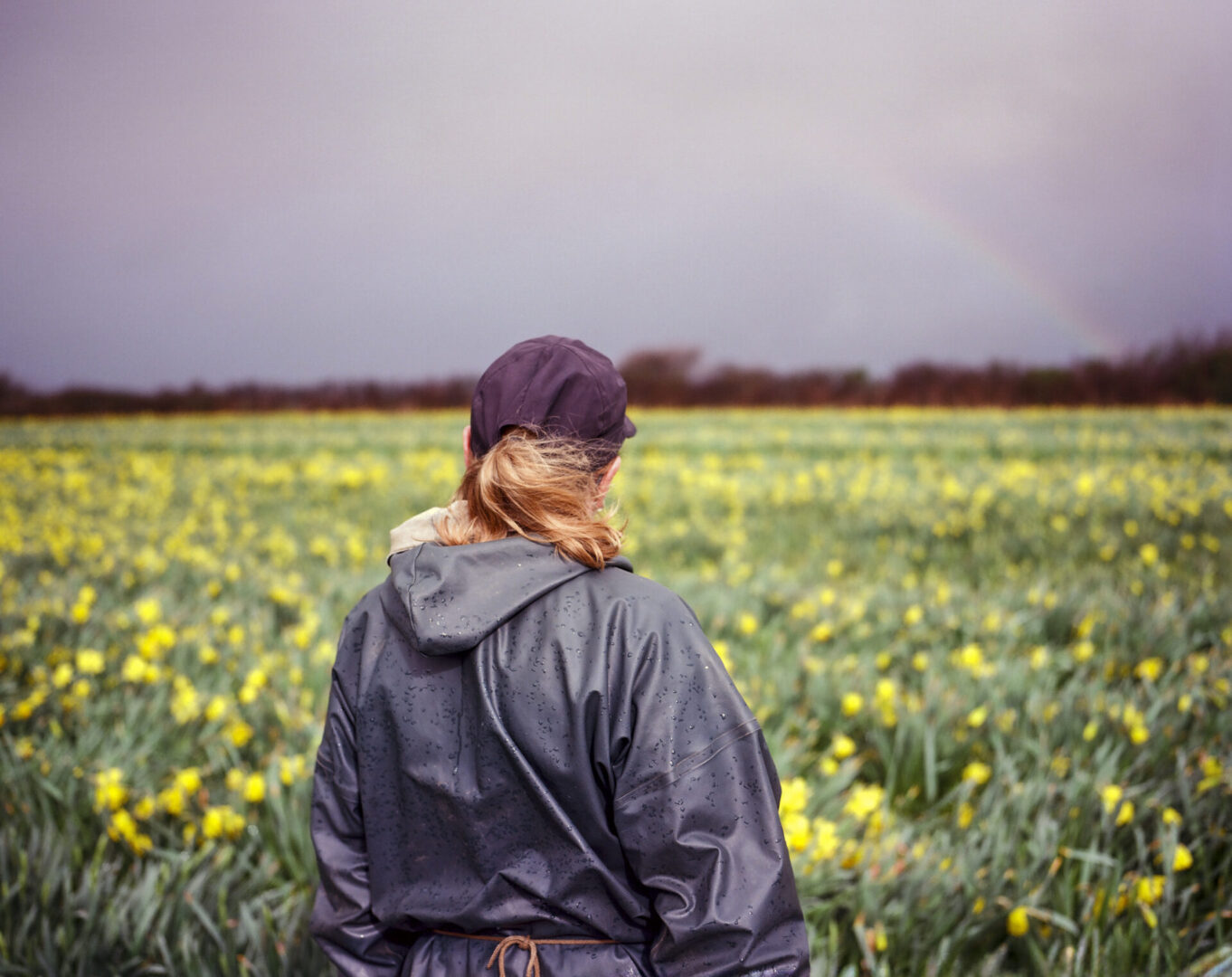
Think of Cornwall, and the first thing to come to mind may be idyllic holiday-postcard scenery or a laid-back, beach life. Perhaps less likely to come to mind is flowers. But the county is actually the heart of the British flower industry, aided by its mild winter climate. The weather is often so warm that the yellow blooms can be picked from as early as late November. In fact, roughly 900 million daffodil stems are grown in Cornwall per year, representing around 90% of the UK’s crops. The picking and distribution of this many flowers, however, requires one thing: hands. An estimated 2700 field workers are required each season, as mechanisation is not an option and the industry entirely reliant on manual labour. Despite their integral role, these people – many of whom are migrant workers – are seldom seen or recognised.
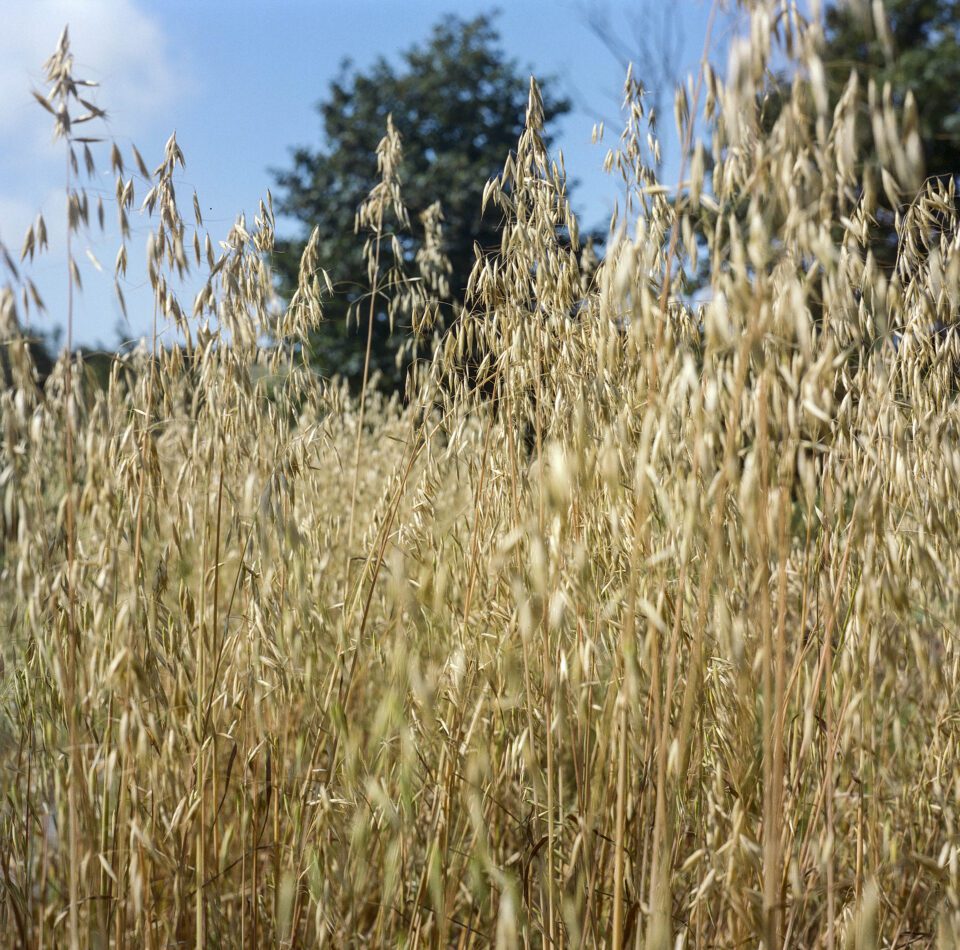
Photographer Joanne Coates’ latest series rectifies this national oversight. Over the course of a year, the artist worked closely with flower farmers and pickers on the Lizard Peninsula, documenting how their tireless labour shapes one of Cornwall’s most distinctive seasonal landscapes. The series, and its corresponding exhibition at Kestle Barton, is the culmination of sustained conversations and time spent with those working across the local farming community. Cornish Gold blends portraiture and documentary photography to consider the relationship between people, land and agricultural labour, attending to the knowledge, care and resilience that sustain both landscape and livelihood.
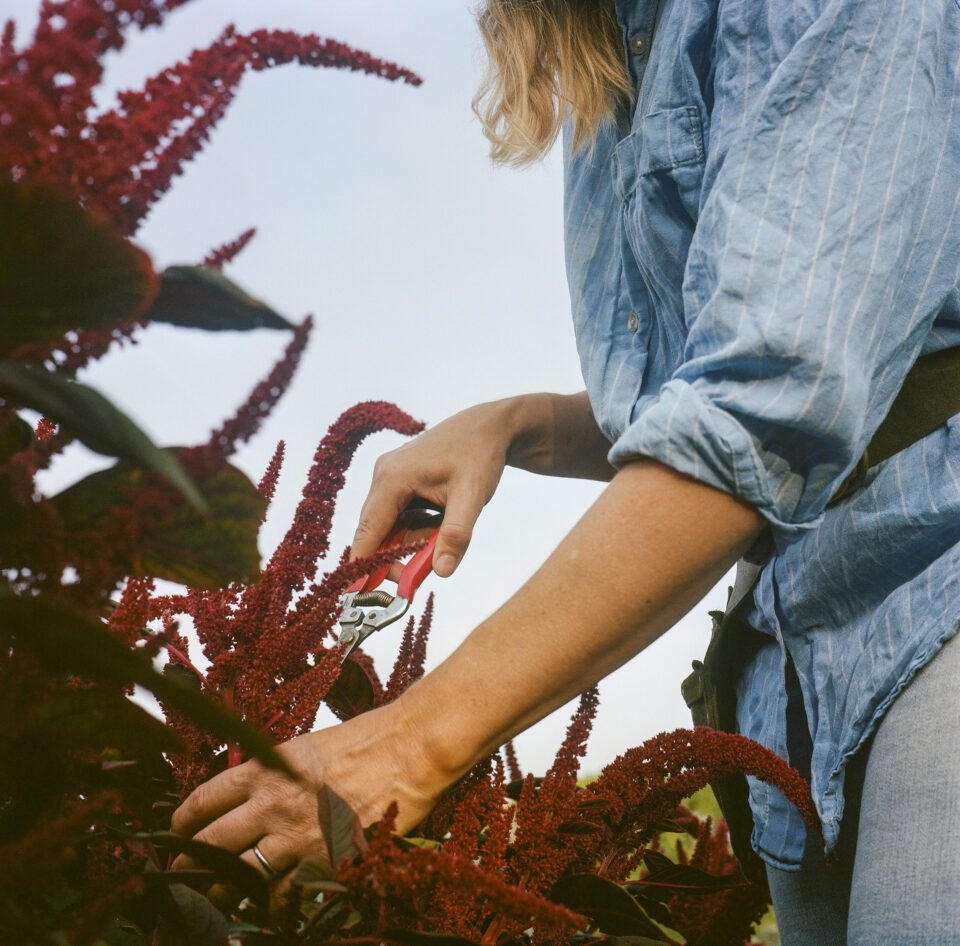
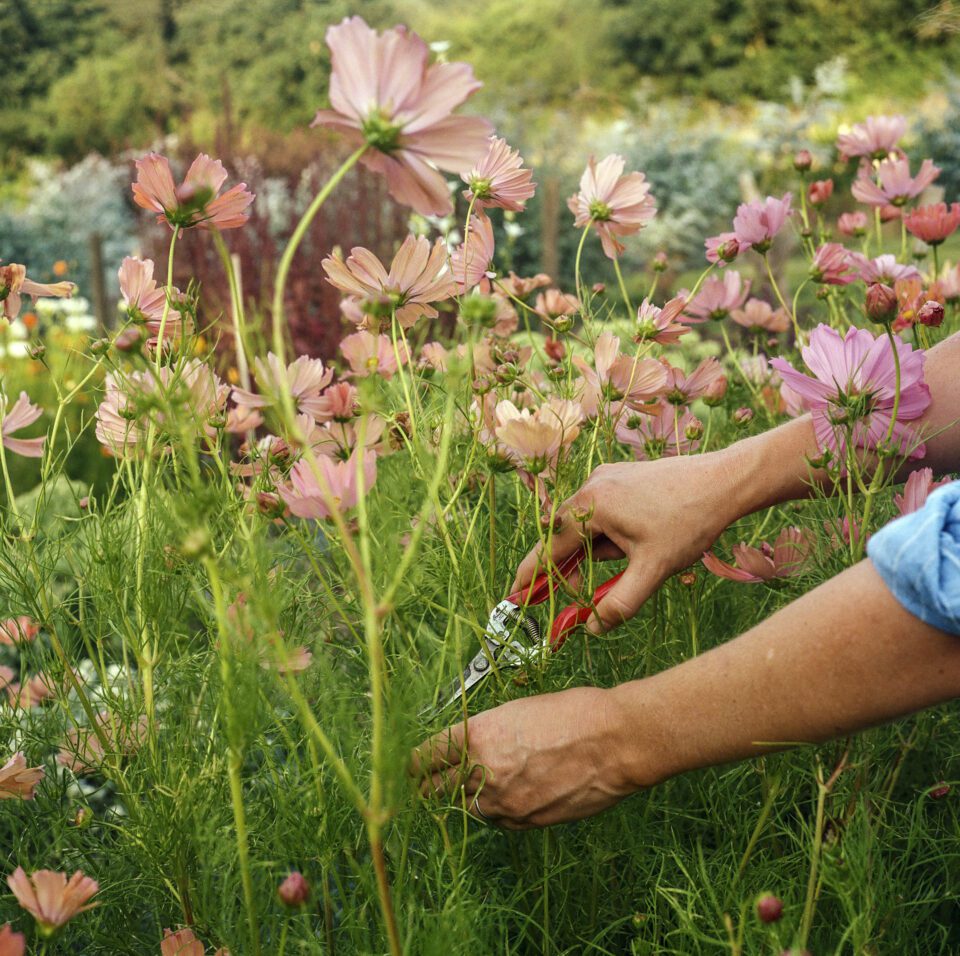
The images are emblematic of Coates’ oeuvre, an artist who approaches her subjects with unparalleled generosity. A farmworker herself, the artist brings an informed and deeply empathetic perspective to her practice. Each image draws on her own experience of agricultural work, developed in dialogue with those whose lives and understanding of the land have shaped the project. Rather than presenting an idealised vision of the countryside, the photographs reflect on the everyday realities of rural working life and the communities that sustain it. The thing that really sets Coates’ work out from the crowd is her ability to pull out the significance in quiet moments. Hands trimming dense flora or lovingly holding seeds reveal the actual, human attention, love and commitment that goes into maintaining these vast crops.
This series is just the latest in a long line of impressive work from Coates, who has committed much of her artistic platform to sharing the voices of those living in rural, working-class areas. Her impactful 2022 project, The Lie of the Land, positions the ravaged landscape next to portraits of working-class women from rural areas in the Northeast of England, as well as still lifes of the objects important to these subjects. A tryptic from the series was shortlisted for the 2025 Aesthetica Art Prize. Meanwhile, Daughters of the Soil examines the role of women in agriculture in Northumberland and the Scottish Borders. In 2023, she was awarded the Baltic Vasseur Arts Award, resulting in The Middle of Somewhere, addressing housing, climate and the countryside. The work was longlisted for the Deutsche Börse Prize.
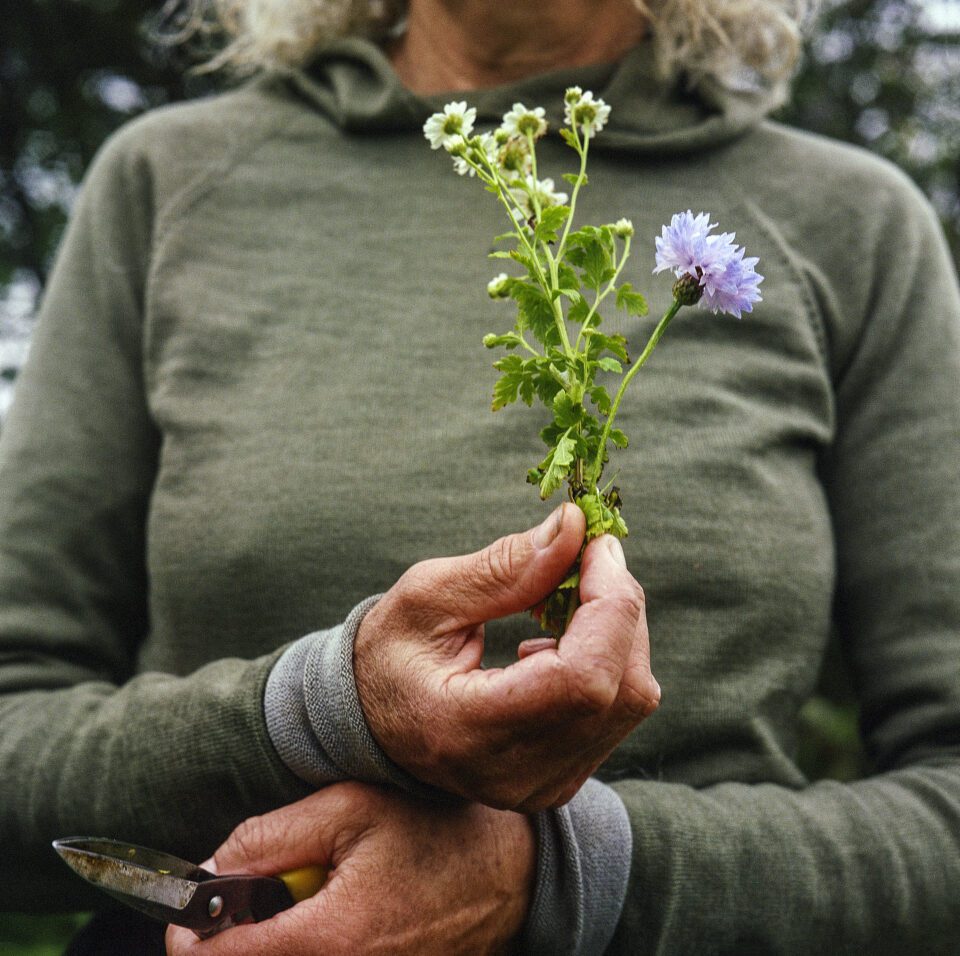
Cornish Gold feels like a natural next step in Coates’ career, and once again, reminds audiences why she is one of the most defining figures in contemporary photography. She represents the next generation of documentary practitioners, working in collaboration with her sitters to produce something that distils their place in the world into a singular shot. It’s no easy feat, and yet she manages to consistently lead with empathy and nuance, holding the complexity of working-class rural life in her work without simplifying or generalising. The series continues this, shining a light on the people behind the UK’s flower industry.
Cornish Gold: Custodians of the Soil is at Kestle Barton, Manaccan, Cornwall from 12 September – 31 October: kestlebarton.co.uk
Words: Emma Jacob
Image Credits:
All images: Joanne Coates, from the series Cornish Gold © Joanne Coates. Courtesy Kestle Barton.