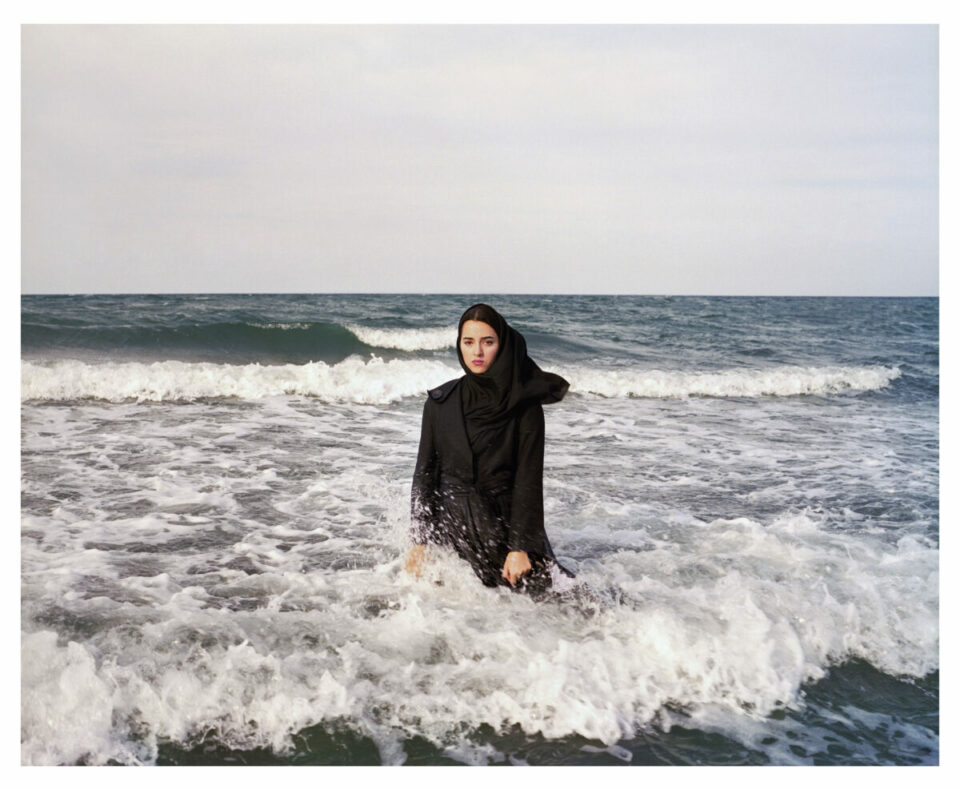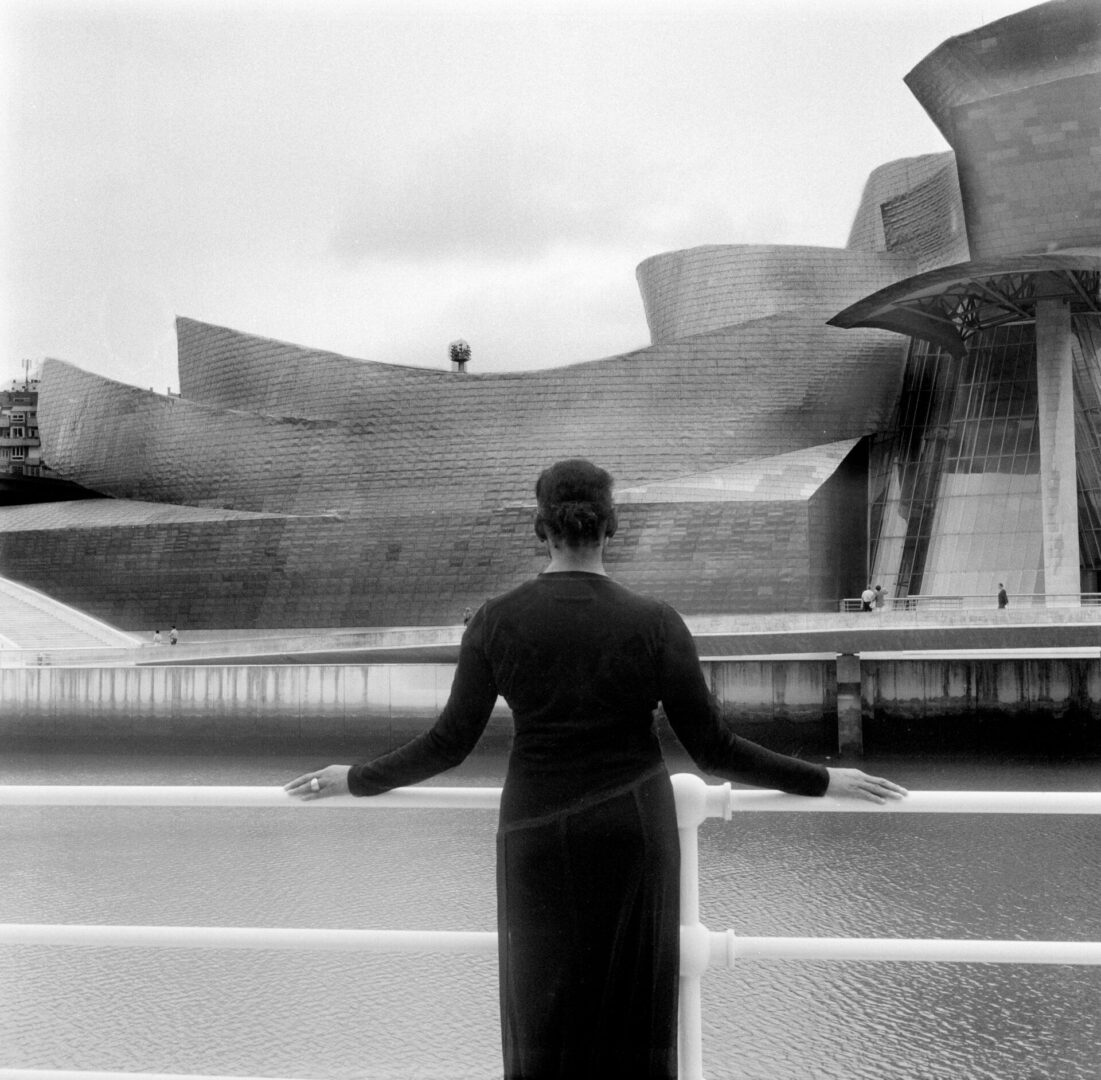
In 2024, the British Museum came under international pressure to return several “contested objects” – including Parthenon Sculptures, Rosetta Stone and Benin Bronzes – to their country of origin. Other galleries, such as the National Gallery, London, made the headlines when climate activist group Just Stop Oil targeted canonical works like Vincent Van Gogh’s Sunflowers, throwing soup at the painting. Meanwhile, Donald Trump’s election to the US presidency triggered a slew of contentious moves, including an effort to fire the director of the National Portrait Gallery. He also took the unprecedented step of naming himself as chair of the John F Kennedy Center for the Performing Arts in Washington DC. Afterwards, he wrote “no more drag shows or other anti-American propaganda,” on his Truth Social account. It is increasingly clear that artistic and cultural spaces are inextricably tied up with social and political life.
A new publication from Thames & Hudson navigates this topic. It broaches a remarkable range of ideas, from toxic philanthropy, corporatisation and decolonisation to legacies of theft and looting. Museums and Social Justice is a blueprint for how institutions can, and must, do better. Author Maura Reilly introduces readers to their historic origins. Many public museums evolved from wealthy collectors’ “cabinet of curiosities”, often acquired through empire and colonisation, taking items of cultural significance back to home nations. These imperial networks saw countless artefacts displayed on the shelves of the British establishment, before moving to public museums and galleries. Just two paragraphs into the volume, Reilly states: “Racism, sexism, heteropatriarchy, Euro-American-centrism (which in this context will primarily refer to Europe, as well as the US and Canada) – these have been the cornerstone of museums since their founding. Discrimination is built into its DNA.” It’s a powerful assertion, which sets the tone for a volume that does not shy away from the monumental task of moving museums towards social justice.

She then progresses from these dubious origins through to contemporary points of debate that are defining how we view these shared spaces today. One such example is “art washing.” The term describes individuals who use philanthropic donations and involvement in the arts to launder money and improve reputations that are built from disreputable sources, such as fossil fuels and war profiteering. Reilly describes: “Many of the 1% patrons that join these fiduciary museum boards often do so for tax advantages, which allow them to deduct their financial contributions to nonprofits and charities for their taxable income. Sometimes donations are given in order to name a part of a museum’s property after the patron – a wing, a building, a gallery, an entrance, or sometimes an entire museum.”
Cultural institutions, when pushed on the topic, often point to mounting budgetary problems as a justification for accepting donations from dubious sources. It’s an explanation that reveals the dire state of public funding for the arts. We can point to other countries as an example: the director of the Moderna Museet in Stockholm doesn’t have to raise money because the museum receives 100% government funding. Reilly is realistic the prospect of this happening around the world, particularly in the USA, where she is based. Instead, she encourages an alternative option, suggesting museums rethink their identities without abundant money, working with a budget that reflects fiscal responsibility, reconceptualising museum boards and training teams on nonprofit governance. They’re ideas that arguably should already be embedded in common practice, but a future where this is a reality feels dishearteningly far away.
Reilly is particularly adept at capturing the feeling of uncertainty that defines the current moment, describing “a museum world in the midst of a cultural reckoning.” She does not shy away from the book’s slippery and ever-changing context, acknowledging limitations head-on. It is a fact underscored by the two-page postscript, which explains how the world has changed since the manuscript’s completion in June 2024. Reilly paints a picture of an art world under immense threat, and her final statement references Margaret Atwood’s dystopian novel, The Handmaid’s Tale. She says: “for the foreseeable future, the US is without question the new Gilead.” This haunting last note drives home the urgent need to demand justice.
Museums and Social Justice: Towards Reckoning and Change is published by Thames & Hudson on 12 September: thamesandhudson.com
Words: Emma Jacob
Image Credits:
1. Carrie Mae Weems. Guggenheim Bilbao, 2008. Pigment print. Courtesy of the artist and Jack Shainman Gallery, New York. © Carrie Mae Weems.
2. JJJJJerome Ellis, Impediment Is Information, 2021. Single-channel video. Courtesy of the artist.
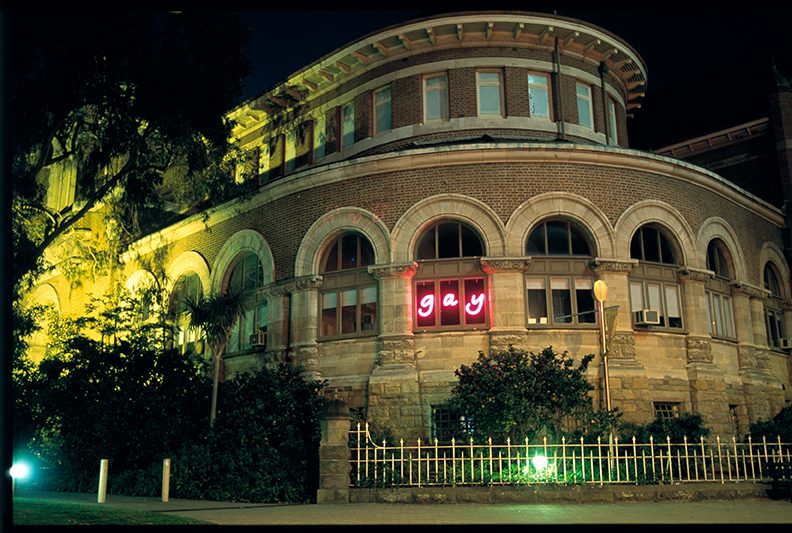
3. Jo Darbyshire, “GAY” neon artwork, for The Gay Museum exhibition, 2003, Western Australian Museum. Photo: Suzi Wild © Jo Darbyshire.