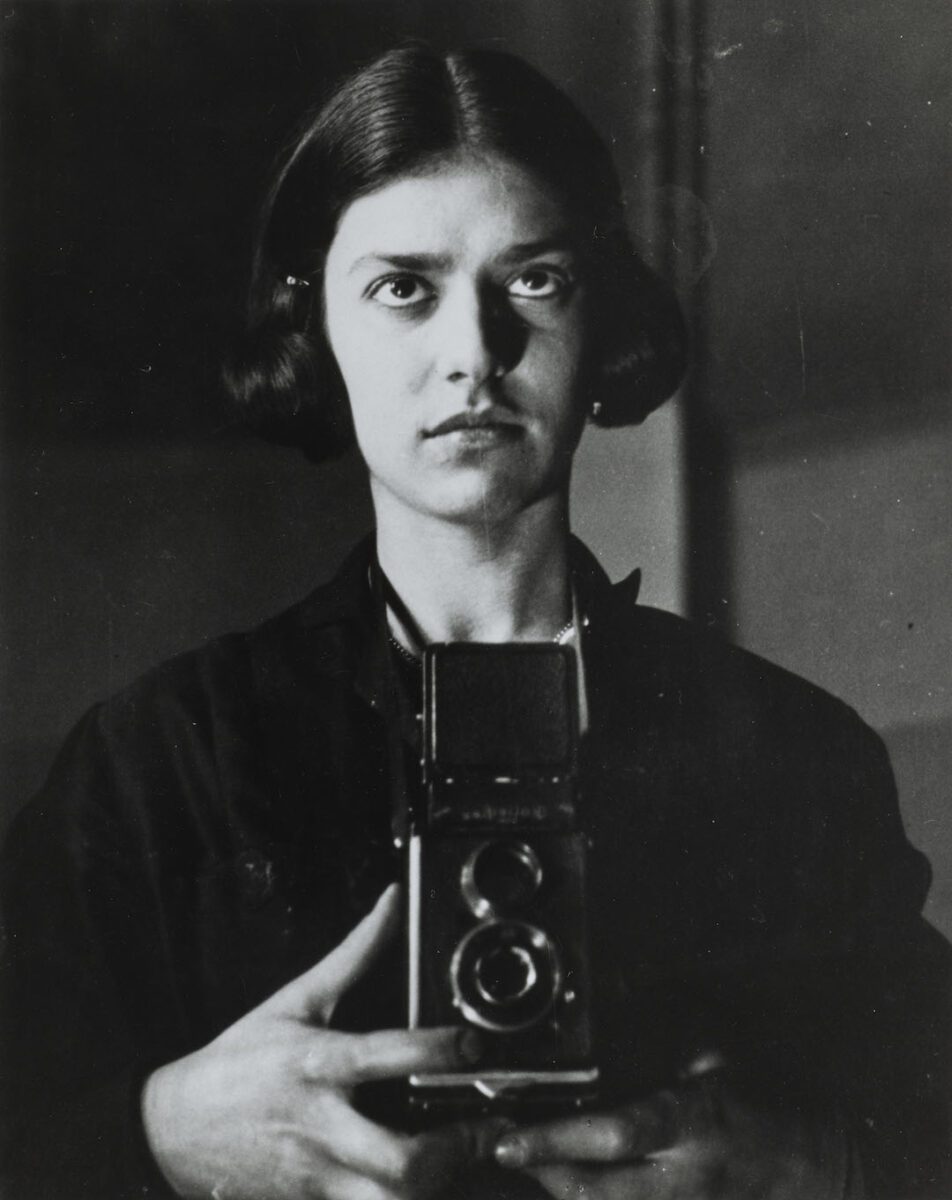
When she was a teenager, living in Budapest, Eva Besnyö (1910 – 2003) received a camera from her father. It was a pivotal moment: Besnyö would go on to become a driving force in Dutch photography in the 20th century, helping to liberate it from its early role as a tool for simply recording physical reality or imitating painting. Instead, she turned it into a fine art form defined by experimentation and expression. Her story is the subject of The Liberated Camera, a retrospective opening in September at Foto Museum den Haag.
Besnyö’s journey from Hungary to the Netherlands was influenced by several factors. In Budapest, she took lessons from the renowned photographer József Pécsi, who encouraged her to leave for Berlin in 1930 to pursue her talents. Two years later, due to the rise of fascism, she was forced to move to the Netherlands, where she settled in Amsterdam. During WWII, Besnyö, who was Jewish, had no choice but to temporarily give up work and go into hiding. After the war, she turned her camera on a society in flux.
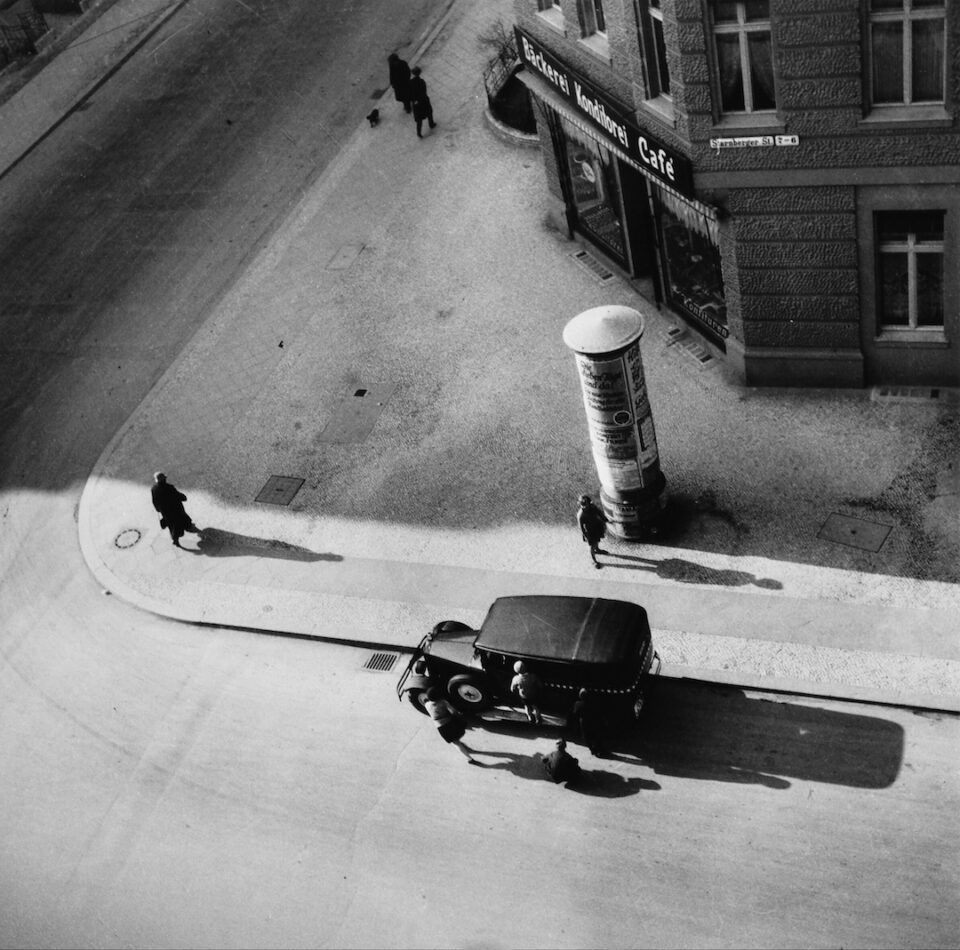
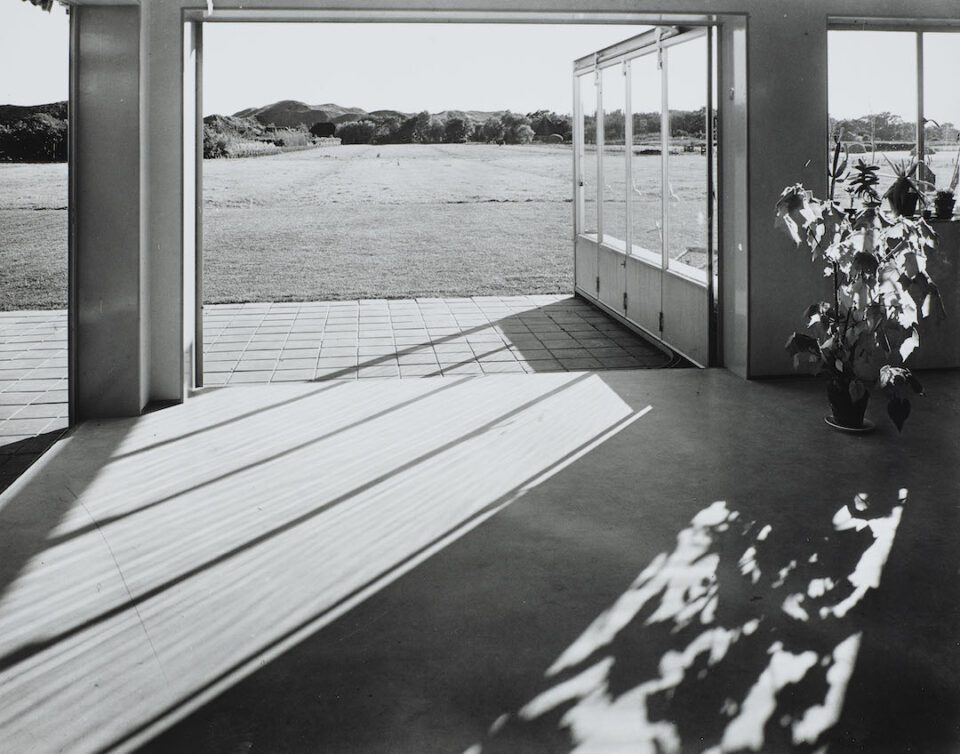
Besnyö became a key figure in the New Photography movement in the Netherlands, a group whose work was characterised by a modern approach and a focus on everyday subjects. Surprising camera angles, strong diagonal lines and clear compositions are emblematic of this style. She captured architecture, cities and people with a keen eye, transforming everyday scenes into dynamic prints that feel constantly in motion. A street corner, shot from above, appears like a world in miniature – complete with tiny figures and cars. Gymnasts bend and stretch, forming abstract patterns. Doors open wide and let light in. Every one of the images on view was printed in a darkroom, either by Besnyö herself or under her supervision.
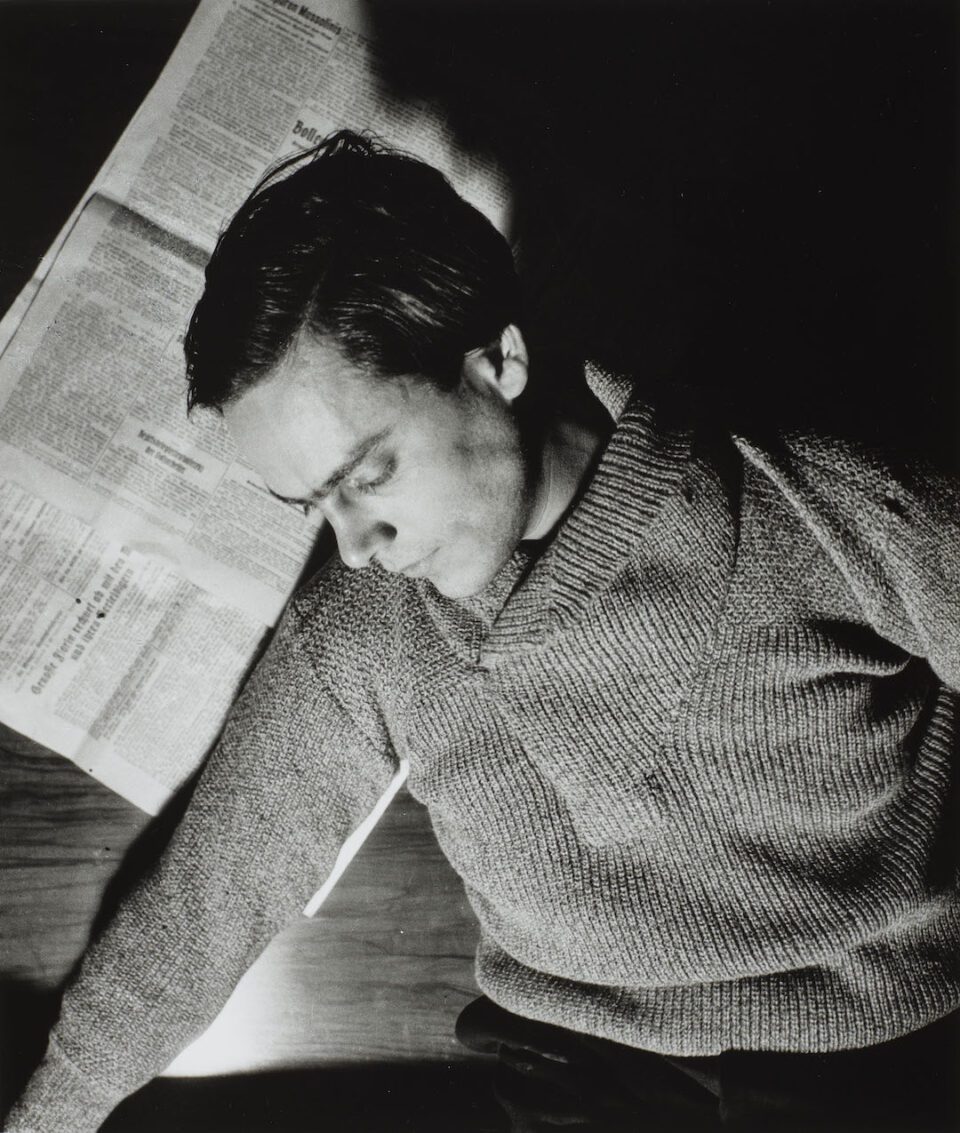
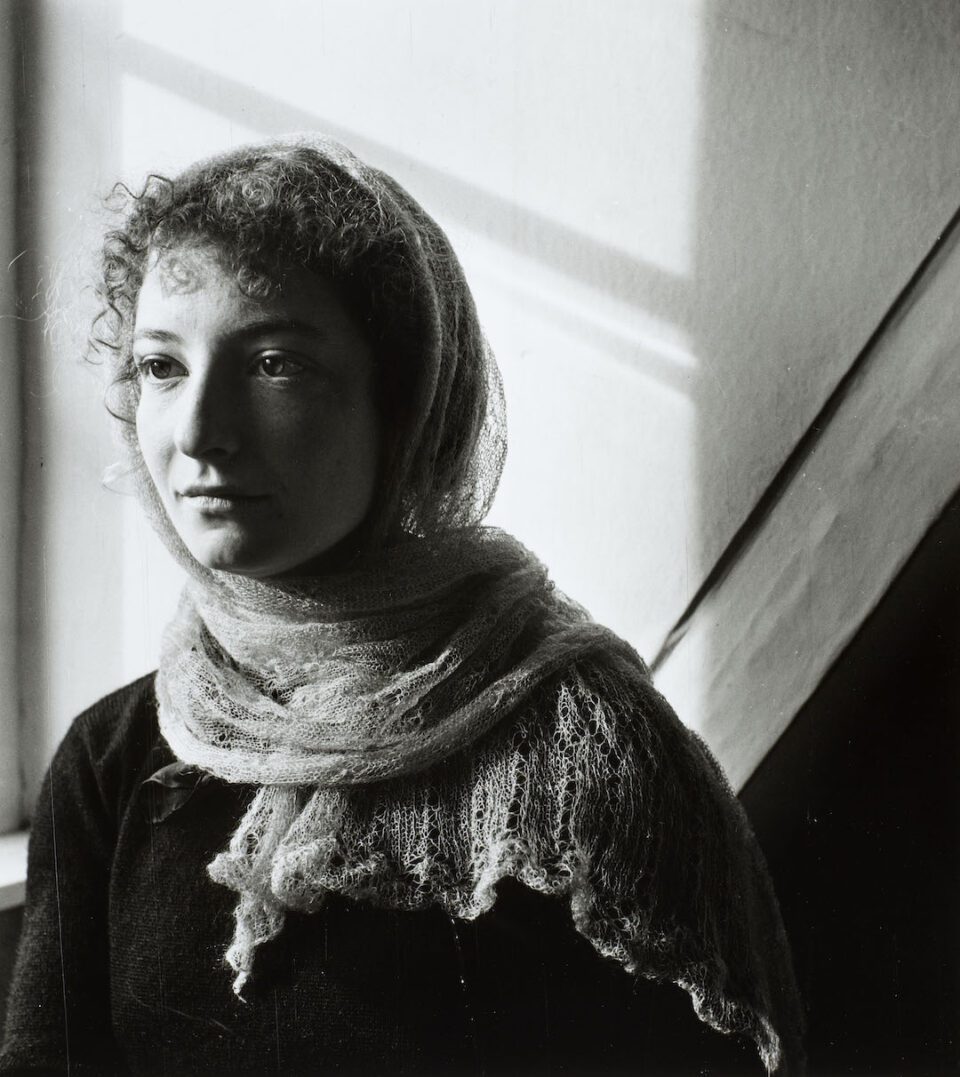
The Liberated Camera is set against the backdrop of a profoundly changing Europe. It traces this history through the lens of Besnyö’s life, starting with her childhood in Hungary and move to Germany, through her wartime experiences and into her postwar career in the Netherlands, where she was part of a progressive creative network. Her artistic connections are brought to life through a number of portraits, which depict the likes of artist and designer György Kepes and fellow photographer Violette Cornelius, among others. Besnyö brought her signature sense of invention to documenting people, too, using light and shadow to convey emotion and personality. This exhibition also draws attention to her work championing women’s rights, particularly in the 1970s. It includes images of protests led by feminist action group Dolle Mina, whose demonstrations and activist campaigns were often rooted in play and humour.
“Besnyö had not only an exceptional talent for photography, but strong entrepreneurial instincts as well,” says Margriet Schavemaker, General Director of both Kunstmuseum and Fotomuseum Den Haag. “From her position as a migrant, she managed time and again to earn a place for herself in leading artistic circles; to build her own career through photo commissions; and to carry out initiatives that advanced photography as an art form, such as the groundbreaking Foto ’37 exhibition in the Stedelijk Museum.”
Besnyö passed away on 12 December 2003 in Laren, an historic town in North Holland. She left an indelible mark on her medium, helping to widen its aesthetic definitions whilst also using her work to fight for social change. Besnyö did more than document a changing society. She helped change how photography was perceived, showing that it could challenge established ways of seeing – a role it still plays today.
Eva Besnyö – The Liberated Camera is at Fotomuseum den Haag from 5 September 2026 – 31 January 2027.
Words: Eleanor Sutherland
Image Credits:
1. Self-portrait with Rolleiflex camera, Berlin, 1931 © Eva Besnyö / Maria Austria Institute
2. Berlin, 1931 © Eva Besnyö / Maria Austria Institute
3. Artist and designer György Kepes, Berlin, 1931 © Eva Besnyö / Maria Austria Institute
4. Summer house of the Dijkstra family, designed by architects Merkelbach and Karsten, Groet, 1934 © Eva Besnyö / Maria Austria Institute
5. Pauline Citroen, Amsterdam, 1954 © Eva Besnyö / Maria Austria Institute