

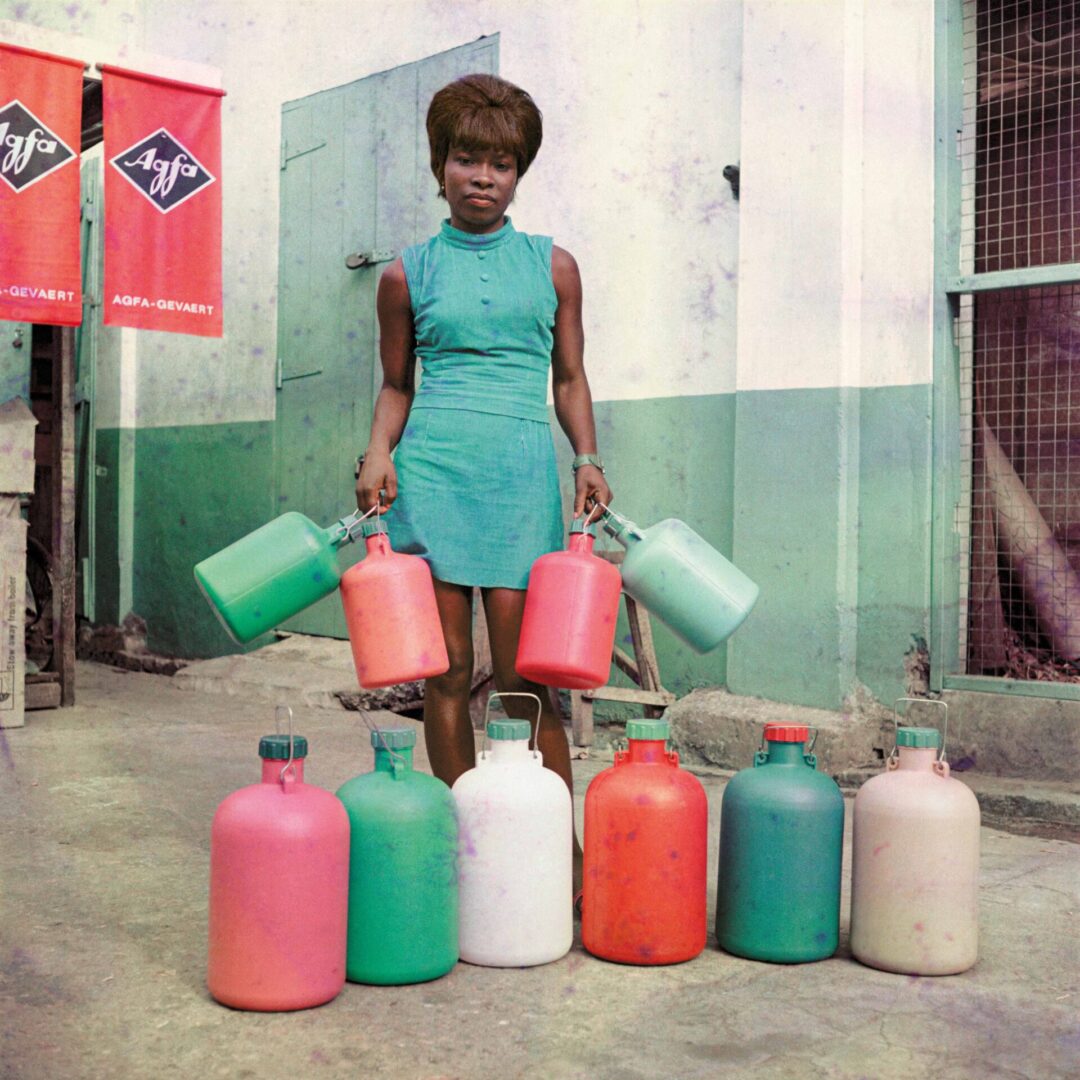
This is Photography, the latest publication from Thames & Hudson, opens with a conundrum: how do we define the artform after two centuries and countless developments? From the first image, widely recognised as Nicéphore Niépce’s View from the Window at Le Gras (1826), to the 5.3 billion photos taken every day worldwide today, the medium has become a defining force in contemporary life. It’s almost difficult to draw a line from that first, miraculous photograph to a selfie taken in 2026, tracing the winding journey from analogue to digital, via street photography, photojournalism, studio works and staged scenes. It’s a complex history that author Nathalie Herschdorfer lays out for the reader immediately. She does not shy away from this nuance, offers no easy answers, instead confronting audiences with the fact that: “Photography is two centuries old – two hundred years during which a wealth of images, perspectives, techniques and narratives have unfolded. This book offers a journey through history, year after year, image after image. Photography is certainly a universal language that has permeated every region of the world, but it is, above all, a complex territory. It is at once art and document, memory and fiction, intimate expression and a tool for propaganda, it is a personal work or a commercial commission, an artistic quest or a livelihood. This ambivalence is at the heart of its history and is precisely what makes it so rich.”

This sweeping introduction is emblematic of what is to come. Readers can simply buckle in and enjoy the ride. As Herschdorfer promises: “this book embraces diversity. It does not seek to establish a hierarchy or to freeze an official history.” This is not a project about merely what the camera can do, but how we see, why we see and what changes through time. The book follows a linear timeline, largely taking us from that very first photography through to today, but it’s reach is huge, often placing era-defining images alongside lesser-known works to give a more rounded feel to an era or movement. The final product is comprehensive, acting almost as an encyclopaedia rather than a monograph. Each listing comes with a categorisation of its type of photograph, artistic process and a brief explanation of its creation. Perhaps most interestingly is a feature that could easily be overlook, inviting readers to “see also” before listing other artists on other pages. Here, new connections are drawn, between Lewis Carroll and Sally Mann, Alexander Gardner and Robert Capa, Alfred Steiglitz and Immogen Cunningham.
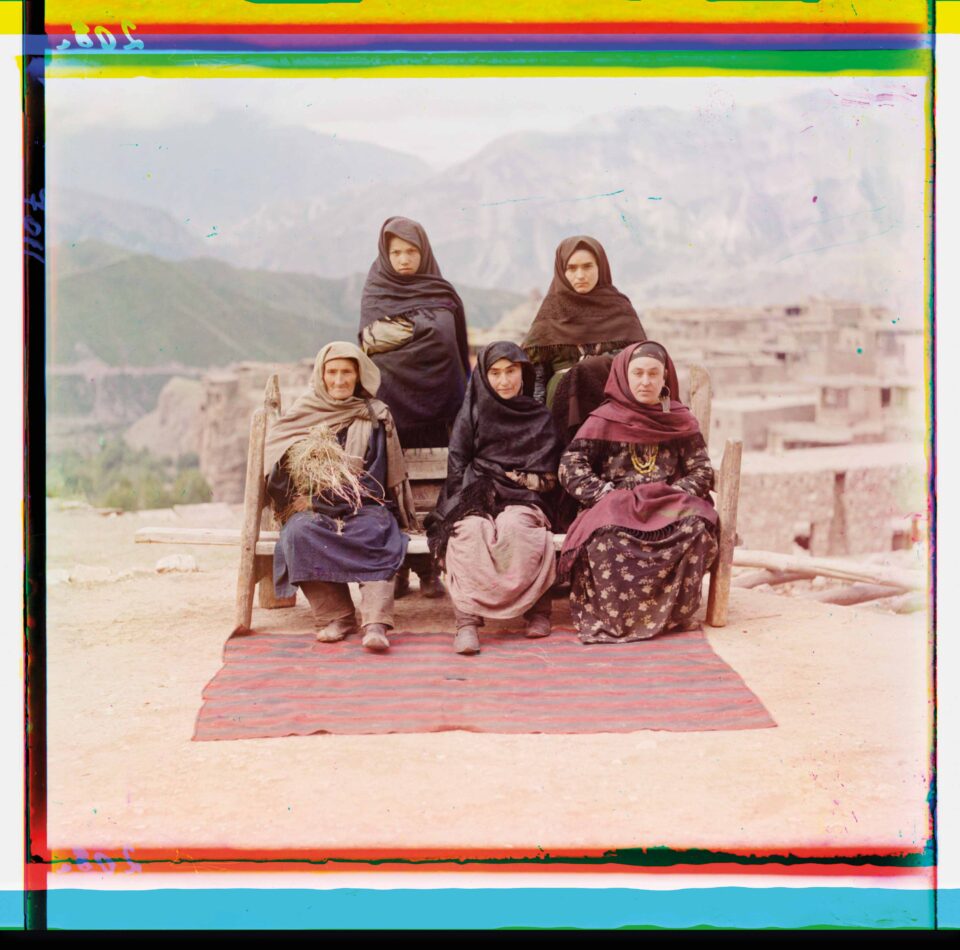
Where this publication really shines in when we catch a glimpse of the intersection between photography and wider social and cultural narratives. In the second chapter, titled Innovation and the Birth of Photojournalism, this comes to the fore. William D. McPherson’s The Scourged Back (1863) is a portrait of an enslaved person during the American Civil War. The itinerant photographer documents Gordon, a man photographed as part of a medical examination before enlisting in the Union Army. The image reveals scars caused whippings the man had received. Also in this section is one of the earliest photographs used in the press. The shot, taken by an unknown journalist, captures a New York shantytown, offering a rare visual record of urban poverty at a time of industrial growth, mass immigration and precarious housing. Fast forward to the 20th century and we get the first cover of Life magazine; the infamous retouched photograph of Joseph Stalin, one of the earliest examples of photographic manipulation; Robert Capa’s image of the D-Day landings; and Harold Edgerton’s Milk Drop Coronet. Each page is a reminder that photography witnesses, shapes and, crucially, is part of history.
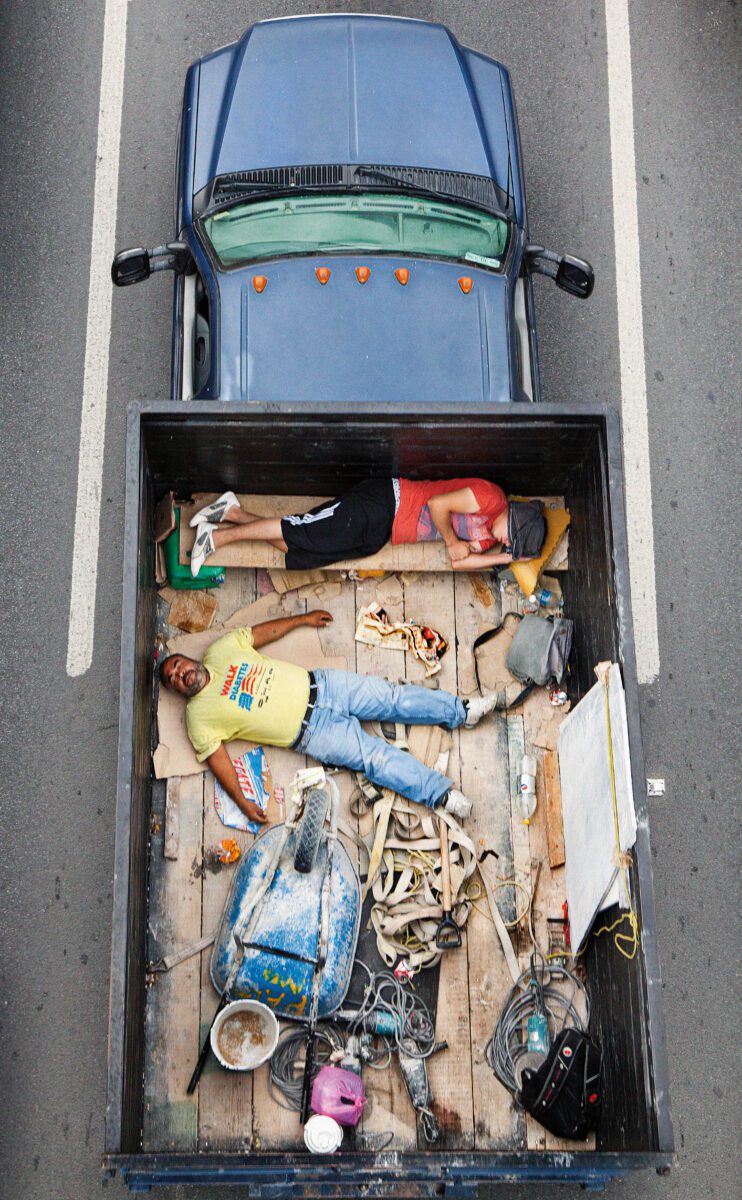
As the book progresses, there’s a subtle but vitally important shift. Those wielding the camera begin to use it for more than documentation, instead understanding it to be a tool to advocate for social activism, shine a light on injustice and make a statement to the world. As photography became more widespread, so too did its influence. Here, Herschdorfer discusses how South African artist Ernest Cole became one of Apartheid’s most powerful critics through his unflinching portrayal of racial oppression. French photographer Raymond Depardon’s reportage from the 1968 Mexico Olympic Games includes an image of the American athlete Lee Evans, winner of the 400 metres, wearing the Black Panthers’ beret and raising a fist during the medal ceremony. The author also headlines Martha Rosler’s work as “transforming photography into a critical act,” describing her work Playboy as “a decisive moment in the reappropriation of images, used here to question visual and ideological mechanisms. It illustrates the transformation of the photographic act into a critical tool, going beyond mere recording of reality or pure aesthetic production.”
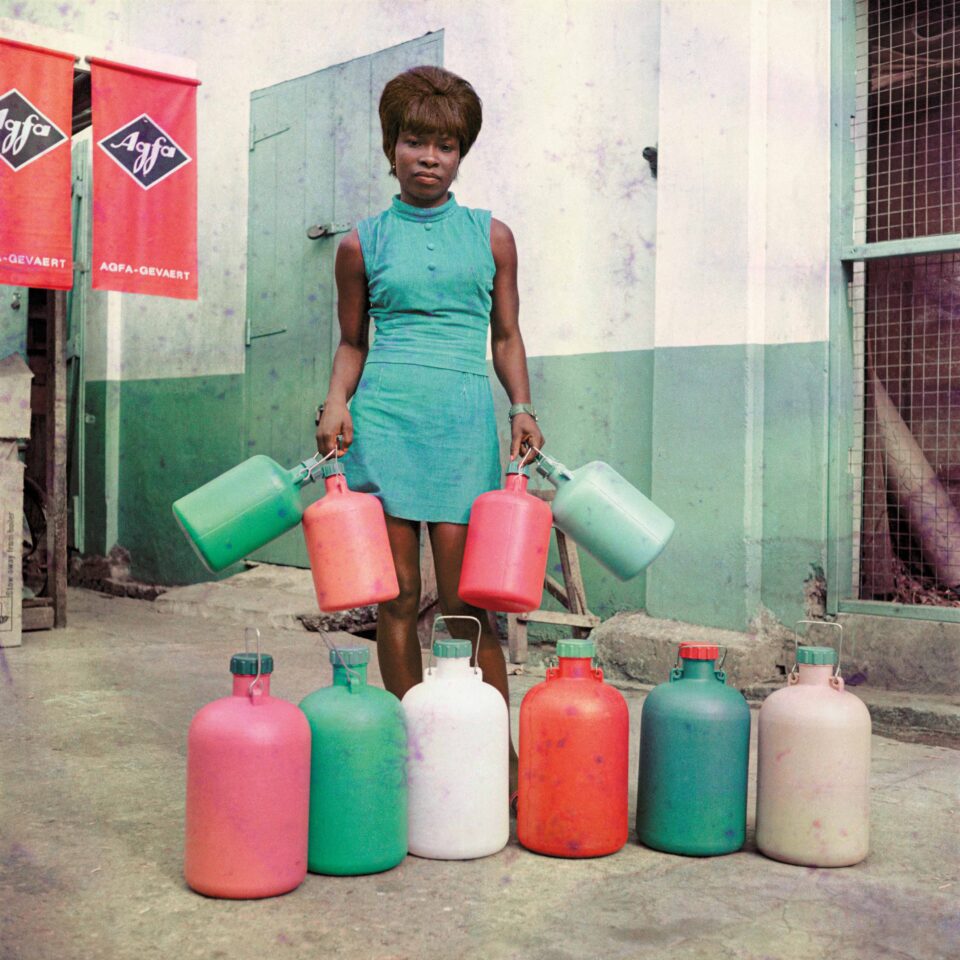
This ambitious publication set itself up with lofty ambitions, promising to be the “ultimate guide to the magic and mystery of photography.” It’s a statement that it largely follows through on, bringing a wealth of historical context and technical understanding to the genre’s two-hundred-year development. The end result is a panoramic celebration of how the camera changed the way we see the world.
This is Photography: The First 200 Years is published by Thames & Hudson on 27 August: thamesandhudson.com
Words: Emma Jacob
Image Credits:
1&5. James Barnor (b. 1929), Sick-Hagemeyer Assistant, Accra, 1971, printed 2023. C-print, 50 × 60 cm (19 ¾ × 23 5/8 in.) Courtesy Galerie Clémentine de la Féronniere. © James Barnor.
2. Michael Wolf (1954–2019), The Gorge, from the series Architecture of Density, C-print © Estate of Michael Wolf.
3. Sergei Prokudin-Gorskii (1863–1944), selection of images from autochrome colour series of the Russian Empire, 1905–15. Credit: Prokudin-Gorskii photograph collection, Library of Congress, Prints and Photographs Division, Washington DC.
4. Alejandro Cartagena (b.1977), Carpoolers #1, 2011–12. Archival pigment print. Courtesy of the Artist and Patricia Conde Gallery.


