Photography has long shaped how communities are seen, remembered and understood. However, the history of the medium is also a history of omission, where image-makers and visual archives have remained outside dominant narratives. Bold and Brilliant: The Rise of Black American Magazines, 1930 – 1970 addresses this by examining the vital role of Black picture magazines as spaces of representation, cultural affirmation and social commentary. Bringing more than 100 images by 50 photographers across nearly 100 publications, the Museum of Fine Arts, Houston reveals how these magazines documented a transformative period marked by the Great Migration, the Civil Rights Movement and the emergence of Black cultural self-definition. Instead of presenting photography as a passive record of history, the exhibition considers images as active agents in shaping identity, aspiration and collective memory.
Between 1930 and 1970, hundreds of general-interest magazines created specifically for Black audiences circulated across the United States, offering alternatives to the restricted and often distorted representations found elsewhere in mainstream media. Publications including Ebony, Sepia, Newspic and numerous regional titles provided platforms where everyday life, professional achievement, fashion, music and political activism could be portrayed with complexity and dignity. Before the expansion of digital media, these publications were central meeting points for communities separated by geography but connected through shared experiences and ambitions. Their pages constructed visual languages of belonging, presenting Black life not through the lens of marginalisation but through creativity, excellence and resilience. The exhibition positions these magazines as significant cultural archives – not only preserving moments in time but shaping how generations understood themselves.
Curated by Lisa Volpe, curator of photography at the Museum of Fine Arts, Houston, alongside Anjuli Lebowitz, Judy Glickman Lauder Curator of Photography at the Portland Museum of Art, and Brian Piper, Freeman Family Curator of Photographs, Prints, and Drawings at the New Orleans Museum of Art, Bold and Brilliant emerges from extensive archival research and recovery. The curatorial approach moves beyond familiar photographic histories to investigate the networks of photographers, editors and publications that sustained Black visual culture throughout the twentieth century. More than 300 magazines and around 900 photographers were identified during the research process, revealing a vast creative ecosystem that has remained underrepresented within museum collections. By displaying original magazine spreads alongside photographic prints, the exhibition restores images to their original contexts, acknowledging that their meaning was shaped by circulation, readership and editorial framing.
Photography within these publications operated across multiple registers – as documentation, celebration and intervention. Gordon Parks, whose career has become central to discussions of socially engaged photography, contributed images that explored inequality, labour and community life while also revealing moments of intimacy and everyday experience. His 1943 photograph Untitled, Washington, D.C. (Firehouse Station No. 4) demonstrates his ability to locate complexity within ordinary environments, challenging simplistic narratives of Black American life. Parks’ work sits within a broader field of image-making where photographers used the camera not only to record social conditions but to question who controlled visibility and representation. The exhibition expands this conversation by placing established figures alongside photographers whose contributions have received far less institutional recognition.
A significant achievement of Bold and Brilliant is its attention to the photographers who shaped magazine culture beyond the boundaries of the traditional art canon. Images recovered from archives, libraries and family collections reveal a generation of practitioners whose work was widely circulated but rarely studied within histories of photography. Francis Mitchell’s documentation of figures such as civil rights leader Medgar Evers shows the political importance of these publications, where portraiture intertwines with activism and public consciousness. Meanwhile, photographers working across fashion, beauty and entertainment challenged restrictive ideas of Black aesthetics by presenting style, ambition and self-expression as essential cultural narratives. These images demonstrate that representation was not limited to moments of struggle; it encompasses celebration, aspiration and the everyday construction of identity.
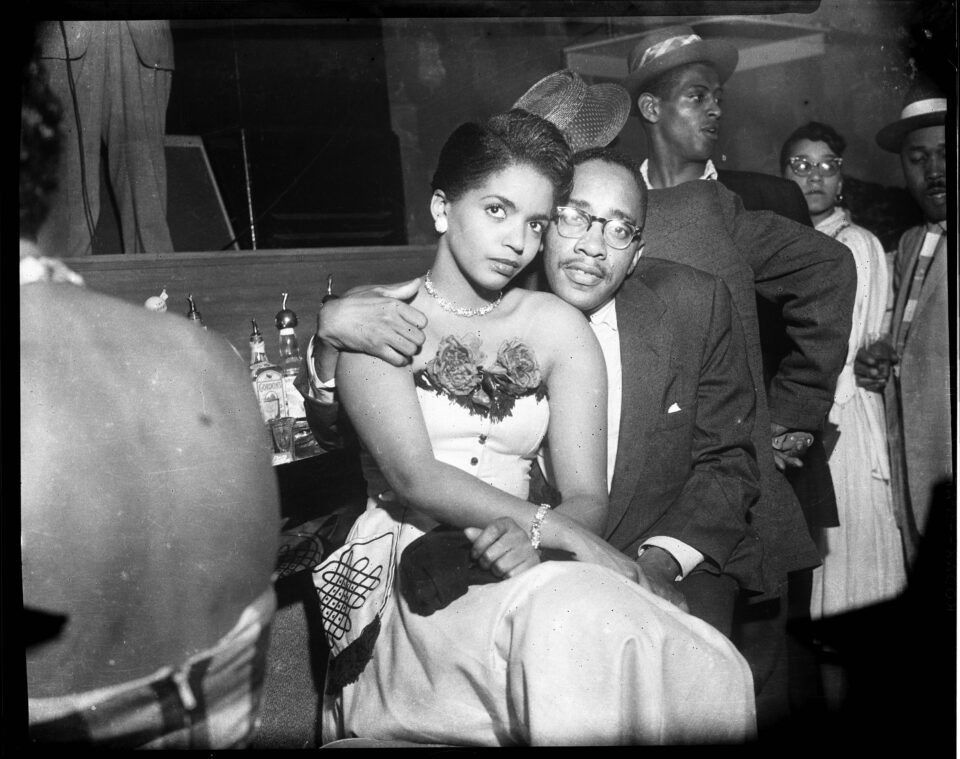
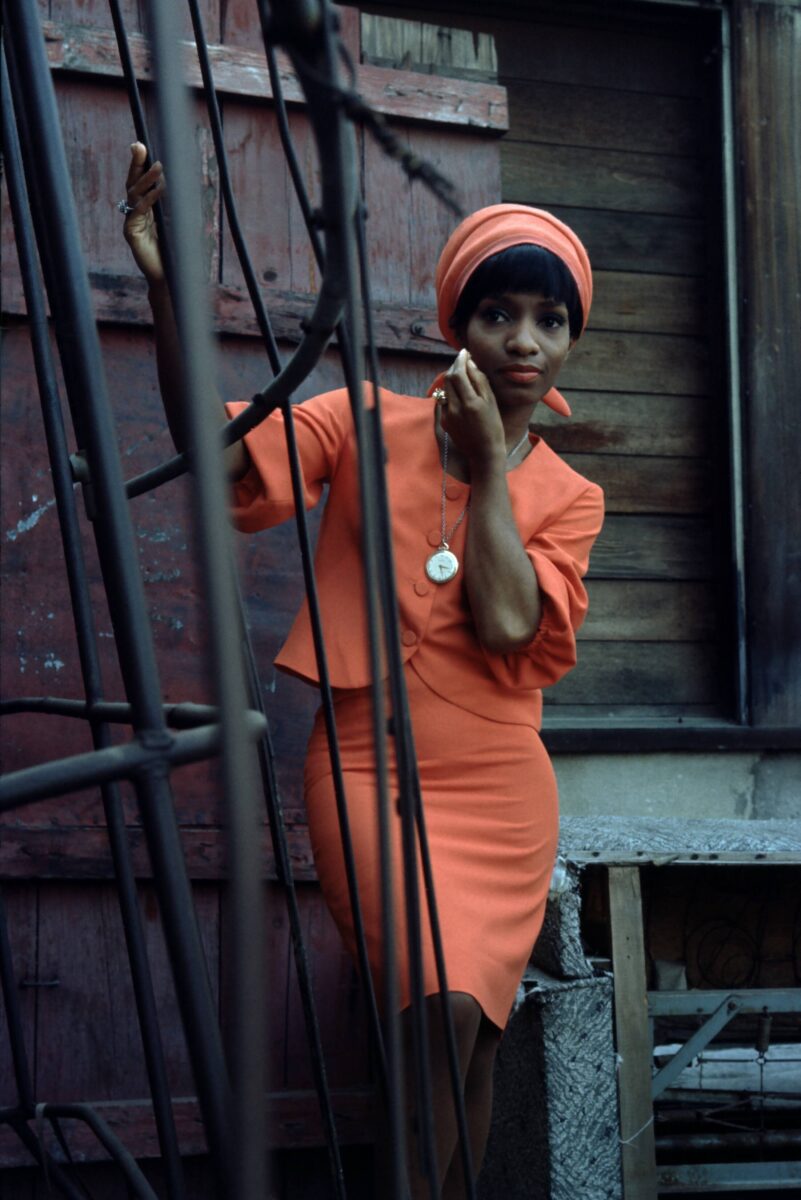
Fashion and beauty imagery form an important thread throughout the exhibition, reflecting the growth of visual movements such as Black Is Beautiful. LaMonte McLemore’s photographs of fashion models capture an evolving understanding of beauty that rejected exclusionary standards and affirmed Black presence within popular culture. Such imagery functioned as both editorial content and social commentary, influencing how readers viewed themselves and their communities. The magazines created spaces where hairstyles, clothing, domestic environments and professional achievements became part of a wider cultural discourse about visibility and empowerment. Thus, the photographic page became a site where aesthetics and politics intersected, showing how seemingly commercial images carry profound social significance.
The exhibition’s thematic structure reflects the breadth of these publications, moving through subjects including fashion and beauty, food and home entertaining, sports, music, nightlife, professions, education and activism. This organisation avoids the reduction of Black history to just a single narrative of resistance, instead presenting a multidimensional portrait of communities negotiating transformation through change and opportunity. The curatorial strategy recognises that cultural identity is formed through a combination of public action and private experience, from political demonstrations to domestic rituals. By highlighting different aspects of magazine production, Bold and Brilliant considers the editorial decisions that shaped collective memory. The resulting effect is an exhibition that examines not only what was photographed, but the reason why certain images mattered to the audiences who encountered them.
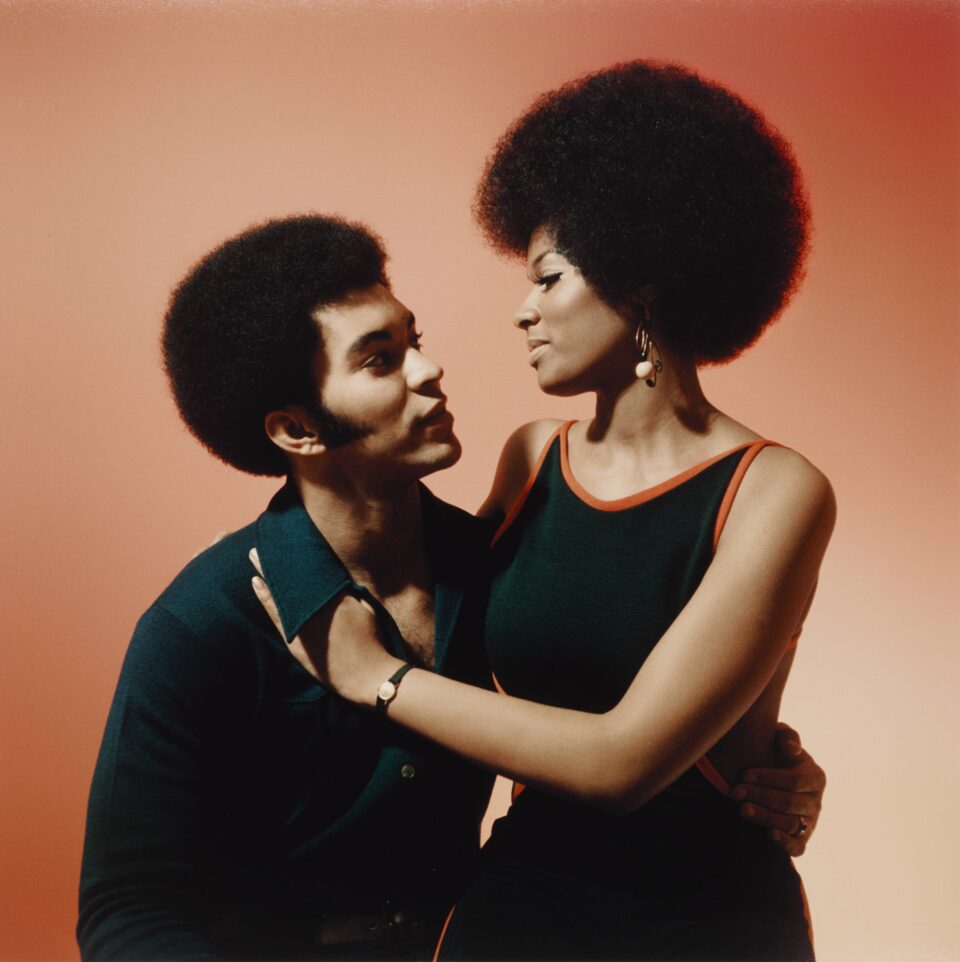
The relationship between archives and visibility is central to contemporary discussions surrounding photography and museums. Across the art world, institutions have increasingly questioned whose images enter collections, whose stories are preserved and whose histories are overlooked. The recovery of Black magazine photography reflects a wider movement towards expanding photographic canons beyond established narratives dominated by European and white American perspectives. However, archival recognition is not just an act of restoration; it also requires an understanding of the cultural systems allowing certain images to circulate while others disappear. Through its research and presentation, Bold and Brilliant contributes to debates about ownership, access and the responsibilities of cultural institutions.
A new digital archive developed through a partnership with the University of Houston extends this dialogue beyond the gallery space. With more than 2,500 anticipated entries documenting rare publications, creating opportunities for future scholarship and public engagement. This approach acknowledges that archives are living structures rather than fixed repositories, continually reshaped through discovery and interpretation. Making these materials accessible allows researchers, artists and communities to engage with histories that have previously remained fragmented. The project therefore operates as both an exhibition and a long-term intervention into the study of American visual culture.
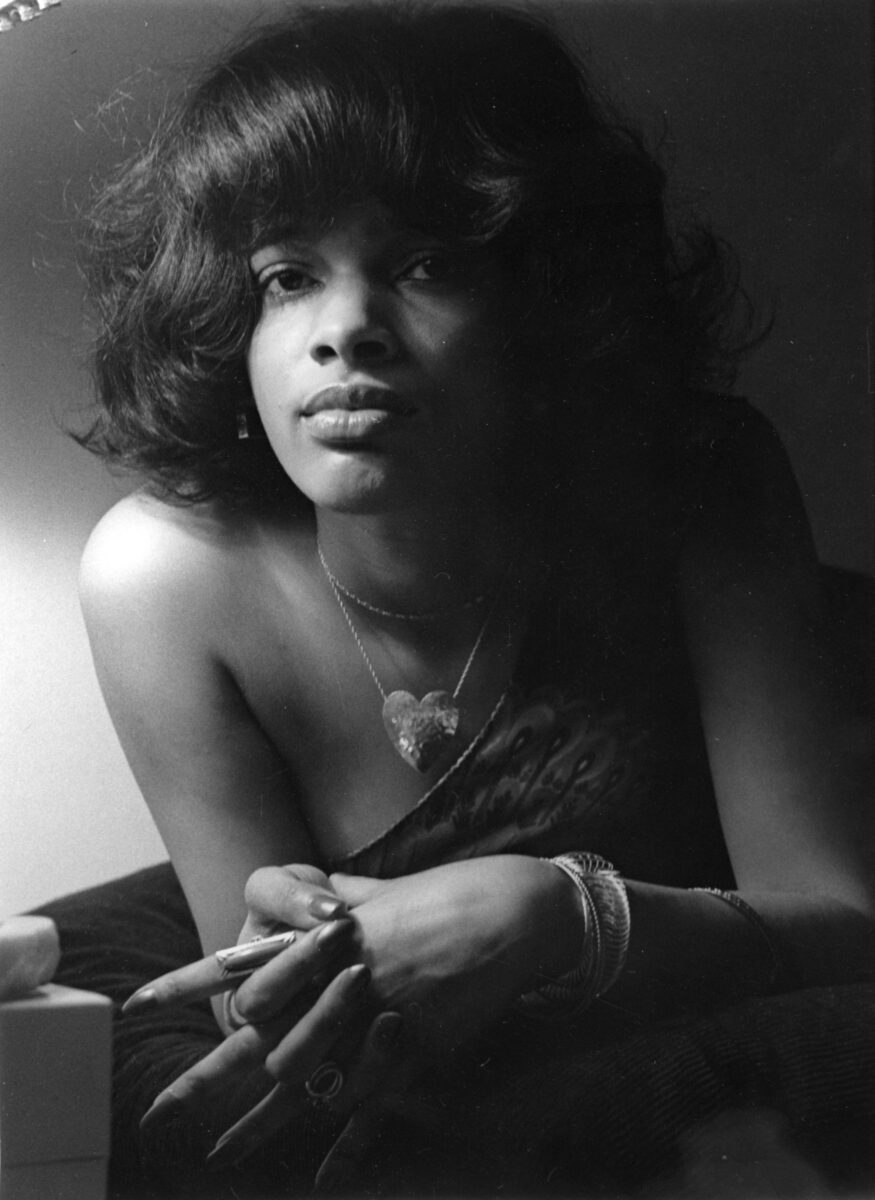
The exhibition’s interdisciplinary approach extends beyond photography itself, positioning the magazine as a meeting point for wider forms of Black cultural production. Music, fashion, sport, politics and domestic life appear not as separate categories but as interconnected expressions of identity, ambition and community. By bringing these visual narratives together, Bold and Brilliant challenges traditional distinctions between fine art and popular media, recognising magazines as influential cultural platforms in their own right. The photographs are not simply records of a particular historical moment; they reveal the networks, aspirations and creative exchanges that shaped twentieth-century American life. Their renewed visibility encourages a broader understanding of photography as an active force in constructing cultural memory and defining whose stories have the ability to enter the historical record.
Opening at the Museum of Fine Arts, Houston early next year, then travelling to the Portland Museum of Art and the New Orleans Museum of Art, Bold and Brilliant is a significant reassessment of a neglected chapter in photographic history. Its importance lies not only in recovering overlooked images but in understanding the conditions that made those images powerful. Black magazines provided communities with the means to represent themselves at a time when mainstream visual culture frequently excluded or misrepresented them. By bringing these photographs into dialogue with contemporary questions around identity, access and representation, the exhibition demonstrates how historical images continue to shape present conversations. Bold and Brilliant reveals photography as a tool of memory and imagination – one capable of preserving lived experience while transforming the possibilities of who is seen and how.
Bold and Brilliant: The Rise of Black American Magazines, 1930 – 1970 opens at Museum of Fine Arts, Houston in February 2027: mfah.org
Words: Simon Cartwright
Image Credits:
1&5. Kwame Brathwaite, Untitled (Couple’s Embrace), c. 1971, inkjet print, the Museum of Fine Arts, Houston, museum purchase funded by Photo Forum, 2026. © 2026. The Kwame Brathwaite Archive.
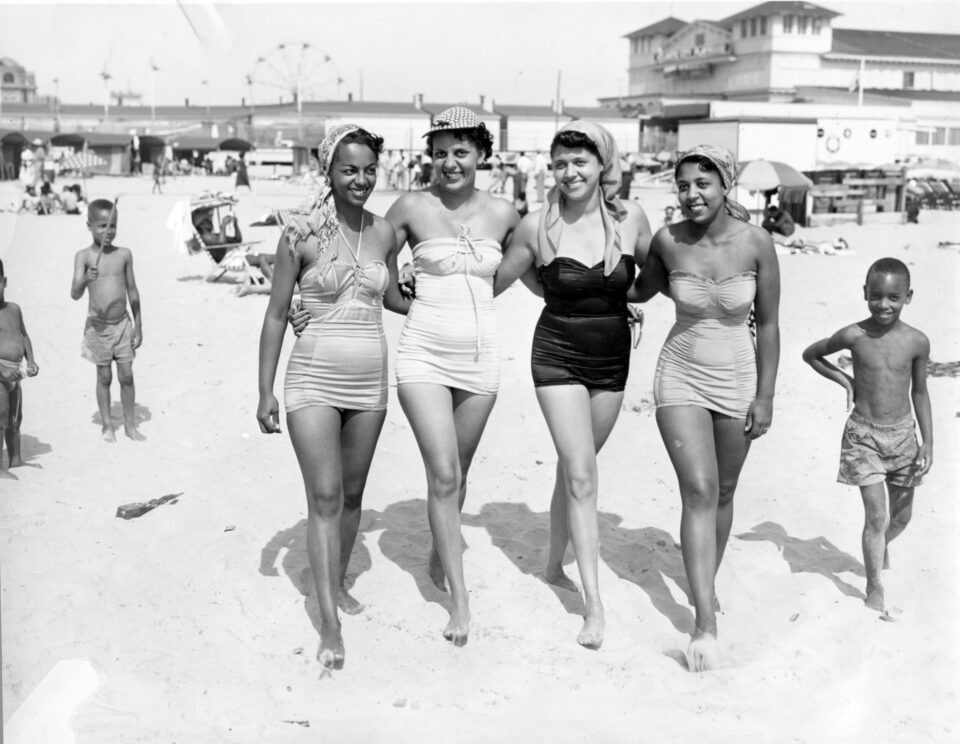
2. John Mosley, African American Women posing on Chicken Bone Beach in Atlantic City, New Jersey, c. 1955, inkjet print, image courtesy and copyright Charles L. Jackson AfroAmerican Collection, Temple University Libraries, Philadelphia, PA.
3. LaMonte McLemore, [Fashion Model], inkjet print, image courtesy Govinda Gallery. © LaMonte McLemore Archive.
4. Charles “Teenie” Harris, Man and Woman at Hurricane Club, c. 1960, Carnegie Museum of Art, Pittsburgh, Heinz Family Fund, 2001.35.2788. © and photo Carnegie Museum of Art.
6. James Gayle, Ms. Gayle, c. 1965, inkjet print, image courtesy and copyright James Gayle Collection.