We are living in the most peaceful time in history. It’s a claim frequently heard in contemporary discourse, often referring to the “Long Peace,” the unprecedented historical period of relative global stability following the end of WWII. It’s perhaps a difficult idea to digest, when much of the news is dominated by the ongoing war in Ukraine, atrocities in Gaza and US airstrikes in Iran. In fact, last year saw international conflicts reach the highest levels since WWII, and the most fatalities recorded since the Rwandan genocide, with approximately 244,600 people killed. So, the question remains: what does peace look like in the 21st century? How do we negotiate it, secure it and, perhaps most difficult of all, maintain it?
The Irish Museum of Modern Art (IMMA)’s latest exhibition is Technologies of Peace: Art and Transition in Contemporary Europe (1989-2026). The ambitious speculative show brings together researchers, artists, thinkers and curators from across Europe, exploring the tools of peace and how they are deployed through an artistic lens. There is a tight focus – the display homes in on the period between the 1990s and today – drawing parallels between Ireland’s complex political history with European counterparts that have had similar pasts. Featured artists include Marina Abramović, Petrit Halilaj, Goshka Macuga, Małgorzata Mirga-Tas, Claudia Pagés Rabal, Christodoulos Panayiotou, Indrė Šerpytytė and Slavs and Tartars. Each one critically examines one of the defining challenges of our time: securing lasting peace.
Annie Fletcher, Director of IMMA, said: “At a moment when Europe is confronting profound political, social and cultural challenges, Technologies of Peace invites us to consider peace not as a fixed achievement, but as a continuous practice that must be nurtured, negotiated and renewed. Bringing together artists from across Europe whose work emerges from histories of conflict, transition and democratic spaces for reflection, dialogue and understanding. As Ireland holds the Presidency of the Council of the European Union in 2026, the show offers a timely opportunity to situate Ireland’s own experience of political transition, reconciliation and peacebuilding within a wider European context. It highlights the shared histories and interconnected futures that bind European societies together, while recognising the different paths through which communities have navigated division, memory and change.”
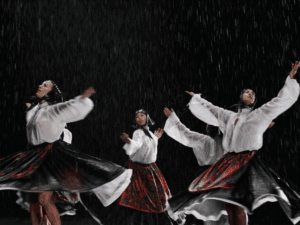
The exhibition uses five chapters to examine the outcomes and approaches: Technologies of People, Language & Translation, Trauma & Reverberation, Ecology & Architecture and Imagining Futures. Together, they illustrate how cultural expression can act as a powerful tool for civic repair; and present a hopeful counternarrative, reaffirming how art can provide the space for critical reflection, solidarity and transformation. Indre Serpytyte’s work is on display, inspired by shared human experiences. In an interview with SheerLux, she explained: “my aesthetic reflects my personal history. Growing up in Lithuania – then an occupied country – with the scars of war and never-ending family stories of trauma, has informed my work enormously. I…create art that explores history, individual and collective memory and loss, across photography, sculpture, performance and painting.” Meanwhile, Kosovar artist Petrit Halilaj takes a personal approach, constructing installations with a strong sense of familial history and memory. He often uses moths as a motif, an image that resonates with the larger social and political context of conflict and displacement, as well as symbolising the persistence of human optimism and metamorphosis.
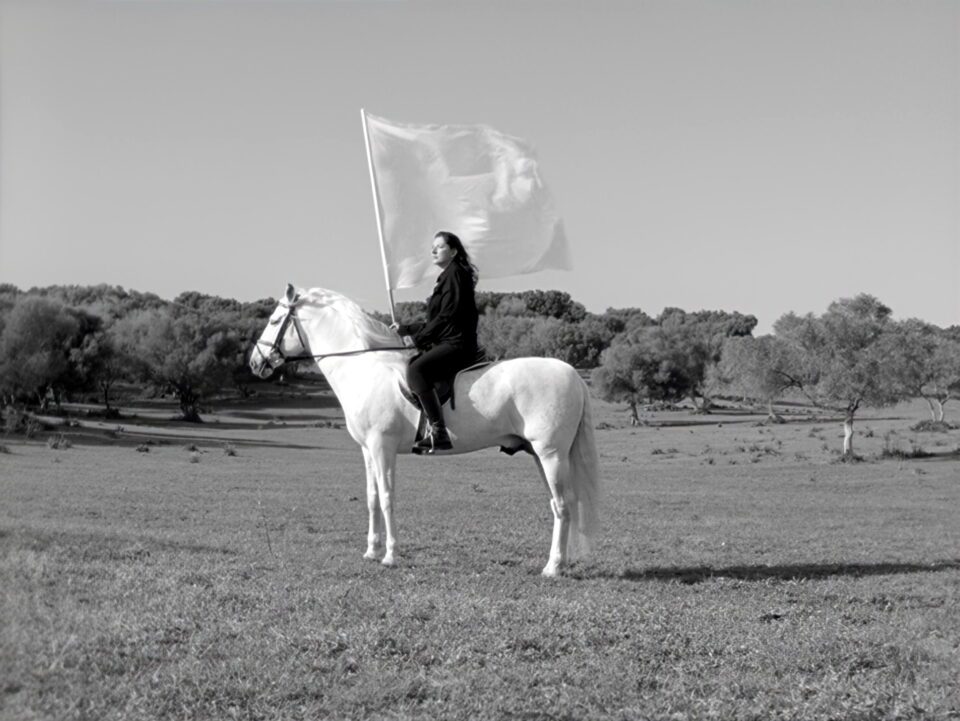
One major practitioner to feature in the show is Marina Abramović, an iconic visual artist whose performances disrupt society’s accepted norms. Much of her practice refers to her Serbian roots. The recent Balkan Erotic Epic at Factory International in Manchester looked back to ancient Slavic rituals that deal with sexuality, the universe and the unanswered questions of our existence. Abramović has gained a reputation for tackling pace and conflict throughout her career. Glastonbury Silence (2024) saw the artist lead 200,000 festival-goers in a 7-minute collective silence on the Pyramid Stage to reflect on war and unity. Meanwhile, Balkan Baroque (1997), a piece where Abramović scrubbed bloody cow bones for days to process the trauma of the Balkan Wars, won the Golden Lion at the Venice Biennale.
The exhibition makes a clear argument: that within peace and conflict research, the study of peace has received far less scholarly attention than the study of war and violence. Those that do pay it any attention tend to equate peace with the absence of direct violence. It is a void, rather than the active presence of something different. This exhibition begins to set this right, examining how free expression, identity management and cultural practices have evolved in post-conflict societies. It forms part of a major five-year research initiative led by IMMA, exploring Technologies of Peace through exhibitions, artist residencies, symposia, co-commissions, research and publications between 2025 and 2030. The programme examines the central role artistic practice and cultural experience play in healing societies, fostering reconciliation and building a shared sense of identity and community.
The IMMA provides audiences with something truly ambitious here, going beyond an exhibition to put together an expansive programme that investigates one of the most pressing and urgent issues of our times. Peace, as we see almost daily in news headlines of failed negotiations and broken agreements, is nebulous and evasive. Here, artists define their place in the complex system of peacemaking, offering a cathartic outlet for shared trauma and grief in the aftermath of conflict, resurrect national and cultural identities that have been shaped by war and allow space for viewers to imagine alternative futures.
Technologies of Peace:Art and Transition in Contemporary Europe (1989-2026) is at Irish Museum of Modern Art, Dublin from 12 September 2026 – 9 May 2027: imma.ie
Words: Emma Jacob
Image Credits:
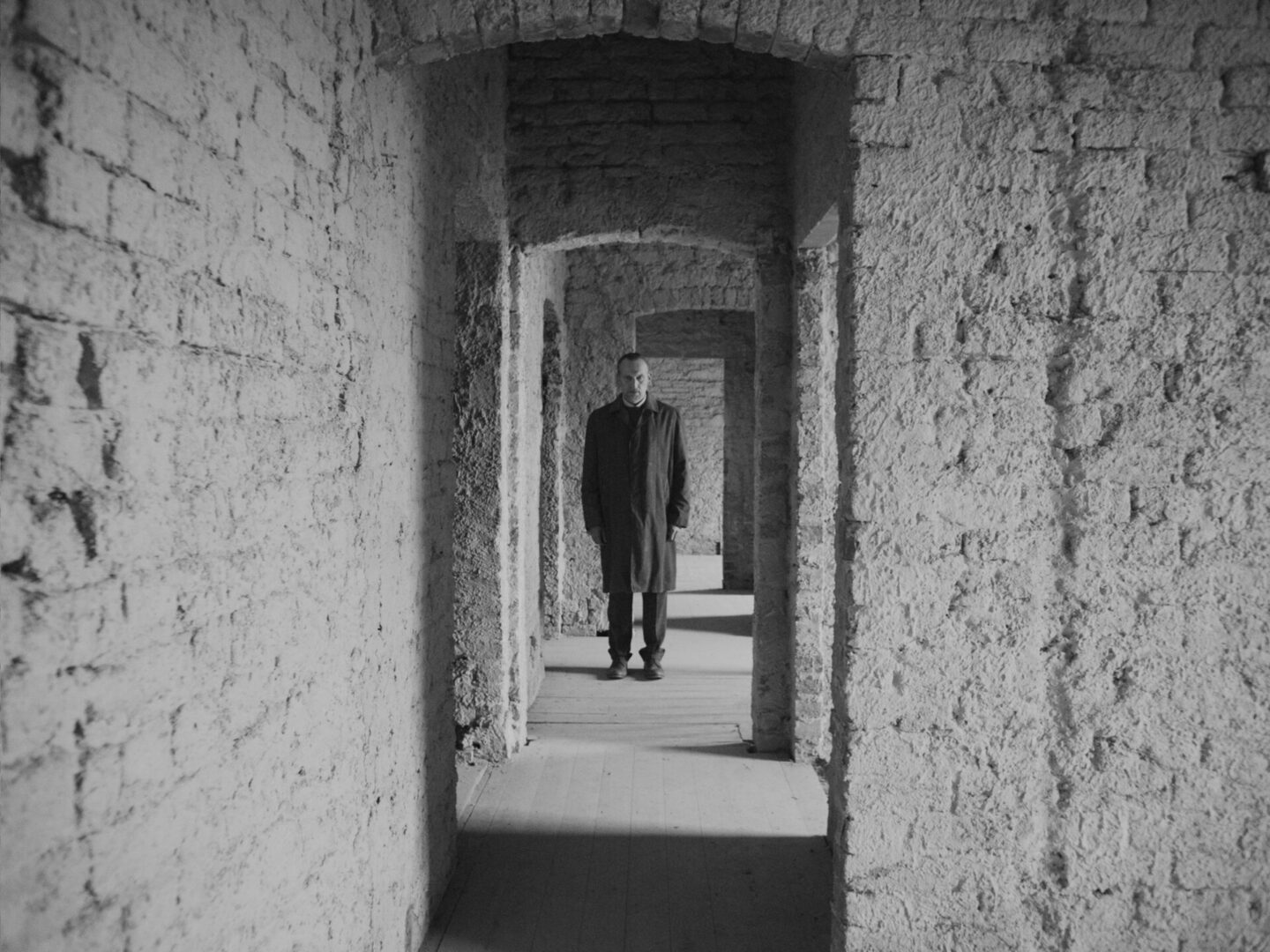
1. Willie Doherty,ENDLESS, 2020, Single channel black and white video installation, Duration: 13 min, Collection Irish Museum of Modern Art, Purchase, 2023.
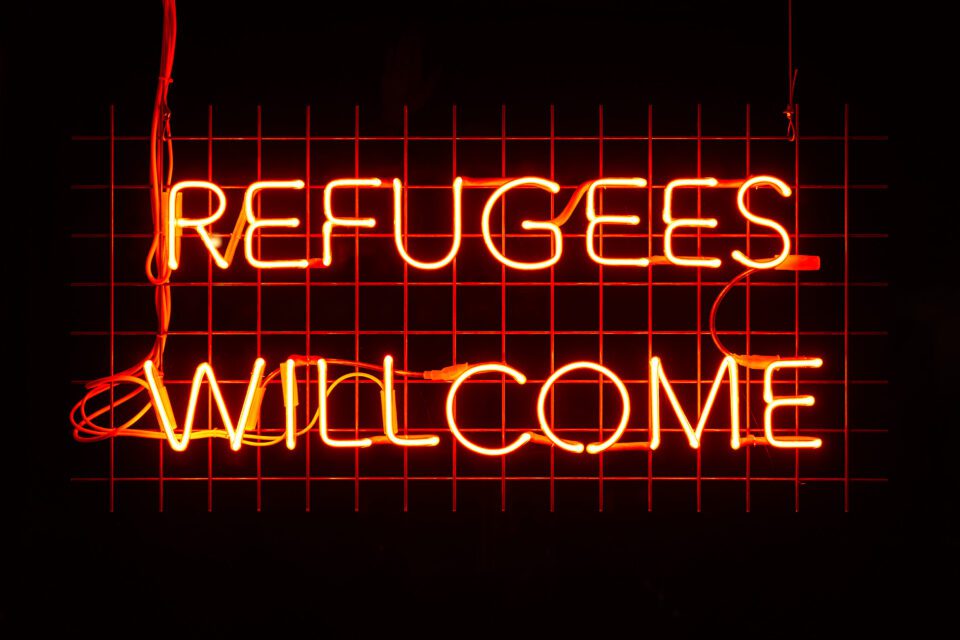
2. Šejla Kamerić, Refugees Welcome, 2020, red neon and metal, 53 × 100 × 6 cm, unique piece. Courtesy of the artist and Galerie Tanja Wagner, Berlin.
3. Marina Abramović, The Hero. Single channel video (b/w, sound) 14’21” 2001 © Marina Abramović. Courtesy of the Marina Abramovic Archives and LI-MA.
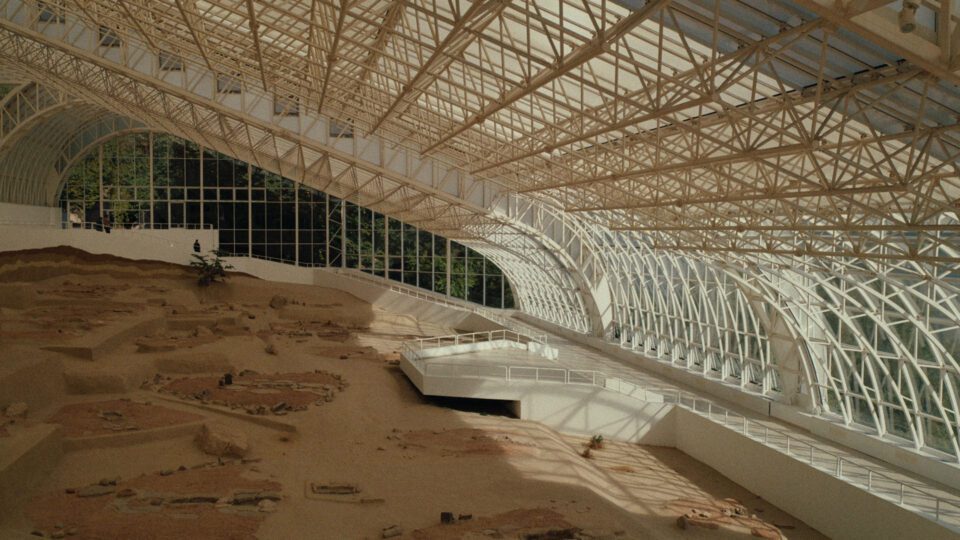
4. Barbara Knežević, Gvozdene Kapije (The Iron Gates) (still), HD video, colour, 16:9, sound, 48 minutes. Courtesy of the artist.