

Every celebrated image carries a hidden history of collaboration, authorship and artistic decision. Stardust: 100 Years of Stage, Screen and Celebrity explores the women photographers whose vision transformed performers, musicians and cultural figures into lasting symbols, questioning how public identities are created and whose contributions are remembered throughout time. Bringing together a century of portraits from stage, screen and popular culture, the exhibition examines the relationship between visibility and creative agency, revealing how the camera has shaped the way individuals are perceived as much as it has recorded their appearance. Presented by Hundred Heroines, the exhibition places women photographers at the centre of a broader conversation about representation, recognition and the forces that determine cultural memory. Across historic and contemporary works, Stardust reveals that behind every iconic portrait lies a complex exchange between subject, photographer and audience.
The making of a public persona has always depended upon collaboration. Behind the polished surfaces of studio portraits, magazine covers, and publicity photographs are decisions about framing, gesture, lighting and atmosphere that influence how individuals enter the collective imagination. Photography has long occupied an uncertain position between documentation and interpretation, appearing to capture reality while simultaneously shaping it. Stardust explores this tension by examining the creative choices behind some of the twentieth century’s most recognisable faces. The exhibition’s central argument extends beyond representation alone, asking how artistic labour is acknowledged and how overlooked practitioners can be restored to their rightful place within cultural narratives.
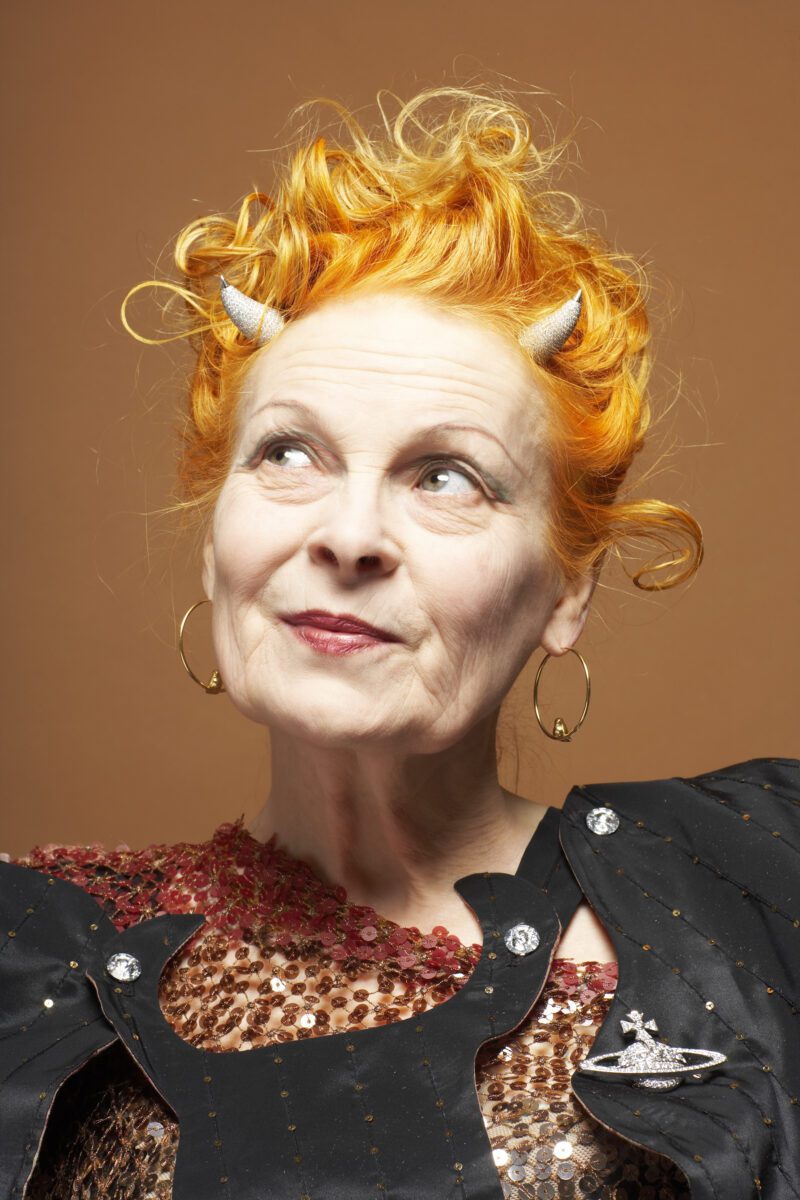
This reconsideration of authorship reflects wider shifts within museums and galleries, where institutions are increasingly examining the structures that have shaped artistic recognition. Women photographers have frequently contributed to defining popular culture while remaining marginal within established accounts of the medium. Hundred Heroines addresses this imbalance by presenting these practitioners not as additions to an existing canon, but as essential figures whose approaches transformed portraiture itself. The exhibition demonstrates that expanding the record does more than recover forgotten names; it changes how familiar works are understood. By placing different generations of photographers in dialogue, Stardust creates a broader account of how identity, creativity and public perception intersect.
Curated by Del Barrett, the Founder of Hundred Heroines, this particular exhibition forms part of the organisation’s ongoing commitment to advancing awareness of women in photography. As the inaugural exhibition in Hundred Heroines’ expanded gallery and museum space in Nailsworth, it marks an important development for the growth of the institution, bringing together archival research, original prints and contemporary artistic practice. The presentation avoids a straightforward timeline, instead creating connections between photographers working across different periods and cultural contexts. Historic studio portraits sit alongside more recent approaches, revealing continuities in the ways artists negotiate intimacy, visibility and self-presentation. Through this curatorial framework, familiar figures are reconsidered alongside the photographers who shaped their public presence.
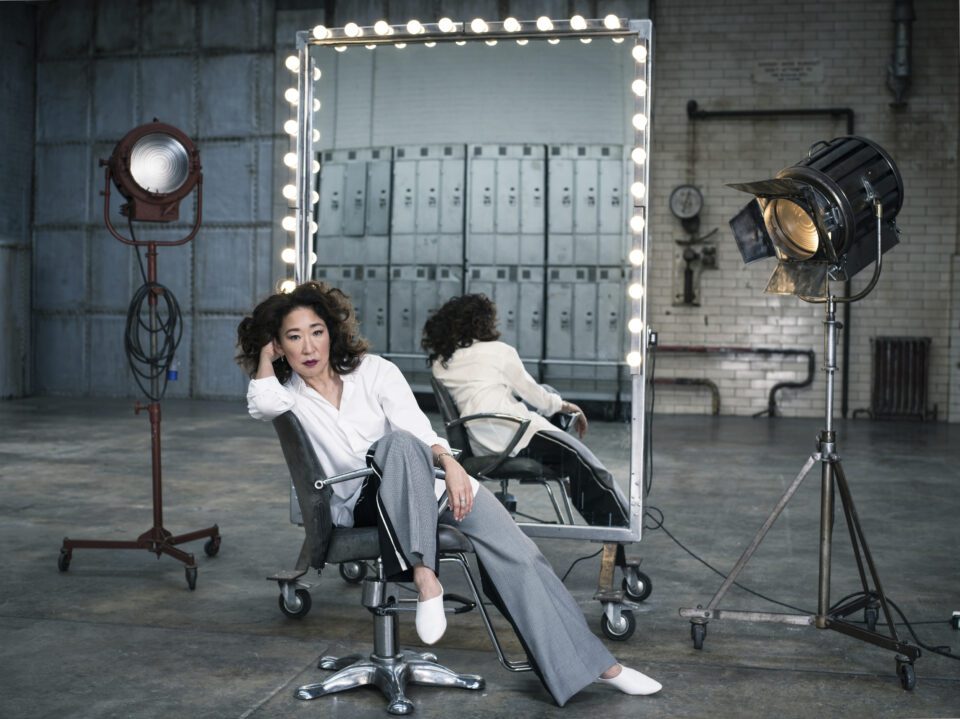
Jillian Edelstein’s portraits provide a powerful example of how contemporary practice can challenge conventional approaches to celebrity imagery. Her photographs look beyond status and recognition, focusing instead on moments of individuality that complicate the public personas associated with her subjects. The portrait of Sandra Oh included in Stardust reflects this sensitivity, capturing both confidence and vulnerability through a restrained yet deeply attentive approach. Edelstein’s background in photojournalism informs her ability to create encounters that feel immediate rather than constructed, allowing personality to emerge through subtle expression and gesture. Her contribution reinforces the exhibition’s wider exploration of the relationship between appearance and identity, suggesting that the most revealing portraits are often those that move beyond expectation.
Earlier generations of photographers established many of the visual conventions that influence portraiture today. The work of Lallie Charles, Dorothy Wilding and Madame D’Ora shows the sophistication of early twentieth-century studio practice, where photographers developed distinctive methods for presenting actors, performers and public figures. Portraits of Vivien Leigh, Tallulah Bankhead and Marlene Dietrich reveals composed relationships between glamour and individuality, showing how aesthetic choices contributed to the creation of cultural icons. These photographs were not simply records of well-known figures; they shaped how those figures were encountered by wider audiences. Their inclusion in Stardust highlights the creative intelligence behind images that are now embedded within collective memory.
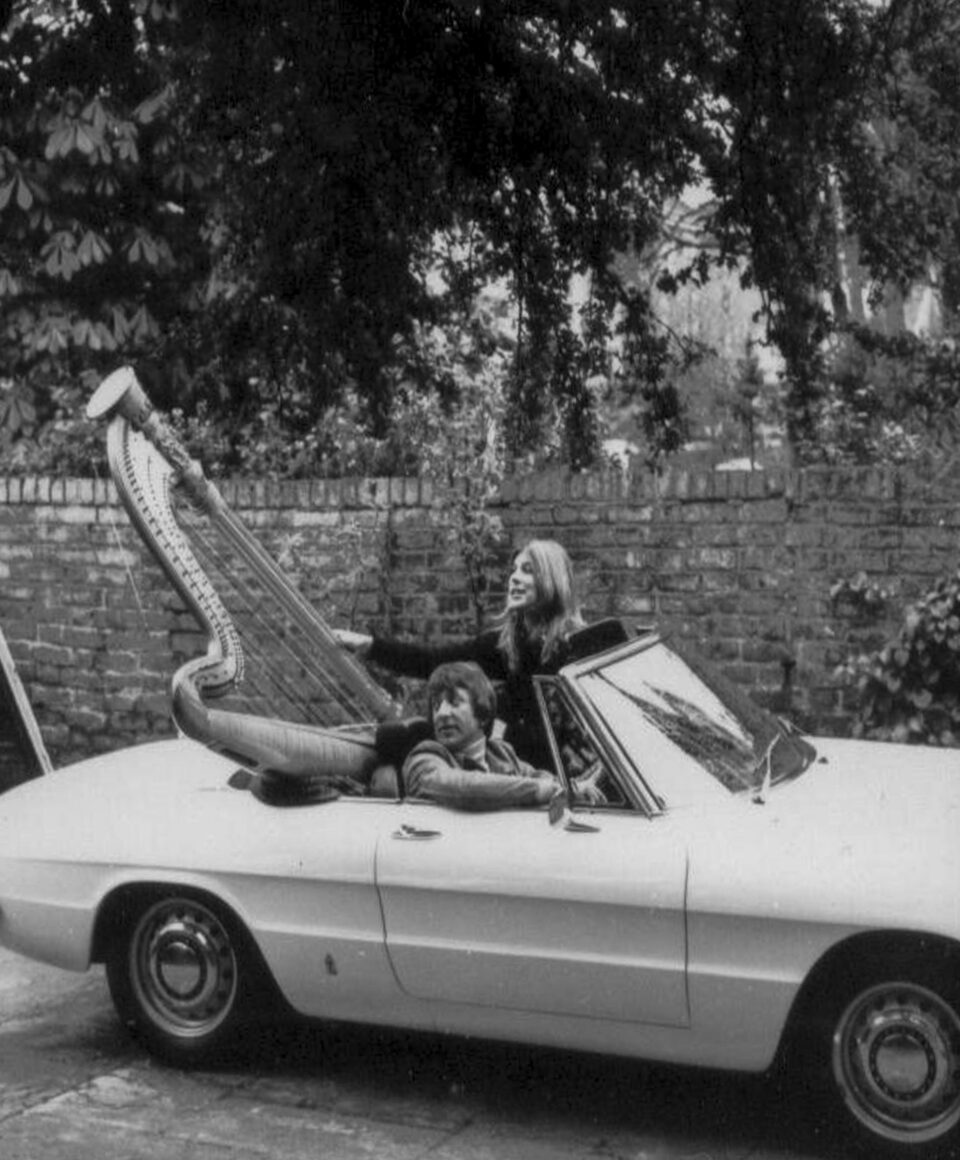
The exhibition’s engagement with archives further expands its investigation into how cultural narratives are preserved and revisited. Material from the Elisabeth Buchmeyer Lewis archive introduces portraits of musicians including Bob Dylan and Led Zeppelin, extending the discussion beyond cinema into the landscape of popular culture. Demonstrating how changing forms of publicity altered expectations around authenticity, access and self-presentation. Some photographs are being shown publicly for the first time, bringing renewed attention to material that has remained outside mainstream discussion. The archive becomes more than a repository of the past; it becomes a space where new interpretations can emerge.
Such questions resonate strongly within contemporary art discourse, where debates around visibility and representation continue to shape institutional practice. Photography occupies a particularly complex position because it can simultaneously preserve individual identity and participate in broader systems of image production. Stardust acknowledges this complexity by considering portraits as both artistic works and cultural documents. The exhibition asks audiences to look beyond the recognisable subjects and consider the networks of creativity that surround them. In doing so, it challenges a longstanding assumption that the person in front of the camera is the sole author of their public image.
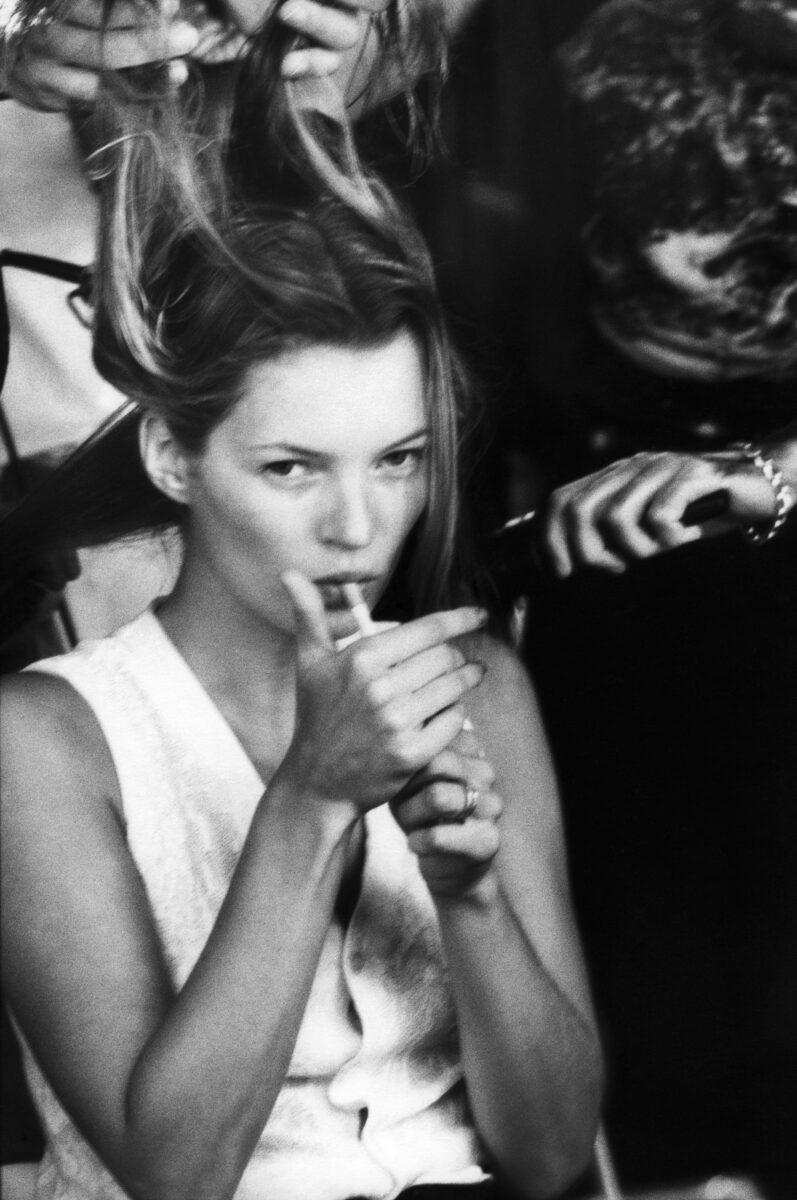
Collaboration with Sisters of the Lens strengthens this approach by connecting exhibition-making with ongoing research into overlooked women photographers. The partnership brings rare original works from early 20th century European practitioners into public view, supporting a wider reassessment of photographic heritage. This process reflects a broader movement within curatorial practice, where archives are being revisited to reveal alternative narratives and challenge established interpretations. Recovery is presented here as an active, evolving process rather than a completed historical correction. Through scholarship, collecting and public engagement, Stardust demonstrates how exhibitions can reshape understanding of the past while influencing conversations about the present.
At a time when digital platforms transform the speed and scale at which images circulate, the exhibition offers a reminder of the enduring significance of the photographic object. Original prints invite sustained attention, revealing details of composition, texture and material presence that can disappear within constant online reproduction. This emphasis on looking closely creates a connection between historic studio practice and contemporary debates around authenticity, attention and visual consumption. This body of work suggests that photographs do not simply capture moments; they influence how those moments survive. Their power lies in shaping memory while remaining open to reinterpretation.
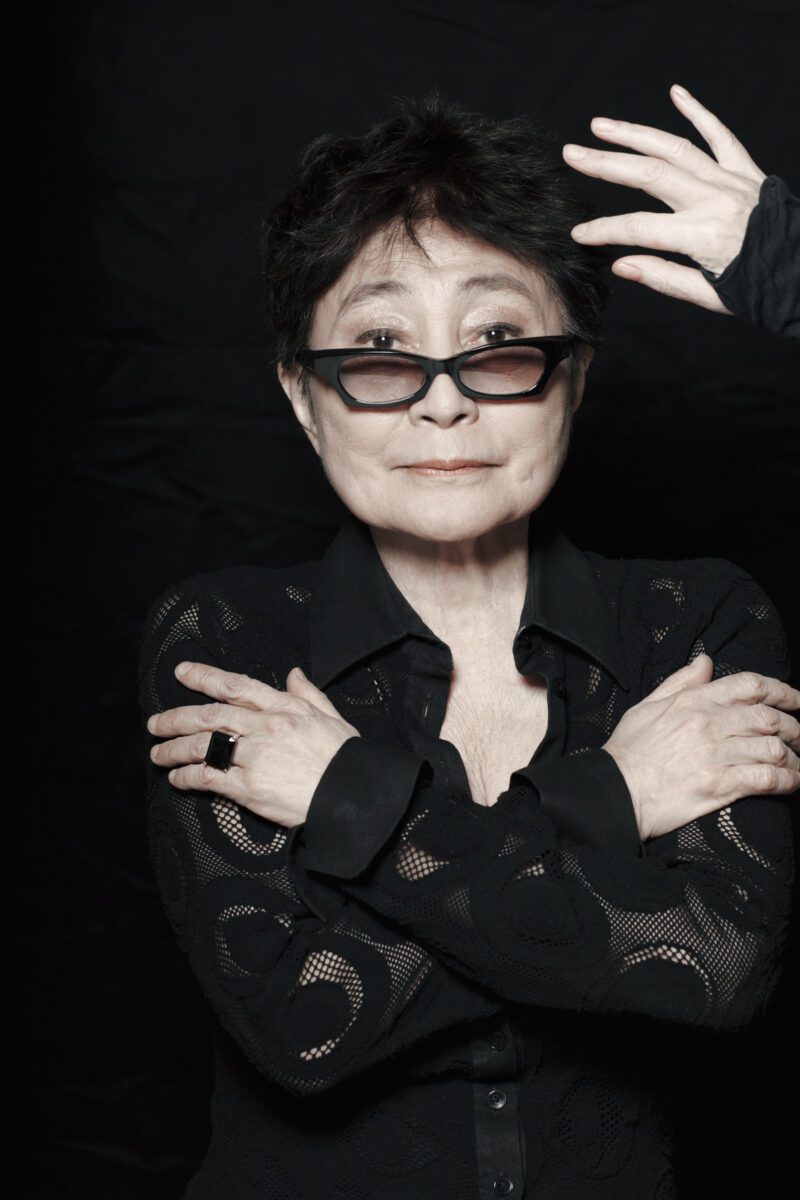
Stardust offers a broader understanding of portraiture by placing women photographers at the centre of cultural identity and artistic authorship. The exhibition celebrates remarkable images while examining the creative decisions and relationships that made them possible. By bringing together pioneers of early studio photography with contemporary practitioners such as Jillian Edelstein, Hundred Heroines presents a more expansive account of the forces shaping public perception. Glamour remains present, yet it is approached critically, revealing the complexity behind familiar faces and celebrated moments. The result, an exhibition asking audiences to reconsider not only who has been seen, but who has shaped the ways we see.
Stardust: 100 Years of Stage, Screen and Celebrity is at Hundred Heroines, Nailsworth from 11 September – 20 November: hundredheroines.org
Words: Anna Müller
Image Credits:
1&6. Jillian Edelstein, Yoko Ono © Jillian Edelstein. Courtesy Hundred Heroines.
2. Jillian Edelstein, Vivienne Westwood © Jillian Edelstein. Courtesy Hundred Heroines
3. Elisabeth Buchmeyer-Lewis, Hannah Francis © Hundred Heroines
4. Jillian Edelstein, Sandra Oh © Jillian Edelstein. Courtesy Hundred Heroines
5. Jillian Edelstein, Kate Moss © Jillian Edelstein. Courtesy Hundred Heroines


