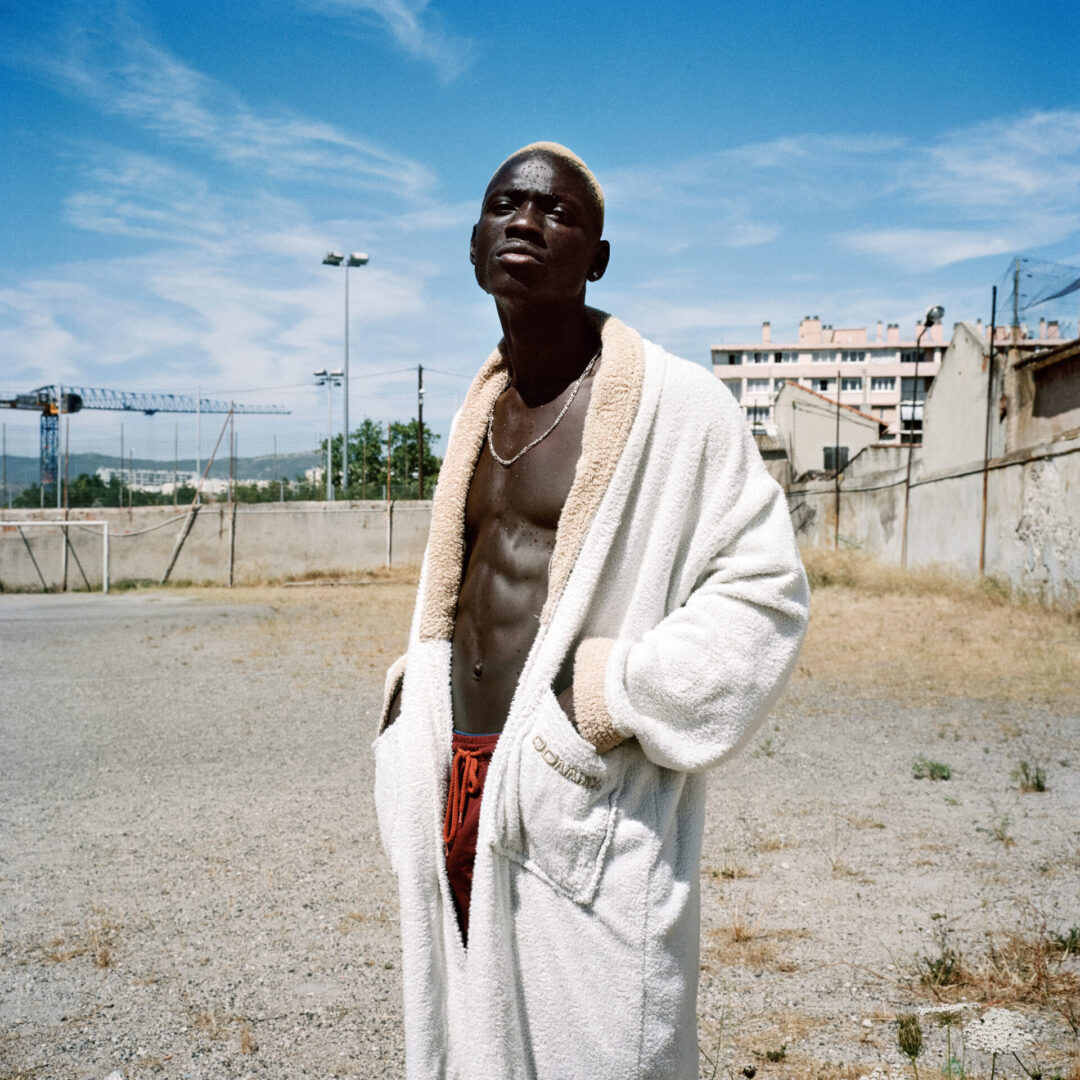
In 1826, Joseph Nicéphore Niépce took View from the Window at Le Gras, considered the world’s first photograph, from an upstairs window in Burgundy, France. He used a camera obscura and pewter plate that required an eight-hour exposure. Fast forward 200 years, and 1.8 trillion photographs are taken every day, with over 90% captured on smartphones. Photographers have changed the course of history, documenting era-defining moments and bringing them to mass attention. Consider Dorothea Lange’s Migrant Mother (1936), which brought to life the hardships of the Great Depression and became a defining image of the 20th century, or William Amder’s Earthrise (1968), taken during the Apollo 8 mission, showing the Earth appearing above the lunar surface. Cameras now shape how we understand the world. Now, MEP celebrates the Bicentenary of Photography with a major new group exhibition.
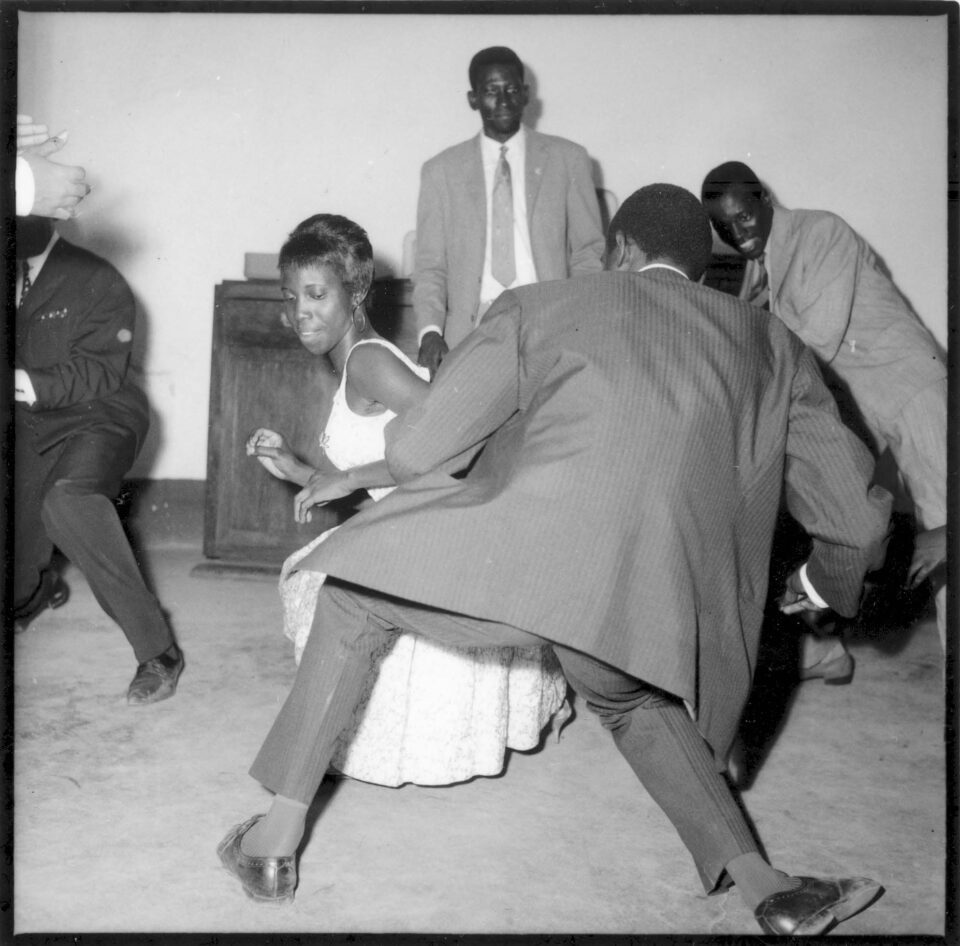
Photography from A to Z brings together 36 artists from the Neuflize OBC Corporate Collection and the MEP collections, including Nan Goldin, Robert Mapplethorpe, Malick Sidibé and Sophie Calle. The show is conceived as an alphabet accessible to all audiences, weaving unexpected connections between the works. Each pairing opens a door, challenges expectations and invites every visitor to forge their own interpretation. Far from any linear narrative, it unfolds a reading based on associations, encounters and shifts, where the images dictate their own order, independent of any chronology or hierarchy.
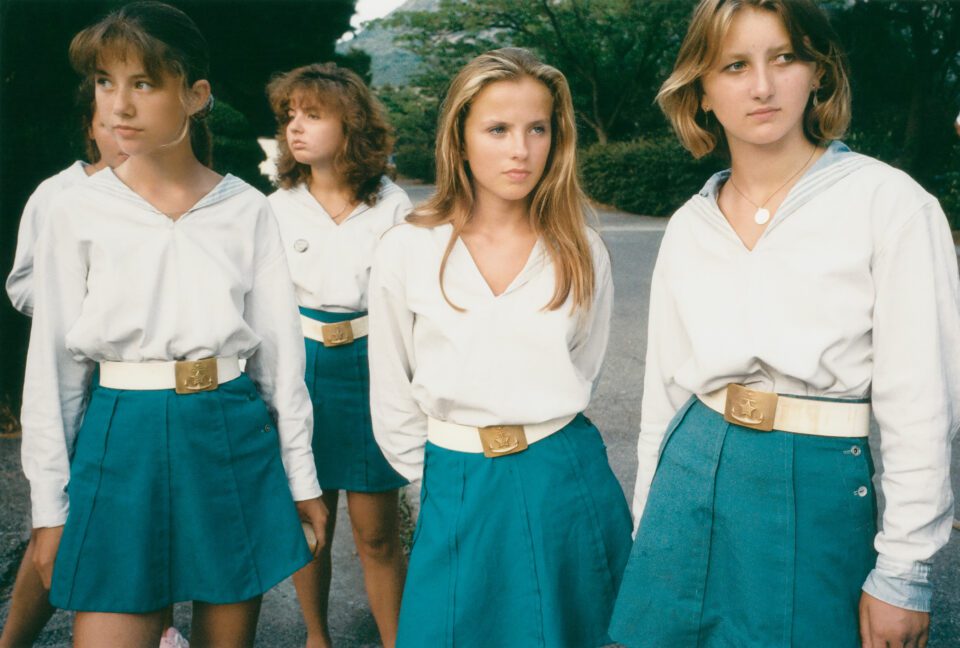
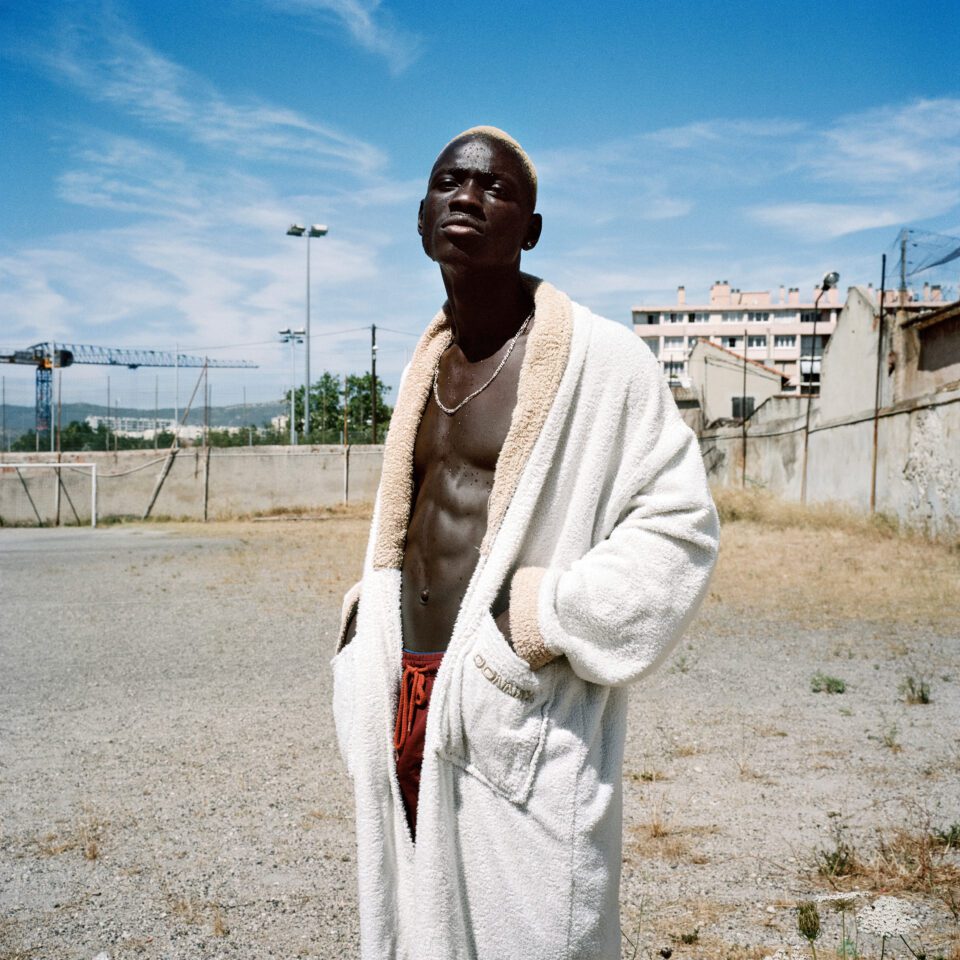
The exhibition begins in Burgundy, with Niépce’s first photograph – setting the scene for two hundred years of art. Visitors are them welcomed into the “ABC” themes, beginning with Adolescence. The section explores this transitional period, with images that capture the days between fading childhood and an adulthood yet to emerge. Rineke Dijkstra, Yohanne Lamoulère, and Claudine Doury each bring their own perspective on youth, whether experienced in Marseille, on the shores of the North Sea, or at a summer camp in Crimea. Meanwhile, Bourgogne anchors the medium in its place of origin, featuring a selection of images by Ralph Gibson, who explored the region in the early 1990. Then, Conte (fairytale) leads viewers into the longstanding relationship between photography and the marvellous. In particular, the section spotlights 19th century spiritualist images, as well as Pierre Joseph’s Characters to be reactivated, which sees fictional figures like Superman and Snow White brought into reality as “living sculptures.”
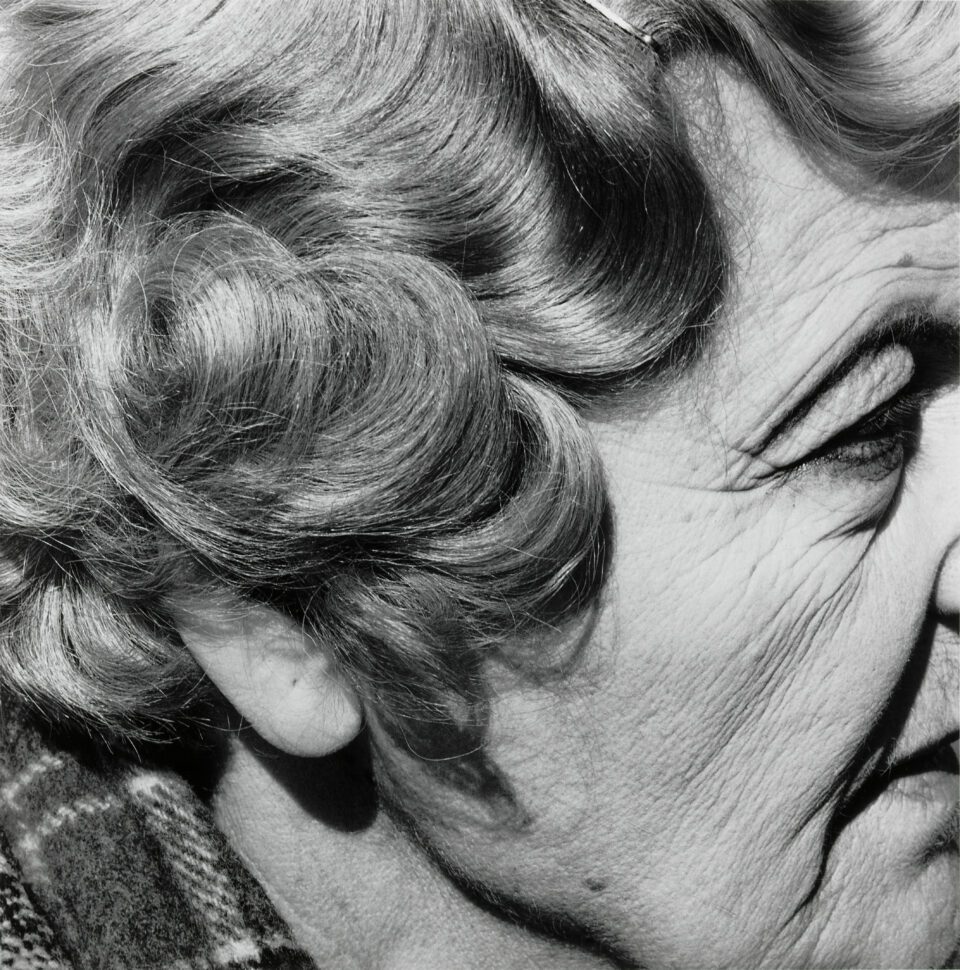
The second gallery explores the technical capacity of the camera to capture what the human eye fails to see. Here, eight artists explore a single question: what does the body reveal when viewed differently? The section is split into Dos (Back), Envers (Reverse/Upside Down) and Face (In Front). Seen from behind, J.D. ‘Okhai Ojeikere documents Nigerian women’s hairstyles as an expression of cultural pride; Alexandra Catiere captures silhouettes facing the sea; and Robert Mapplethorpe presents his neck like a modern sculpture. From the front, Pieter Hugo confronts viewers with a gaze that interrogates perceptions of skin colour, whilst Bettina Rheims photographs androgynous bodies that question traditional representations of gender. Finally, in reverse, Anna and Bernhard Blume stage surreal everday scenes, while Patrick Toasni photographs bodies from below, rendering them unrecognisable.
The rest of the show broadens its scope, as audiences are whisked through the remainder of the alphabet. One section explores practices that combine media, where photography, text and installation converge around the notions of geography, history and illusion. Meanwhile, gallery four considers the social and institutional uses of the camera, looking at circulation, dissemination and consumption, as well as its entry into museum collections. Here, the historical and formal work of Florence Henri is presented in connection with the Bauhaus; Philip-Lorca diCorcia’s shots of young men in Los Angeles respond to censorship of Senator Jesse Helms; and Nan Goldin embodies photography’s ability to capture, from an intimate perspective, the spirit of an era, both its tensions and its transformations.
Together, these 26 themes are a tour-de-force, encompassing much of what has made the medium so impactful over the past two centuries. It could easily have been a confused, dizzying experience, to wade through so much history, but what results is a kaleidoscopic view of photography. Placed in unexpected dialogues, familiar pieces become something entirely new, whilst unknown figures take centre stage. On photography’s bicentennial, this is a fitting tribute to a remarkable artform.
Photography from A to Z is at MEP, Paris until 13 September: mep-fr.org
Words: Emma Jacob
Image Credits:
1&5. Yohanne Lamoulère, Courage, from the series Manger tes yeux, ici mut la ville, 2019.
2. Malik Sidibé, Dansez le twist, 1965.
3. Claudine Doury, Artek, Le camp Kiparisini, Crimée ARTEK, 1994.
4. David Goldblatt, Woman with pierce ear, Joubert Park, Johannesburg, 1975.