

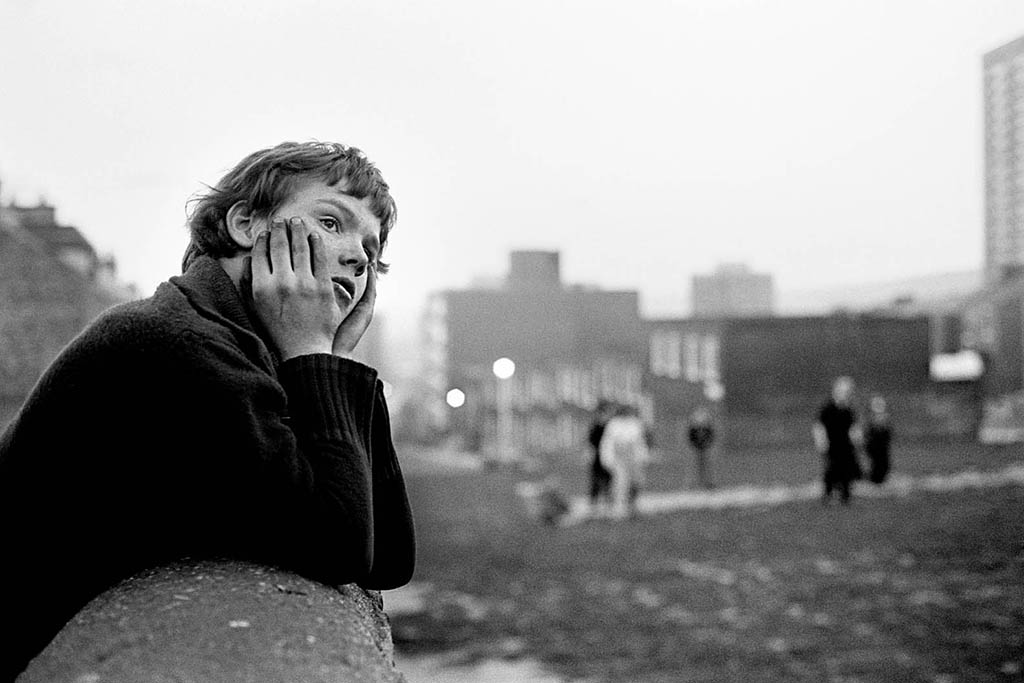
Tish Murtha (1956 – 2013) was a teenager when she found an old camera in a derelict house. By this point, she’d already left school and had taken on variety of jobs, from selling hot dogs to working in a petrol station. The discovery was a turning point in Murtha’s life, igniting an enduring passion for photography. Her work captures the social impact of industrial decline in the North East of England with honesty, empathy and urgency, offering a powerful account of working-class life throughout the late 20th century. Now, a new exhibition at Baltic Centre for Contemporary Art returns her work to the North East. Close to Home features four major series, as well as newly commissioned work by Newcastle-based artist Kuba Ryniewicz. Developed in collaboration with Murtha’s daughter, Ella, the show is a testament to how, even decades after they were taken, her images remain a vital record of lived experience and a compelling reminder of the inequalities that continue to shape communities today. Ella spoke to Aesthetica about the landmark exhibition and how she’s keeping her mother’s legacy alive.
A: Tell us about Close to Home, how did this landmark exhibition come about?
EM: The exhibition started with a proposal from Baltic’s curatorial team. I’ve been working closely with Niomi Fairweather and Rose McMurray, who told me that the gallery had been interested for some time in working with my mam’s archive. When we first met for coffee, they also suggested that they wanted to develop a new commission with a local artist. That’s when Kuba came into the conversation, as they were already planning to collaborate with him. What stood out to me was how considered the approach felt, honouring my mams work, whilst also making room for something new to grow alongside it. I always go with my gut on these things, and this felt special from the beginning. There was also a shared instinct around creating something immersive. We really wanted to build a show that draws people in, inviting them into both artists’ worlds in a way that feels open and exciting.
A: What was the process of curation like? How was the process of selecting what was featured?
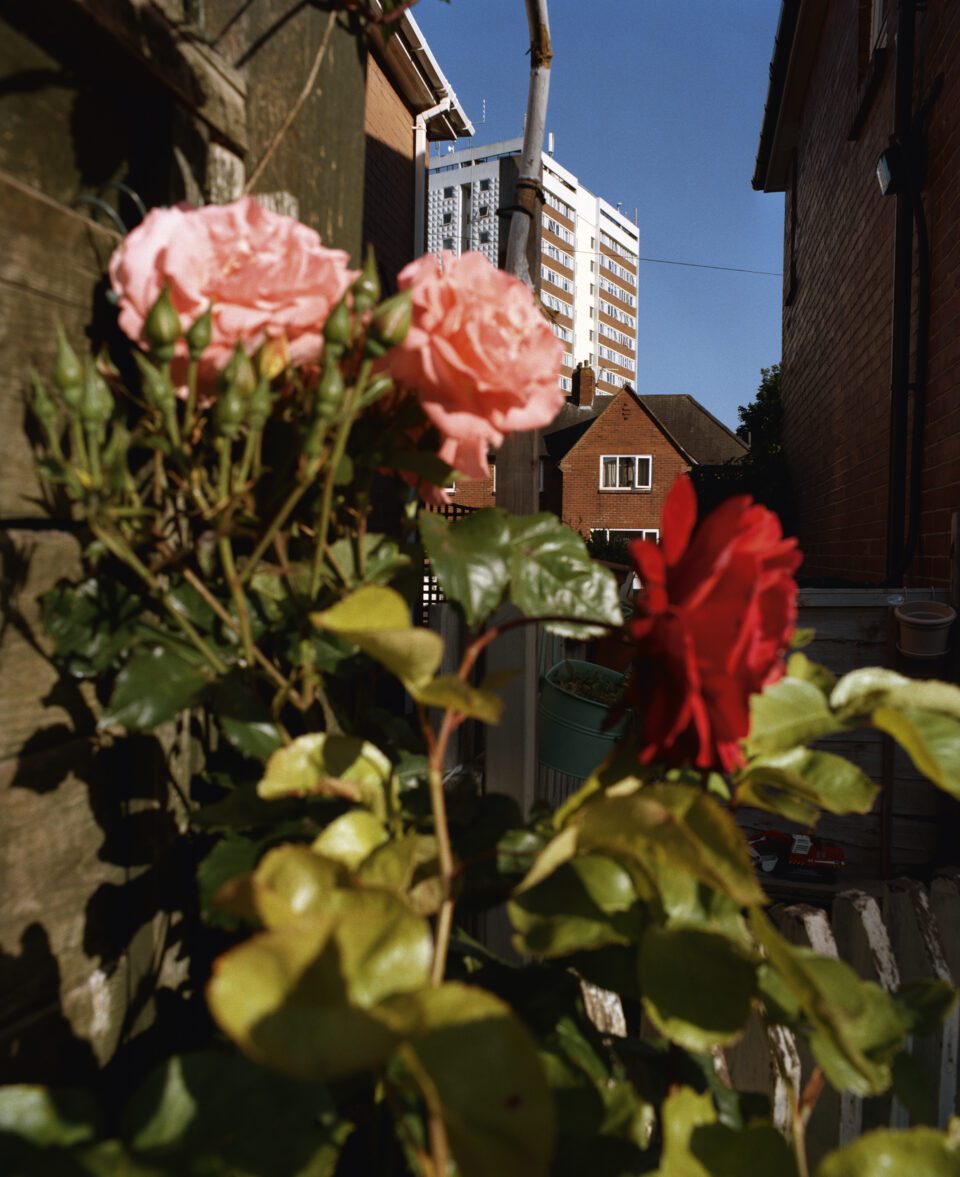
EM: We knew from the start that the whole exhibition would be about home, and one of the first things we all agreed on was scale. I’ve always thought that some of my mam’s photos feel like paintings. The light and shadow, the drama, the comedy and the tragedy of it all. Because of that, we decided we wanted the photographs to be large and to skip frames completely, as they can create a kind of distance and we wanted everything to feel close. Tish never framed her photographs; she would just stick them straight on the wall with blue tac. It was instinctive and unprecious, and it felt important to carry that spirit into the show. Once we’d chosen which of the series to include, we spent time looking at how everything sat alongside each other, what spoke to what, and allowed the shape of the exhibition to emerge naturally from there.
A: Could you talk us through Murtha’s career. What was her approach to photography?
EM: She was born in 1956, as the third of 10 children, into a working-class family in South Shields. My mam’s early years, shaped by both hardship and a quiet resilience, would set the tone for a life marked by struggle and creativity. It was during her teens, while exploring the world around her, that she found an old camera in an abandoned house. This discovery sparked a lifelong passion for photography, which she saw as a tool for change. Tish had a gift for photographing people. She was endlessly curious, and would strike up a conversation with anyone, anywhere. She built relationships that opened doors into communities and moments most people never get to see, and she made a point of sharing prints with the people she photographed so they understood, and felt part of, what she was doing. She wanted her work to matter to the individuals in it, while also challenging the assumptions others might hold about them. Despite the power of her work, my mam never escaped the cycle of poverty, and she died of a brain aneurysm on March 13, 2013, just one day before her 57th birthday, too scared to even turn the heating on. By donating her organs, Tish saved the lives of four women and restored the vision of four men. This final gesture embodied the spirit of kindness and empathy that had always infused her life and art.
A: You’ve spoken about “keeping your Mam’s legacy live.” What does that mean to you?
EM: I have done everything out of love for my mam. It broke my heart to see what her life was reduced to, which is why I took her boxes of treasures and made sure the world knew how talented she was. So the stories she captured so lovingly wouldn’t be forgotten. She was at her happiest snapping away and printing in the darkroom and my memories of her are entwined with photographs and the smell of fix. Photography wasn’t just something she did, it was who she was. What she leaves behind is more than a body of work, it’s empathy, trust, and a deep sense of connection. She had a way of capturing the human spirit and for finding imagination and humour even in the toughest places. For me, her legacy is love, and the belief that every life, every story, deserves to be held with care and dignity.
A: Murtha’s images capture the social impact of industrial decline in working-class part of the North East during the late 20th century. Why do you think her work continues to speak to audiences today?
EM: My mam witnessed first hand the devastating effects of economic decline, particularly the youth unemployment crisis. She captured not only the visible realities of poverty but also the deeper psychological scars it leaves behind, alongside moments of pure joy. Even in the harshest environments, she saw beauty, often describing the kids she photographed to me as looking like “a pre-Raphaelite angel” or “a little cherub.” People look at her images today and say “that could have been me,” and I think that sense of recognition is part of why her work resonates so strongly with audiences today.

A: How do local viewers respond differently to these images compared to wider audiences?
EM: A lot of the moments she captured feel universal, but if you’re from the North East, where all the photos in this show were taken, there’s an added layer, like they’re part of your own story. Seeing them in your hometown, in such an iconic venue on the banks of the River Tyne, makes it even more powerful. You may recognise places, and small details that feel familiar. And for some people, they might even spot themselves or someone they love, which makes it all the more meaningful.
A: The exhibition is deeply rooted in Newcastle and the wider North East, how important is it that this work is being shown in the place it was made?
EM: This exhibition is about celebrating the people of the North East, right here where it all belongs, and that’s been at the heart of it from the start. There are some images that I know will mean so much to the families of the people in them, and I think seeing their loved ones on display here will be a very emotional experience. For me, it feels like everything has come full circle and working with Niomi and Rose has been a breath of fresh air, and I know my mam would’ve loved collaborating with them every bit as much as I have.
A: Do you have a personal favourite image or series that your Mam worked on?
EM: It really depends on the day which photograph I’d call my favourite. The ones of my family will always stand out to me, but when we were putting the show together, I kept finding myself drawn back to one image from the “wake” held at the Robin Adair pub after the campaign to save Scotswood Works had failed. There’s something incredibly moving about this gentle moment between two men who have just lost their livelihood. I’m pleased my mam was there to preserve it.
A: Tish’s work will be displayed alongside a newly commissioned body of work by Newcastle-based artist Kuba Ryniewicz. How do the two artists work in dialogue?
EM: The dialogue between my mam’s work and Kuba’s new commission feels both natural and generative. While they come from different contexts and generations, there are strong shared themes around identity, place, and lived experience that connect their practices. My mam’s archive offers a deeply personal and historical lens, rooted in everyday life and memory, while Kuba’s work responds more contemporarily, bringing a new perspective that both reflects and reinterprets those themes. Rather than one illustrating the other, the works sit alongside each other in a way that creates a conversation across time. Hopefully those who come to see the exhibition will draw connections between both works.
A: What do you want visitors to take away from the exhibition?
EM: I hope people come away feeling the power of documentary photography but also reflecting on their own stories and how valuable they are. More than anything, I want the show to bring people closer together. If it sparks a connection or starts a conversation, that’s what matters most to me.
Tish Murtha & Kuba Ryniewicz: Close to Home is at Baltic, Gateshead from 4 July – 4 April: baltic.art
Words: Emma Jacob & Ella Murtha
Image Credits:
1. Tish Murtha, Elswick Kids © Ella Murtha, all rights reserved.
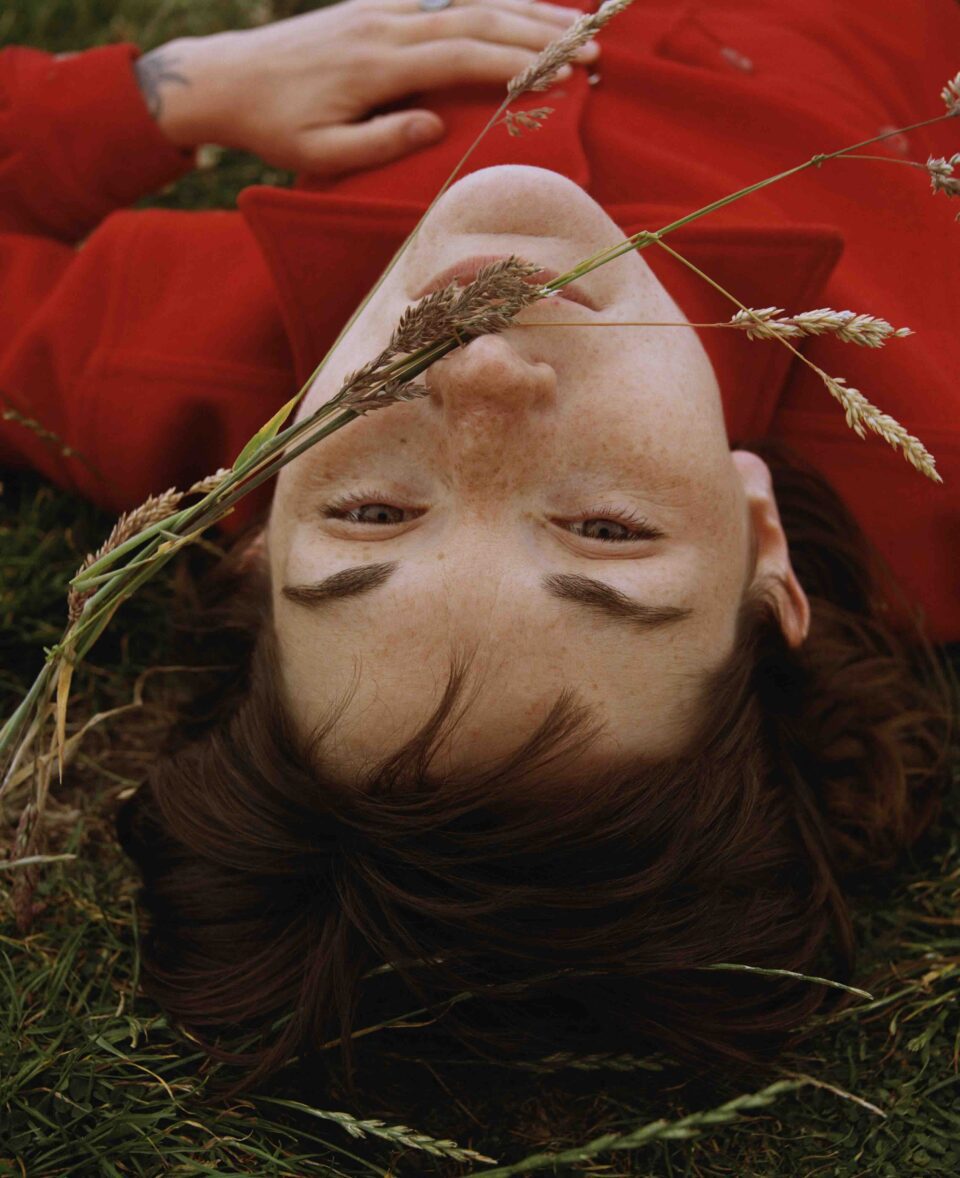
2. Kuba Ryniewicz, The Daily Weeding (2020-2021) © the artist.
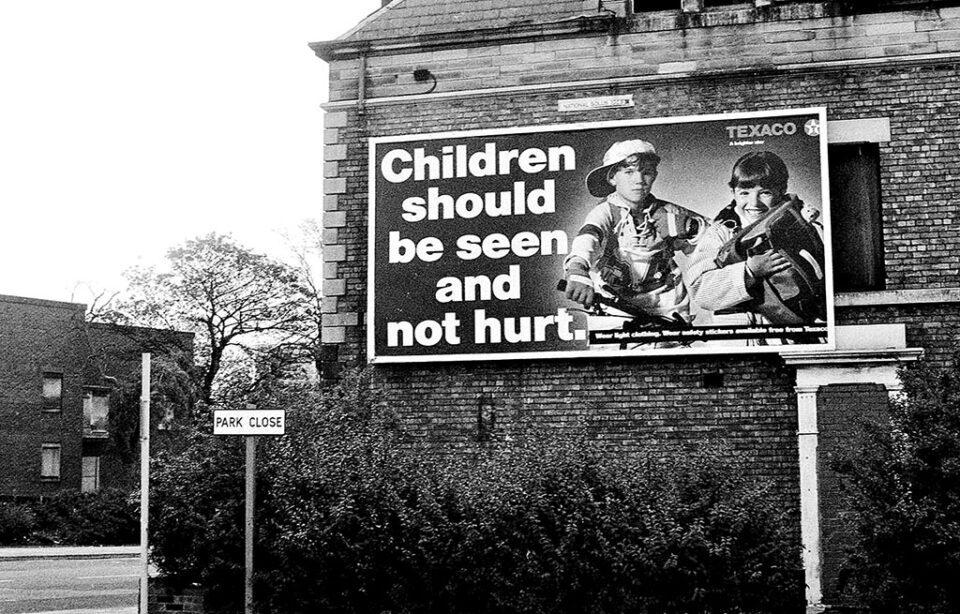
3. Tish Murtha, Elswick Revisited © Ella Murtha, all rights reserved.
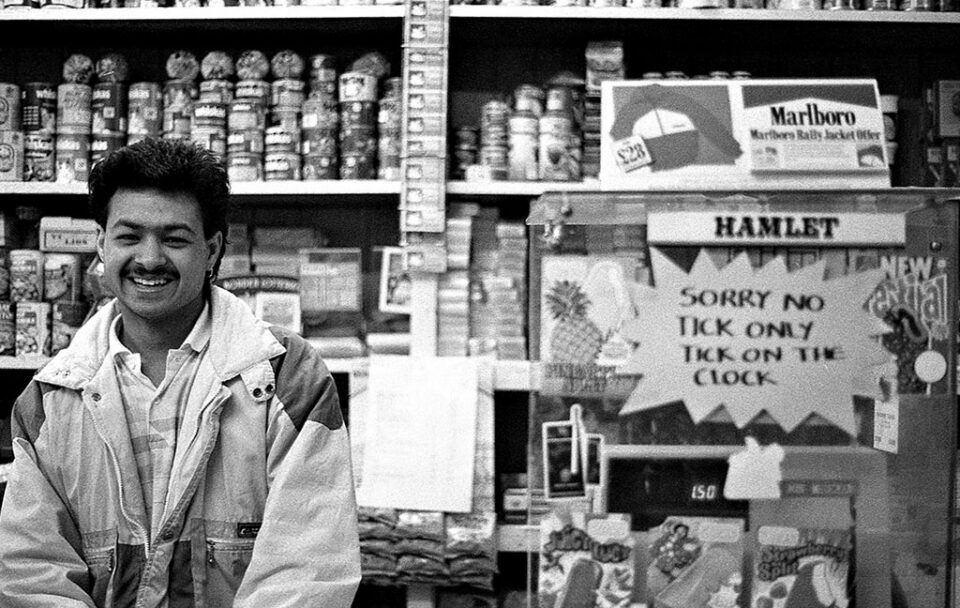
4. Kuba Ryniewicz, The Daily Weeding (2020-2021) © the artist.
5. Tish Murtha, Elswick Revisited © Ella Murtha, all rights reserved.
6. Kuba Ryniewicz, The Daily Weeding (2020-2021) © the artist.


