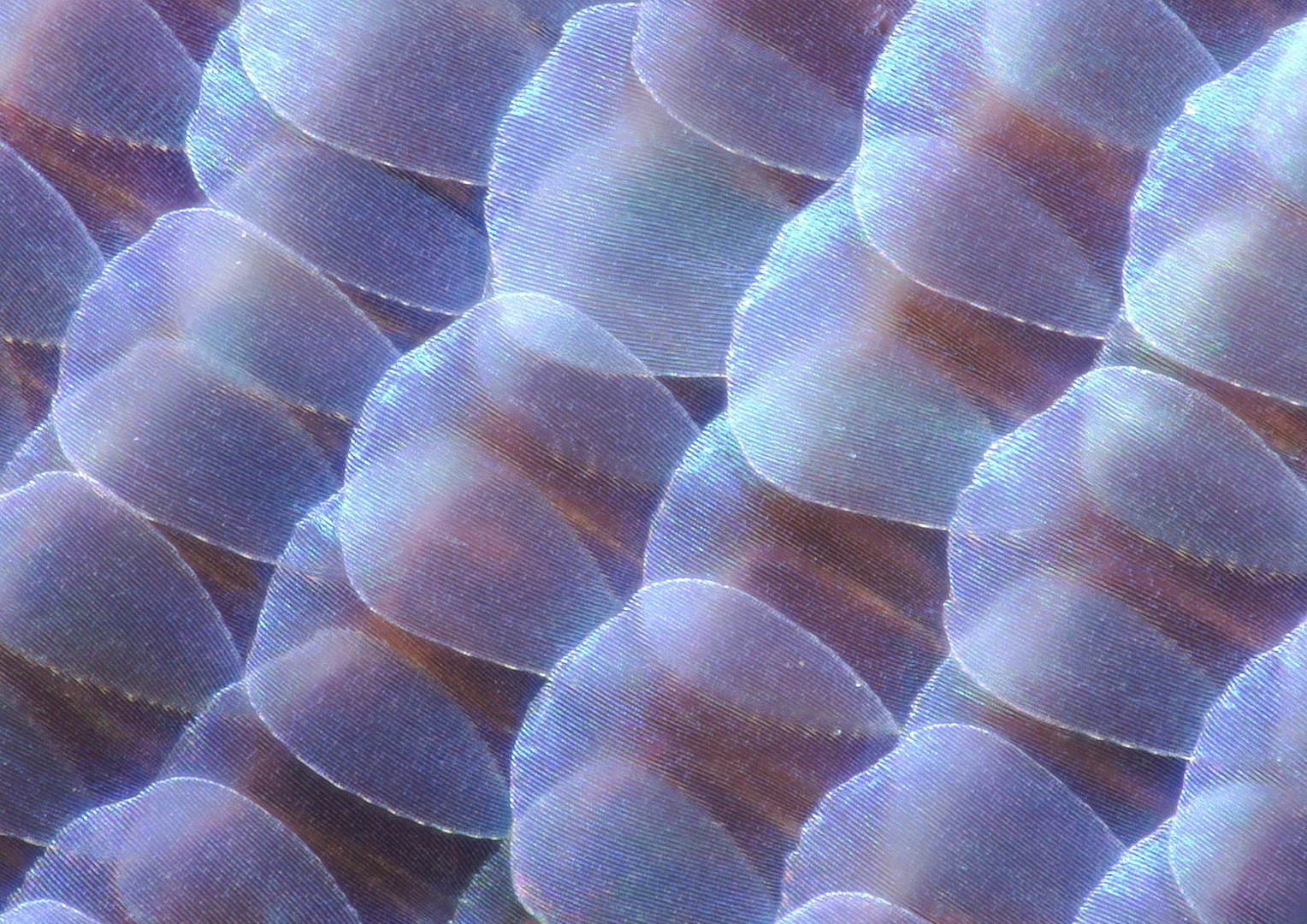
How can ideas transform into a visual experience? How can engineering and technology intersect with art? What does it mean to embody perception? These are the questions at the heart of Manlin Zhang’s practice. The research-led visual artist is uniquely placed to navigate these intersections, having previously trained at the College of Physics and Optoelectronic Engineering She develops a structured, process-driven approach to image-making, treating painting as embodied research rather than illustration. Her work features layered surfaces and visual structures that sit between the organic and constructed.
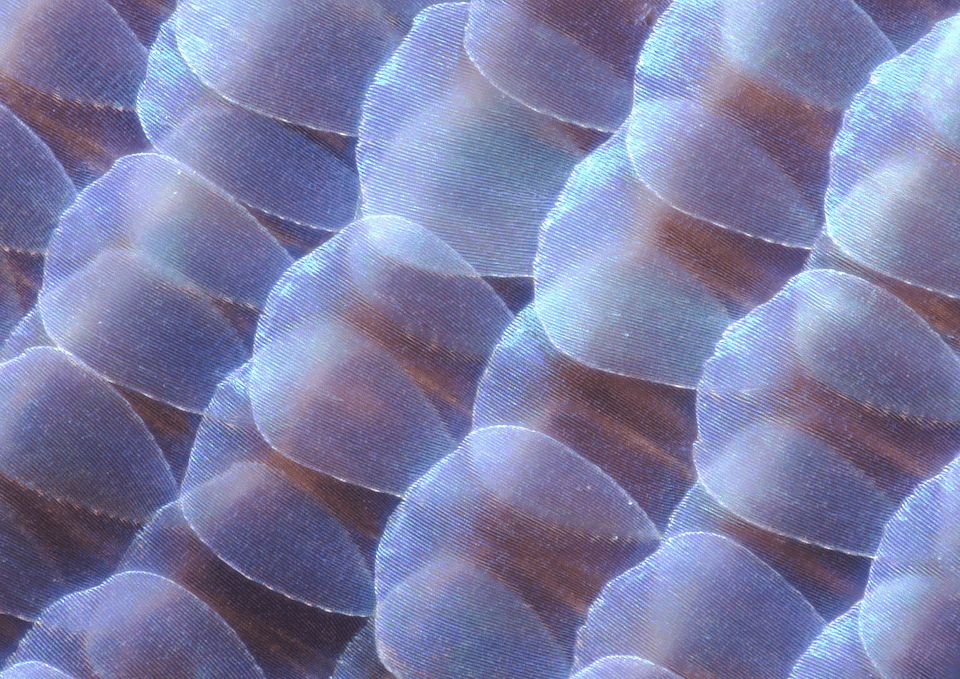
Zhang effortlessly traverses science and art, and nowhere is this better demonstrated than in Intelligence in Motion, Dreaming Butterfly. The oil painting’s visual language draws from microscopic imagery, like cellular structures, to connect scientific observation with artistic imagination. There’s a constant give-and-take to Zhang’s work, where the precise and intricate designs give way to the unpredictability of oil. The artist explains: “My scientific education trained me to see the world through structure and precision, to define and explain existence. The cultural background I grew up in offers another way of experiencing reality, through concepts such as emptiness, non-being and oneness, and through indirect symbols that lead directly into being. These two ways of perceiving the world are in constant negotiation with each other.”
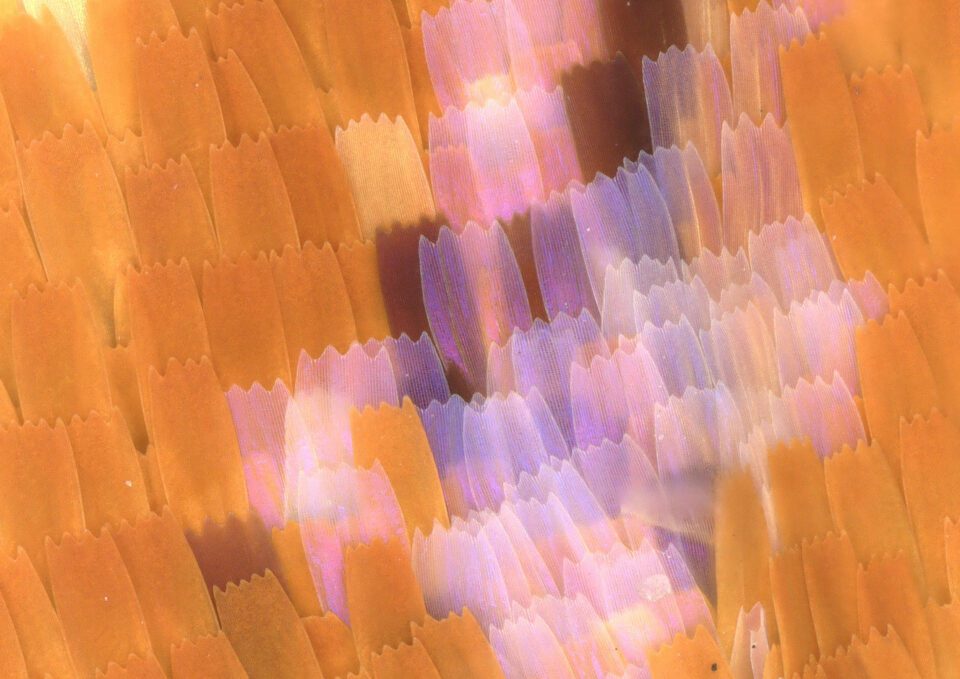
Dreaming Butterfly was first presented at the UCL Cancer Institute in May 2025, as part of a collaborative programme connecting researchers, artists and patient volunteers. The project created a space for interdisciplinary exchange, exploring how creativity can support scientific communication, social care and lived experience. The work itself sits between control and unpredictability, using this tension to mirror the complexities of illness. Here, she is situated within a broader artistic context in which creativity engages with embodied and psychological experience, from Frida Kahlo’s paintings exploring chronic pain and physical disability to Yayoi Kusama’s work informed by her lived experience of OCD and hallucinations.
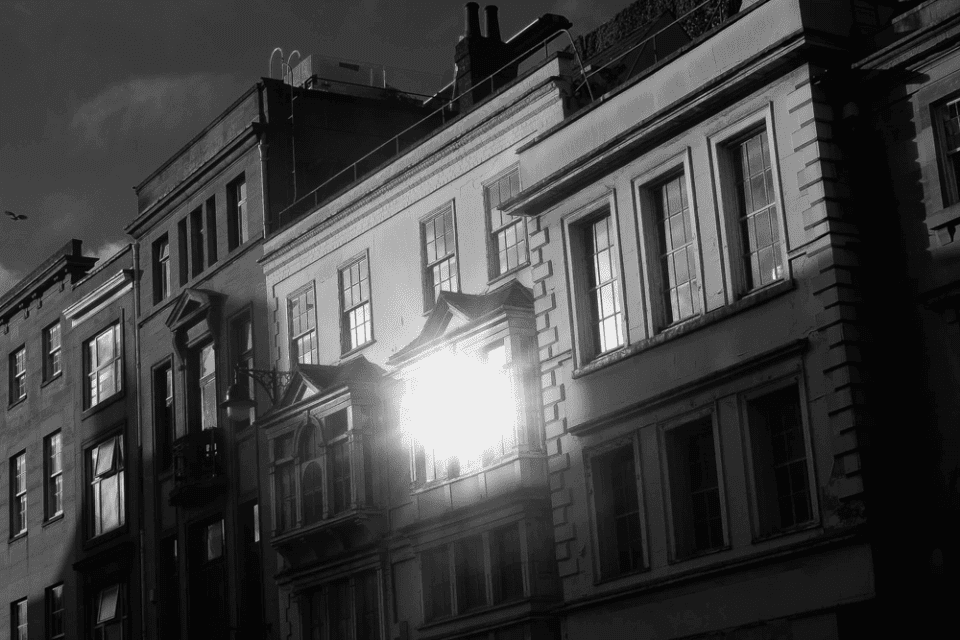
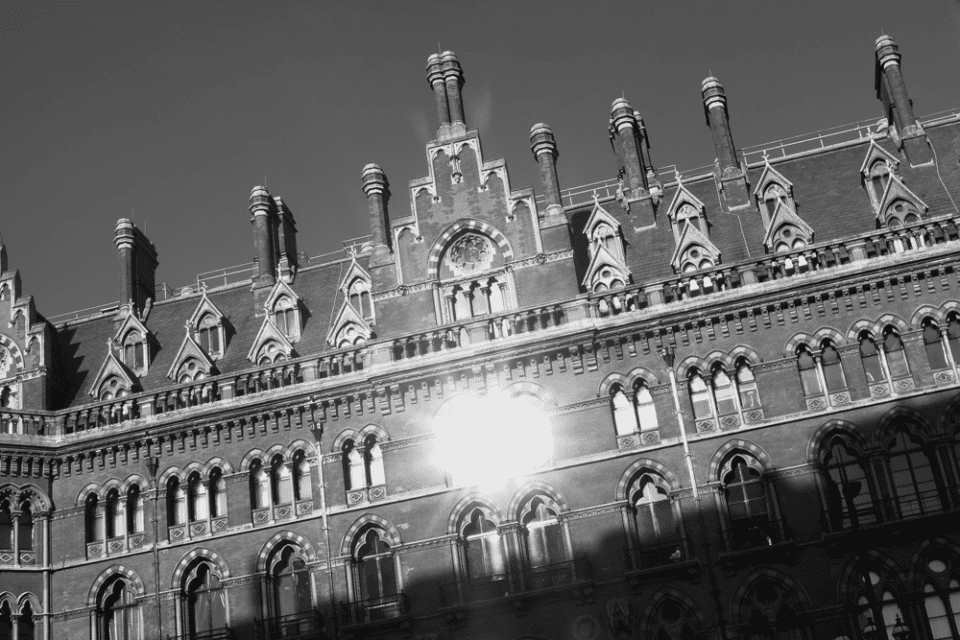
Elsewhere, photography series Where Light Touches Time (2022), captures the fleeting alignment of sunlight, architecture and perception. In it, the city becomes an organism of light, a transient structure that exists only for a second. In that instant, “the movement of planets, the coincidence of angles and the amplification of sensory consciousness together reveal a hidden pulse within the static urban form.” Her images are studies in attention, inviting the viewer to recognise how perception itself shapes what is seen.
Zhang holds art and science in tension, allowing structures and intuition to interrupt and reshape one another. Her paintings and photographs are sites where different ways of knowing collide, without settling into a single perspective. Ultimately, she presents a confronting body of work, asking how we see, express ourselves, and how perception shapes what it means to be human, across shifting scales of observation.
Words: Emma Jacob
All images courtesy of Manlin Zhang.