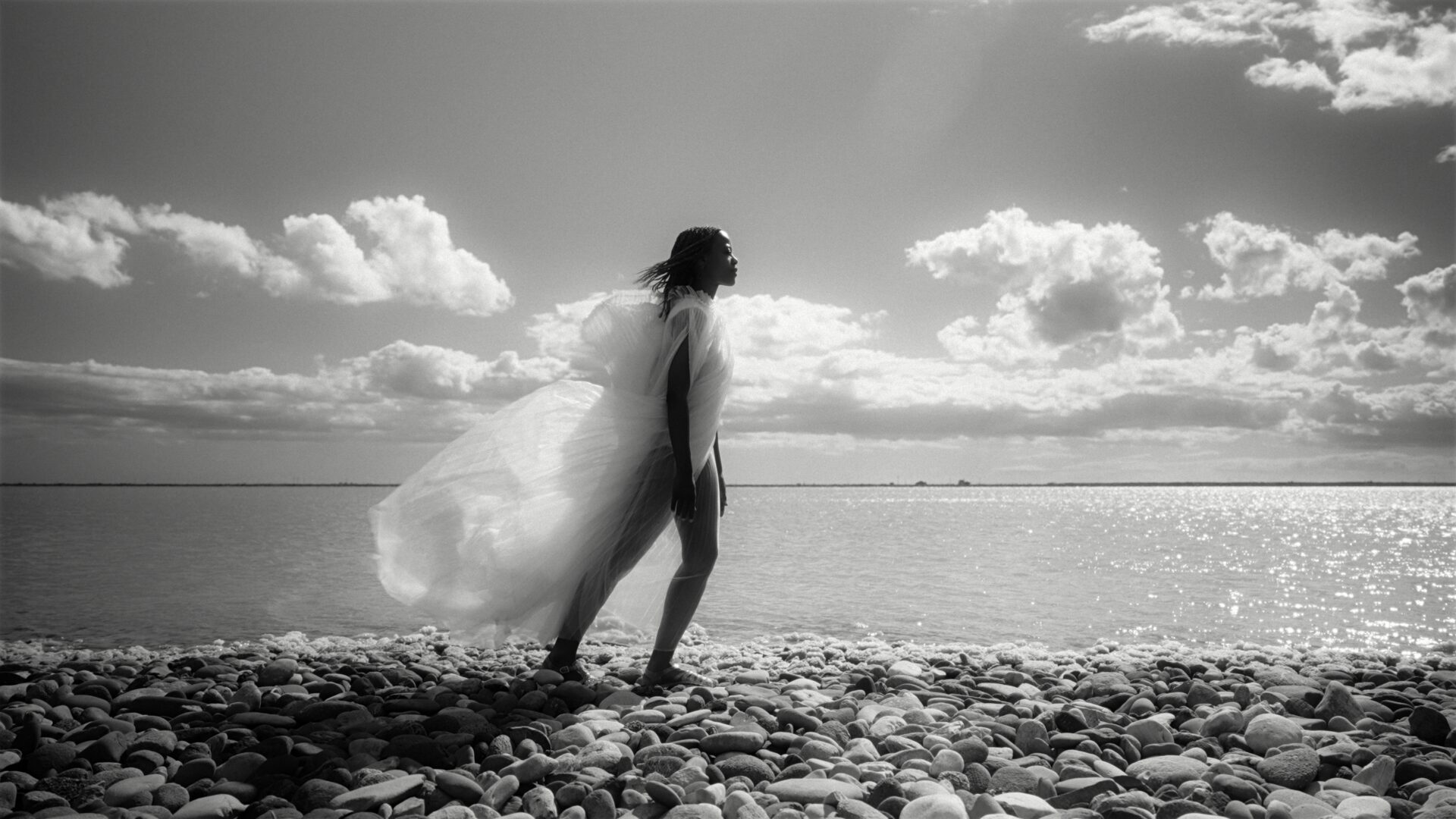
In recent years, Julianknxx has developed a practice that sits at a compelling intersection of film, poetry and performance – one that resists easy classification while remaining grounded in lived experience. Born in Sierra Leone and now based in London, his work reflects an engagement with questions of identity, displacement and cultural memory. Rather than treating these themes as fixed subjects, he approaches them as evolving conditions, shaped by movement, language and time; unfolding through a logic of association rather than linear narrative, rhythm, voice and atmosphere. This creates a viewing experience that is as much about listening and sensing as it is about interpretation. In this way, Julianknxx contributes to a broader shift in contemporary practice towards more embodied and durational forms of storytelling.
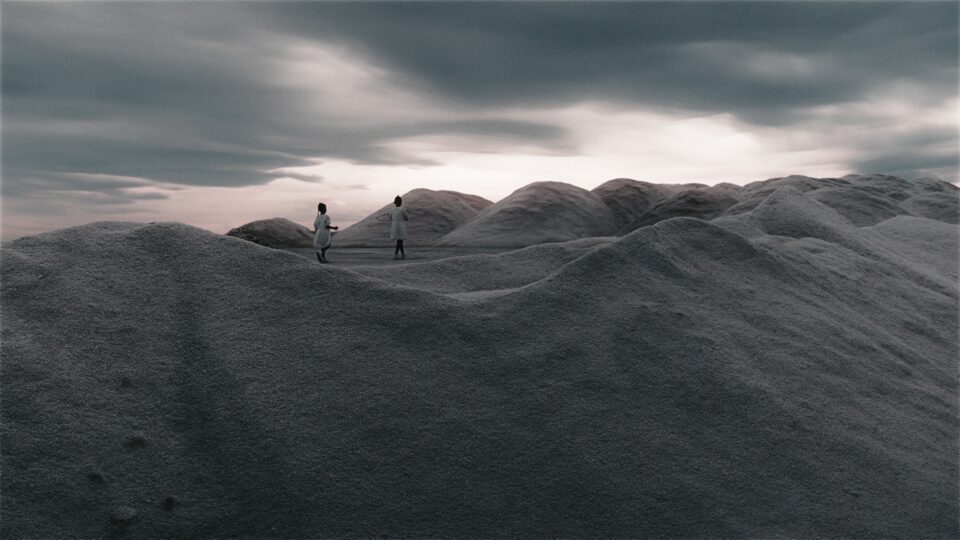
A defining aspect of his work is its sustained attention to how histories are transmitted – not only through formal archives, but through gesture, sound and oral tradition. His projects frequently draw on personal encounters and collaborative processes, allowing individual experiences to open onto wider cultural contexts. Importantly, these works do not claim to represent a singular or definitive account; instead, they foreground fragmentation and multiplicity. What emerges is a nuanced approach to storytelling that acknowledges both presence and absence, visibility and erasure. Language, in this context, is not simply descriptive but performative, shaping how meaning is produced and received. The result is a body of work that operates with quiet intensity, inviting sustained engagement rather than immediate resolution.
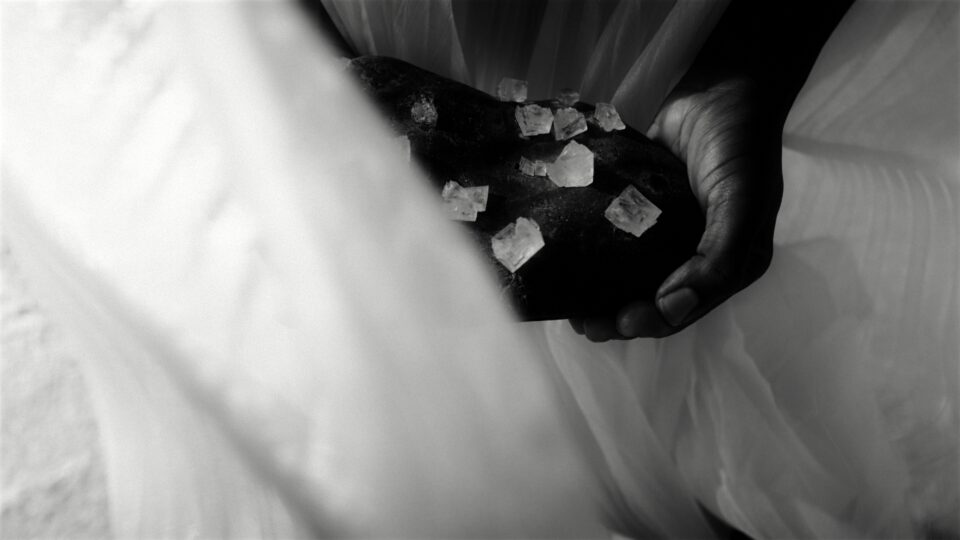
Earlier works demonstrate this methodology with clarity. What Colours Can We Dream in This Night Filled with Salt, developed in Marseille, draws on Comorian lullabies preserved by the Boras Choir, translating a vocal tradition into a filmic structure that emphasises repetition and tonal variation. Meanwhile, ɔl bɔdi na sta originates from a collaboration with performers Karel Kouelany and Joël Assebako, focusing on movement as a form of knowledge and communication. These works have been presented in exhibition and screening contexts internationally, including in Marseille and London, where they have been received as part of a growing discourse around diasporic image-making. He prioritises process and encounter over fixed meaning, letting his work remain fluid; this openness and flexibility defines his practice.
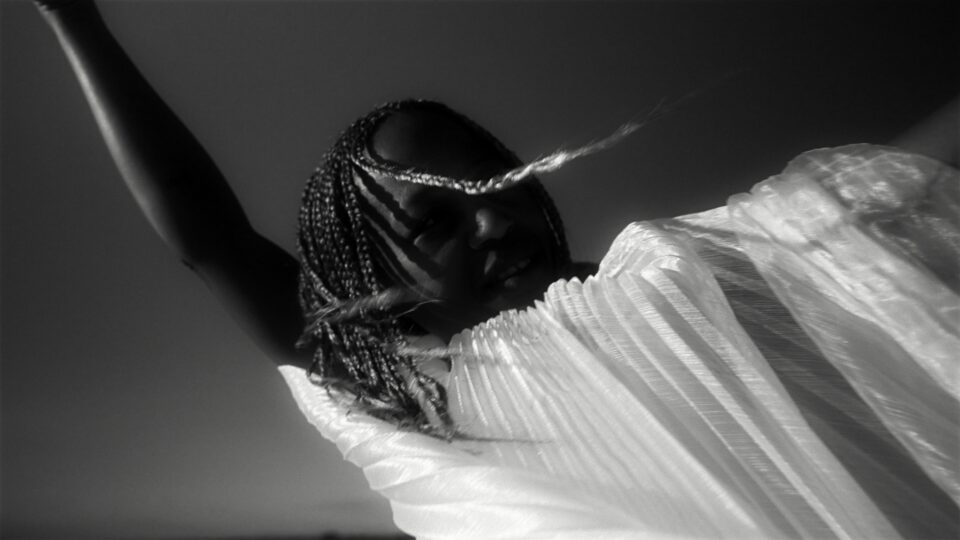
In Search of Incredible, presented at LUMA Arles from 1 May 2026 to 10 January 2027, extends these concerns into a large-scale exhibition format. Bringing together film, sound and sculptural elements, the project is structured as an immersive environment rather than a sequence of discrete works. A newly commissioned central installation forms the exhibition’s core, situating moving image alongside spatial and sonic components. Here, Julianknxx continues to explore storytelling as a relational act – something that unfolds between bodies, voices and environments. The exhibition does not offer a singular fixed narrative, but instead proposes a field of connections through which viewers navigate. In doing so, it reflects an ongoing interest in how meaning is constructed collectively rather than delivered authoritatively.
One of the exhibition’s key conceptual anchors is the use of salt as both material and metaphor. Salt carries a range of associations – preservation, labour, trade, migration – many of which resonate with histories of movement across geographies. Within the exhibition, it operates less as a literal substance than as a structuring idea, informing how works accumulate and relate to one another. This is evident in the sculptural “altar” works, which incorporate found objects such as cabinets, megaphones and projectors. These assemblages suggest provisional sites of gathering, where sound and image are held and reactivated. Rather than presenting history as stable or complete, they emphasise its contingent and constructed nature. The exhibition becomes a space for reconsidering how histories are experienced.
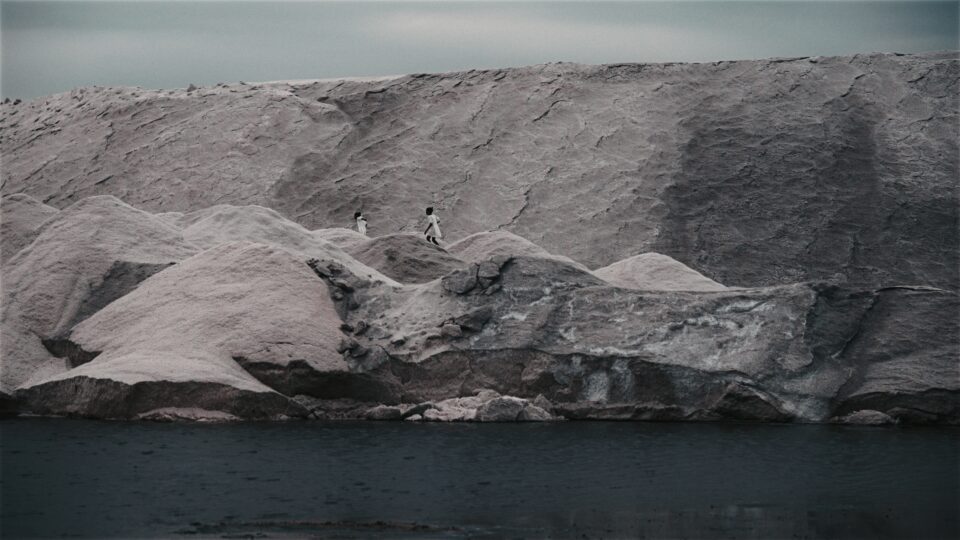
The inclusion of earlier films within the exhibition introduces a layered temporal dimension, allowing works to be re-read in relation to new material. What Colours Can We Dream in This Night Filled with Salt and ɔl bɔdi na sta are positioned not as standalone pieces, but as components within a broader environment. This recontextualisation shifts their emphasis, foregrounding recurring concerns such as rhythm, embodiment and collective memory. At the same time, the exhibition resists imposing a fixed interpretative framework, maintaining a degree of openness. Viewers are invited to move through the space at their own pace, gradually constructing personal and shifting connections between elements. This emphasis on duration and attention aligns with Julianknxx’s wider practice.
The institutional context of LUMA Arles is significant in understanding the scope of the project. Established as a platform for contemporary artistic production, LUMA Arles supports interdisciplinary work that engages with social and cultural questions. Its programme often emphasises long-term commissions and experimental formats, providing artists with the resources to develop ambitious projects. Within this framework, In Search of Incredible can be seen as part of a broader commitment to expanding how exhibitions function – not simply as sites of display, but as spaces for research and encounter. The scale and flexibility of the institution enable a project of this nature to unfold with a level of complexity that might not be possible elsewhere; allowing for a more layered and responsive engagement with the project.
Julianknxx’s work operates in a space between articulation and opacity, where meaning is neither fully fixed nor entirely elusive. By engaging with themes of migration, identity and transmission, he contributes to ongoing conversations around representation and authorship in contemporary art. His practice does not attempt to resolve these issues, but instead sustains them, allowing contradictions to remain visible. In Search of Incredible continues this approach, offering an environment in which narratives emerge gradually and relationally. It is a project that rewards sustained attention and patience, foregrounding the act of listening as much as that of looking, and encouraging viewers to remain present. It underscores the potential of contemporary art to create spaces for reflection that are both critical and affective.
In Search of Incredible is at LUMA Arles 1 May – 10 January: luma.org
Words: Anna Müller
Image Credits:
All images: Julianknxx, Still from What Colours Can We Dream In This Night Filled With Salt_, 2025 © Studioknx