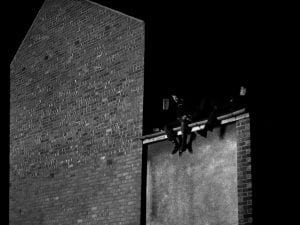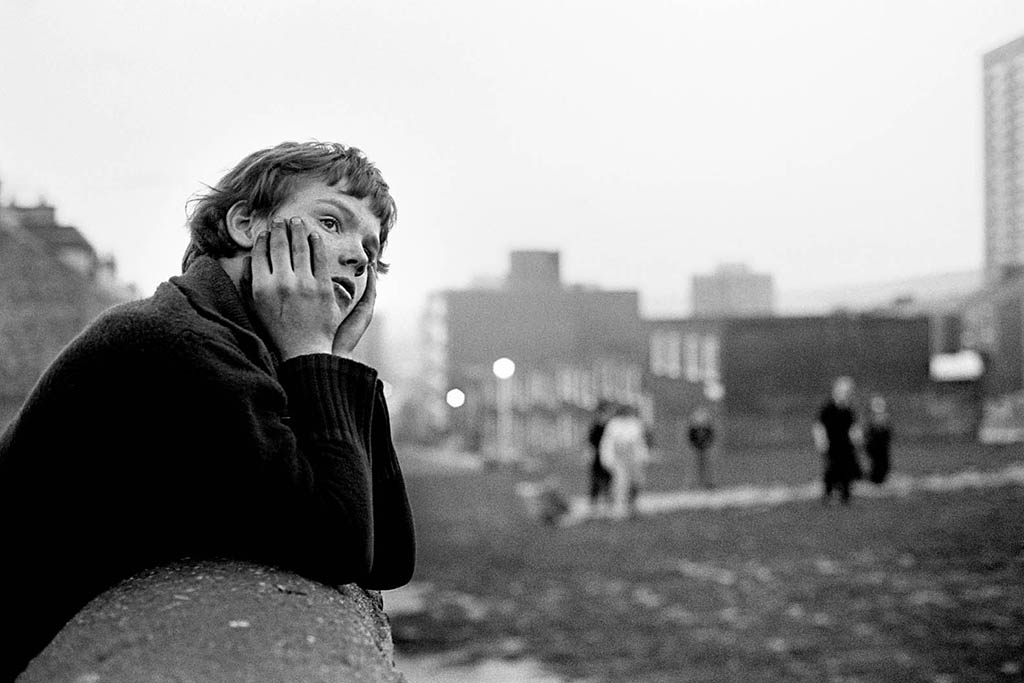
Tish Murtha (1956 – 2013) was a teenager when she found an old camera in a derelict house. By this point, she’d already left school and had taken on variety of jobs, from selling hot dogs to working in a petrol station. The discovery was a turning point in Murtha’s life, prompting her to first take a photography course at Bath Lane, Newcastle, before going on to study at the famous School of Documentary Photography at the University of Wales. After graduating, Murtha returned to Newcastle, where she documented the region’s marginalised communities from the inside. Her photographs capture the social impact of industrial decline with honesty, empathy and urgency, offering a powerful account of working-class life in the North East throughout the late 20th century. The photographer once described her approach as “based on the conviction that the fundamental value of the medium is its capacity to provide direct, accurate and vital records of the conditions, events and experiences that shape our lives.”

A new exhibition at Baltic Centre for Contemporary Art brings the work of Murtha, who passed away in 2013, back to the North East. Close to Home features four major series, as well as newly commissioned work by Newcastle-based artist Kuba Ryniewicz. Developed in collaboration with Murtha’s daughter, Ella, the show is a testament to how, even decades after they were taken, her images remain a vital record of lived experience and a compelling reminder of the inequalities that continue to shape communities today. This is particularly poignant when you consider that Murtha, in the words of the Guardian, was “marginalised and misunderstood by the arts establishment, she was in her final years reduced to poverty by Austerity Britain after the 2008 crash, terrified of being sanctioned by the Department of Work and Pensions.” Her continued popularity and appeal is, in large part, down to the tireless and careful stewardship of her daughter. In more recent years, the 2023 documentary, Tish, was named one of the best films of the year by both the Guardian and Financial Times. Meanwhile, musician Sam Fender used Murtha’s photography as the cover of the Mercury Prize-winning album People Watching.
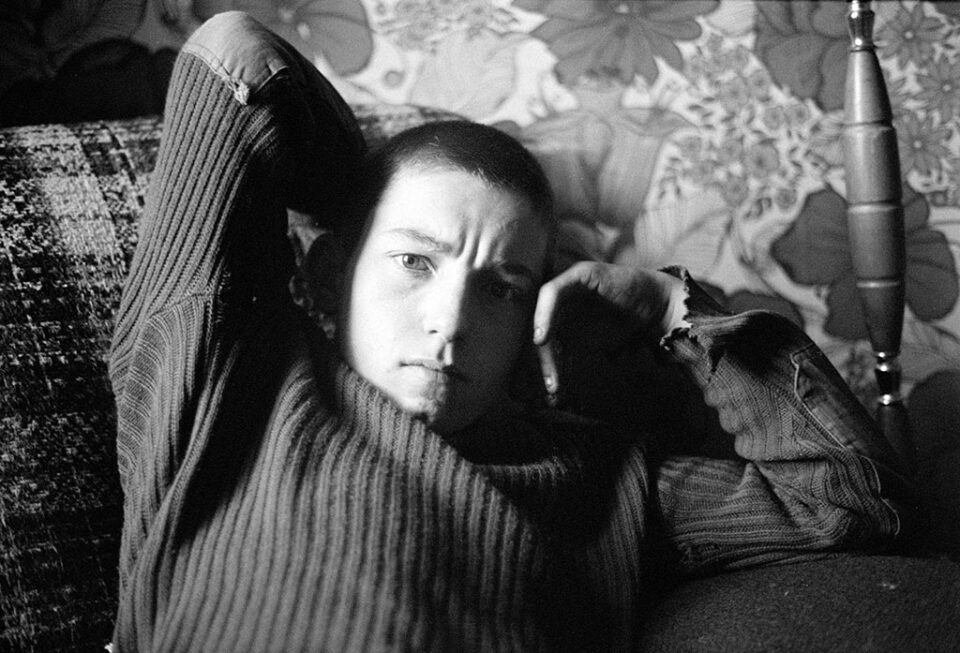
For the first time, Baltic presents work from four key series: Elswick Kids (1978), Elswick Revisited (1987-91),Save Scotswood Works (1979) and Youth Unemployment (1981). Elswick Kids captures the everyday lives of children growing up in Newcastle’s West End, revealing moments of freedom, friendship and play against a backdrop of economic hardship. A decade later, Elswick Revisited documents changes within the community, including increasing cultural diversity. Save Scotswood Works records the struggle of those resisting the closure of a major industrial employer, whilst Youth Unemployment remains one of the most powerful portraits of young people growing up amid economic decline and political neglect. Ella Murtha says: “It’s a privilege to be able to keep Mam’s story alive, to share the love she had for the people and places she belonged to and celebrate the work here, in the place she called home.”
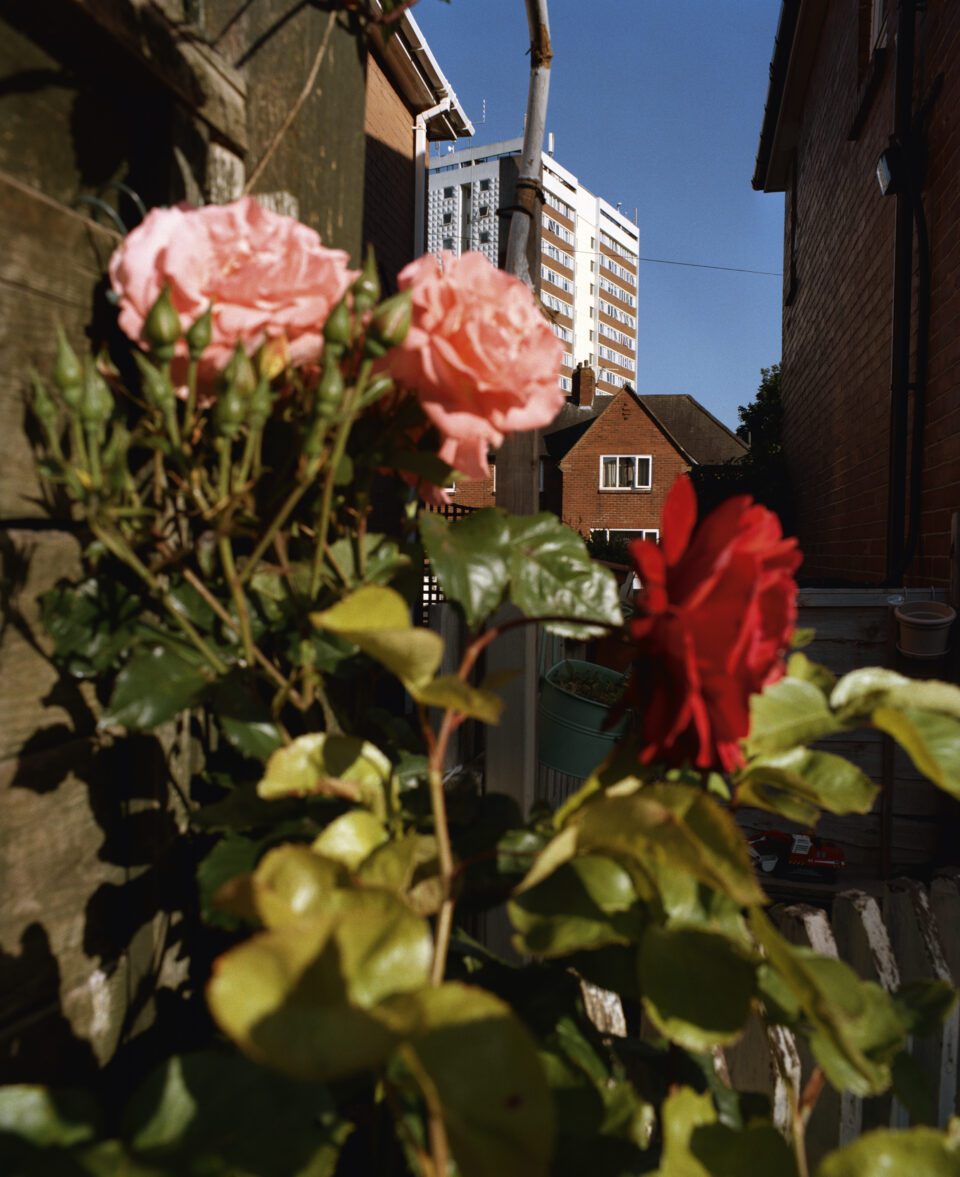
Contemporary artist Kuba Ryniewicz responds to Murtha’s legacy with a body of work created specifically for the exhibition, shown alongside selections from his earlier photographic archive and building on his ongoing exploration of portrait and community. Distinctive for his lightness of touch, Ryniewicz blends elements of fashion photography, regional histories and personal stories, foregrounded by intimacy and vivid characterisation. His works take fleeting moments – a flock of birds in mid-flight, or a figure laid with their eyes-closed in the grass – and renders them permanent. The artist worked with local communities, creating shots that explore joy, resilience and everyday life in the North East today, offering a contemporary perspective that sits in dialogue with Murtha. Ryniewicz says: “I am very excited and honoured to share my work, especially photographs of my community alongside such a legend, like Tish. Both voices give a different perspective on what it is to be living in Newcastle and Gateshead.”
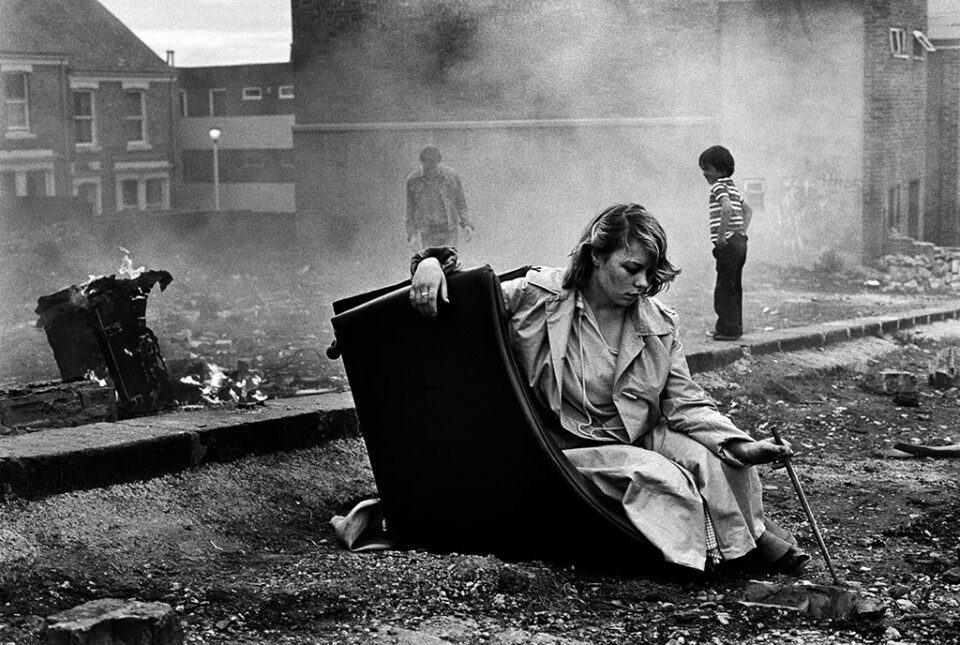
Together, Murtha and Ryniewicz tell the story of a region often relegated to the sidelines of national attention. Murtha documents working-class life in Newcastle during the late twentieth century, whilst Ryniewicz offers a contemporary perspective shaped by lockdown and ongoing dynamics of friendship, intimacy and creative community. Together, the works reveal how ordinary moments – friendship, play, resilience and creativity – continue to shape the social fabric of the region.
Close to Home is at Baltic Centre for Contemporary Art, Gateshead from 4 July: baltic.art
Words: Emma Jacob
Image Credits:
1. Elwick Kids, Tish Murtha © Ella Murtha, all rights reserved.
2. Kuba Ryniewicz, The Daily Weeding 2 (2020-2021), © the artist.
3. Youth Unemployment, Tish Murtha © Ella Murtha, all rights reserved.
4. Kuba Ryniewicz, Daily Weeding (2020-2021), © the artist.
5. Youth Unemployment, Tish Murtha © Ella Murtha, all rights reserved.