In an era dominated by constant scroll and shrinking attention spans, documentary has emerged as one of the most vital languages in contemporary culture. From the political urgency of Navalny to the cultural resonance of Beckham and the environmental meditation of David Attenborough: A Life on Our Planet, non-fiction storytelling has become central to how audiences engage with politics, identity and collective memory. Viewers are increasingly drawn to works rooted in truth yet shaped with cinematic precision. Documentary today is not merely reportage; it is authorship, immersion and, often, an act of listening. Across platforms and festivals, audiences are seeking stories that move, challenge and transform perspective. In doing so, the form has entered a cultural mainstream once reserved for narrative cinema.
Aesthetica marks a defining national moment with the arrival of its Aesthetica x Audible Listening Pitch in London in March 2026. The celebratory screening represents five years of commissioning short documentaries that place listening at the centre of storytelling and demonstrates the organisation’s evolving role as a national cultural force. Founded in 2003 with Aesthetica Magazine and widley known for the BAFTA-Qualifying Aesthetica Film Festival, Aesthetica has consistently championed new voices. The move to one of London’s most influential arts venues signals recognition of the programme’s relevance beyond regional contexts. It also reflects the increasing appetite for documentary that is immersive, intimate and formally innovative. “Bringing the Listening Pitch to London is a major milestone,” says Cherie Federico, Director of Aesthetica. “It celebrates not only the filmmakers but also a wider commitment to storytelling that prioritises listening as much as seeing.”
The timing of this national spotlight is significant. Documentary is experiencing what critics describe as a golden decade, with audiences embracing deeply personal narratives, political investigations and experimental non-fiction forms. Platforms such as Netflix, Disney+ and Amazon Prime have accelerated access, while festivals like Sheffield Doc/Fest, BFI London Film Festival and Hot Docs have amplified the profile of UK and international works. Recent standout documentaries illustrate the form’s elasticity: All the Beauty and the Bloodshed blends art with activism, chronicling Nan Goldin’s campaign against the Sackler family, while 20 Days in Mariupol provides an unflinching account of conflict in Ukraine. Meanwhile, The Deepest Breath transforms competitive freediving into an existential meditation on trust, risk and human endurance. “We are witnessing a renaissance in documentary,” Federico notes. “Audiences want authenticity, but they also want craft. They want to be immersed, to feel the texture of a story.”
What sets the Listening Pitch apart in this flourishing landscape is its focus on sound as both subject and method. In a culture dominated by visual imagery, Aesthetica and Audible foreground listening as a radical creative act. “Listening is a radical act,” Federico explains. “In a world saturated with noise, to truly listen is to create space. It is to acknowledge another perspective without interruption. That is where empathy begins.” Films developed through the programme treat sound not as a secondary layer but as narrative architecture, shaping rhythm, tension and emotional resonance. The Listening Pitch invites filmmakers to explore the aural dimensions of story, revealing hidden textures in social, cultural and environmental contexts. This approach positions listening as a tool for discovery and engagement.
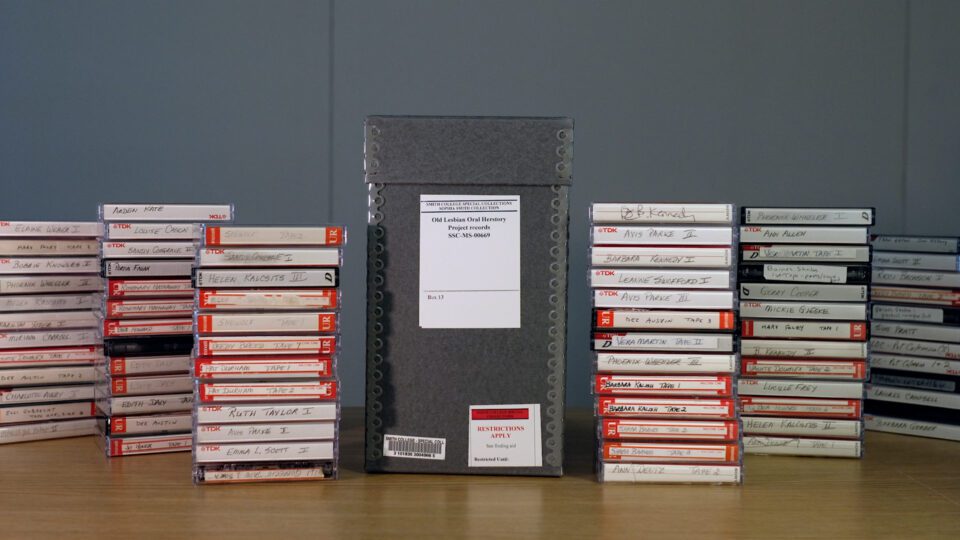
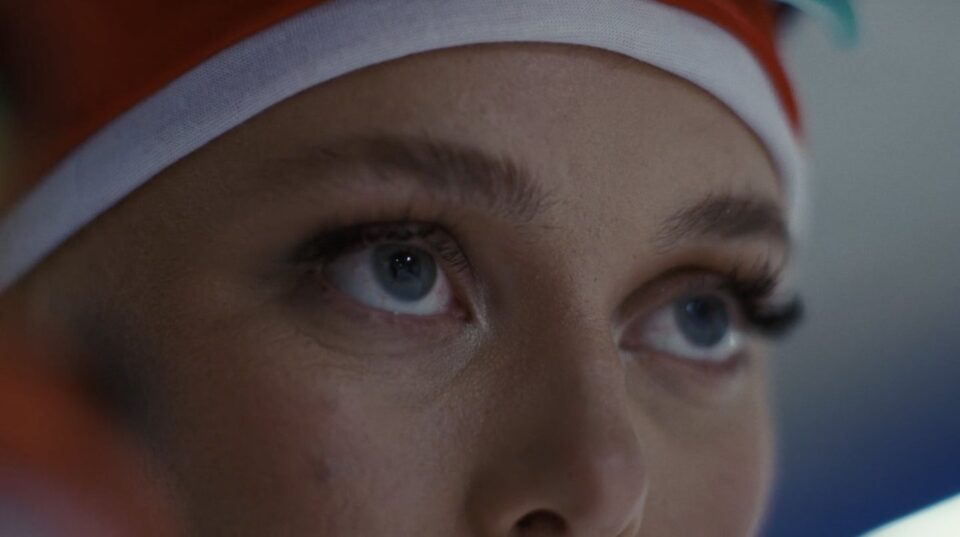
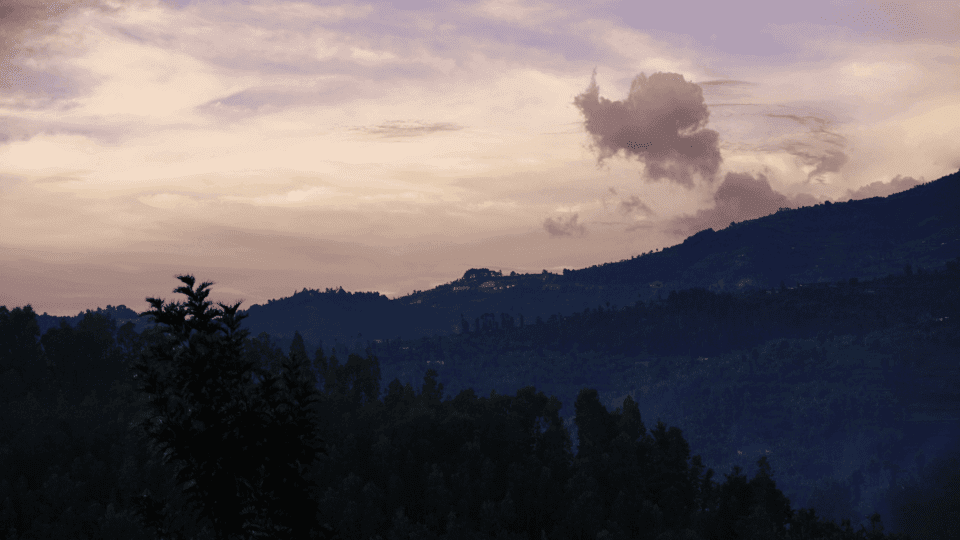
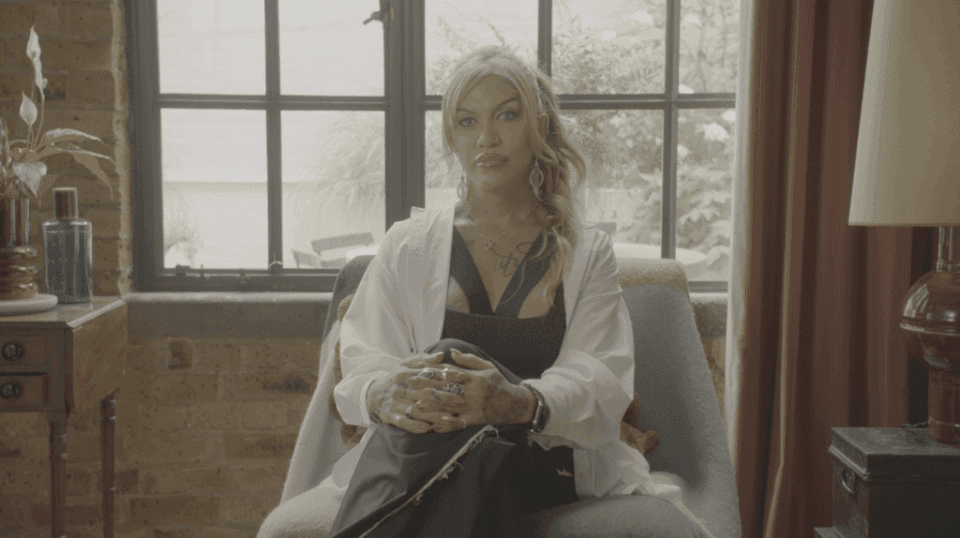
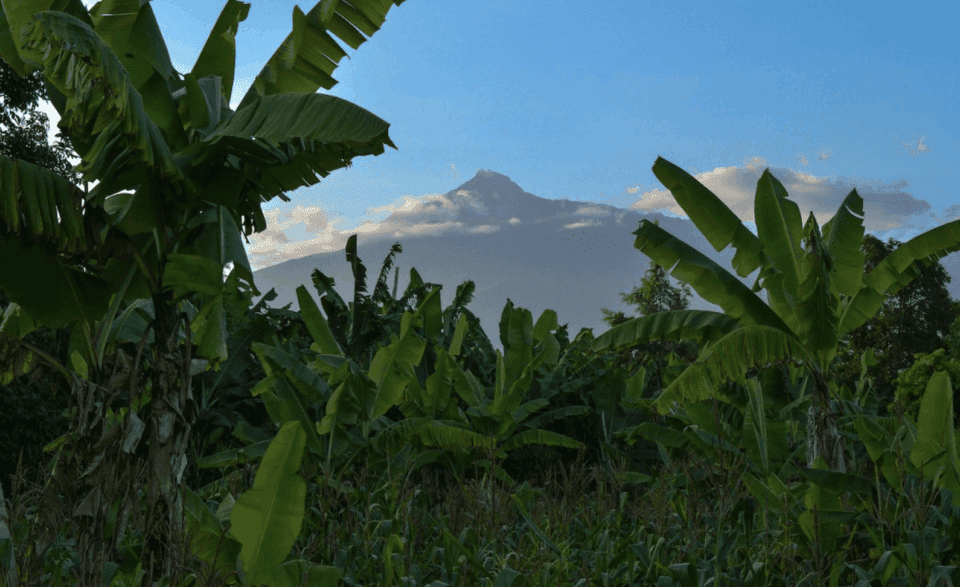
Over the past five years, the Listening Pitch has supported extraordinary short documentaries that have travelled internationally, screening at major festivals and reaching global audiences via digital platforms. Projects such as Old Lesbians preserve oral histories from older lesbian communities in the United States, while Speed of Sound documents Paralympic athlete Carina Edlinger, demonstrating how intimate testimony can reshape perception. Birdsong explores endangered whistling traditions in Laos, and Blind as a Beat reflects on a filmmaker’s experience of sight loss, illustrating the pivot from vision to hearing. More recent works such as The Things We Don’t Say examine intergenerational trauma after the Rwandan genocide, while Greensound looks at nature, sound and healing in post-industrial Wales. “When we talk about storytelling, we often focus on what we see,” Federico observes. “Some of the most powerful narratives unfold in what we hear. Breath, silence, hesitation, ambient sound – these are not embellishments. They are narrative devices. They reveal vulnerability and truth.”
Documentary’s resurgence also coincides with a broader national conversation about representation and authorship. Who tells the story and how it is told now shapes commissioning decisions and audience engagement alike. Initiatives like the Listening Pitch foreground voices that might otherwise remain marginalised, creating a more inclusive ecosystem of non-fiction storytelling. Collaboration with platforms such as Audible demonstrates how cross-sector partnerships can support experimentation and innovation. “We believe in collaboration as a catalyst,” Federico notes. “When you bring together filmmakers, curators and audio specialists, you create the conditions for risk, discovery and experimentation. The Listening Pitch exists to invest in that space.” This model shows how regional initiatives, when scaled thoughtfully, can influence national dialogue around documentary and creative practice.
This latest event includes a curated programme of films, a panel discussion, drinks, DJ and networking, creating space for filmmakers, industry professionals and audiences to connect. Yet the significance extends beyond the evening itself. It signals confidence in documentary as a driving force in British cultural life and listening as a method capable of reshaping narrative practice. “Our aim has always been to amplify unheard stories,” Federico says. “Not as a trend but as a long-term commitment. Listening allows us to engage with complexity rather than flatten it. It is a lens for understanding the world.”
As documentary continues to flourish, audiences are showing a renewed appetite for works that demand attention and reward patience. Streaming, festivals and social media have created multiple entry points, but the most enduring documentaries offer intimacy, craft and insight. Recent documentaries highlight the potency of non-fiction as cultural intervention, whilst experimental shorts from the Listening Pitch demonstrate that sound-led storytelling can open entirely new ways of experiencing narrative. “Storytelling is how we understand ourselves,” Federico reflects. “If we listen carefully, we can begin to bridge divides. Documentary is not just about presenting facts. It is about creating encounters.”
The Listening Pitch exemplifies the evolution of documentary as both art and public dialogue. By amplifying quieter voices and centring listening as a narrative strategy, the programme encourages filmmakers and audiences to reconsider what documentary can be. Across the UK, non-fiction storytelling is proving adaptable, urgent and vital, with works that are investigative, lyrical, intimate and epic. As Aesthetica presents its programme this month, it situates itself within a wider renaissance of documentary that reflects social, cultural and environmental consciousness. It offers a simple yet profound proposition: that through listening, we might find new ways of seeing and connecting with the world.
Aesthetica x Audible: Celebrating Sound in Documentary Film will be held at ICA, London on 23 March: asff.co.uk/docfilmnight/
The Listening Pitch 2026 is Open for Application. Submit your Idea Here.
Words: Anna Müller
Image Credits:
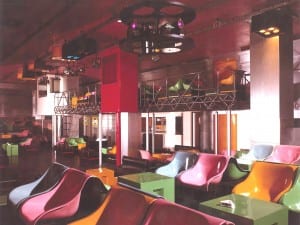
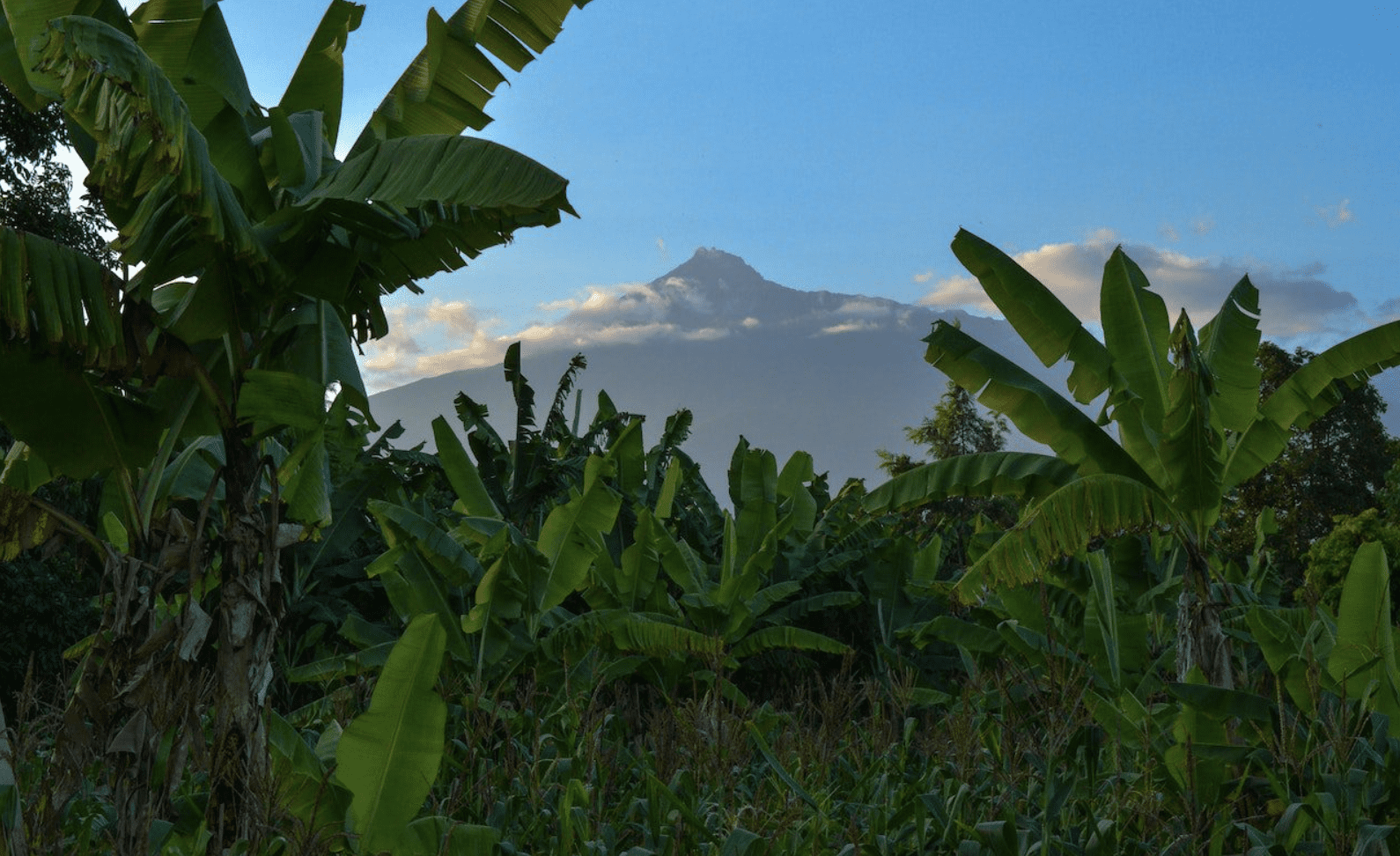
1&9. Film Still. Banana. Matthew Herbert (2023).
2. Film Still. Old Lesbians. Meghan McDonough (2023).
3. Old Lesbians. Meghan McDonough (2023).
4. Film Still. Speed of Sound. Jade Ang Jackman (2022).
5. The Things We Don’t Say. Ornella Mutoni (2024).
6. Film Still. The Things We Don’t Say. Ornella Mutoni (2024).
7. Speed of Sound. Jade Ang Jackman (2022).
8. Film Still. Voice Shift. Roberto Duque (2025).