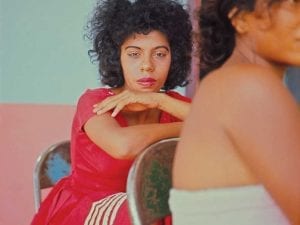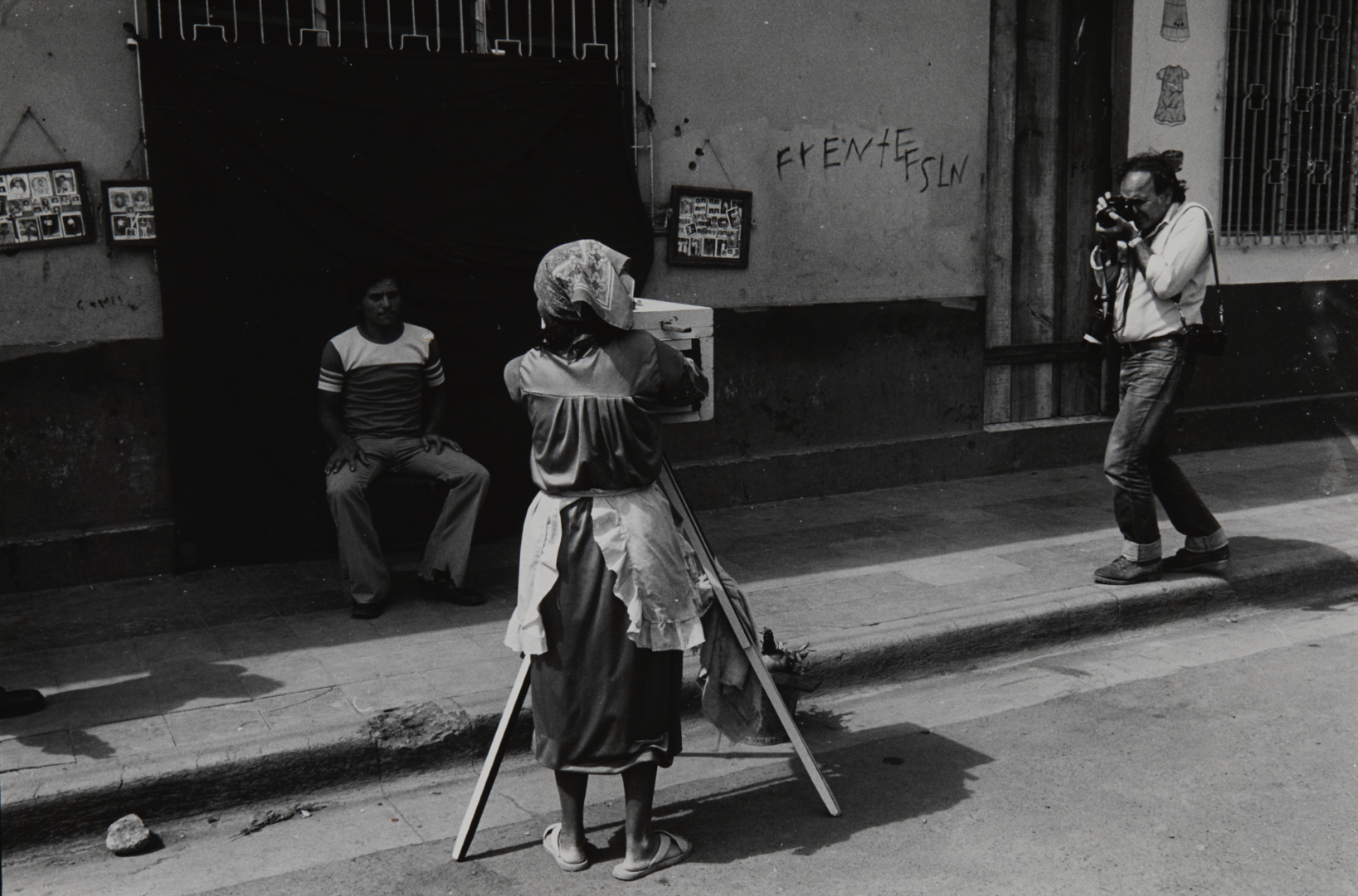
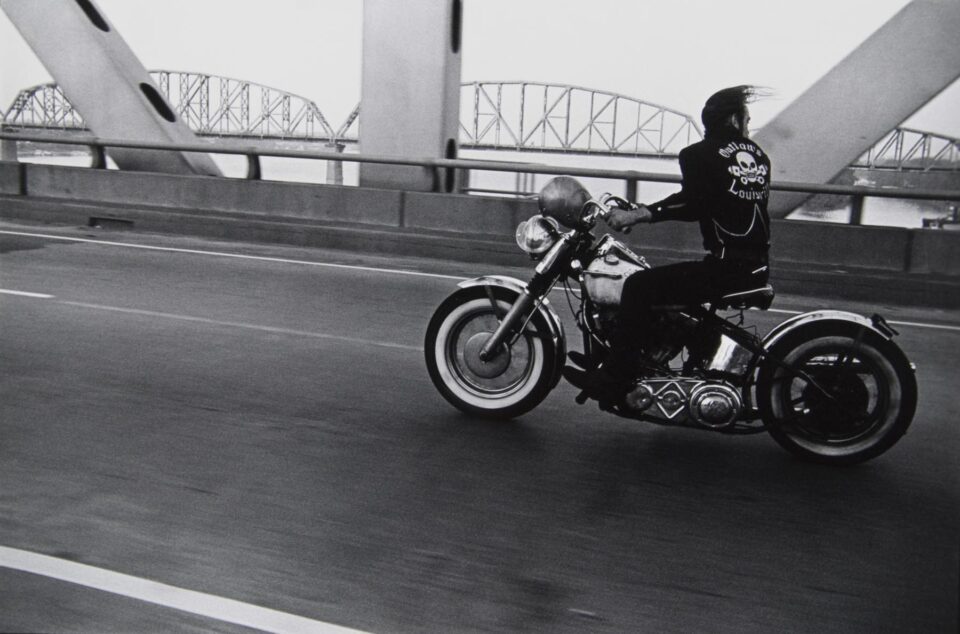
In 2026, the Museum of Contemporary Photography at Columbia College Chicago marks its 50th anniversary, a milestone that prompts reflection on photography’s shifting status within the cultural landscape. Founded in 1976 and initiating its collection in 1979, the museum has amassed more than 18,000 objects by over 2,000 artists, forming a collection that charts half a century of aesthetic, political and technological change. The anniversary exhibition MoCP at Fifty: Collecting Through the Decades functions as both a celebratory gesture and a critical enquiry into how institutions shape photographic history. It offers an opportunity to look back at the museum’s evolving priorities and consider how these have intersected with broader debates in contemporary art. Photography’s ascent from peripheral medium to central cultural force is written into the museum’s trajectory. At 50, MoCP stands as both archive and interlocutor, engaging with the past while remaining attuned to photography’s future.
The museum’s origins coincide with a period when photography was still negotiating its legitimacy within the art world. In the 1970s, photographic practice was often relegated to documentary or commercial contexts, with fine art institutions slow to embrace its conceptual potential. Over the ensuing decades, MoCP has been part of a global movement to reframe photography as an intellectually rigorous and critically engaged practice. Its collection reflects shifts from modernist formalism to postmodern critique, from analogue processes to digital and post-digital experimentation. These transitions mirror broader social and technological transformations, underscoring photography’s capacity to register historical change. The museum’s growth is inseparable from the story of photography’s expanding definitions.
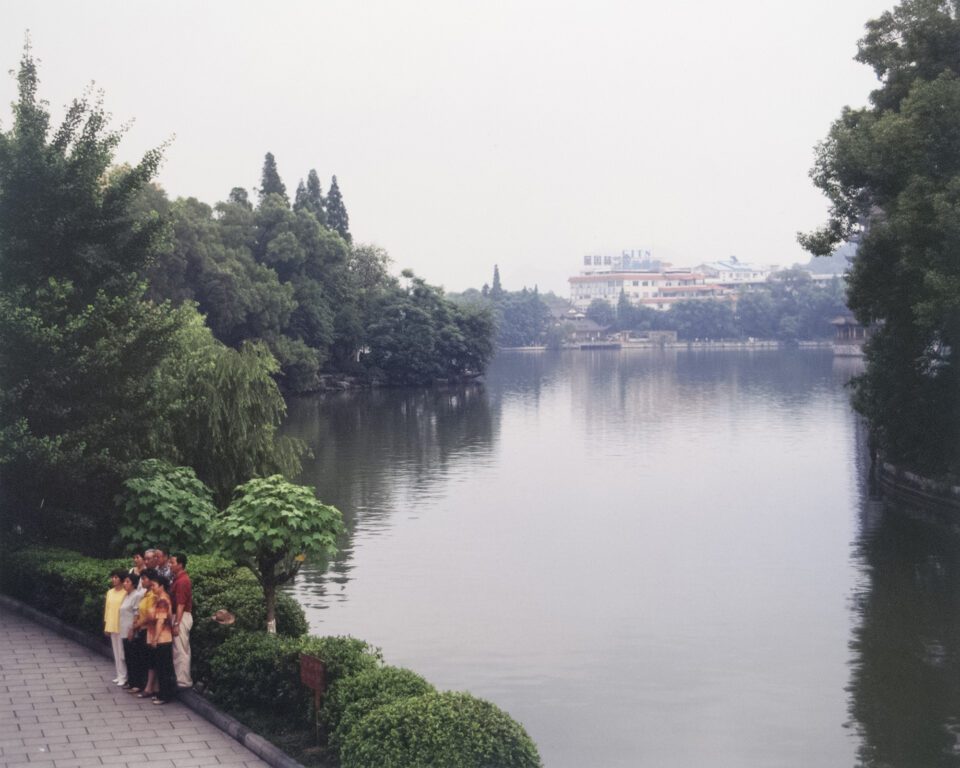
Crucially, MoCP’s history also reveals the politics of collecting and the responsibilities that accompany institutional authority. Early decades of the collection were marked by significant omissions, particularly the underrepresentation of women and artists of colour. These gaps were not the result of artistic absence but of structural biases that shaped acquisition policies and curatorial priorities. In subsequent decades, collecting became a deliberate act of correction, seeking to broaden the canon and acknowledge diverse practices and perspectives. Karen Irvine, Chief Curator and Deputy Director, reflects on this evolving mission, stating: “Over five decades, the MoCP has built a collection that traces shifting cultural, political and visual histories. This moment allows us to look back with reflection and celebrate our holdings, knowing that every photograph we steward becomes part of a larger conversation about how images shape our understanding of the world.” Her words highlight the museum’s awareness that collecting is an active, ethical and political process rather than a neutral accumulation of objects.
The structure of MoCP at Fifty underscores this reflexive approach to institutional history. Five galleries represent five decades of collecting, beginning with the most recent acquisitions from 2016 to 2026 and moving backwards through time. This reverse chronology disrupts conventional narratives of linear progress, inviting viewers to read the past through contemporary concerns and vice versa. By positioning recent works at the entrance, the exhibition foregrounds current debates around representation, technology and conceptual practice before tracing their historical antecedents. The result is a layered dialogue between eras that emphasises continuity as much as rupture. It also suggests that collections are living entities, continually reshaped by curatorial decisions, societal values and technological change.
Over the past five decades, MoCP has hosted exhibitions that have influenced the discourse surrounding photography’s role in society. Its long-running Chicago Works series has provided a platform for artists connected to the city, foregrounding local practices within a global conversation. Other exhibitions and public programmes have addressed documentary traditions, conceptual strategies and the impact of technological change, positioning photography as both witness and speculative tool. Curators including Karen Irvine and Asha Iman Veal have shaped programming that engages with identity, power and visual culture, reinforcing the museum’s role as a critical space rather than a neutral display platform. Through lectures, publications and community engagement initiatives, MoCP has contributed to debates about how photography constructs, reflects and contests reality. These programmes situate the museum within a broader network of institutions committed to photography as a site of inquiry and experimentation.
The anniversary exhibition brings together more than 100 works that exemplify the breadth of MoCP’s holdings. Featured artists include Joel Sternfeld, Barbara Crane, Matthew Finley, Carrie Mae Weems, Yasuhiro Ishimoto, Dayanita Singh, Bob Thall and Carlotta Corpron among others. Sternfeld’s colour photographs offer a quietly incisive portrait of American life, revealing contradictions embedded within everyday scenes. Crane’s experimental compositions push photography towards abstraction, exploring form, repetition and perception. Weems’ practice interrogates histories of race, gender and representation, while Singh’s conceptual projects question how images are organised, archived and disseminated. Ishimoto’s modernist studies of architecture and Thall’s explorations of landscape sit alongside Corpron’s abstract photograms, demonstrating the collection’s aesthetic diversity.
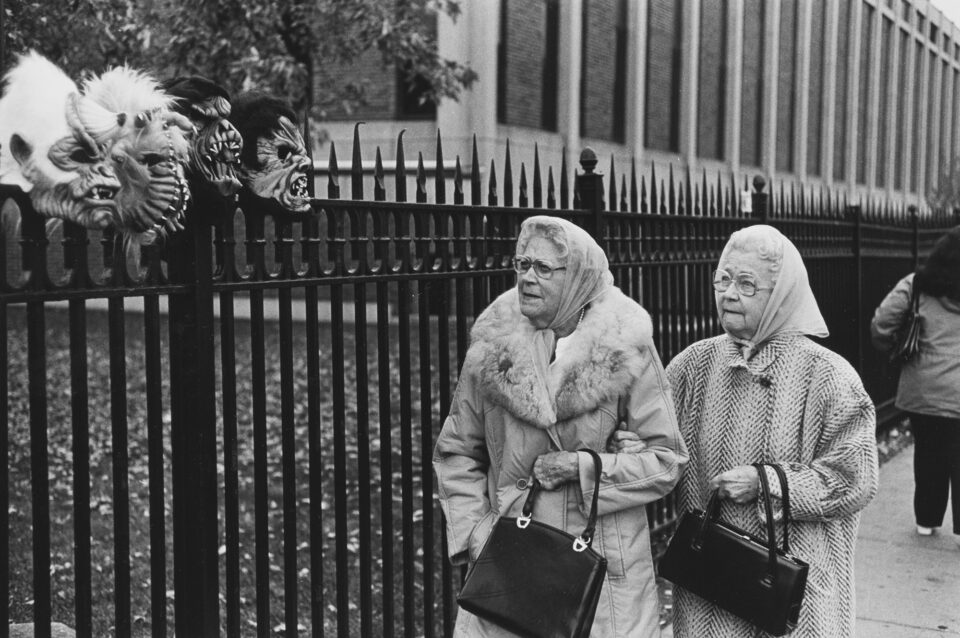
Key themes emerging from MoCP at Fifty include the politics of collecting, the evolution of photographic technologies and the museum’s role in shaping the canon. By juxtaposing works from different decades, the exhibition reveals how certain concerns persist while others emerge in response to shifting contexts. Conceptual practices once considered marginal are now central to contemporary discourse, while documentary approaches continue to adapt to new political realities. The show also traces the transition from analogue to digital processes, highlighting how technological change reshapes visual language and audience engagement. Collectively, the works underscore photography’s capacity to oscillate between documentation and speculation, between index and invention. The exhibition ultimately invites viewers to consider how institutions construct narratives and how those narratives might be reimagined.
MoCP’s anniversary sits within a broader constellation of long-standing photography institutions that have shaped the medium’s global trajectory. The International Center of Photography in New York, founded in 1974, has been instrumental in advancing photography through exhibitions, education and research. The Photographers’ Gallery in London, established in 1971, has provided a platform for both emerging and established practitioners while engaging critically with image culture. In Paris, the Maison Européenne de la Photographie has built an extensive collection and programme that bridges historical and contemporary practices. These institutions, like MoCP, have evolved in response to technological change, expanded their collections to include diverse voices and embraced interdisciplinary approaches. Their longevity underscores photography’s enduring relevance and its capacity for continual reinvention.
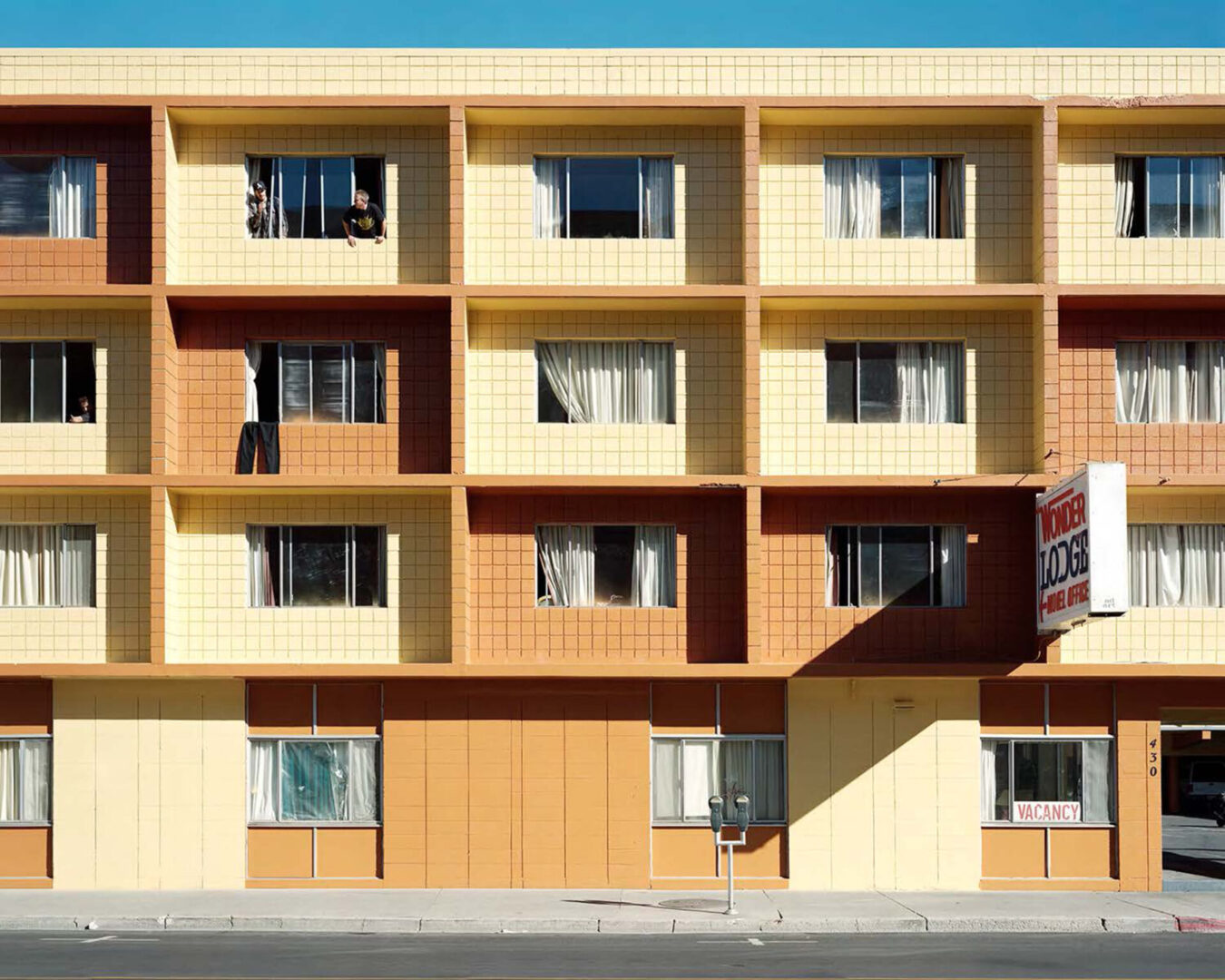
Despite their geographic and institutional differences, these galleries share common ground in their commitment to photography as a dynamic and contested field. They function as spaces for reflection, debate and experimentation, acknowledging the medium’s ubiquity while probing its complexities. Photography’s democratic accessibility coexists with its conceptual depth, allowing it to operate simultaneously as popular culture and critical art practice. Museums and galleries provide contexts in which images can be slowed down, interrogated and historicised. In this sense, MoCP and its global counterparts serve as custodians of visual memory and laboratories for future experimentation. Their sustained existence attests to photography’s capacity to adapt, critique and transform.
In an era saturated with images, from social media feeds to surveillance infrastructures, exhibitions like MoCP at Fifty offer a vital counterpoint to the ephemerality of digital culture. They remind us that photography has a history shaped by institutions, artists and audiences and that this history remains open to revision. MoCP’s anniversary is therefore not merely a celebration of longevity but a meditation on responsibility, power and the making of meaning. Today, the museum stands as both guardian and provocateur, preserving the past while challenging its own narratives. Photography, as this exhibition makes clear, never stands still, evolving in dialogue with the world it seeks to represent and reimagine.
MoCP at Fifty: Collecting Through the Decades is at Museum of Contemporary Photography at Columbia College, Chicago until 16 May: mocp.org
Words: Anna Müller
Image Credits:
1. Raul Corrales, Maria and Mario. Dos Fotografos, Dos Epocas, Dos Estados, 1980.
2. Danny Lyon, Crossing the Ohio, Louisville, from the portfolio Danny Lyon, 1966.
3. Wei Shen, Photo Moment, Guilin, Guangxi Province, 2013.
4. Jay King, Untitled, from Changing Chicago Project, 1987–1988.
5. Marshall Scheuttle, Wonder Lodge, 2013.