

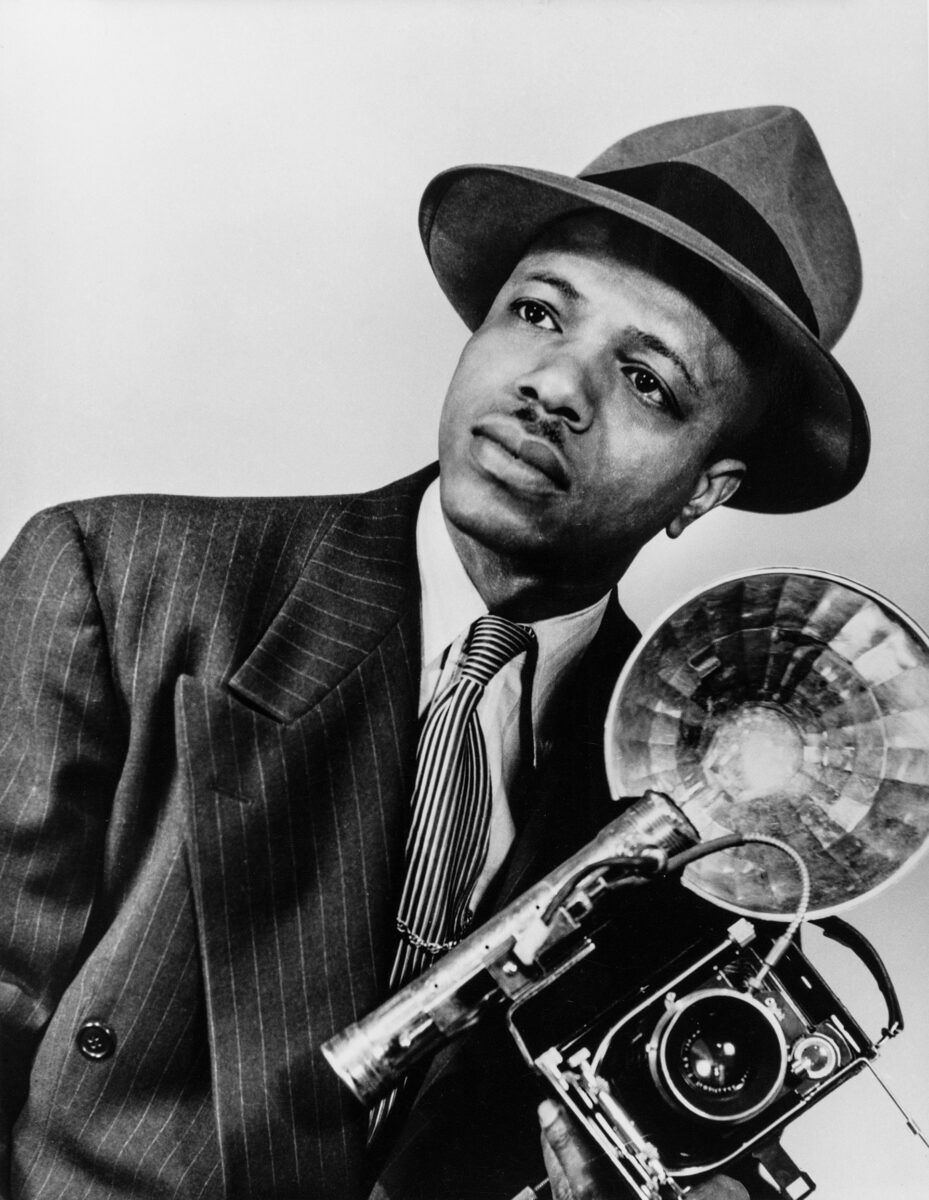
The Texas African American Photography (TAAP) Archive is a visual record of Black life in Texas since the 1870s. The collection is 60,000 images strong, ranging from the earliest tin types and crayon drawings, through the 20th century, to contemporary digital photography. Typically operating small studios that provided portraiture, promotional images and event documentation, many of the photographers featured worked within their communities to develop an enduring vision of hope and uplift. The TAAP first began with Alan Govenar’s Living Texas Blues, which collated images of blues musicians from the early 20th century. He began the project in 1984, after realising that these figures were the last survivors of a postwar generation and their art needed preserving. This new publication is a fascinating insight into the project’s images and its dedicated custodians – from Dallas and Houston to smaller towns.
Kinship and Community begins with refreshingly personal foreword from Brian Wallis, who is former Chief Curator at the International Centre for Photography, New York. It describes Wallis’s work alongside TAAP’s founder, Alan Govenar, and it articulates the passion felt by those involved as they travel across the country, painstakingly collecting, labelling and archiving documents from local studio photographers. The subsequent pages tell a story of why access to collective cultural and familial histories is so important. These materials can shape how we view our current moment, not only politically, but personally.
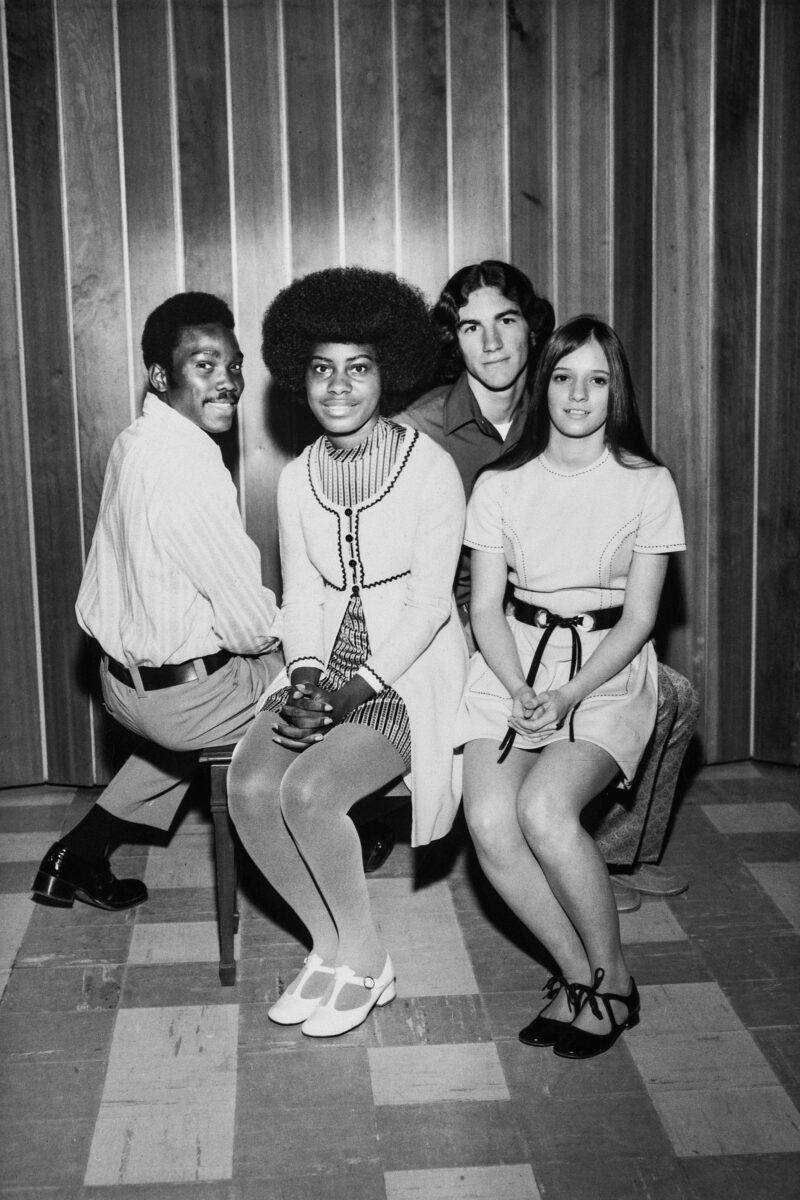
Photographs by Marion Butts, Elnora W. Frazier, Earlie Hudnall Jr., Alonzo Jordan, and Benny A. Joseph, among others, record family gatherings, social traditions, educational milestones, sports achievements, local businesses, as well as the activism that defined the civil rights era. The whole spectrum of life is on display here, from Curtis Humphrey’s heartwarming snapshots of a 1955 Kindergarten graduation to Rodney Evan’s playful image of a 1970 basketball game, where a suited man is lifted above the heads of the team. The publication includes quotations and snippets of interviews from artists alongside their work, and Carl Sidle’s aptly sums up the book’s ethos when describing his practice. “From the time I started I have basically tried to take pictures that convey some positive image of the Black community. But I don’t just take pictures of Black people. I’m really concerned with the positive side of the human spirit.”
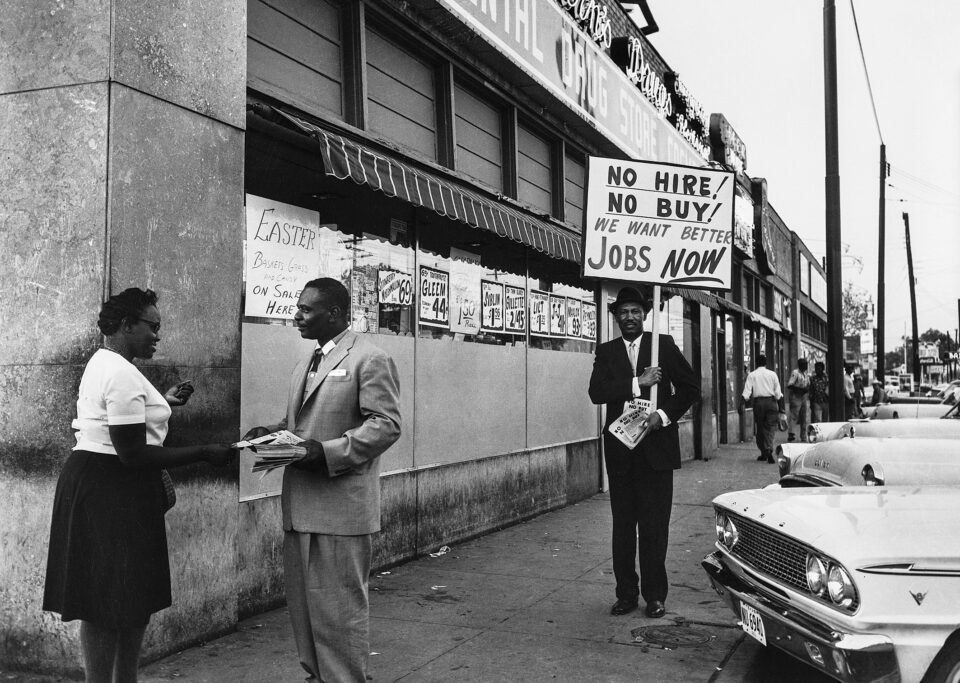
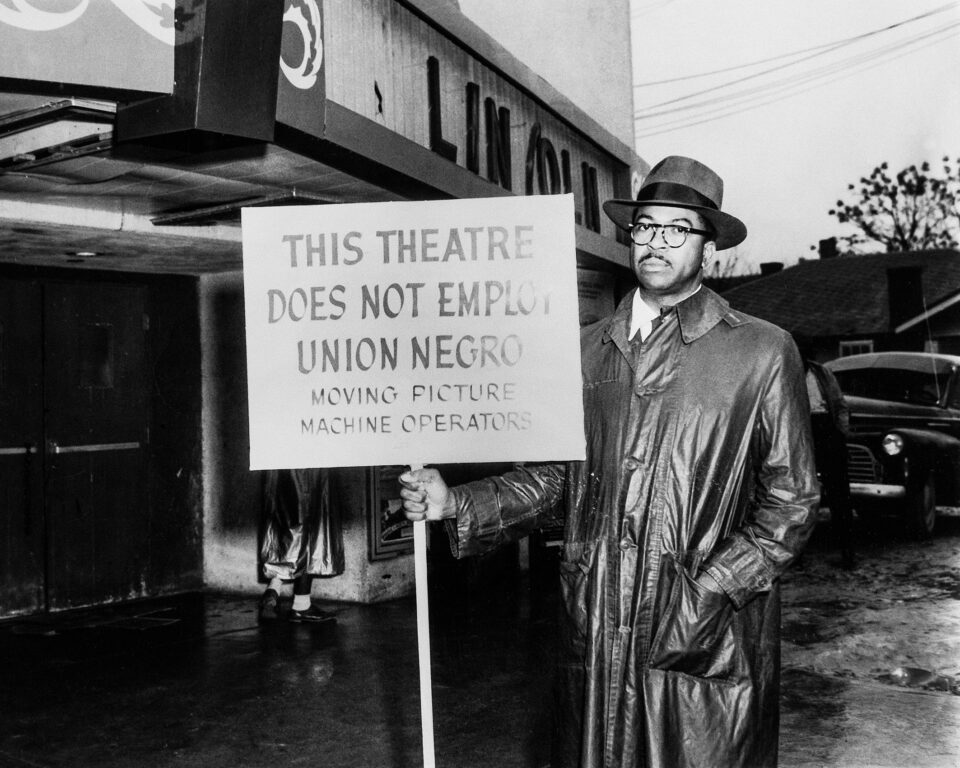
The curation is striking. Shots of picketers and protests precede school graduations and pageants. On one particularly harrowing spread, Benny Johnson’s image shows “a guy in the north part of Houston called Houston Heights. They hung him up in a tree and scratched KKK on his chest. His name was Felton Turner.” The snapshot of racist violence gives way, only a few pages later, to images of young people dressed up for marching band, proms and graduations. The result could have felt jarring, but offers a powerful example of what the archive stands for: a full picture – as is possible – of what life was like for Black people in 20th century Texas. As Wallis writes: “This book is a testament to why archives matter.”
Kinship and Community: Selections from the Texas African American Photography Archive will be published by Aperture on 3 March: aperture.org
Words: Emma Jacob
Image Credits:
1. Calvin Littlejohn, Self-portrait, Fort Worth, Texas, ca. 1955; from Kinship & Community: Selections from the Texas African American Photography Archive (Aperture, 2026). © 2026 Calvin Littlejohn.
2. Marion Butts, S. R. Tankersley pickets Lincoln Theater for jobs, Dallas, Texas, 1949; from Kinship & Community: Selections from the Texas African American Photography Archive (Aperture, 2026). © 2026 Marion Butts.
3. Alonzo Jordan, Jasper, Texas, ca. 1970s; from Kinship & Community: Selections from the Texas African American Photography Archive (Aperture, 2026). © 2026 Alonzo Jordan.
4. Marion Butts, NAACP pickets Skillern’s Drugs, Dallas, Texas, 1961; from Kinship & Community: Selections from the Texas African American Photography Archive (Aperture, 2026). © 2026 Marion Butts


