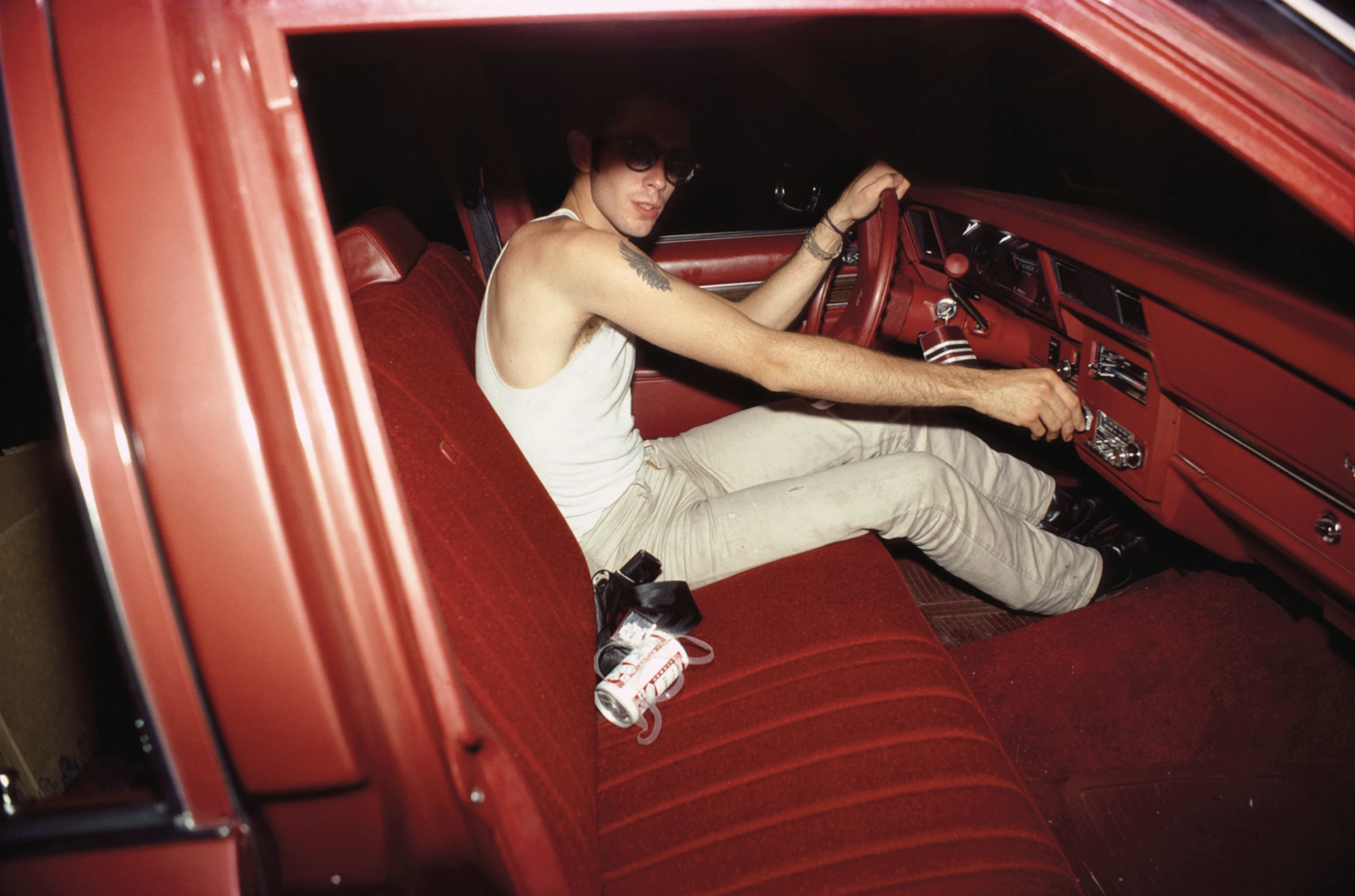
Nan Goldin is one of the titans of our time, a singular force whose vision has irrevocably reshaped photography and contemporary art. Her work moves with the cadence of life itself, intimate yet unvarnished, a visual diary that refuses to soften or obscure the complexity of human experience. From the shadows of late 20th-century New York to the luminous corridors of today’s galleries, Goldin’s influence resonates across generations of artists, photographers and audiences, cementing her place not just as a chronicler of subcultures but as an architect of empathy and visual truth. Her images capture moments of vulnerability, desire and resilience, creating immediacy that feels both personal and universal. Each photograph offers a glimpse into a world at once intensely private and profoundly familiar.
In 2026, the UK finally has the opportunity to witness the full scope of Goldin’s magnum opus. Gagosian London will present all 126 photographs from The Ballad of Sexual Dependency – the first time the complete work is shown in the United Kingdom. Having recently opened at Davies Street, the exhibition coincides with the 40th anniversary of the volume, a milestone that invites reflection on the enduring potency of her vision. Goldin once described the book as “the diary I let people read” and forty years later it continues to resonate as both document and manifesto. The work offers a prism through which to understand intimacy, gender, power and the fragility of human connection. It remains as challenging and affecting today as it did when first published, confirming its status as a landmark of contemporary photography.
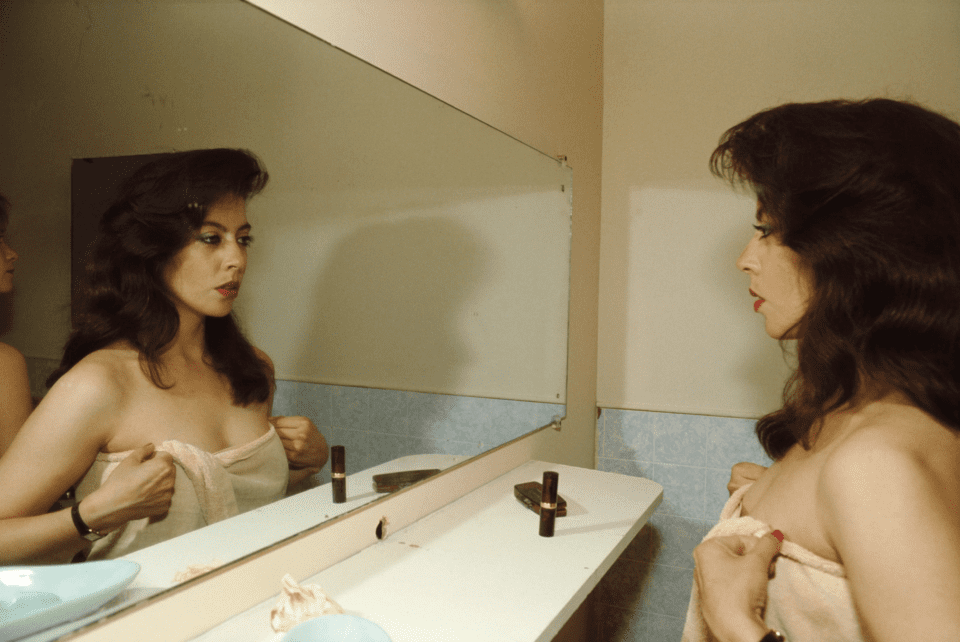
Created between 1973 and 1986, The Ballad captures the vibrancy and volatility of life in downtown New York, a cityscape teeming with creative energy and social upheaval. Shot in private apartments, crowded clubs and sunlit streets, the photographs reveal relationships as lived experiences rather than staged tableaux. Goldin’s approach – direct, personal and unflinchingly honest – upended the photographic status quo. Chromatically radical and formally audacious, her work helped move photography from the margins into the heart of contemporary art discourse. She demonstrated that the camera could be both witness and confessional, documenting life with intimacy and rigor. Each image feels charged with the electricity of experience, capturing fleeting gestures and unguarded moments that endure beyond the frame.
The exhibition itself is structured to evoke the immersive nature of Goldin’s original vision. Presented as a gallery installation of archival pigment prints, it preserves the intimacy of the book while magnifying its emotional impact. Each image, framed and hung with deliberate spacing, allows viewers to linger in moments of joy, melancholy, desire and despair. Themes of love and loss, friendship and betrayal, addiction and resilience run like a pulse through the work, capturing a generation and its struggles while transcending its time. Goldin’s photographs are, in her own words, “an invitation to my world, but now they have become a record of the generation that was lost,” a statement that resonates profoundly in the present moment. The installation transforms viewing into an almost cinematic experience.
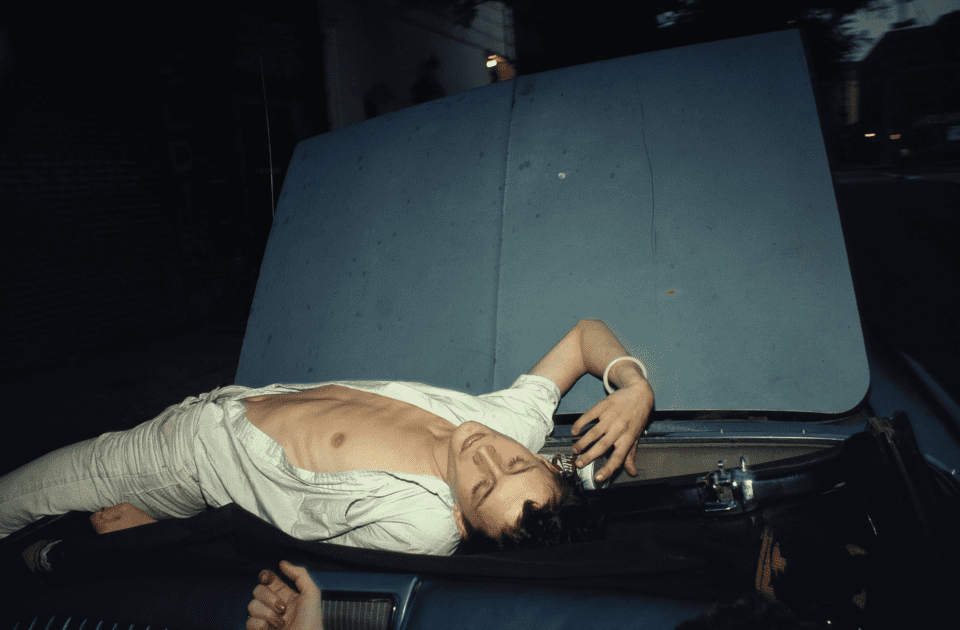
Whilst London marks a significant UK debut, Goldin’s work is simultaneously on view elsewhere in the world, underscoring her global reach. Her retrospective of moving-image work, This Will Not End Well, continues at Pirelli HangarBicocca in Milan through 15 February 2026, before travelling to the Grand Palais in Paris. Meanwhile, her multimedia slideshow Stendhal Syndrome is at the Vancouver Art Gallery through April this year. These concurrent exhibitions reveal the breadth of her practice and her ongoing engagement with time, memory and the photographic medium itself. They demonstrate that Goldin is as vital today as she was in the 1980s and her work continues to challenge, provoke and inspire audiences.
The reverberations of Goldin’s influence can be traced across a new generation of photographers who draw on her legacy while articulating their own visions. Artists such as Petra Collins, whose exploration of adolescence, sexuality and identity echoes Goldin’s diaristic intensity, craft images that feel simultaneously personal and universal. Deana Lawson navigates intimacy and social politics with a rigorous eye, her portraits a meditation on community and desire that owes a debt to Goldin’s candour and commitment to lived experience. Similarly, Zanele Muholi interrogates visibility and representation, documenting queer and Black identities with a piercing honesty reminiscent of Goldin’s unflinching gaze. Through these artists, the threads of Goldin’s impact – personal, political and aesthetic—continue to weave through contemporary photographic practice. Their work affirms her role as both inspiration and benchmark.
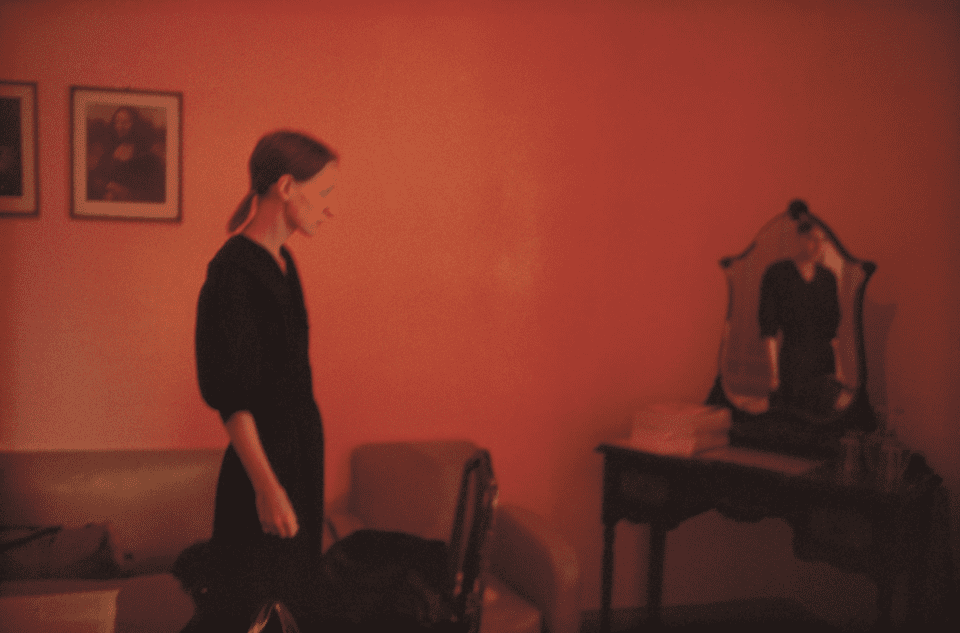
Yet the significance of The Ballad extends beyond its formal or historical contributions. The work confronts the paradoxes of human existence: the yearning for connection amid impermanence, the simultaneous beauty and brutality of intimacy. Goldin’s images endure because they do not resolve these tensions; instead, they embrace them, offering a space for reflection and recognition. In doing so, she reshaped the parameters of what photography could achieve, moving it from simple documentation to an expressive and socially resonant art form. Her work invites viewers to witness both the private and universal aspects of human life. It continues to challenge assumptions about what images can communicate, demonstrating photography’s power to hold complexity without any trace of simplification.
It is impossible not to reflect on the generational dialogue that Goldin’s work continues to foster. The Ballad of Sexual Dependency is more than a photobook or historical record; it is a living archive, a mirror in which viewers of all ages encounter fragments of their own lives. Its 40-year arc attests to the enduring relevance of photography as both testimony and art, a medium capable of capturing not just images but the very texture of existence. Goldin’s work encourages empathy, understanding and contemplation. In her images, personal experience and collective memory coexist, bridging time and audience.
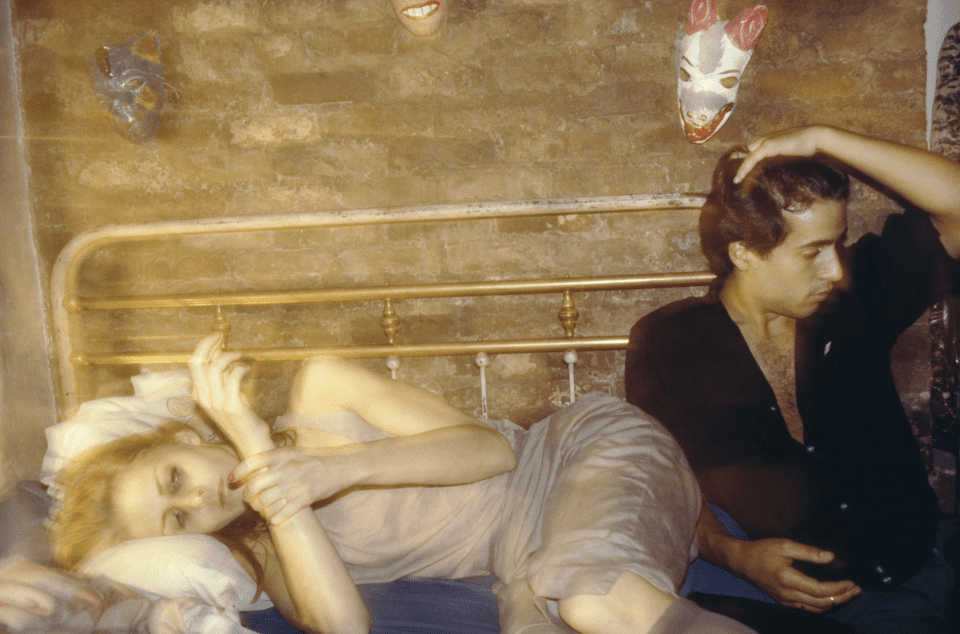
Nan Goldin’s oeuvre challenges us to see clearly, feel deeply and confront the complexity of the world around us. She is a chronicler of intimacy, a historian of the overlooked and an unwavering voice in contemporary culture. Her work does not offer comfort; it offers recognition, a confrontation with the fullness of life’s contradictions and an affirmation that our experiences – our loves, our losses, our struggles – are worthy of bearing witness. The 40th anniversary of The Ballad of Sexual Dependency is both a celebration and a call to continued reflection, a reminder that Goldin’s vision remains as urgent, incisive and transformative as ever. Her images compel us to consider the human condition with honesty and care. They demand attention, provoke thought and reward contemplation in equal measure.
In the quiet of a gallery, in the flash of a photograph, the pulse of Goldin’s world persists – alive, intimate and unyielding. London will witness it in full for the first time, and the reverberations will be felt far beyond its walls, echoing the power of a single artist to change how we see, feel and understand the art of living. Her work continues to resonate across time, space and generations. It is both a record and an invitation, demanding attention and empathy. The experience is immersive, unforgettable and profoundly human, leaving a lasting impression that lingers long after the lights dim.
Nan Goldin: The Ballad of Sexual Dependency is at Gagosian, London until 21 March: gagosian.com
Words: Anna Müller
Image Credits:
1. Nan Goldin, Mark in the red car, Lexington, Mass. (1979) from “The Ballad of Sexual Dependency,” 1973–86 © Nan Goldin. Courtesy the artist and Gagosian.
2. Nan Goldin, Sandra in the mirror, New York City (1985) from “The Ballad of Sexual Dependency,” 1973–86 © Nan Goldin. Courtesy the artist and Gagosian.
3. Nan Goldin, French Chris on the convertible, New York City (1979) from “The Ballad of Sexual Dependency,” 1973–86. Courtesy the artist and Gagosian.
4. Nan Goldin, Suzanne with Mona Lisa, Mexico City (1981) from “The Ballad of Sexual Dependency,” 1973–86 © Nan Goldin. Courtesy the artist and Gagosian.
5. Nan Goldin, Greer and Robert on the bed, New York City. (1982) from “The Ballad of Sexual Dependency,” 1973–86 © Nan Goldin. Courtesy the artist and Gagosian.