Tyrolean photographer Gregor Sailer (b. 1980) has long been fascinated by landscapes shaped by human intervention: unusual structures, remote places and restricted areas. The Polar Silk Road (2017-2022) dealt with the economic exploitation of Arctic regions, whilst the haunting The Potemkin Village (2015–2017) series captured “fake” architectural facades – from military field exercise centres in the USA to European city replicas in China. Now, Sailer turns his attention to agriculture in Cockaigne, a new book and exhibition at the Natural History Museum in Vienna whose title refers to a mythical land of luxury and plenty.
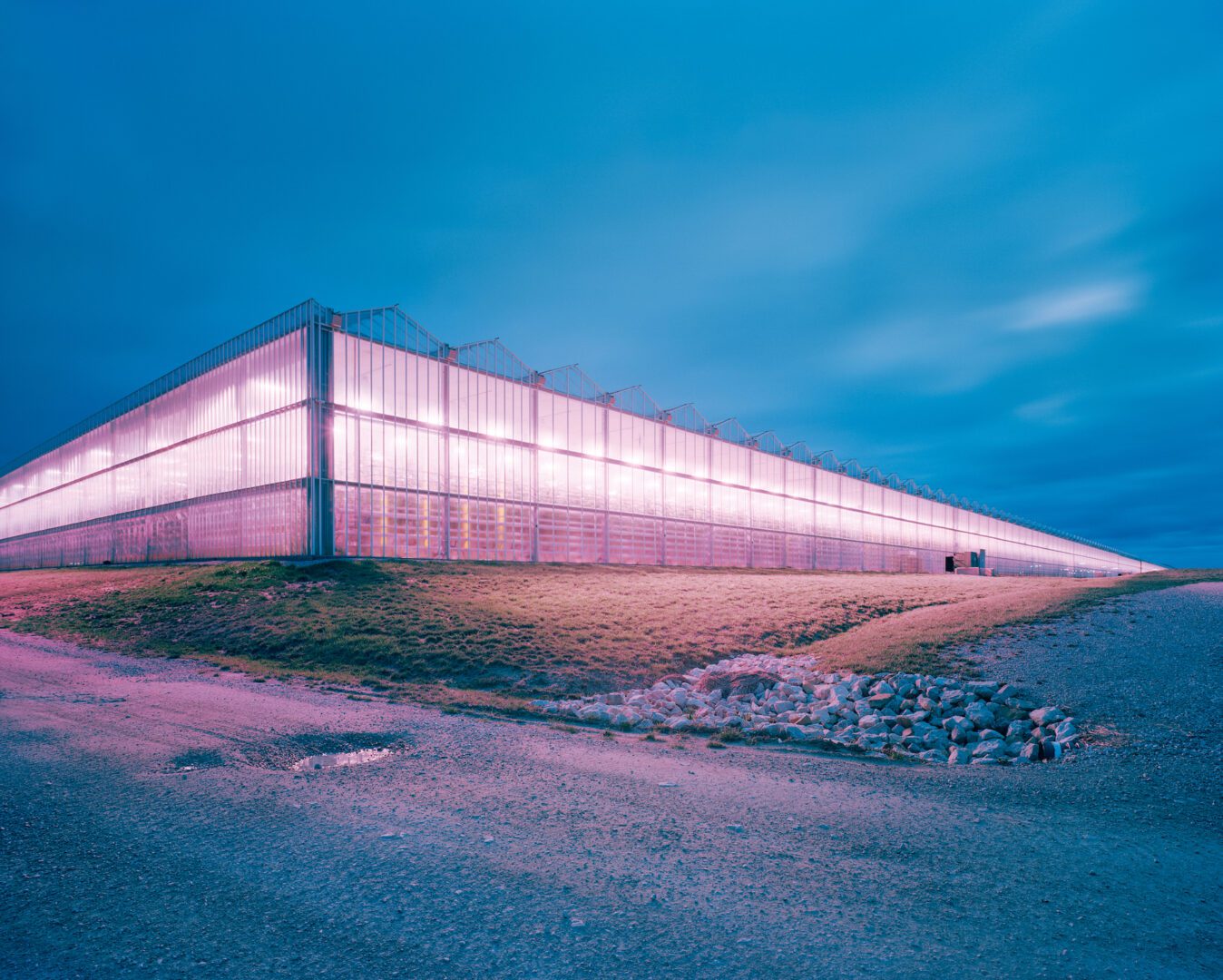
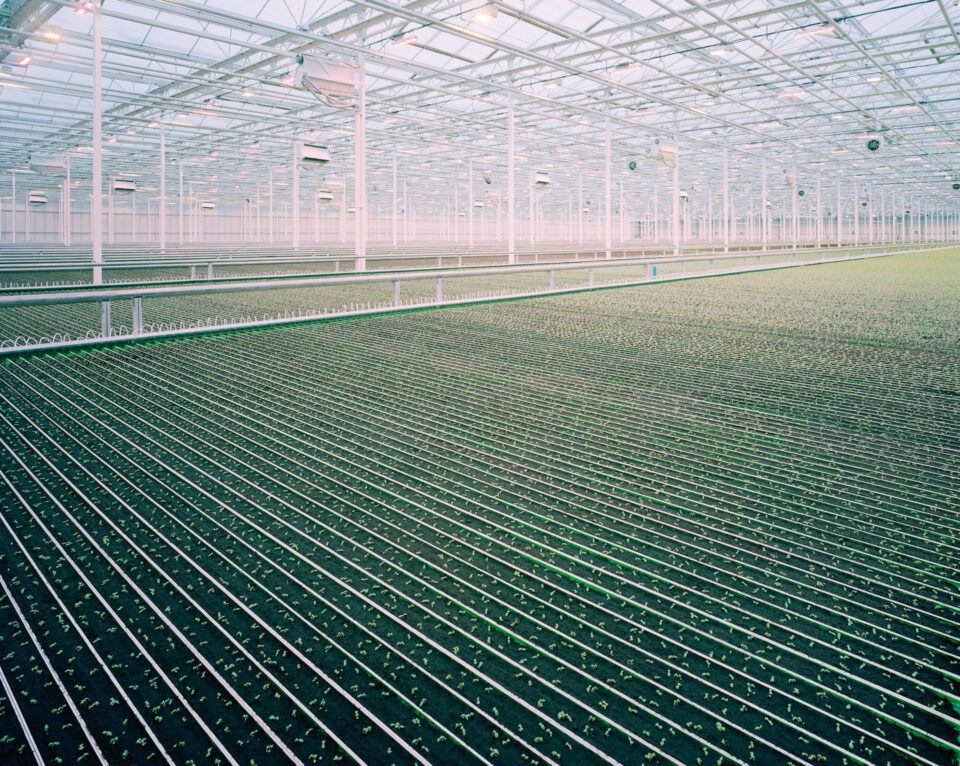
To make this series, Sailer employed an analogue view camera to capture large-format images of food infrastructure the world over. Some of these subjects are ancient wonders: he travelled to the High Atlas Mountains of Morocco to observe the Inraren Food Forest, a self-contained, biodiverse ecosystem which has provided sustenance to communities for centuries. But the majority of Sailer’s subjects are forward-looking: massive greenhouses in the USA, Swedish data centres, as well as algae, insect and jellyfish farms in Austria, France and Germany. These are just some of the innovative ideas being actioned to address the impact of growing populations and climate crisis on global food production and consumption.
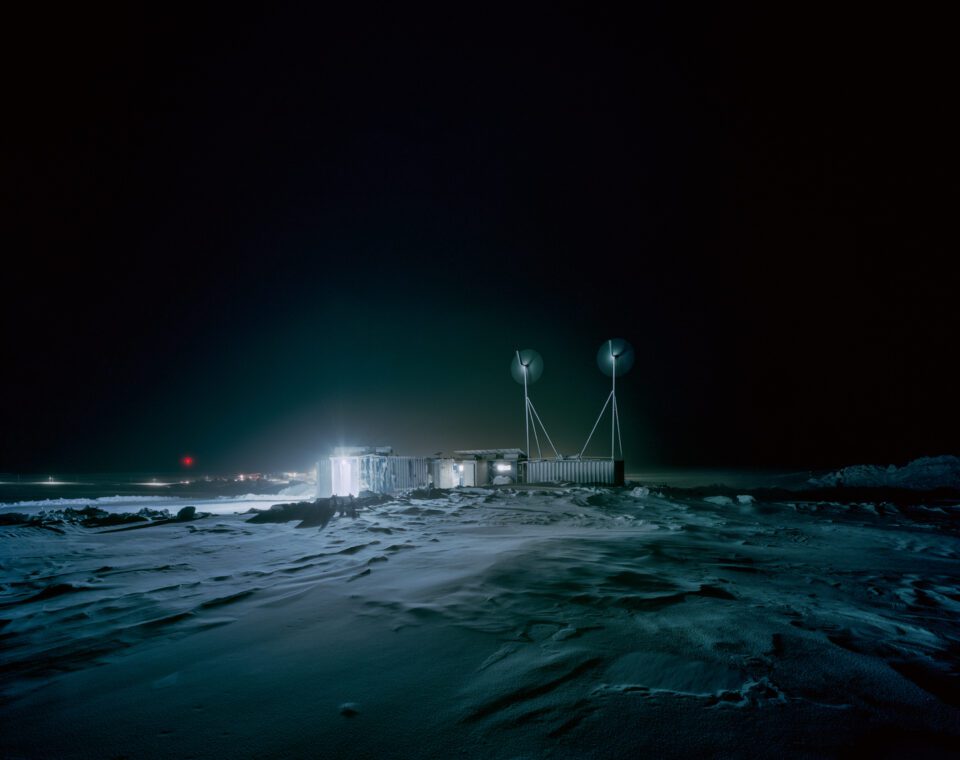
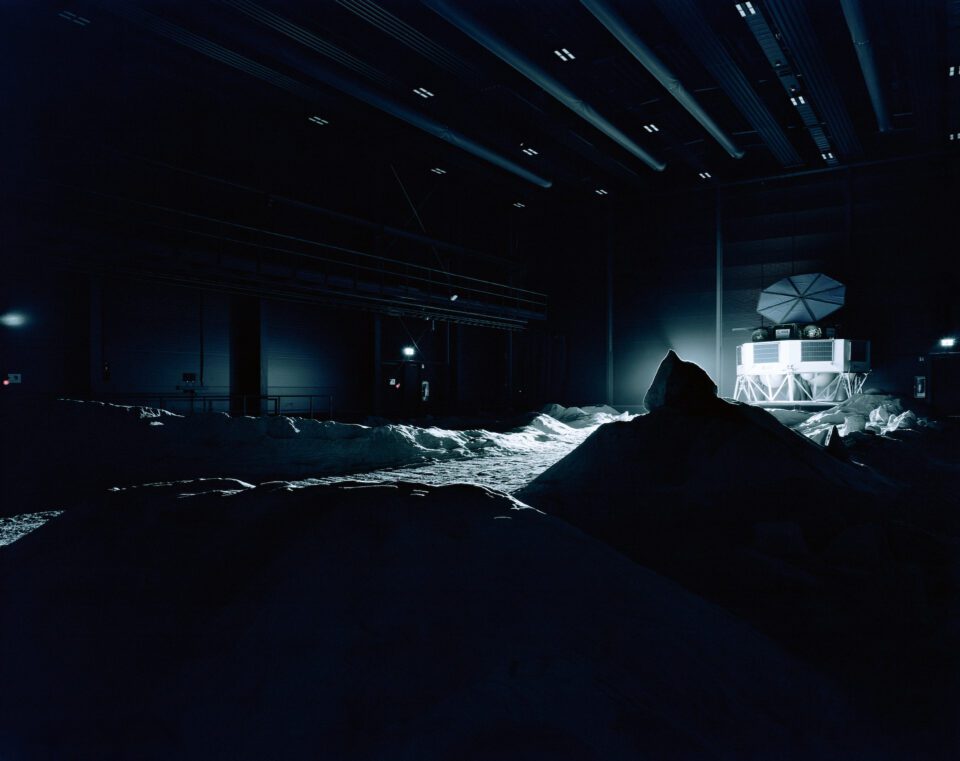
One such initiative is the Naurvik project – a community-led hydroponic system in Gjoa Haven, Nunavut. The settlement is located about 250km north of the Arctic Circle. Winters are long, and high-quality, fresh and affordable produce is not always available. Naurvik is a solution: three recycled shipping containers have been converted to sustainably grow food year-round. Readers will also discover the largest vertical farm in Europe, which takes up an area of Copenhagen equivalent to twenty football fields. It produces 1,000 tons of vegetables annually, is CO2 neutral and powered by wind – all without the use of pesticides. There’s also a look behind the curtain at the ever-topical development of alternative protein sources, and insight into research as to how astronauts can be supplied with fresh fruit and vegetables in space.
Yet there are also sinister images, such as those documenting high-security data centres in Sweden and Iceland. They remind us of the control large corporations hold over human consumption, and the huge impact data collection – which then influences algorithms and, ultimately, our purchasing decisions – is having on the environment. Then there’s the sense of detachment that comes with the modern food supply, especially when it comes to ultra-processed foods. In one of the introductory essays, Lisa Ortner-Kreil writes: “Sailer’s images prove that food production is being relocated to interiors resembling operating rooms, with the overalls and rubber boots of agricultural workers now replaced by lab coats.”
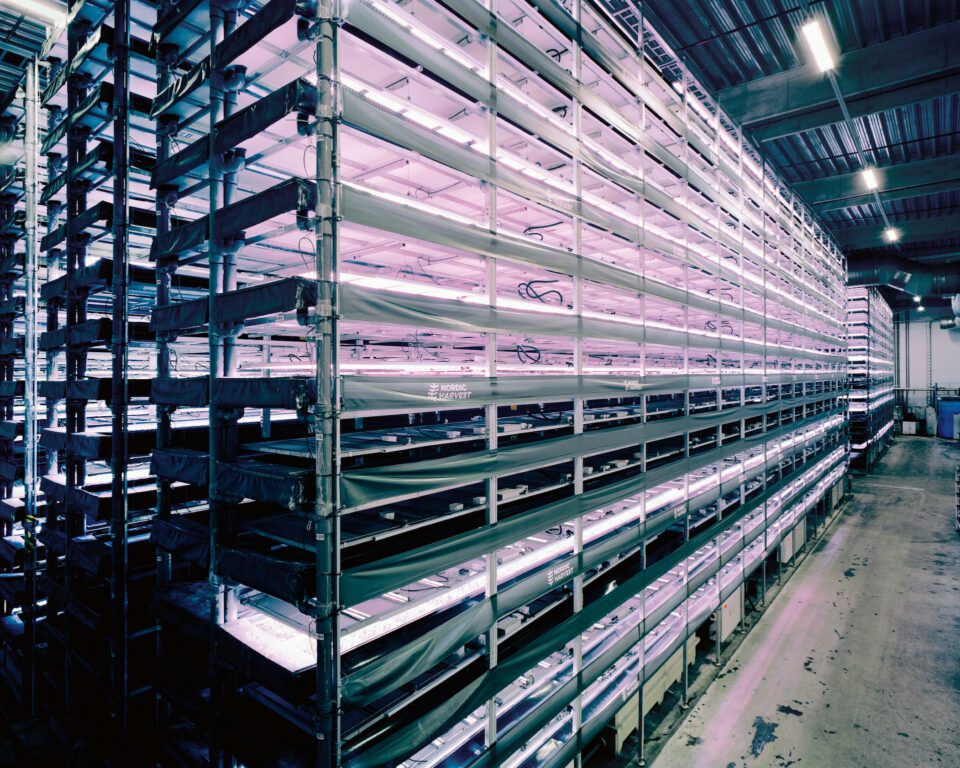
Sailer’s images are cinematic and hyperreal. Ortner-Kreil Describes them as “visually addictive.” Often devoid of people, they depict glowing pink windows, endless rows of seedlings and structures rising from ice. It may seem like science fiction, but this is a real insight into ideas shaping the here and now. Cockaigne is essential reading. It is photography at its most powerful – bridging documentary and fine art to tell us something new about the world in which we live. It offers glimpses of a world where both futuristic factories and grassroots, community-led initiatives can come together to solve problems, but never forgets the looming presence of the issues that have led to these developments in the first place.
Gregor Sailer: Cockaigne is published by Kehrer Verlag.
Words: Eleanor Sutherland
Image Credits:
1. Greenhouse, Morehead, Kentucky, USA, 2023 © Gregor Sailer
2. Project Naurvik, King William Island, Nunavut, Canada, 2024 © Gregor Sailer
3. Greenhouse, Berea, Kentucky, USA, 2023 © Gregor Sailer
4. Luna Analog Facility, ESA, Cologne, Germany, 2025 © Gregor Sailer
5. Vertical Farm, Copenhagen, Denmark, 2023 © Gregor Sailer