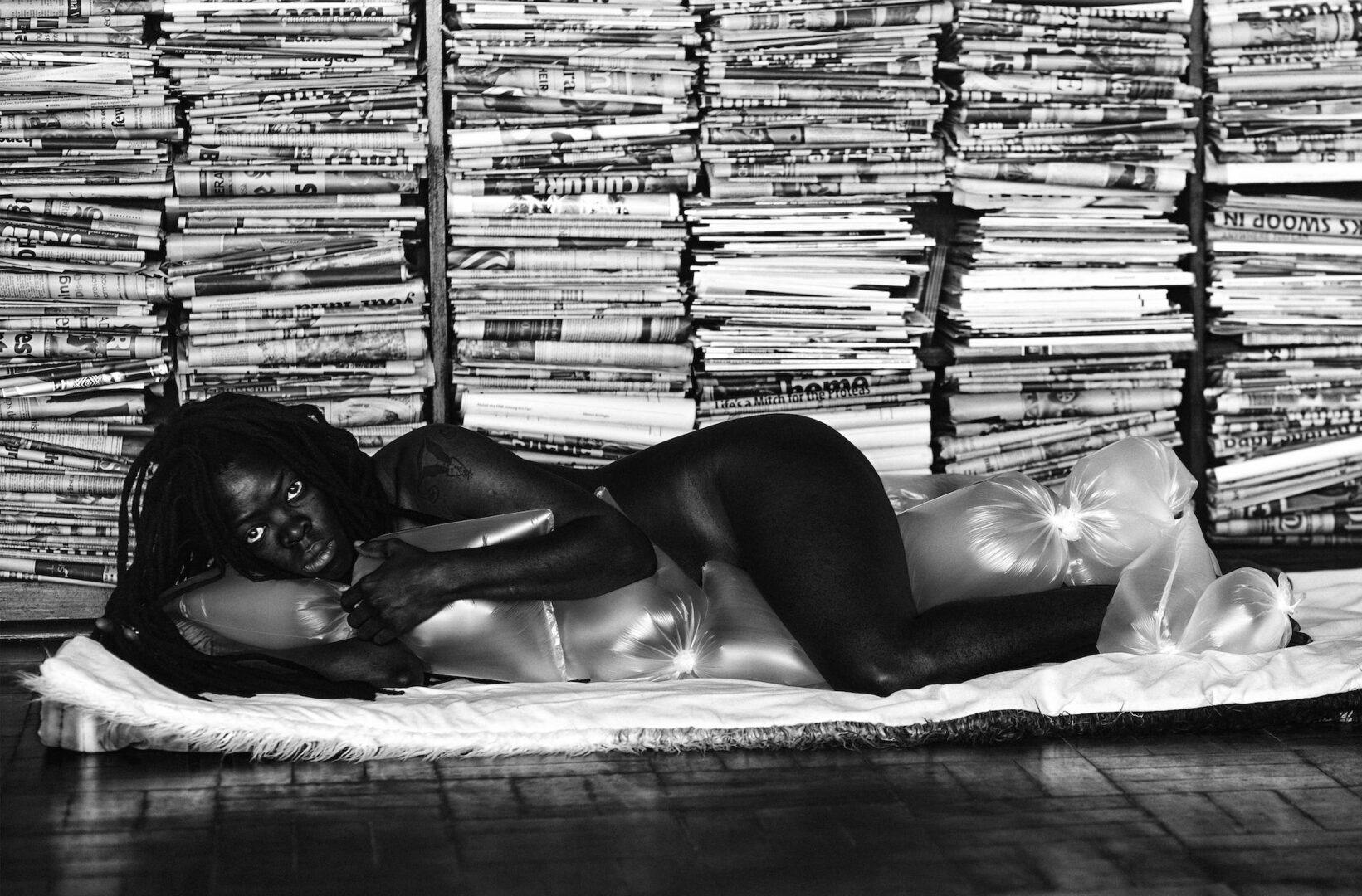
The Hasselblad Award is one of the world’s most prestigious accolades in photography. The prize – comprising a gold medal, camera, solo show and SEK 2,000,000 – has been given out annually since 1980, and its honourees read like a who’s who of contemporary image-making. Previous winners include Alfredo Jaar, Carrie Mae Weems, Cindy Sherman, Graciela Iturbide, Jeff Wall, Nan Goldin and Wolfgang Tillmans, as well as icons of the 20th century like Ansel Adams, Henri Cartier-Bresson, Robert Frank and William Eggleston. Now, Zanele Muholi (b. 1972) joins this list, becoming the 2026 laureate. Muholi has paved new ground by using the camera as a tool for visual activism, first and foremost claiming visibility for Black queer people in South Africa. As such, their impact extends far beyond the art world.
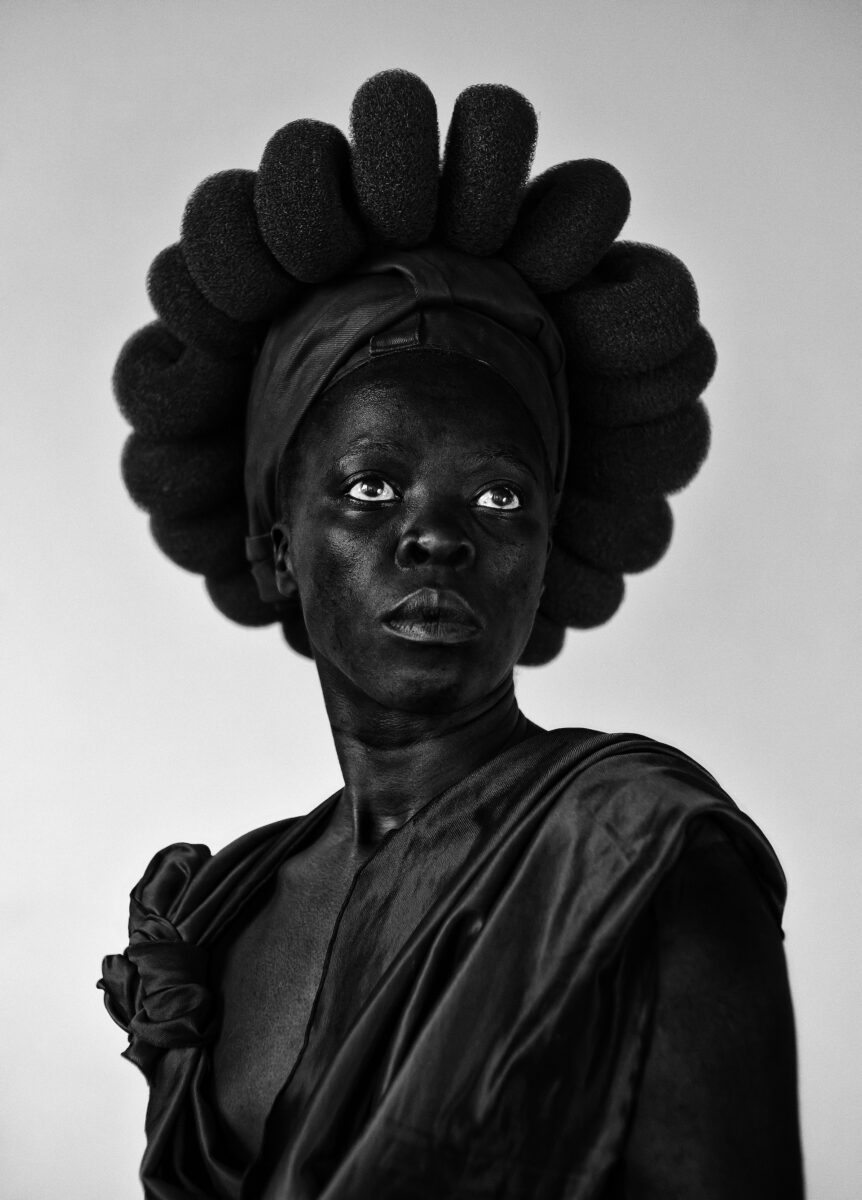
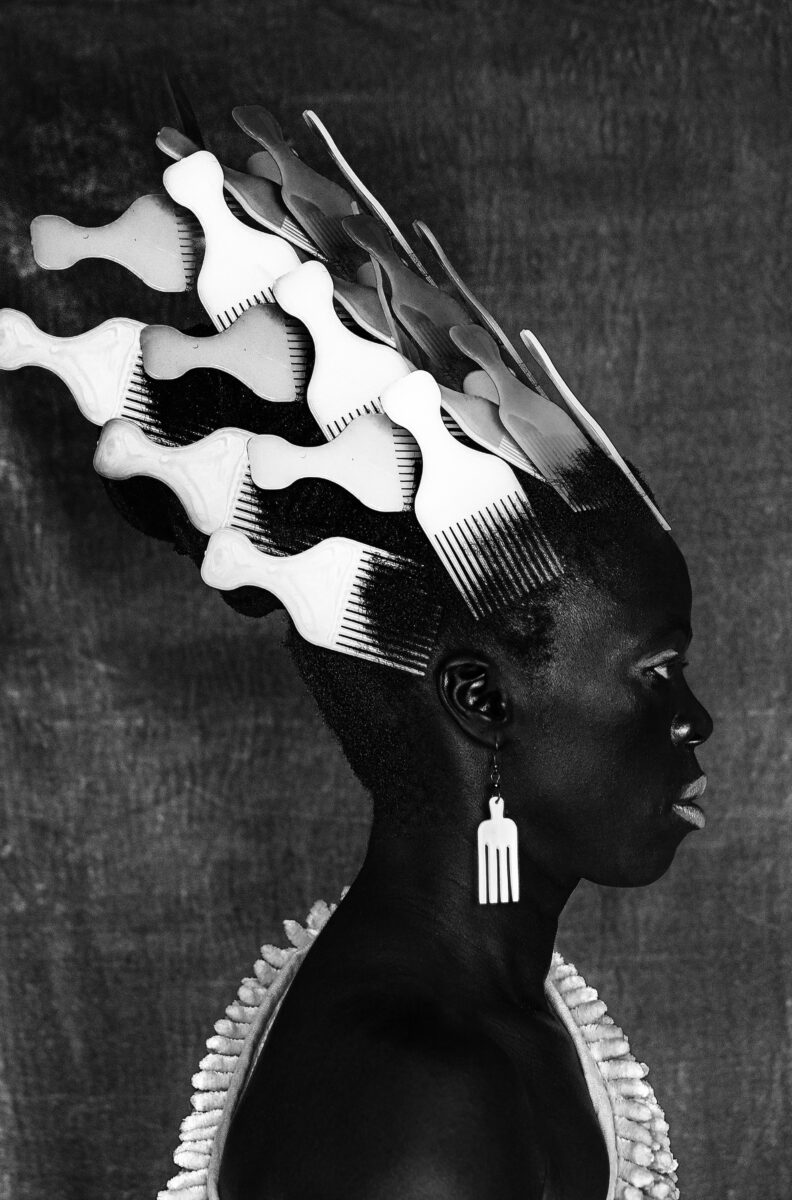
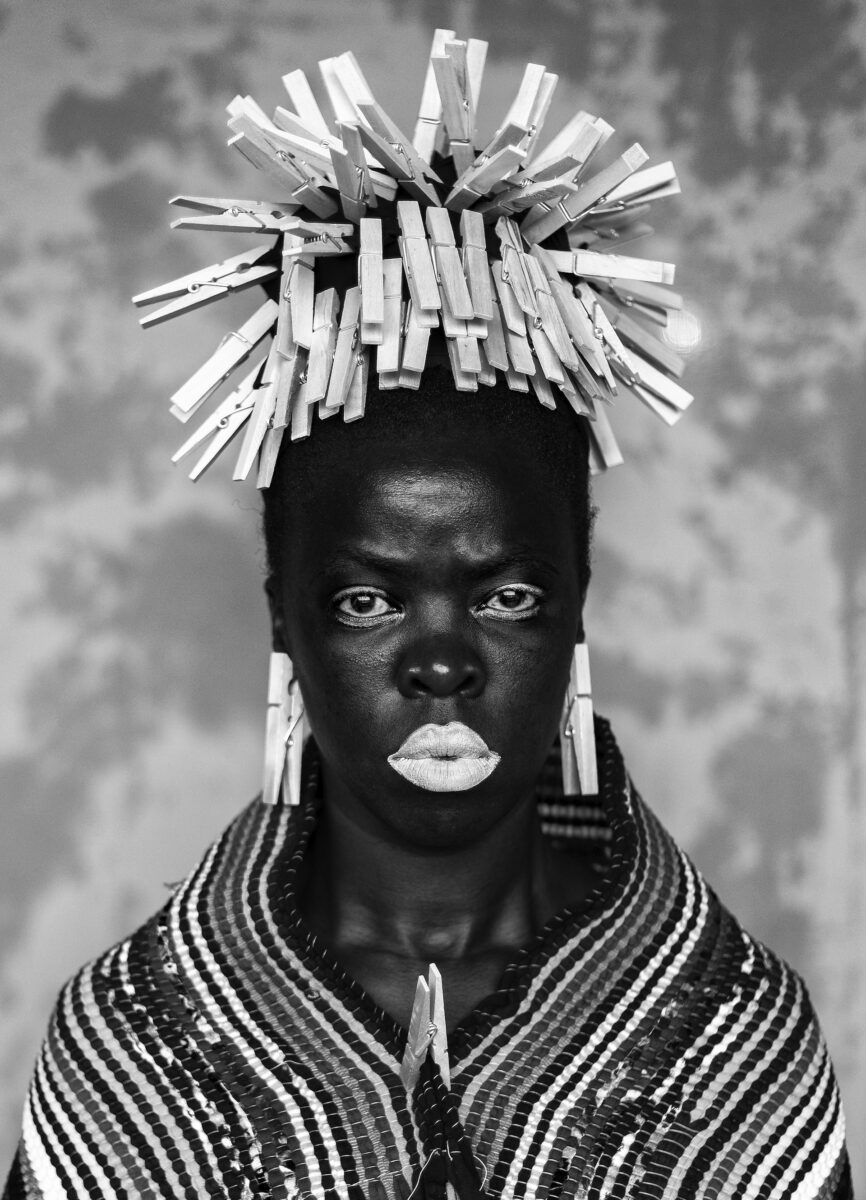
Muholi’s most recognisable series is probably Somnyama Ngonyama (Hail the Dark Lioness) (2018-). It’s an ongoing series of black-and-white self-portraits that harness the visual languages of classical portraiture and fashion, as well as ethnographic tropes, to challenge stereotypes and historic representations of Black bodies in visual culture. It was front and centre of the Tate Modern retrospective in 2024-2025. Other key projects include Faces and Phases, which was conceived in 2006. It is a growing archive of images and testimonies recording the experiences of LGBTQIA+ individuals of colour, now entering its 20th year. These two seminal bodies of work join the early Only Half the Picture (2003-2004), documenting lesbian lives and hate crime survivors, as well as the more recent Brave Beauties (2014-), honouring trans women. Important context for this work is that, despite the equality promised by South Africa’s 1996 constitution, the country’s LGBTQIA+ community remains a target for violence and prejudice. The people in the frame are risking their lives by living authentically in the face of oppression and discrimination.
The artist sees this award as something to be shared with their collaborators: “This prize is not mine alone. I carry it with the many faces, names and histories that have trusted me with their stories. From Umlazi to every space where Black LGBTQIA+ people continue to fight to exist freely, this recognition affirms that our lives are worthy of being seen – not as statistics, not as shadows, but as full human beings. For years, my work has been about visibility and resistance. It has been about creating an archive so that no one can say, ‘We did not know.’ When this honour comes, I receive it on behalf of my community; those who have been erased, those who are still here, and those who are yet to see themselves reflected with dignity.”
Activism and community are at the centre of Muholi’s practice. In 2022, they set up the Muholi Visual Art Institute, with the aim of supporting and developing emerging artists across disciplines. It followed their establishment of Inkanyiso in 2009, a forum for queer visual media, and the co-founding of the Forum for Empowerment of Women (FEW) in 2002. It’s heartening to see the 46th Hasselblad Award be given to a creative who, as Kalle Sanner, CEO of the Hasselblad Foundation, says, is making “powerful and significant works in which human rights are central.” Recognition like this is sure to inspire a new generation of photographers to think critically about ethics and politics, whilst contributing to vital conversations around race, representation, identity and empowerment. Muholi’s is a legacy in the making.
The awards ceremony takes place 9 October.
A solo exhibition will run at the Hasselblad Center from 10 October – 4 April.
Words: Eleanor Sutherland
Image Credits:
1. Julile I, Parktown, Johannesburg, 2016. © Zanele Muholi. Courtesy Yancey Richardson, New York and Southern Guild, Cape Town.
2. Ntozakhe II, Parktown, 2016. © Zanele Muholi. Courtesy Yancey Richardson, New York and Southern Guild, Cape Town.
3. Qiniso, The Sails, Durban, 2019. © Zanele Muholi. Courtesy Yancey Richardson, New York and Southern Guild, Cape Town.
4. Bester I, Mayotte, 2015. © Zanele Muholi. Courtesy Yancey Richardson, New York and Southern Guild, Cape Town.