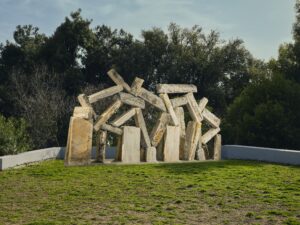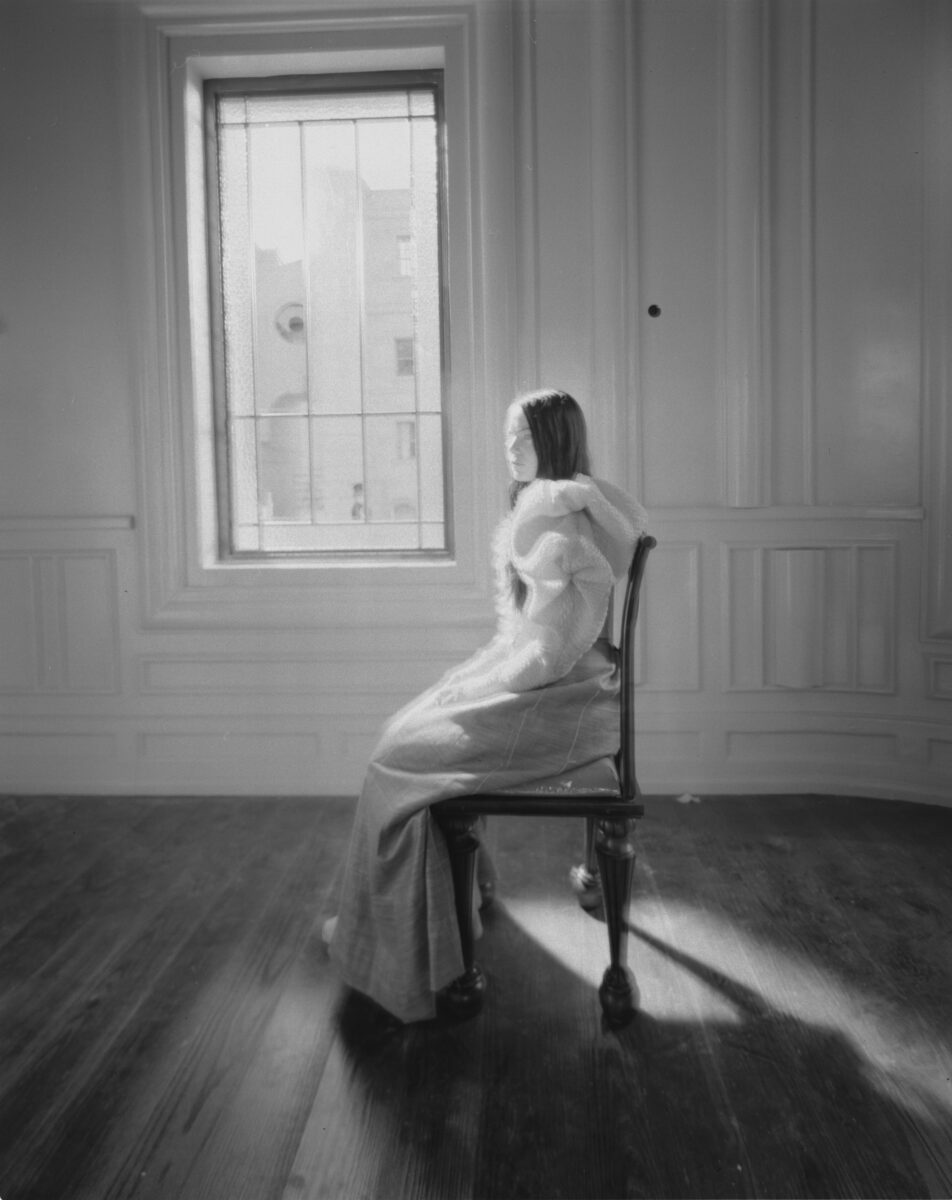
Yorgos Lanthimos needs no introduction. From the unsettling minimalism of Dogtooth to the baroque intensity of The Favourite, his films have repeatedly reshaped contemporary cinema. Celebrated for a singular vision that balances absurdist humour with acute human insight, Lanthimos has become synonymous with uncompromising originality. Five-time Academy Award nominations, a Golden Globe, a BAFTA, the Jury Prize at Cannes and the Golden Lion at Venice attest to the scale and reach of his imagination. Each work exists as a world, meticulously constructed and unnervingly precise, drawing audiences into spaces that are intimate yet disorienting. This same careful orchestration informs his latest venture: a major exhibition of photographs at Onassis Stegi, Athens.
Cinematic experimentation has been a hallmark of Lanthimos’ career, most strikingly demonstrated in Dogtooth, which shocked and mesmerised audiences alike. The 2009 film, with its radical narrative and surreal domestic universe, announced the arrival of a director unafraid to defy convention. Critics recognised the film’s audacity immediately; its exploration of isolation, authority and absurdity was provocative and compelling. Subsequent works, including The Lobster and The Killing of a Sacred Deer, further established his reputation for unsettling yet profoundly human storytelling. By constructing worlds governed by their own logic, Lanthimos created a visual language that translates naturally to photography, where suggestion replaces exposition and silence is charged with meaning.
At Onassis Stegi, this sensibility finds a new form in Yorgos Lanthimos: Photographs, a major exhibition encompassing over 180 works. Four distinct series chart the breadth of his practice, three of which connect directly to his films. Images captured on the fringes of film locations in New Orleans, Atlanta and Henley-on-Thames, alongside reconstructed cities on Budapest soundstages, reveal a director’s eye as precise in stillness as in motion. In these photographs, familiar cinematic spaces are reimagined as moments of quiet contemplation. Audiences are given the rare opportunity to examine both the constructed chaos of film sets and the choreography of light and shadow that defines Lanthimos’ vision.
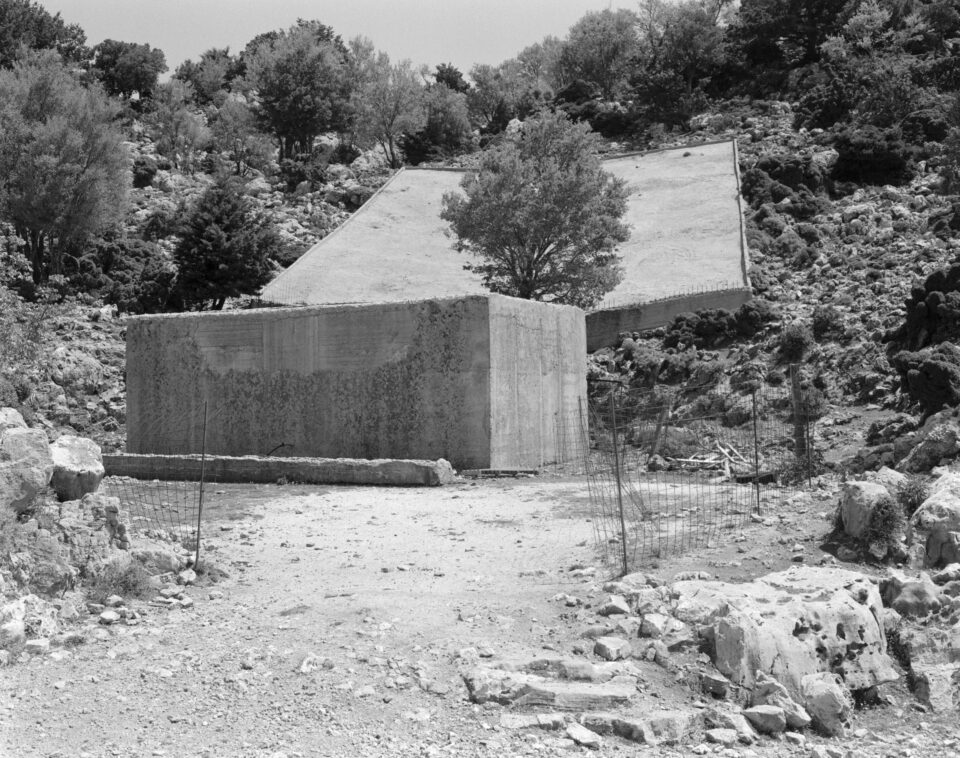
A central component of the exhibition is the international debut of a series of personal photographs taken in Lanthimos’ native Greece. Over the course of solitary walks through Athens and across the surrounding islands, he turns his lens toward the understated rhythms of everyday life. The images capture shadows across courtyards, fragments of weathered architecture and glimpses of the mundane. Lanthimos describes photography as “so much freer” than filmmaking, allowing him to explore moments unbound by narrative constraints. Each frame conveys meditative stillness, inviting viewers to pause and reflect on spaces that might otherwise go unnoticed. In contrast to the theatricality of his film sets, these photographs emphasise intimacy, observation and the subtle poetry of familiar landscapes.
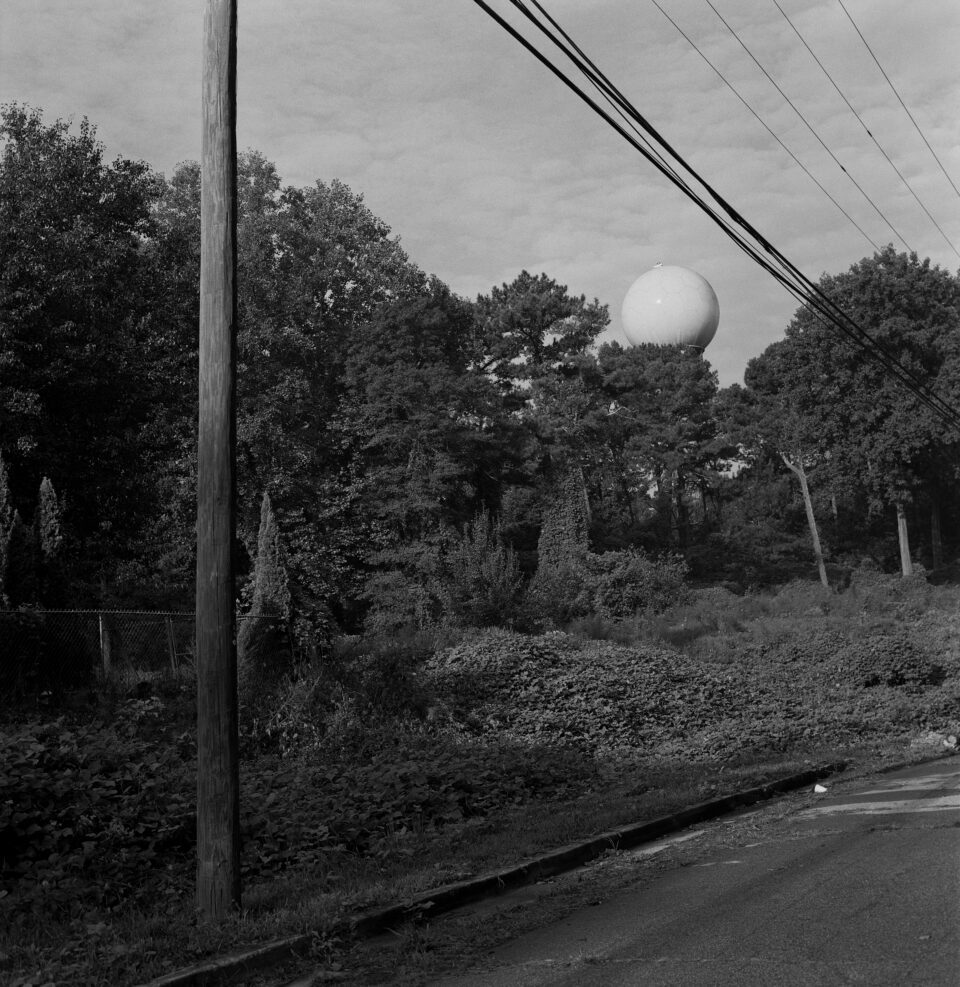
Spatial design plays a pivotal role in the experience. Arranged in the form of a classical Greek temple, the central altar-like space displays 110 new works, while the perimeter presents images associated with Lanthimos’ films. Visitors move naturally from the known to the new, following a trajectory that mirrors the artist’s own evolution. Michael Mack, the exhibition’s curator, highlights the inward turn of the Greek series: “The ongoing series of black-and-white works made in Greece away from his filmmaking practice marks a new departure, a turning inwards to a known landscape. Emerging within a long tradition of photography applied to document the man-altered landscape, it also reflects an era of self-reflection and of his advanced progress in developing his own language in photography.” These images reward careful attention, offering subtle insights without the need for explicit narrative.
A characteristic interplay of absurdity, order and ritual emerges across all four series. While his films often render the mundane unsettling, Lanthimos’ photographs examine ordinary spaces with equal precision. Series such as Dear God, the Parthenon Is Still Broken (2024), i shall sing these songs beautifully (2024) and viscin (2026) demonstrate both the controlled chaos of film production and the nuanced observation that defines his directorial eye. Each frame balances spontaneity with deliberate composition, revealing a mind attuned to the poetic and the structural. Photography becomes a laboratory for ideas, a space to investigate perception, memory and human behaviour in moments of quiet stillness.
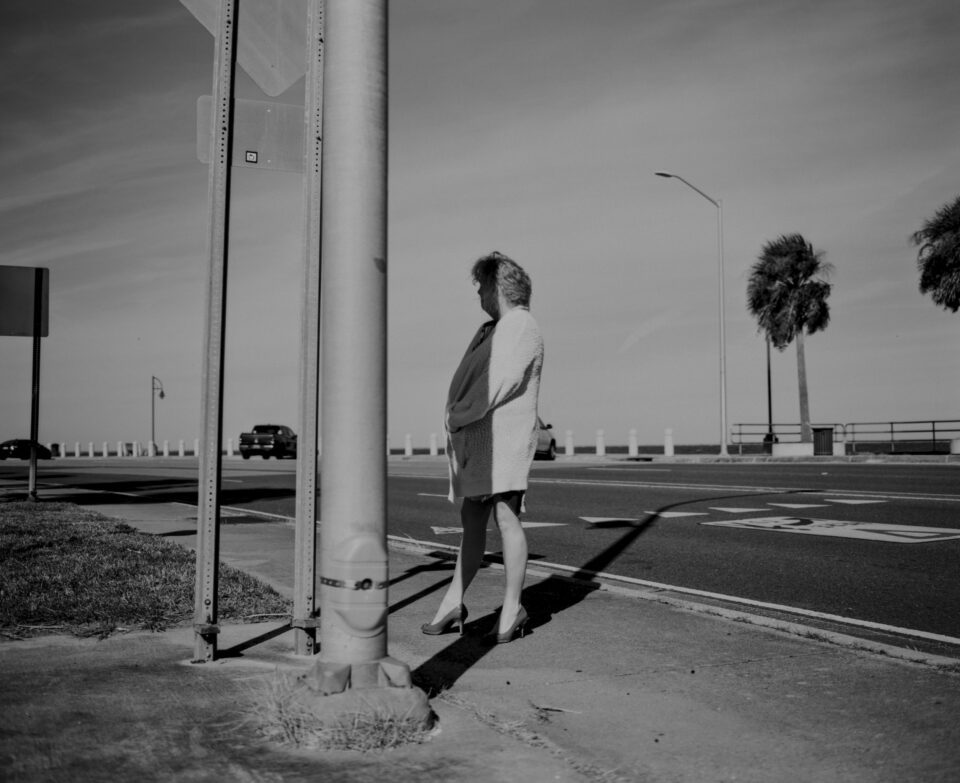
The exhibition coincides with the release of Lanthimos’ photo book viscin (2026), which collects images made during the production of his latest film, Bugonia. Photographs of Budapest soundstages intermingle with tranquil Greek landscapes, forming a continuum of observation from the constructed to the contemplative. Onassis Stegi, with its history of presenting artists such as Robert Mapplethorpe, Helmut Newton, Christian Boltanski and Juergen Teller, situates Lanthimos within a tradition of photography that interrogates both vision and environment. The context emphasises the exhibition’s significance, transforming it from a secondary project by a filmmaker into a profound contribution to contemporary art.
Yorgos Lanthimos: Photographs offers an immersive encounter with the vision of a singular artist. Over 180 works spanning filmic and personal spaces trace the development of a creative mind that continually redefines perception. The photographs act as both mirror and portal, reflecting Lanthimos’ ongoing inquiry into human experience while providing entry into a meticulously observed universe. Mack says, “Yorgos Lanthimos is a singular talent in the use of a camera lens to build narratives, and this exhibition establishes his flourishing capacity to elicit emotional and intellectual leaps of faith beyond the frame of a still photograph.” Each image reveals subtle tension, unexpected humour and quiet revelation.
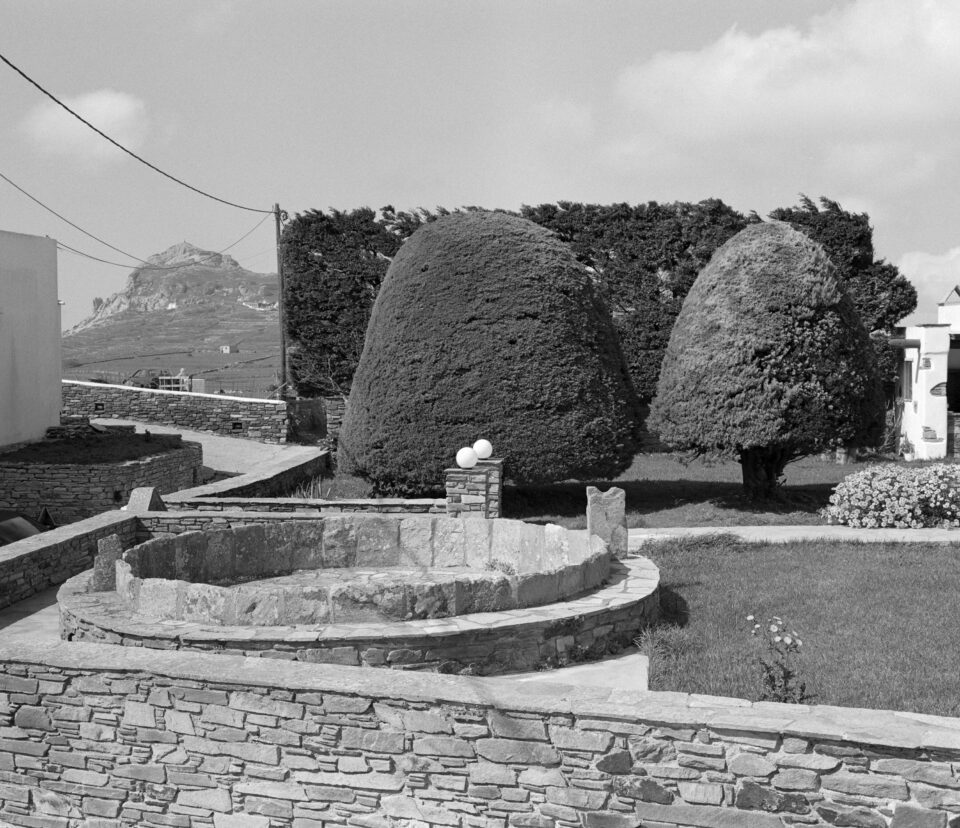
Returning to familiar landscapes, Lanthimos captures everyday life in Greece with renewed sensitivity. Streets, squares and coastal vistas are elevated into compositions of abstraction and contemplation, echoing the paradoxes of his cinematic practice. The photographs retain the narrative tension, the careful orchestration of observation and invention, that distinguishes his films. By focusing inward, away from sets and crews, Lanthimos reveals a reflective sensibility that probes both medium and environment. Audiences are presented with a visual language that is intimate, precise and profoundly contemplative.
In bridging cinema and photography, Lanthimos demonstrates that storytelling does not rely on movement or dialogue alone. Stillness itself carries nuance, tension and insight, capturing gestures and spaces with painterly precision. The exhibition at Onassis Stegi allows viewers to inhabit the gaze of an artist who continually expands the boundaries of his craft. Patience and attention are rewarded, as the images linger in memory, suspended between reality and imagination. In scope, intimacy and ambition, Yorgos Lanthimos: Photographs marks an extraordinary chapter in the career of a singular artist, revealing the depth of his vision and the evolving breadth of his creative enquiry.
Yorgos Lanthimos: Photographs is at Onassis Stegi, Athens from 7 March – 17 May: onassis.org
Words: Simon Cartwright
Image Credits:
All Images Courtesy Yorgos Lanthimos.