Secret Paris is a fantastic title for an exhibition. It is evocative, raising more questions than it answers. The same can be said of the photographs of Hungarian-born French photographer Brassaï (1899-1984), which are the focus of Heide Museum of Modern Art’s new show. It is the most comprehensive presentation of his work ever seen in Australia, as well as his first solo display in the country in over five decades.
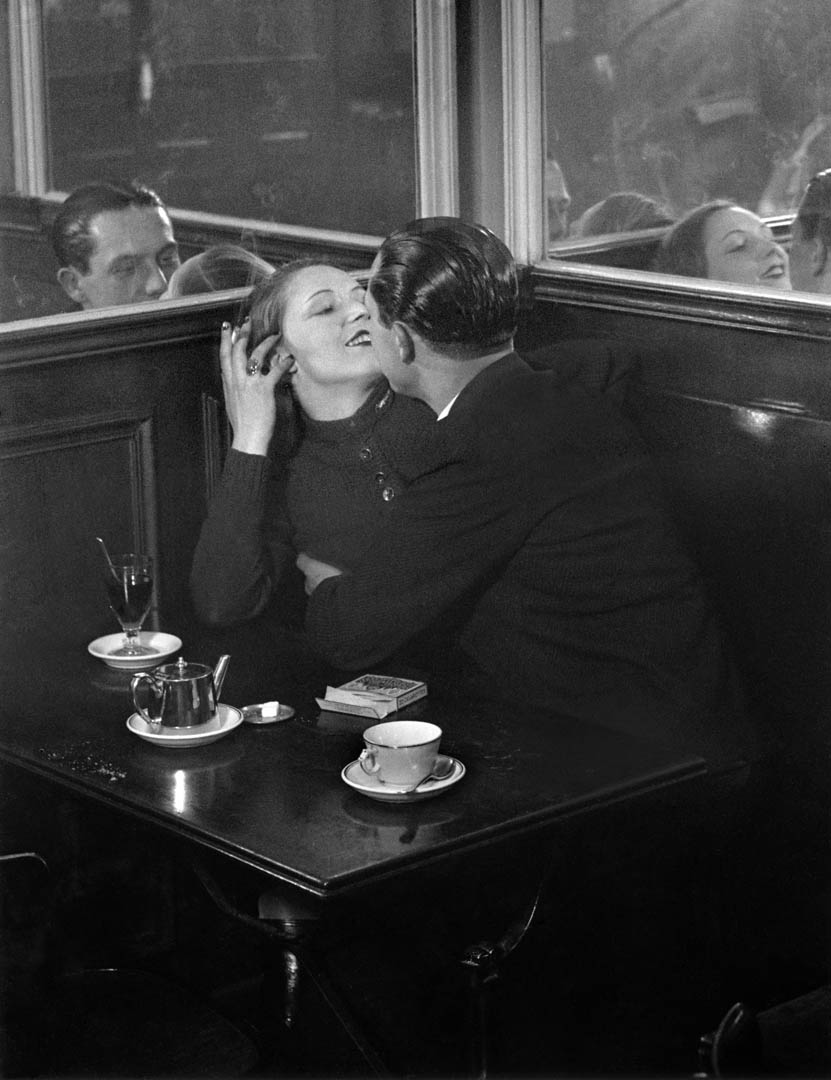
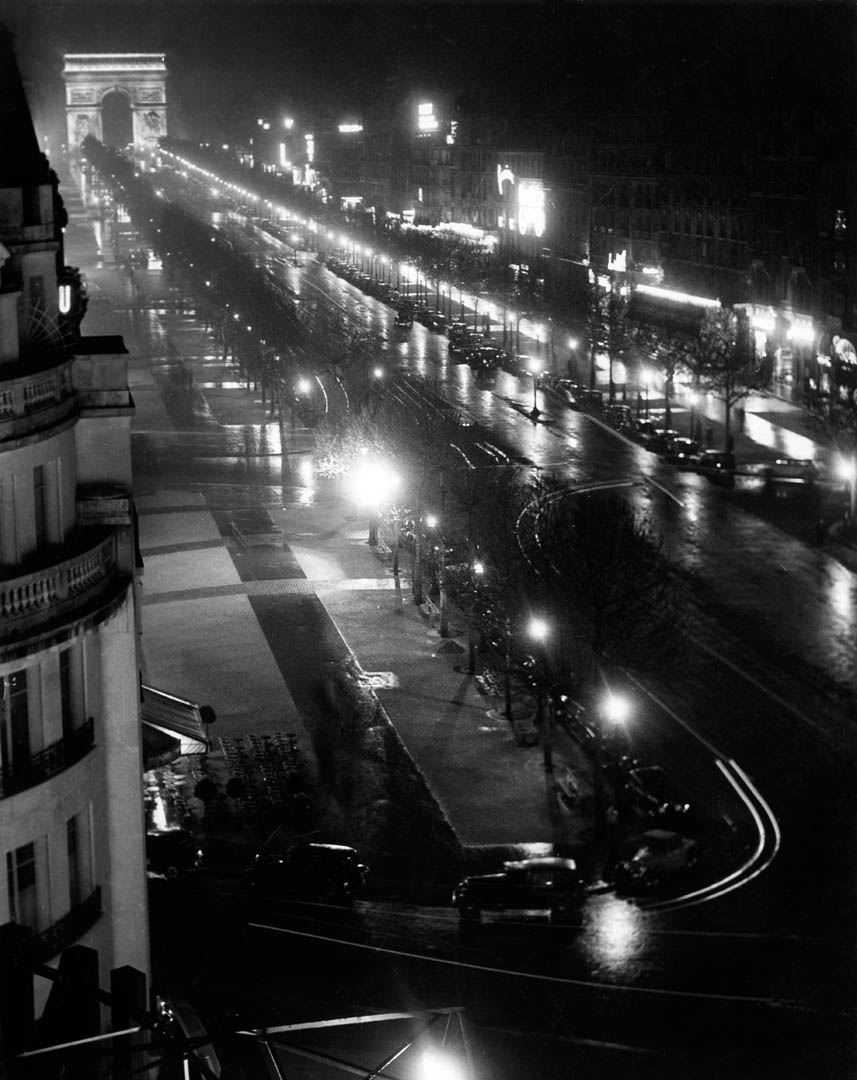
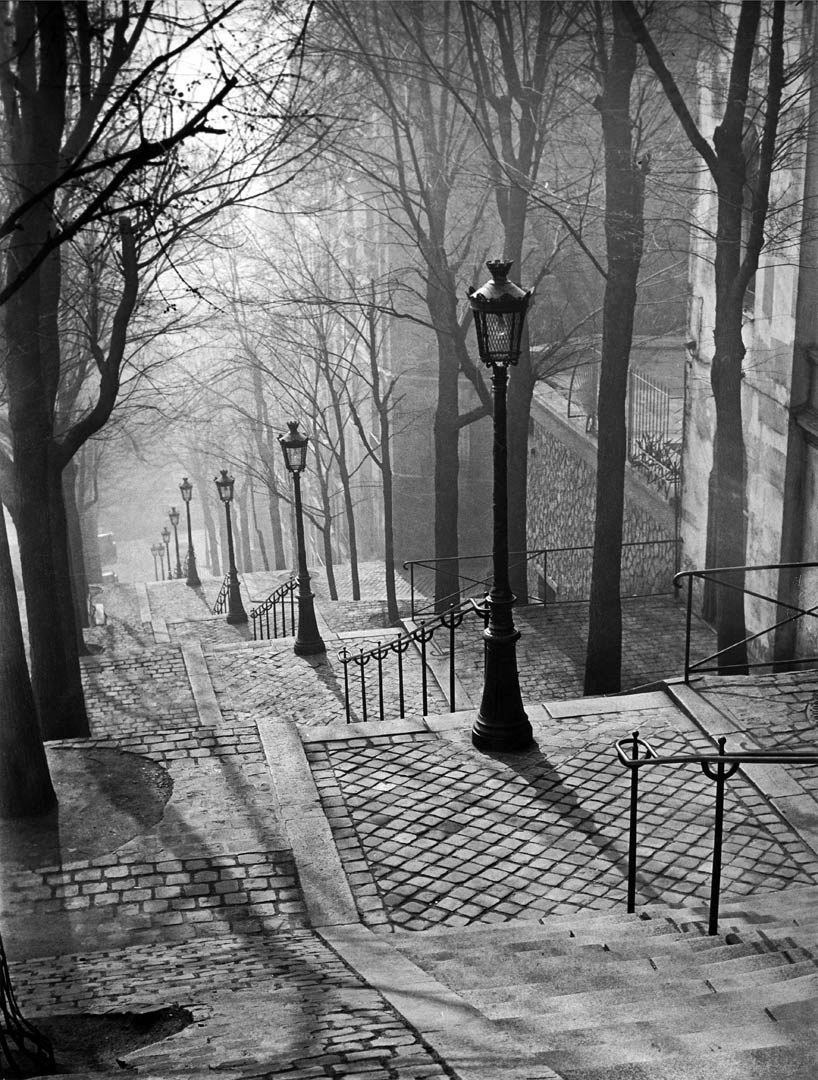
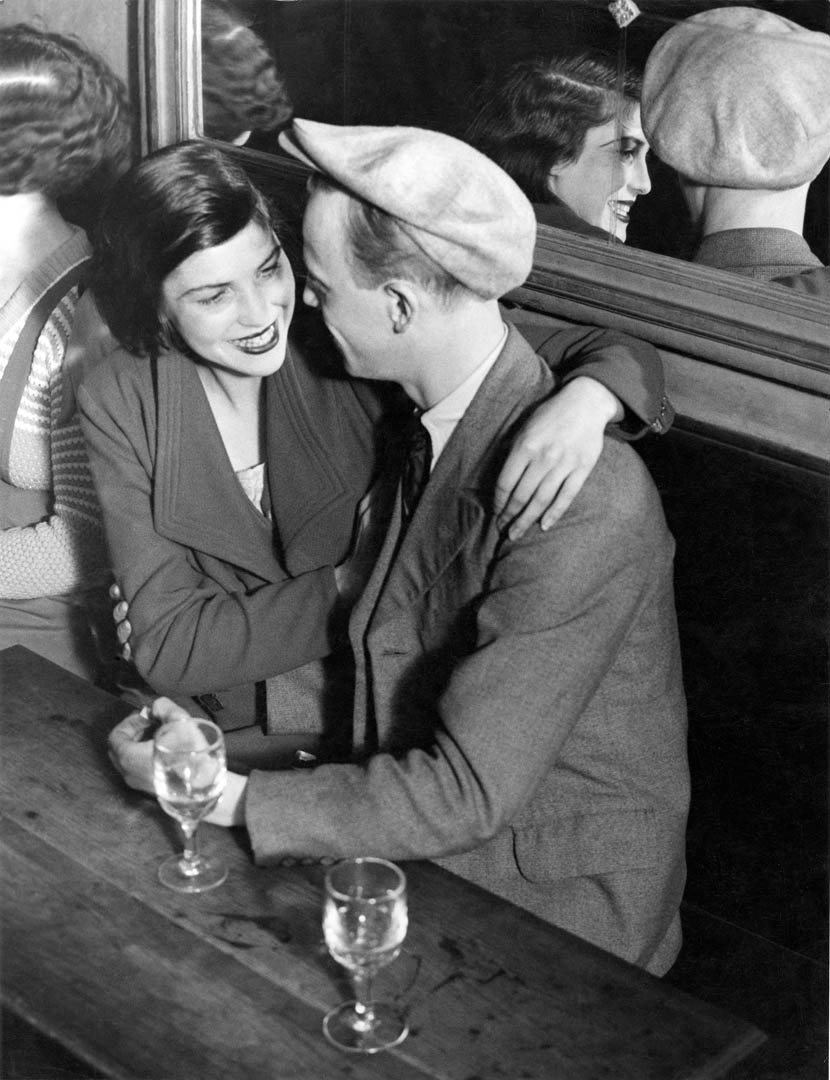
Paris is often referred to as the “City of Light,” owing to its pioneering use of street lamps and lanterns, as well as its role as a centre of education and ideas during the 18th century Age of Enlightenment. Brassaï’s works, especially those featured in the landmark photobook Paris de nuit (Paris by Night) (1933), are an embodiment of that nickname – capturing bright glimmers cutting through the darkness and fog. Perhaps most importantly, the collection also shone light on the unseen side of Montparnasse and its surrounding areas, documenting cafes, bars, street corners, sex workers and those living on the fringes of society.
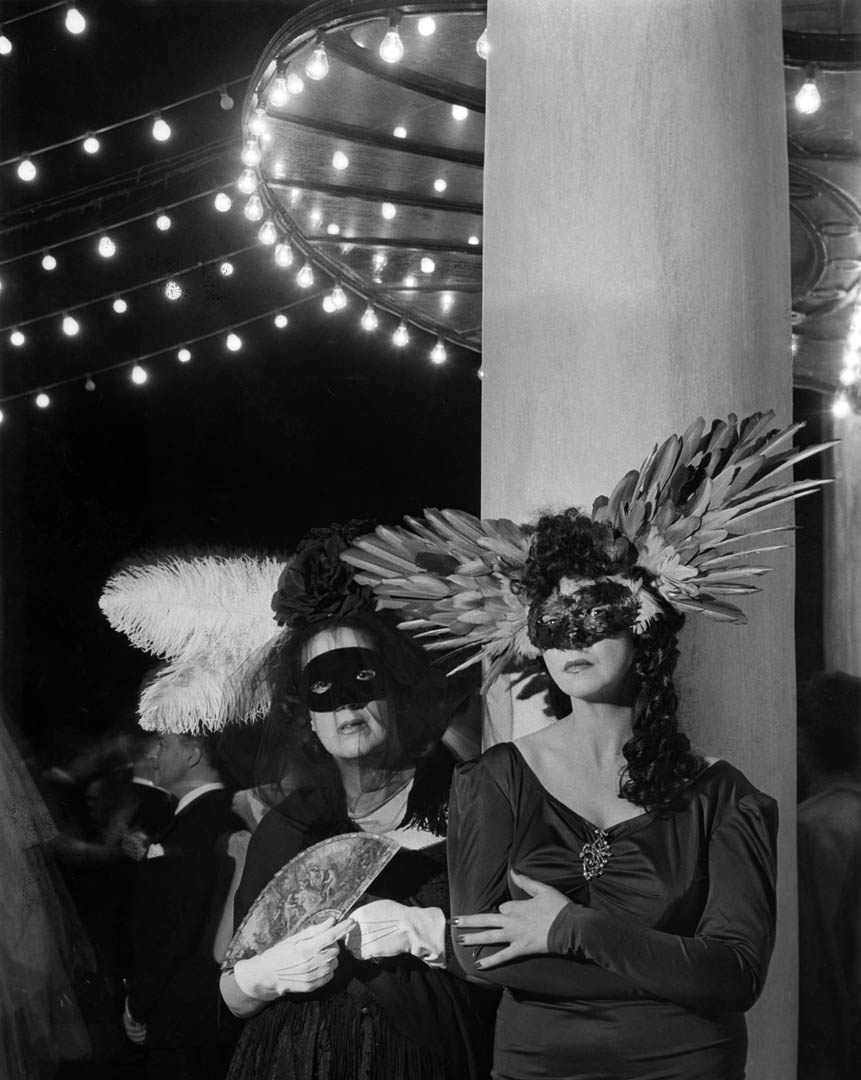
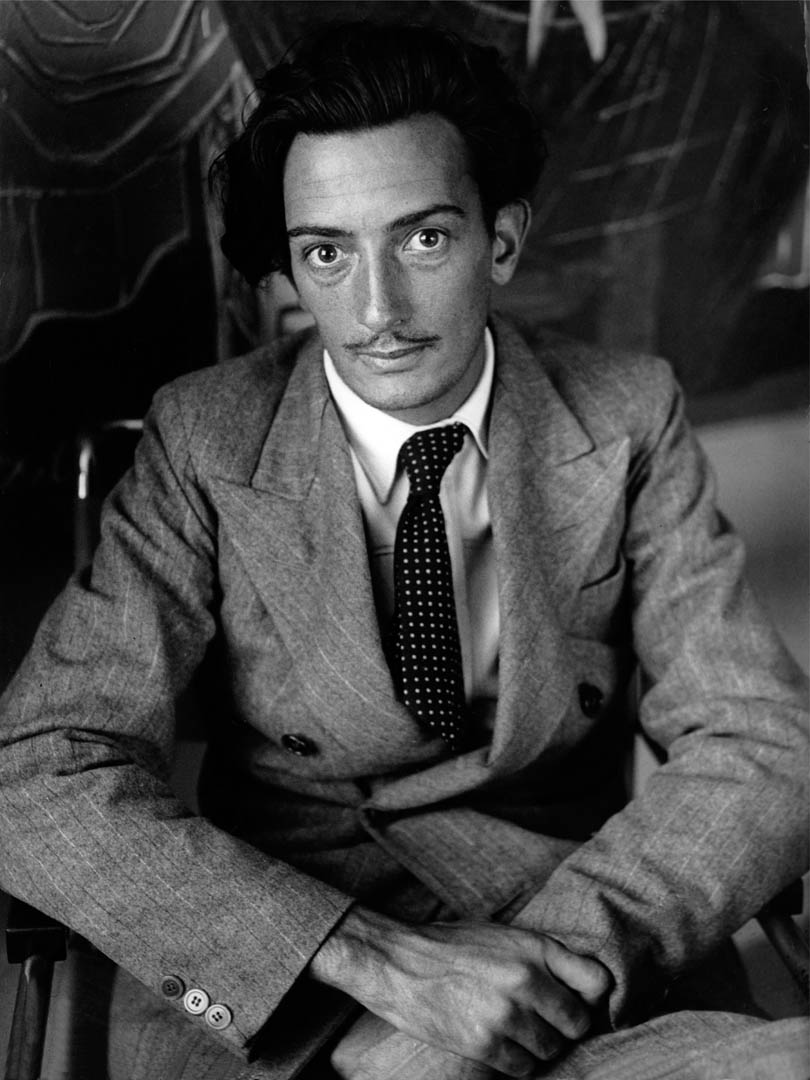
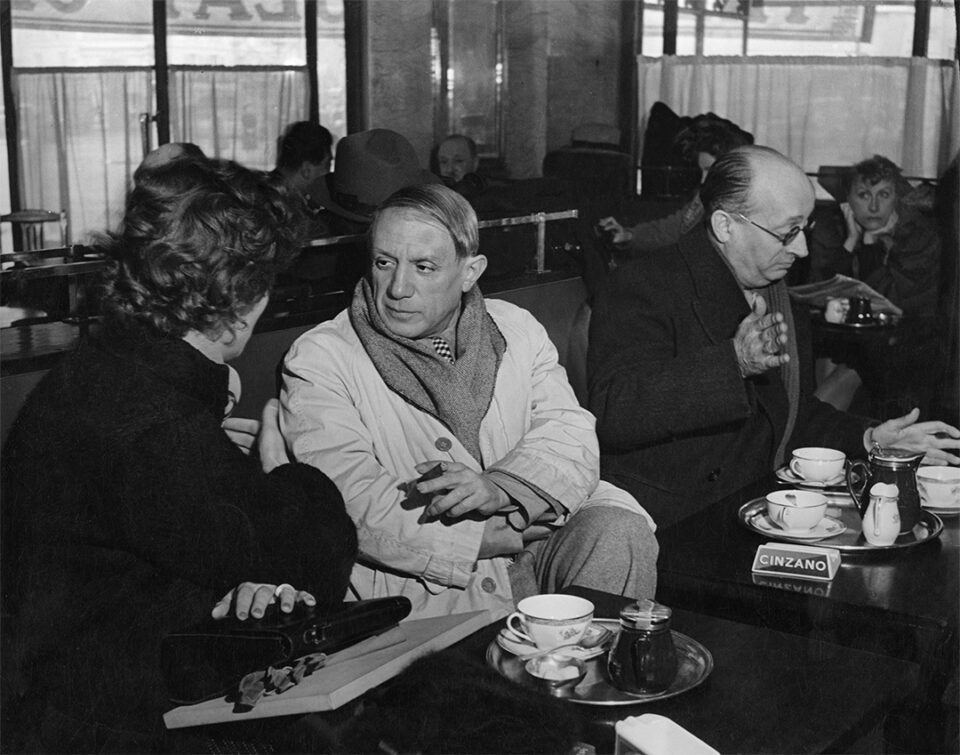
Heide’s show encompasses more than 150 of Brassaï’s “greatest achievements,” including his iconic atmospheric black-and-white images of the city and its people after dark. It also reveals his relationships with leading figures of the Parisian avant-garde, experiments with Surrealism and documentations of early graffiti. Viewers come face-to-face with photographs made in Picasso’s studio, alongside portraits of Salvador Dalí, writer Henry Miller and cabaret singer Kiki de Montparnasse. Other significant works trace Brassaï’s interest in the crude marks, faces and figures carved into the city’s stone edifices. Those pictures were, notably, presented in the 1956 show Language of the Wall at MoMA in New York, positioning Brassaï as an observer of vernacular mark-making at a moment before “street art” existed as a formal category.
Co-curator Philippe Ribeyrolles, to whom Brassaï was uncle, says: “This exhibition was prepared in the heart of Paris, in the very place where Brassaï lived and where his memory still endures. I personally wished to imbue this presentation with the familial spirit and soul that belonged to the Brassaï I knew, and which I strive to preserve in my capacity as the artist’s nephew. For this reason, the exhibition is conceived as an invitation to journey into the heart of an oeuvre focused primarily on the secret Paris of the 1930s, through a selection of photographs whose prints were all made by Brassaï himself.”
Secret Paris is a milestone for Heide: its third major modernist photography display in five years, following the acclaimed Man Ray and Max Dupain (2025) and Surrealist Lee Miller (2023). Lesley Harding, Artistic Director, says: “Brassaï is one of the great photographers of the 20th century, and we are delighted to bring this depth of work to Australian audiences for the first time in a generation. His images resonate nearly a century on, and in presenting the full breadth of his practice, from night photos and graffiti to surrealist experiments and portraits of his inner circle, Heide reveals an artist of remarkable range and vision.”
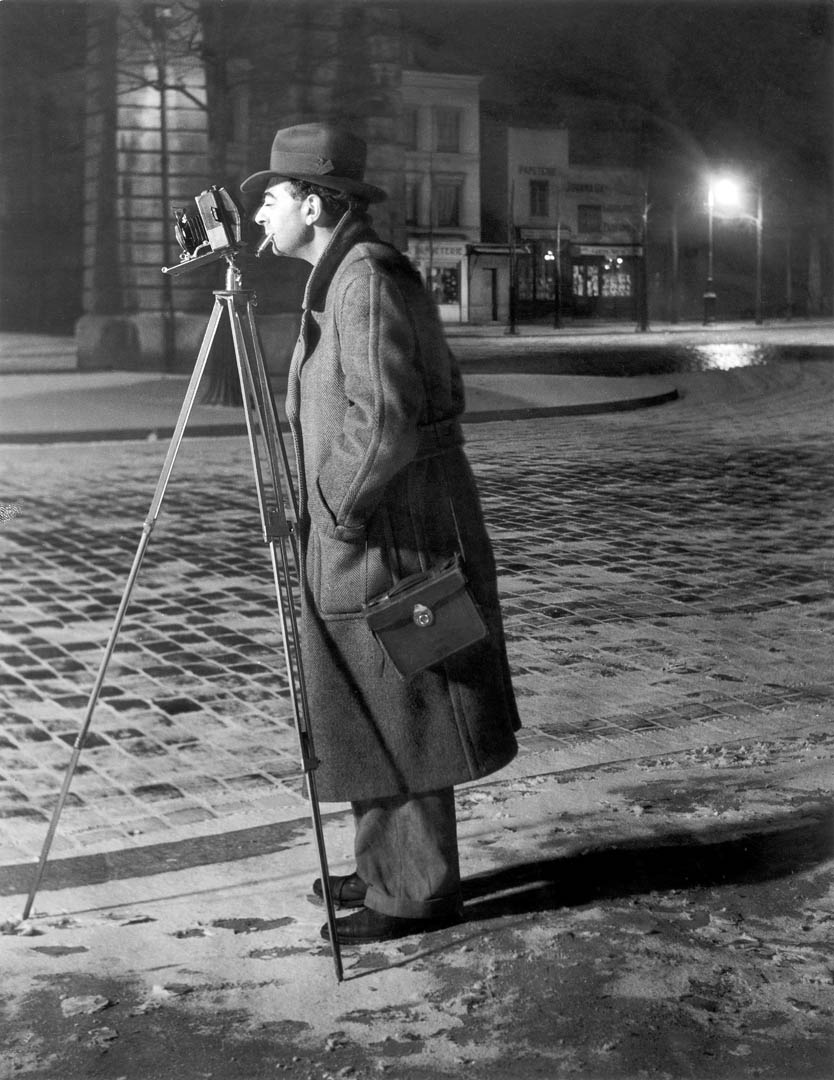
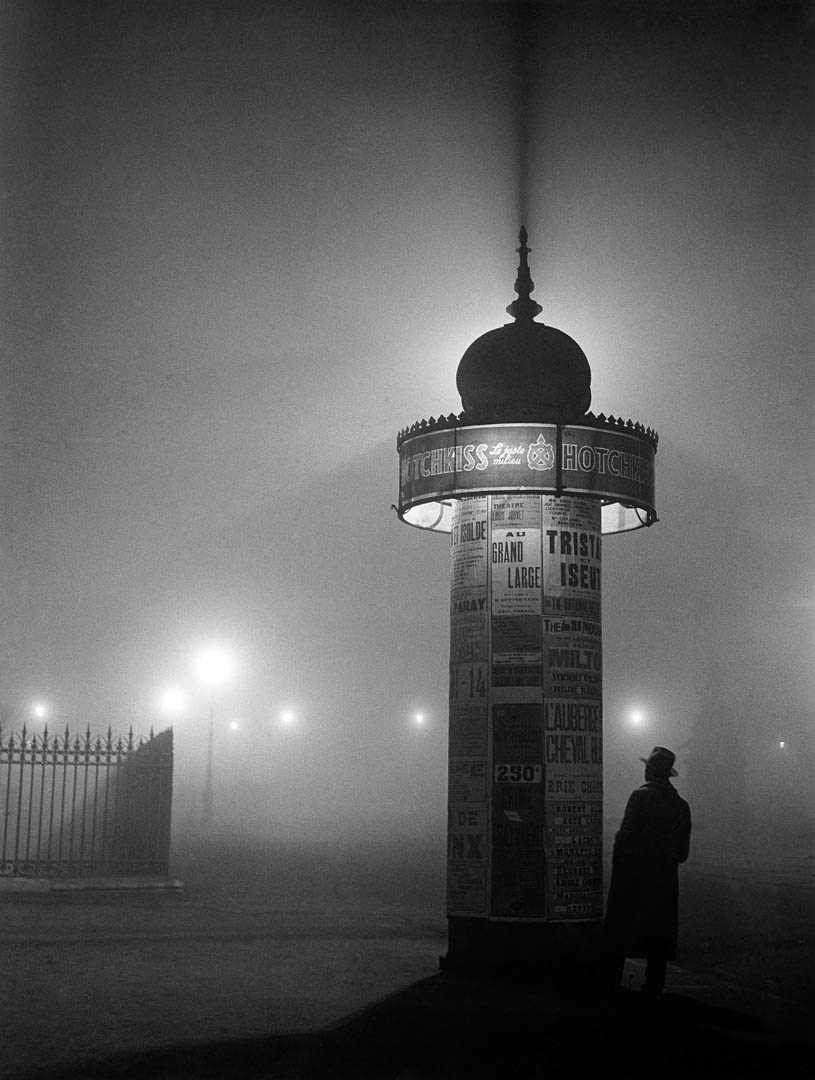
One gets the impression that Brassaï travelled through the shadows of Paris like a ghost. His camera moved silently in and out of boulevards, brothels and masquerade balls, drifting from deserted streets to ballrooms full of life. Brassaï clicked the shutter on moments that weren’t only cinematic, but that captured the breadth of human experience: the dread of a dark street, the joy of a party. He has been called the ultimate documentarian. As Ribeyrolles puts it: “For Henry Miller, Brassaï was the ‘Eye of Paris’. Even today, it is this eye that teaches us not only how to see, but above all how to look.” Secret Paris reminds us why that vision remains so compelling, revealing a city that is at once glamorous, gritty and profoundly human.
Brassaï: Secret Paris is at Heide Museum of Modern Art, Melbourne, until 15 November.
Words: Eleanor Sutherland
Image Credits:
1. Brassaï, Colonne Morris, 1933, gelatin silver print, 30 x 20 cm. © Estate Brassaï Succession — Philippe Ribeyrolles.
2. Brassaï, Couple d’amoureux dans un petit café parisien, Place d’Italie, Paris. c. 1932, gelatin silver print, 29 x 23.5 cm. © Estate Brassaï Succession — Philippe Ribeyrolles.
3. Brassaï, Les Champs Elysées c.1937, vintage print, gelatin silver photograph, 29.8 x 23.4 cm. © Estate Brassaï Succession — Philippe Ribeyrolles.
4. Brassaï, Pré Catelan, Bal des Têtes, Marie-Laure de Noailles et Léonor Fini, 1946. (Pré Catelan, Masquerade Ball, Marie-Laure de Noailles and Léonor Fini) printed 1960s gelatin silver photograph 30 x 23.6 cm © Estate Brassaï Succession — Philippe Ribeyrolles.
5. Brassaï, Salvador Dali, 1932. vintage print gelatin silver photograph 29 x 23 cm © Estate Brassaï Succession — Philippe Ribeyrolles.
6. Brassaï, Picasso au Café de Flore avec Sabartès, 1939. (Picasso at the Café de Flore with Sabartès) late print gelatin silver photograph 22.8 x 28.5 cm © Estate Brassaï Succession — Philippe Ribeyrolles.
7. Brassaï, Escalier de la Butte Montmartre. c. 1937, gelatin silver print, 24 x 18 cm. © Estate Brassaï Succession — Philippe Ribeyrolles.
8. Brassaï, Couple au bal des Quatre Saisons, rue de Lappe, 1932, gelatin silver print mounted on hardboard, 50 x 40 cm. © Estate Brassaï Succession — Philippe Ribeyrolles.
9. Brassaï Autoportrait, Boulevard Blanqui, Paris c. 1931, gelatin silver print, 29.7 x 23 cm © Estate Brassaï Succession — Philippe Ribeyrolles.
10. Brassaï Colonne, Morris, 1933, gelatin silver print, 30 x 20 cm © Estate Brassaï Succession — Philippe Ribeyrolles.