

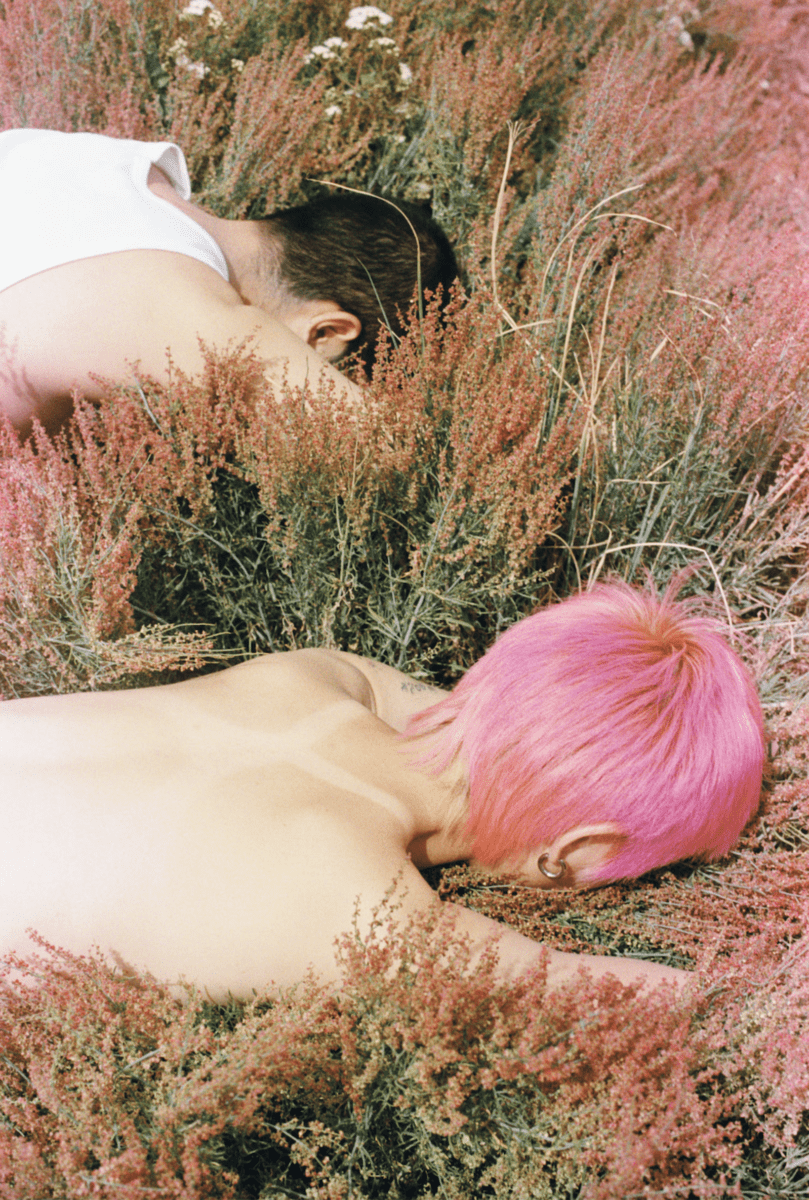
Intimacy is never simple. It is a tension between visibility and concealment, between the everyday and the exceptional, a fragile architecture of perception and emotion. In Under the Sunlight, There is No True Intimacy, No.223 charts this territory with a lens that hovers between observation and empathy, illuminating moments that are at once fleeting and enduring. Desire is the undercurrent of the work, a force that navigates social expectation while asserting private freedom. The exhibition evokes the pulse of life in its subtle rhythms: a glance exchanged in a sunlit corner, the quiet geometry of bodies in motion, the way urban and natural spaces seem to whisper with latent meaning. These photographs do not narrate; they suggest, allowing experience and reflection to unfold in parallel.
Lin Zhipeng, who operates under the alias No.223, was born in 1979 in Shantou and now works in Beijing, inhabiting the city’s layered contradictions with attentiveness and curiosity. He is both observer and participant, a chronicler of the ephemeral gestures that shape our sense of self and others. No.223 embodies duality: image and text, public and private, presence and absence, offering a vision that resists confinement. Across two decades, his work has explored the delicate, sometimes dissonant relationship between desire and daily life, transforming ordinary encounters into sites of aesthetic and emotional inquiry. His practice aligns with contemporaries such as RongRong, Chen Changfen and Liu Zheng, yet retains a singular focus on intimacy as a lived experience, rather than a performative exercise.
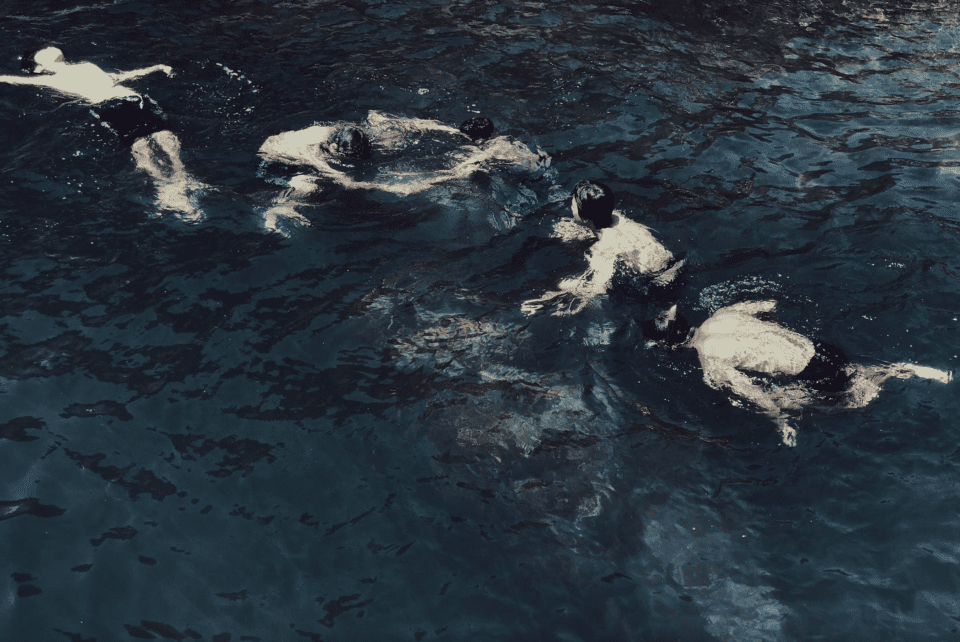
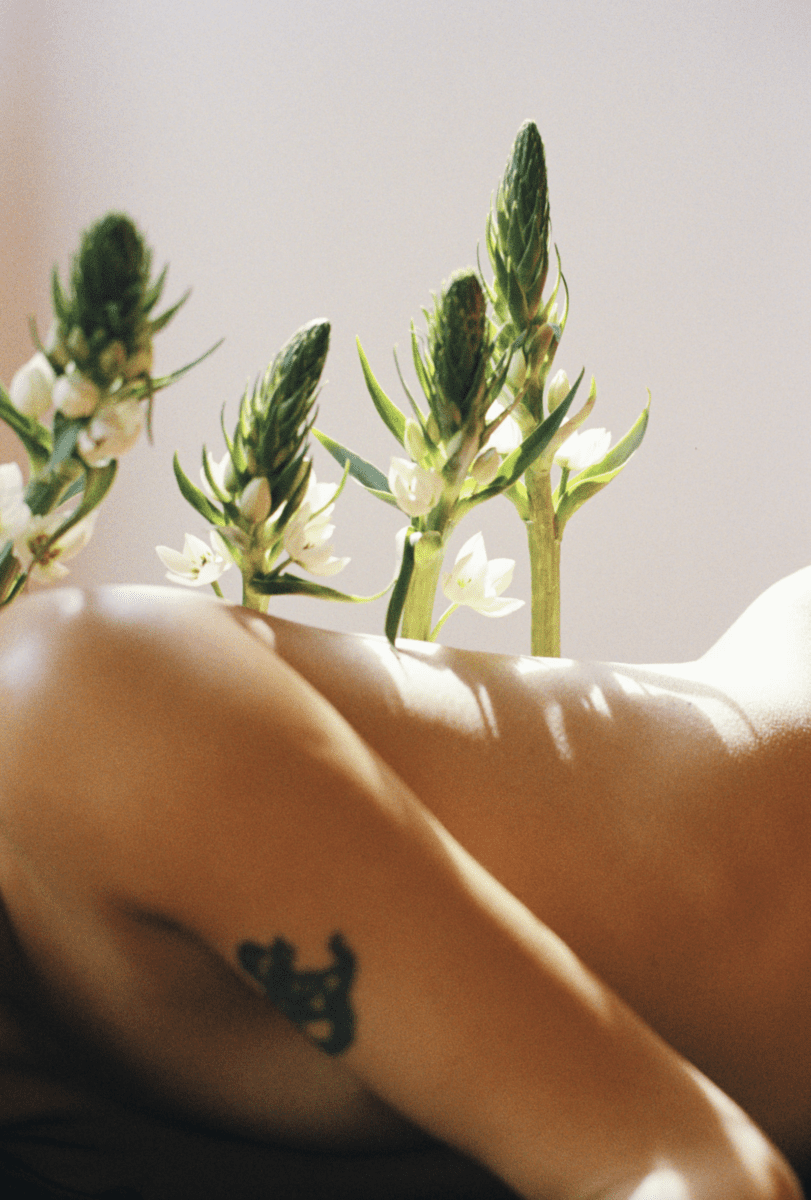
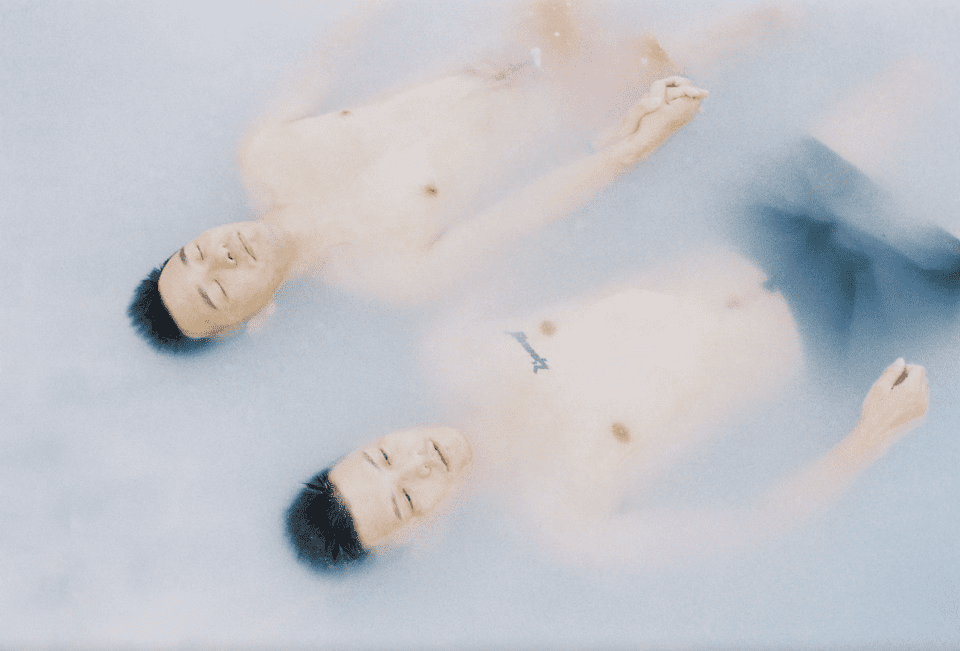
The photographs gathered for this exhibition are attuned to the liminal and the in-between. In works such as Aaron and Eddy (2016) and Skin in Bud (2023), No.223 captures gestures that are at once natural and charged, the body negotiating light, texture, and relational space. The eye is drawn to fragments of life – the tilt of a shoulder, the pattern of sunlight on skin, a shadowed corridor – inviting reflection on the quiet intensity of presence. These images trace the tension between restraint and freedom, showing desire not as an object but as a force that animates perception itself. Boundaries dissolve between urban architecture and corporeal movement, between nature and culture, rendering each frame a meditation on transience and possibility. The work cultivates a visual patience, encouraging viewers to inhabit the moments and motions it presents rather than rushing toward resolution.
No.223’s approach resonates within a broader conversation about contemporary Chinese photography, a field increasingly concerned with identity, urban experience, and the politics of the everyday. Institutions like Three Shadows Photography Art Centre, founded by RongRong and inri, have nurtured these dialogues, foregrounding the role of the photographic image as both cultural document and aesthetic experiment. Artists such as Chen Wei and Zhang Xiao similarly examine the interplay between personal and public spheres, memory and immediacy, framing intimate gestures within shifting urban landscapes. Lin’s work distinguishes itself through its sustained attention to desire as a vehicle for visual resistance, emphasizing the ethical and perceptual dimensions of looking. The photographs engage the viewer in a subtle negotiation: to witness without intruding, to experience without possessing, to linger in ambiguity.
Light and space are central to No.223’s language, shaping the emotional weight of each frame. In Fujisawa(2017), the ordinary becomes charged: a figure pauses in the soft glow of afternoon, walls and pavement converge in geometric intimacy, and the image registers a spectrum of feeling beyond the visible. Desire, in these contexts, is relational and ephemeral, experienced through tension and incompletion rather than fulfilment. The work refuses simple categorisation, occupying an intermediate state where narrative, observation and imagination coexist. In doing so, it mirrors the complexity of human experience, where yearning, attention and memory intersect and overlap. Each image becomes a site of reflection, where the viewer is invited into both aesthetic contemplation and ethical awareness.
Lin’s international exhibitions and publications underscore the universality of these concerns, translating intimate gestures into a language that resonates across contexts. From Paris to New York, from the Walther Collection in Ulm to Stieglitz19 in Antwerp, his work has been received as both personal and philosophical, grounded yet expansive. Publications such as No.223 (2012) and Sour Strawberries (2018) have extended the reach of his practice, blending conceptual rigor with a humanist sensibility. His recent works, including La Liberté ou L’Amour and Amour Défendu, continue to interrogate intimacy, desire and perception, reinforcing the synergy between image and text that defines his artistic vision. In each iteration, the photographs insist on a deliberate, slow engagement.
Through these works, intimacy emerges not as a possession but as a lived negotiation: a relational, temporal and perceptual practice. No.223 situates the body, desire, and environment within a field of subtle interaction, creating a space where the viewer’s attention and ethical sensibility are activated. The exhibition demonstrates how contemporary photography in China can move beyond documentation or spectacle, functioning instead as a meditation on presence, vulnerability and relationality. Here, the ordinary is not neutral but alive, the fleeting not disposable but luminous, and the unseen becomes perceptible through attentiveness. The images do not provide answers; they cultivate reflection, questioning and a heightened awareness of the spaces we inhabit with others.
By sustaining this careful attentiveness, No.223 establishes a dialogue between perception and experience, personal and collective, desire and restraint. Under the Sunlight, There is No True Intimacy is an invitation to inhabit these tensions, to recognize the subtle resistances and intimacies that permeate daily life, and to consider the ethical and aesthetic dimensions of seeing. It is photography that asks the viewer to slow down, to look closely, and to feel with care, foregrounding not only what is visible but also what remains elusive. The exhibition situates No.223’s practice at the forefront of Chinese photography, whilst offering a meditation on the universal conditions of intimacy, desire and human connection.
Under the Sunlight, There is no True Intimacy is at Fotografiska Shanghai until 14 June: shanghai.fotografiska.com
Words: Shirley Stevenson
Image Credits:
1. Blossom Mode, 2023 © No. 223.
2. Skin In Bud, 2023 © No.223.
3. Fujisawa, 2017 © No.223.
4. Aaron and Eddy, 2016 © No.223.


