According to the 2021 British Census, 18.5% of Coventry’s population identify as Asian or British Asian. A new exhibition at Herbert Art Gallery, funded by National Lottery Heritage fund, traces the experiences of a South Asian family in the city, following their lives from 1968 to 2010. The show takes a unique perspective, using the personal history and archive of curator Hardish Virk to explore universal themes of migration, activism and cultural identity across generations. At its centre are two films written and directed by artist and filmmaker Manjinder Virk, who is also the curator’s sister—adding an intimate, first-hand perspective to the narrative. The first film recreates their 1970s living room, imagining conversations between their father and members of the Indian Workers Association. The second takes on a more harrowing chapter, depicting a racist attack on Manjinder’s brother, balancing the gravity of the event with a celebration of community and friendship in the face of prejudice. We spoke to Manjinder about sharing her family’s stories publicly and how participating in the Aesthetica Film Festival has shaped her career.
A: Take us back to the start. How did you begin working behind the camera?
MV: My father was a keen photographer. He would take ages setting up family shots on holiday, getting the tripod, the right aperture, framing it. He used a film camera, which meant you didn’t take lots of photos. You had one shot and the results would be seen a few weeks later, once it was processed. He would buy the latest technology, including a bulky VHS camera that is the inspiration behind one of the films in this exhibition. At the time, I didn’t realise the importance of having this technology in our lives, but I think it made filmmaking a possibility. As a teenager I was more interested in being in front of the camera, but I did make videos with my brother and his friends. I became more interested in using film in my creative work while studying contemporary dance at De Montfort University. I was influenced by dance theatre companies like Motionhouse and Theatre de Complicité, that used multimedia in live performances. I formed my own company – Pangran Dance Theatre – after I left university and incorporated film as set backdrops in choreography. I think I first brought these visuals with a script together when I wrote and directed the short film FORGIVE in 2007. I’d worked extensively in front of the camera but never properly behind it. After that, I knew film was a rich creative language that I wanted to learn.
A: Tell us about these two films, how did they first come about?
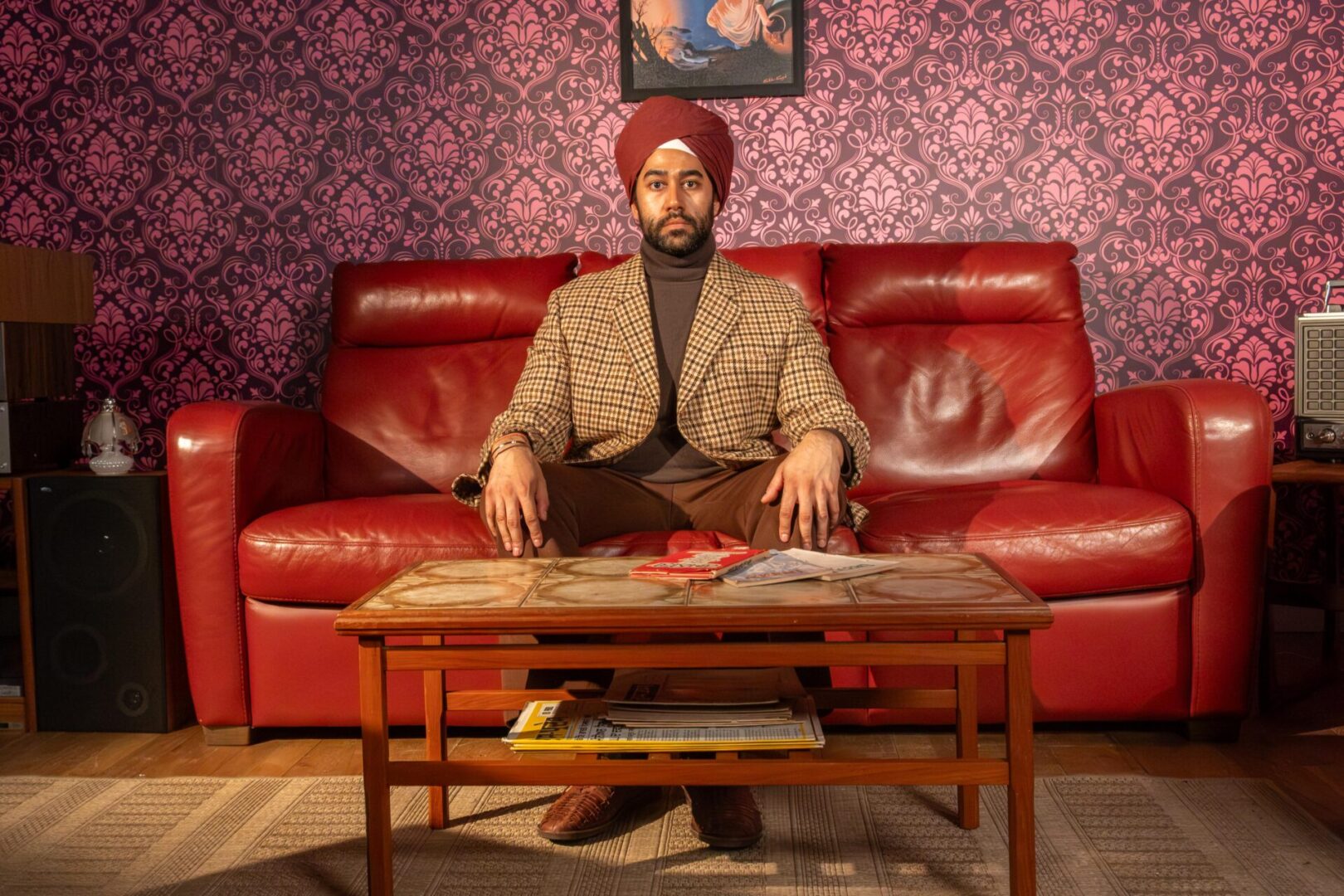
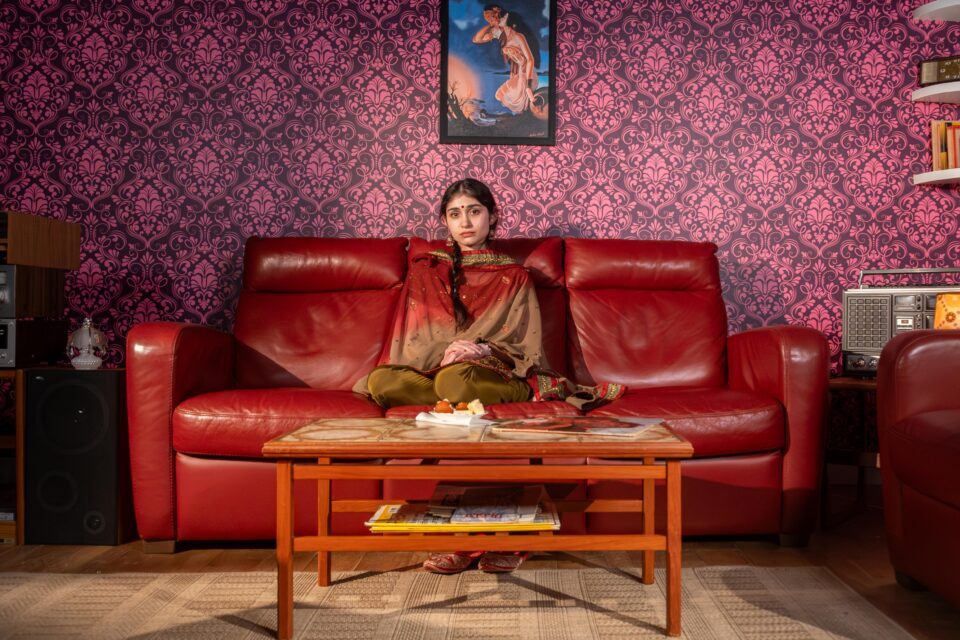
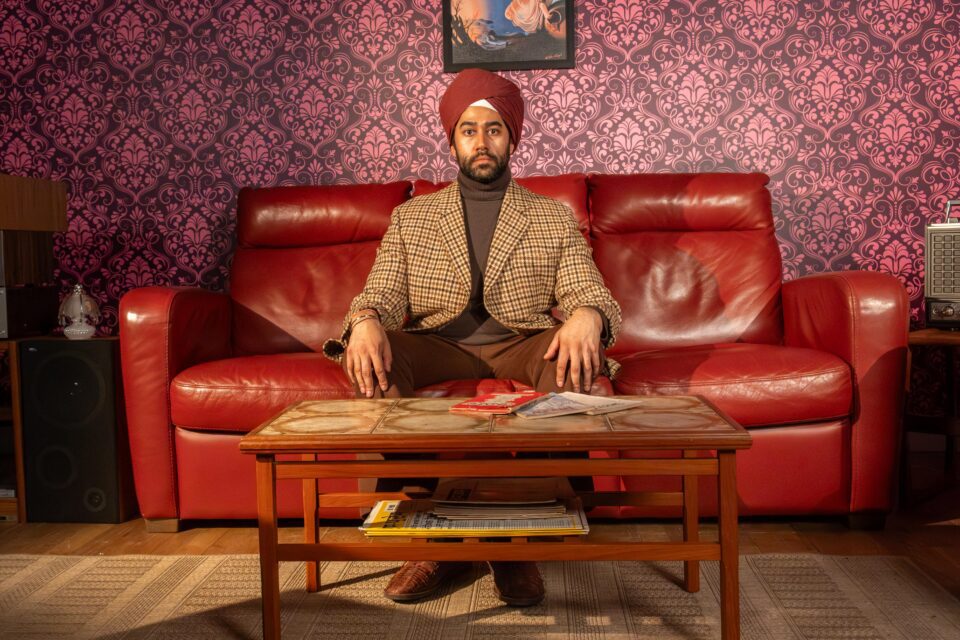
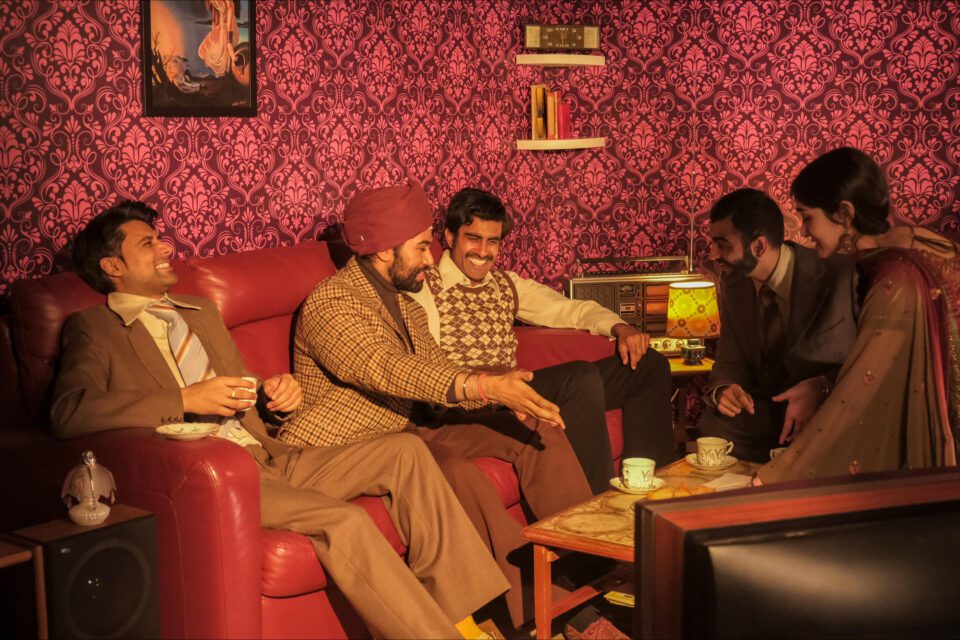
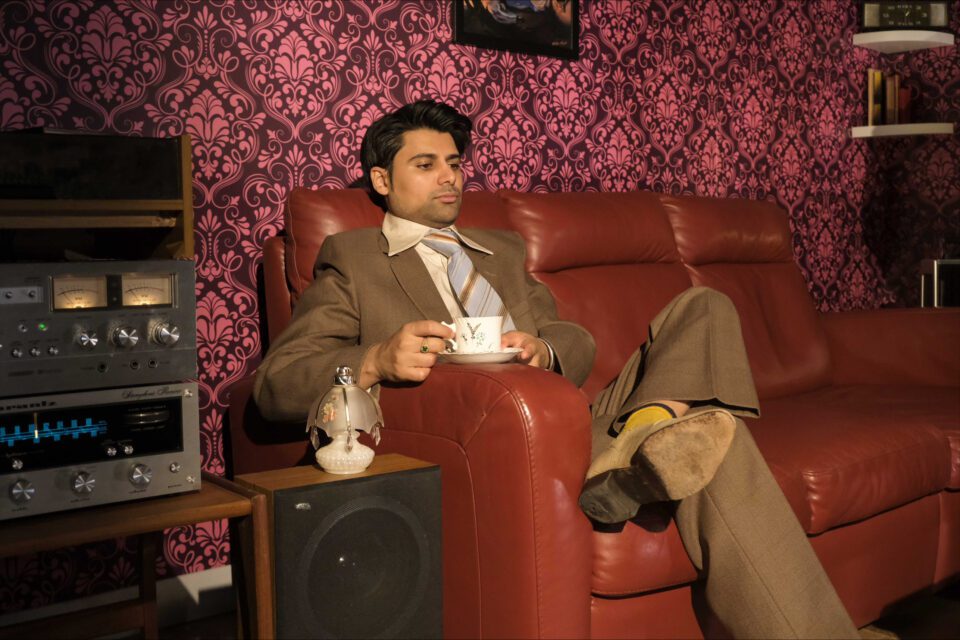
MV: I was commissioned to make two films through my company, Riverbird Films (co-founded with Neil Biswas) for The Herbert Art Gallery. The exhibition was curated by my brother, Hardish Virk and follows the journey of one South Asian family from 1968 until 2010. That family is us: my father, Harbhajan Singh Virk, mother, Jasvir Kang, me, my brother and sister, Pavenpreet. It starts in a Punjab village, India and moves into arrivals in the UK. Then audiences walk through time periods, where the bigger political and cultural back drop is placed side-by-side with our personal story. The first film, titled 31 ST GEORGES ROAD – A Living Memory, is a recreation of our 1970’s living room. It came from a desire to create something to reflect my father and his friends, who would gather in our home. They were a generation of political thinkers who were part of the Indian Workers Association and socialist movements. They were also poets and would share their creative language in Punjabi. I was also interested in the female role in this mostly male environment, especially my mum who became a poet, writer and radio broadcaster. The second film, DEESH’S BEDROOM – A film about the Teenage Years, deals with resilience and a celebration of friendship.
A: How did you decide which objects from that era were essential to include?
MV: Hardish had many items in his archives and my father also had his own collection, which he gave to the gallery. For the 1970’s film, I was able to use his books, magazines and ornaments that were all from our home. The key was in the detail. We had video footage and photos from that period in the living room, which allowed us to recreate it all from scratch. Authenticity was really important, so I used Costume East, who have a huge supply of outfits from that era. The actors also grew their hair and didn’t shave, so we had the moustaches and side burns. My father wore a turban in the 1970’s, which we had to handle with care, as it is a sacred item. The purple velvet paisley wallpaper was also very significant and we managed to find a way to recreate that. The films are there to enhance the experience of being in the space.
A: What do the films say about the political and social organising in South Asian communities?
MV: Many of my parents generation came to the UK overqualified and unable to get jobs in the fields they were trained in. My father worked nights in a car factory but wrote poetry and articles for newspapers. My mother studied art and eventually became a self taught poet and short story writer, someone who questioned sexism and the role of women in Asian communities. She started out working as a cleaner and in a fish and chips shops. When my father passed away in 2016, I wrote an obituary in the Guardian to celebrate him, his writing and legacy, which lives on through us and future generations. My parents, among others, contributed widely to life in Britain but this has never really been recognised, with this exhibition, it feels like their legacy has been given light. In doing so, it gives attention to others who travel to new lands for a better life. Each family has a story, whether they were born in UK or came to the country later, in looking at our shared experiences, we hopefully find a way to live respectfully in our diverse communities.
A: One of your films recounts a racist attack from your family’s past. What was it like to revisit this?
MV: I wanted the 1980s film to have an emotional arc, unlike the one set in the 1970s, which is less linear and more of a mood and tonal experience. After speaking to Hardish about the possibility of discussing a racist attack that happened to him, we found a way of telling this story that allows it be seen as an experience he not only survived, but that didn’t hold him back in his life. However, there is also no doubt that it left an impact on him, shaping him and all of us who cared for him. For me as his sister, it was the first time I had properly heard him talk about the event and I admired him for sharing it. The exhibition is called Stories That Made Us; Roots, Resilience and Representation and I hope it resonates in our current climate, where racism is on the rise. Both the name of the show and the film are reminders of solidarity. The four characters come from different backgrounds and races, but they are united in their friendship.
A: The first film shows community, activism and solidarity; the second deals with vulnerability and threat. How do you see these two works speaking to each other?
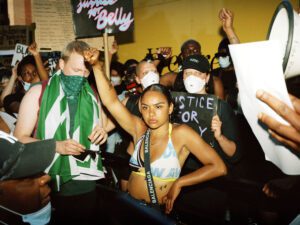
MV: The two films really show the contrast of how life for first and second generations differs, and how each one is shaped by their environment and how they adapt. My family embraced our western cultural experiences but never let us forget our origins and sense of history and family. My mother tongue is Punjabi, but my favourite pop star was Prince. I was made to feel ashamed of my Indian origins when I was growing up, but now I feel a huge sense of pride. The contradictions and trying to find a sense of belonging is ongoing for me, and it’s a theme I explore in my work as a writer and filmmaker. The two films are connectors – what we do now will shape our future, what they did in the past affects us now. People marched in their hundreds against racism in 1970’s, slogans with “Black and White, Must Unite!” Here, Black meant everyone of colour, white meant everyone who wanted to stand against racism. We have Pathe footage in the exhibition and you can see banners with “Sikhs against racism,” and “Jews against hate.” It resonates in the peaceful march’s we take part in now, against racism, to free Palestine and for female rights. We as a people have always stood against injustice but we are in a dangerous time where that freedom of peaceful protest is being threatened and we must come together to protect it.
A: The wider exhibition challenges the underrepresentation of South Asian stories in public archives. How do your installations contribute to that conversation?
MV: I think what I find striking about the 1980’s film is the diversity – an Asian male, a white gay male, a black male and a white female – all working-class from Coventry. The four of them were friends as teenagers and have remained close for decades. They found each other at school through music or being alone or finding the same things funny. These are the stories I feel that we need to hear, the celebration of ordinary people coming together and what they give each other. In a way, it’s a metaphor for all that migrant communities contribute and how we can enrich each other’s lives.
A: What do you hope audiences feel or recognise when watching your installations?
MV: Themselves and their stories. There is a reflection area at the end of the exhibition where we want people to share their own experiences.
A: You won Best of Festival and Best Drama at the Aesthetica Film Festival 2013. What does being part of festivals like Aesthetica mean to you and your work?
MV: My film OUT OF DARKNESS was an experimental impulse, it came from a place of exploration of what I might be able to do with images and sound and great actors. I was learning to not censor any creative ideas. It is a constant reminder of how I should trust these instincts. I think I worked on the 1970’s film in that way, trying to have no rules but still create a journey from emotions. I’ve had two other shorts screen at Aesthetica, THINGS WE NEVER SAID and this year, BAFTA-qualifying, DEKHO, which I made for the Alzheimers Society and Riverbird Films. I use the Punjabi/ English language and look on generational differences and memory loss. What is special about Aesthetica Film Festival is the way that York embraces it. The whole city feels a part of the festival. And the best part is the discovery of films, I’ve always been so impressed by the variety and the incredible level of filmmaking that’s on display.
A: What’s next for you? Anything we can look forward to?
MV: I’ve just wrapped as an actor on a film by a brilliant animator/ filmmaker, Daisy Jacobs. It’s her first live action film and stepping into her world just made me go: “wow!” I’m developing a stage play, THE ROOM which is a finalist for a women’s playwriting competition. I’m developing two features, I’ve made 10 short films so think it’s time. DEKHO will launch officially on Alzheimers Society website in 2026.
Stories That Made Us: Roots, Resilience, Representation is at Herbert Art Gallery, Coventry until 25 May 2026: theherbert.org
Words: Emma Jacob & Manjinder Virk
Image Credits:
1. SACHIN K.SHARMA. Image design: Manjinder Virk. Image: Alex Frost.
2. RAMANPREET BRAR. Image design: Manjinder Virk. Image: Alex Frost.
3. SACHIN K.SHARMA. Image design: Manjinder Virk. Image: Alex Frost.
4. SACHIN K.SHARMA, BALLY GILL, SUNJAY MIDDA, ANTONIO AAKEEL. Film still from 31 ST GEORGES ROAD. Image: Alex Frost.
5. ANTONIO AAKEEL. Film still from 31 ST GEORGES ROAD. Image: Alex Frost.