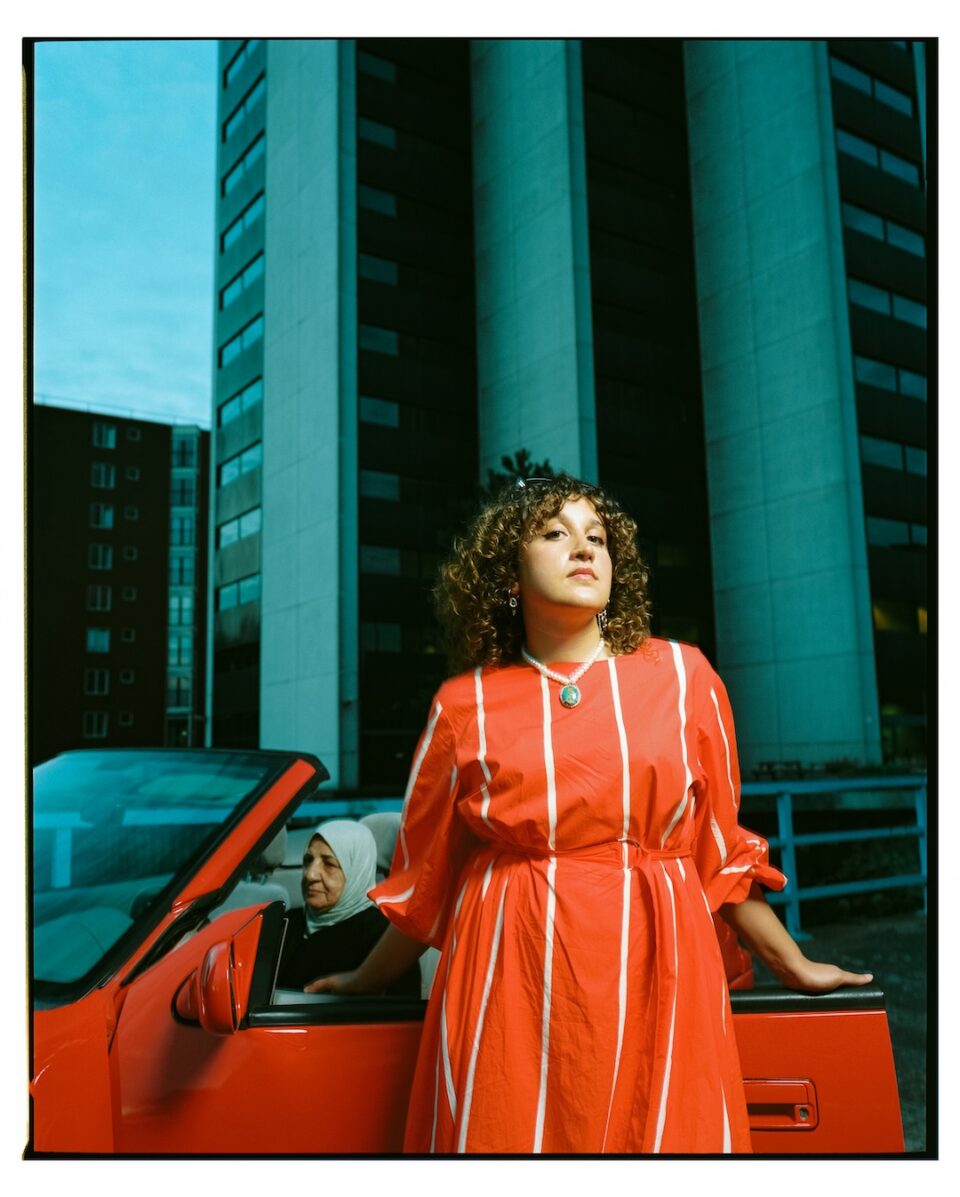
Photography has long been the medium that has shaped the ways in which nations imagine themselves. Through landscapes, monuments, domestic scenes and portraits, images establish a visual vocabulary of cultural identity, reinforcing ideas about history, heritage and belonging. However, these representations are never complete. They reflect experiences whilst leaving others outside the frame, creating a distance between the image of a country and the lives of those who inhabit it. In Dag Nederland, Dutch photographer and filmmaker Marwan Magroun examines this disparity, turning to the familiar iconography of the Netherlands to consider how its national identity might be pictured differently. Bringing together earlier projects and a new body of commissioned work, the exhibition at the Nederlands Fotomuseum considers Dutchness as an evolving cultural construct, shaped by a breadth of personal histories, flows of migration and the shifting relationships that lie between individual and collective identity.
Magroun’s interest in these questions is rooted in his own experience of growing up in Rotterdam. Although he considers the Netherlands home, the images through which the country has traditionally represented itself have not always reflected his sense of belonging. His practice has developed around this distance between personal identity and its public perception, examining how family, cultural inheritance and social expectations influence the ways people understand themselves. “What image of the Netherlands do I identify with?” he asks, identifying the question that initiated the exhibition. “This exhibition is an attempt not only to question that picture, but also to claim space in it.” The distinction moves the discussion beyond visibility towards the authority to shape representation, establishing a personal starting point for a wider examination of contemporary Dutch society.
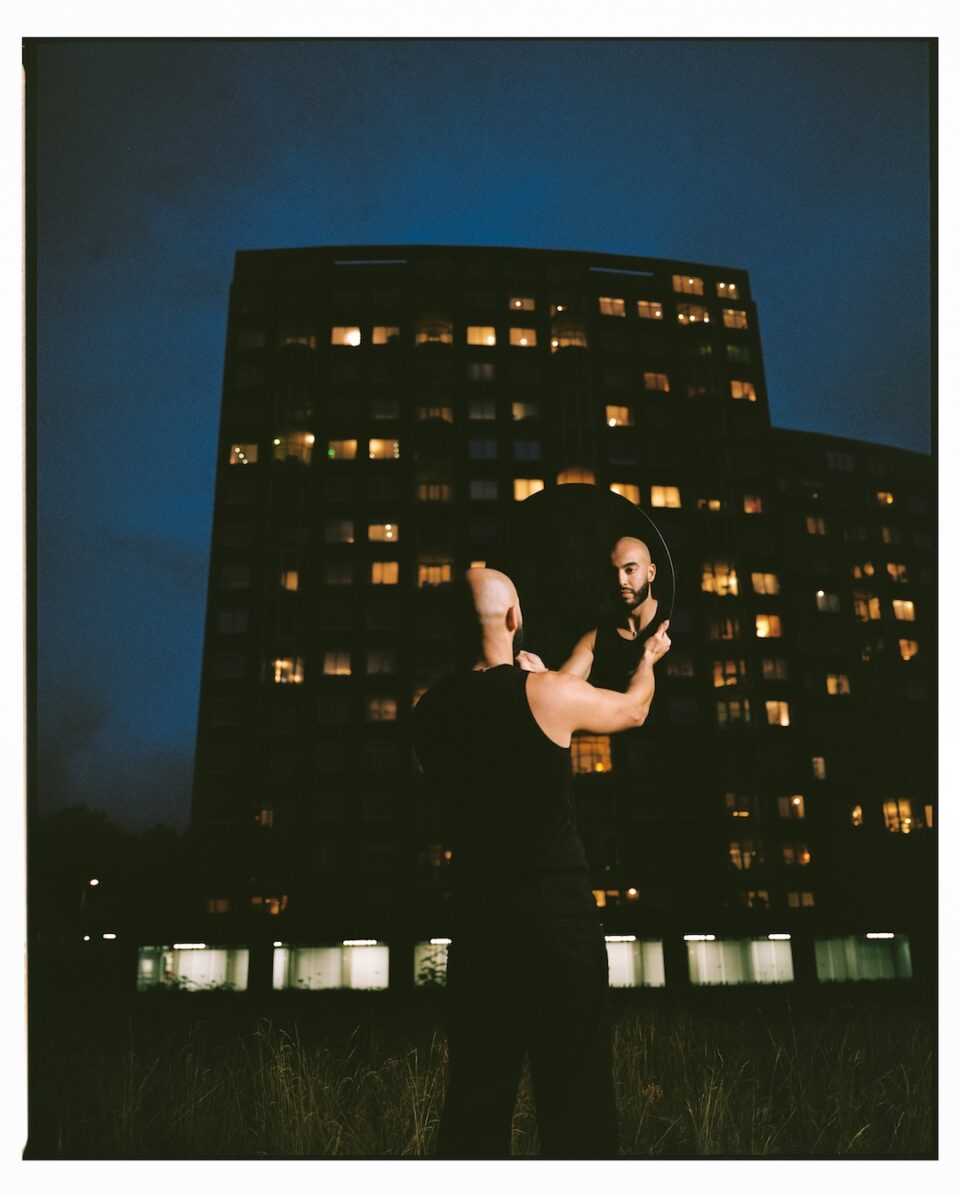
The exhibition’s title introduces another dimension to this reconsideration. In Dutch, dag functions as both a greeting and a farewell, suggesting an encounter with something new while acknowledging the need to leave certain assumptions behind. Magroun is not proposing a departure from the Netherlands itself, but from a fixed understanding of what the country represents. This ambiguity is reflected in the visual language of the new series, which moves between documentary observation, cinematic staging and imagination. Rather than attempting to produce a definitive portrait of Dutch society, the photographs consider how national identity changes as different histories and experiences enter its visual landscape.
Magroun’s body of work travelled throughout the Netherlands, returning to recognisable elements of the national landscape as settings for carefully constructed portraits. Polders, windmills, flags, churches and dikes carry associations with heritage, geography and cultural continuity, functioning as visual shorthand for a familiar understanding of Dutchness. Their significance changes when placed with people whose presence complicates the narratives traditionally attached to these settings. In Wi pikin, wi tamara (2026), an adult holds a young child wrapped in red, white and blue fabric, standing before the imposing brick façade of a church. The figures occupy the foreground, their physical closeness contrasting with the scale and solidity of the architecture behind them. The colours associated with the Dutch flag become part of an intimate encounter, bringing family, inheritance and national symbolism into a single composition.
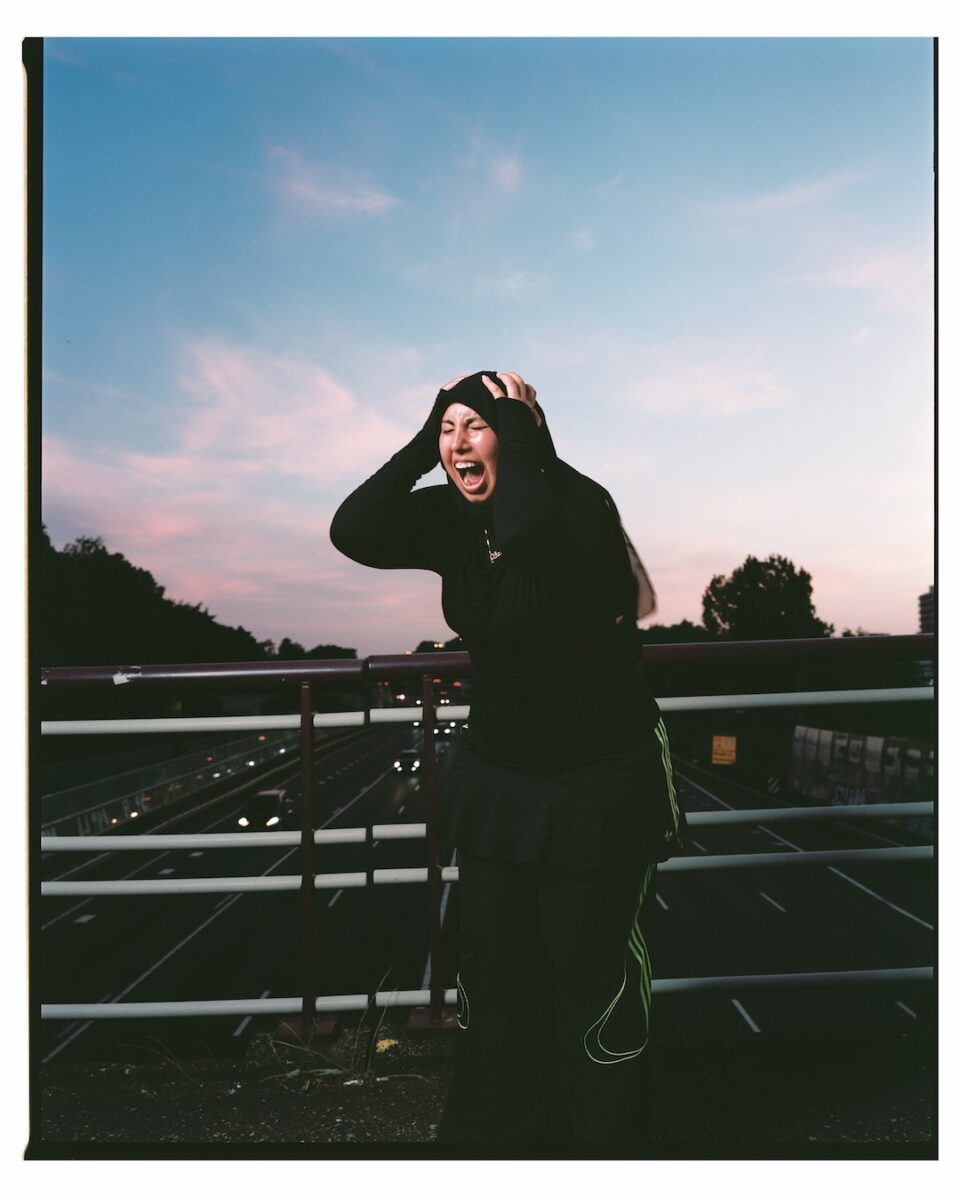
Such images depend upon the tension between recognition and reinterpretation. Magroun retains the visual codes through which the Netherlands has historically presented itself, but changes the relationships within the frame. The landscape is neither dismissed nor treated as an unquestioned expression of national identity. Instead, its meanings become less certain as different experiences are brought into contact with familiar symbols. Composition, gesture and colour contribute to this process, allowing the photographs to operate between constructed imagery and documentary observation. Their theatrical qualities are particularly significant: the staged encounter makes visible the decisions involved in producing an image, challenging the assumption that images of national identity simply record an existing reality.
This interest in the relationship between photographic construction and self-representation connects with the work of South African artist Zanele Muholi, although their approaches to portraiture are distinct. Muholi’s ongoing Faces and Phases (2006–) is an extensive archive documenting Black lesbian, transgender and gender-nonconforming communities in South Africa. Its formal consistency is central to the project. Participants face the camera directly, frequently against relatively unelaborated backgrounds, with their names and the circumstances of each portrait recorded. The resulting images establish an archive of individual lives that have historically been marginalised in dominant visual culture. Magroun, by contrast, places his subjects in recognisable environments, allowing landscape and architecture to participate in the construction of meaning. Where Muholi builds a collective history through repeated encounters between camera and sitter, Magroun examines how people occupy and transform an established national image.
A different relationship between staging and lived experience emerges in the practice of American artist Carrie Mae Weems. Her landmark Kitchen Table Series (1990) unfolds through a sequence of carefully arranged scenes in which Weems plays the central character, occupying the same domestic setting as relationships change around her. A single overhead light, a table and a limited interior become the stage for an evolving narrative about intimacy, companionship, motherhood and solitude. The photographs derive their force from repetition: the room remains recognisable while the emotional and social circumstances of its occupants shift. Magroun similarly uses constructed situations to examine how personal experience intersects with wider cultural narratives, although his images move in the opposite spatial direction. Where Weems concentrates social experience in one domestic interior, Magroun takes intimate concerns into the public landscape, exploring how individual histories become part of a country’s visual identity.
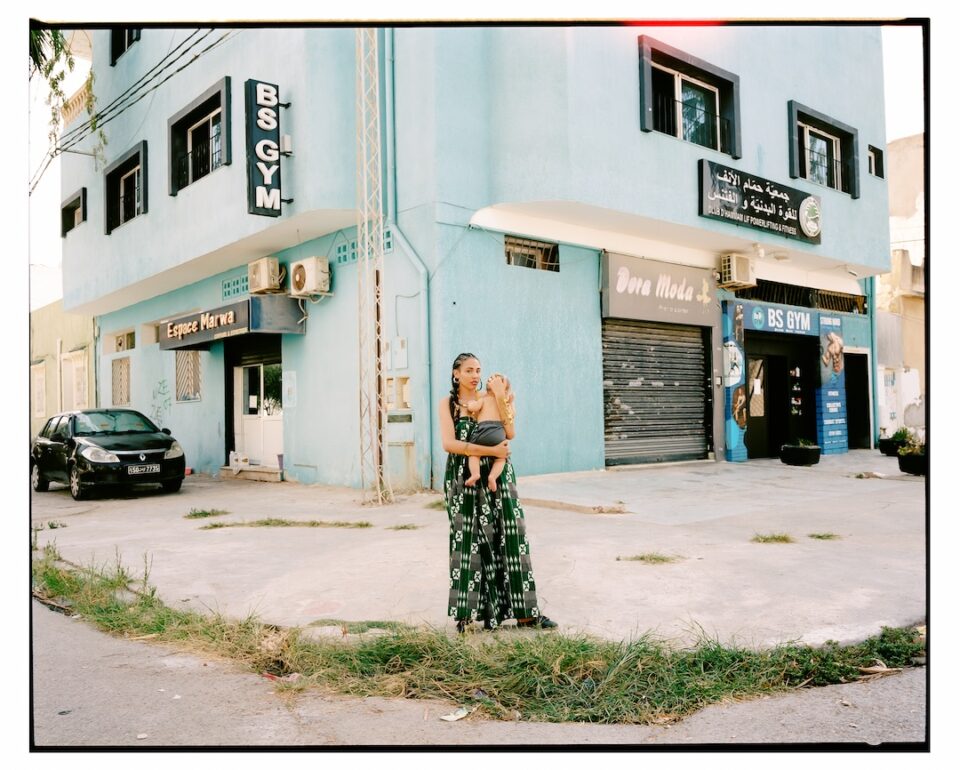
The domestic environment is already central to Magroun’s earlier series Intimacy, which provides an important foundation for understanding the exhibition. The project began with a photograph of his mother and stepfather together in their bedroom, developing into a collection of portraits exploring love and physical closeness among first-generation immigrants. Its emphasis is on the everyday gestures through which relationships are formed and sustained: proximity, affection and the quiet familiarity of shared spaces. These images move away from the more conventional photographic treatment of migration through displacement, hardship or social difference, allowing tenderness to become a subject in its own right. Six photographs from the series have entered the Rijksmuseum collection, bringing these intimate representations into the context of Dutch national photographic heritage. Their inclusion in Dag Nederland creates a dialogue between the private and the public, suggesting that a country’s identity is also shaped within its homes, relationships and inherited family histories.
Questions of performance and constructed identity introduce another productive comparison with Franco-Cameroonian photographer Samuel Fosso. In African Spirits (2008), Fosso transforms himself into influential figures from African and African diasporic political history, including Angela Davis, Malcolm X and Patrice Lumumba. Carefully recreating their clothing, hairstyles and photographic poses, he draws upon images already embedded in collective memory. The resulting portraits operate through a double act of recognition: viewers encounter the historical figure while remaining conscious that it is Fosso performing the role. Magroun’s approach is less concerned with impersonation or historical reconstruction; his subjects appear as themselves, situated in scenes that reconsider the cultural meanings of the Netherlands. Nevertheless, both artists expose the constructed nature of photographic identity, revealing how setting, gesture, costume and visual memory influence the way people are understood.
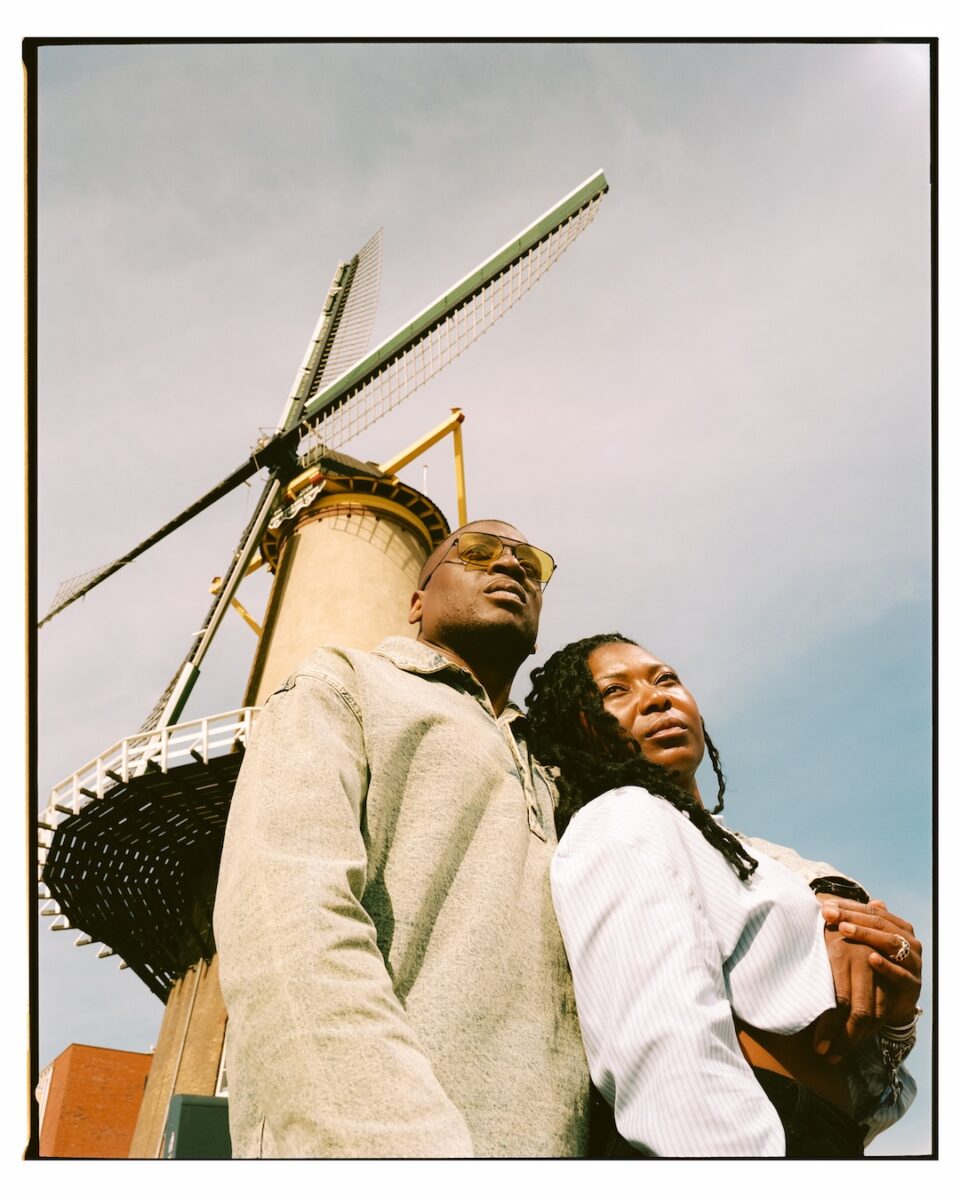
Magroun’s earlier project Jonge Moslims (Young Muslims) approaches the question of representation through a different set of circumstances. Produced alongside interviews by journalist Somajeh Ghaeminia for Dutch newspaper Trouw, the series focuses on individuals whose identities are frequently interpreted through assumptions about religion and cultural affiliation. Rather than allowing these categories to determine the portraits, Magroun directs attention towards the people themselves. Their personalities, ambitions and everyday experiences resist the tendency to treat religious identity as a complete description of an individual. The project also reveals the limitations of media imagery that reduces complex communities to political controversy or familiar stereotypes. Viewed alongside the newly commissioned photographs, Jonge Moslims shows how Magroun’s interest in personal representation has gradually developed into a wider examination of the images through which Dutch society understands itself.
These varied approaches place Dag Nederland in a wider reconsideration of photography’s relationship with cultural memory. Portraiture has historically served as a means of documenting and classifying individuals, frequently reinforcing social hierarchies through the unequal distribution of visual power. Contemporary practitioners have challenged these traditions through different strategies. Muholi’s serial portraits establish an archive where one was previously missing; Weems uses theatrical repetition to reveal the complexity of domestic and social roles; Fosso appropriates the visual language of historical portraiture to question the production of cultural icons. Magroun’s intervention operates through the reconstruction of national imagery itself. His images do not simply introduce other subjects into familiar settings; they reconsider the cultural assumptions that initially make those settings appear representative.
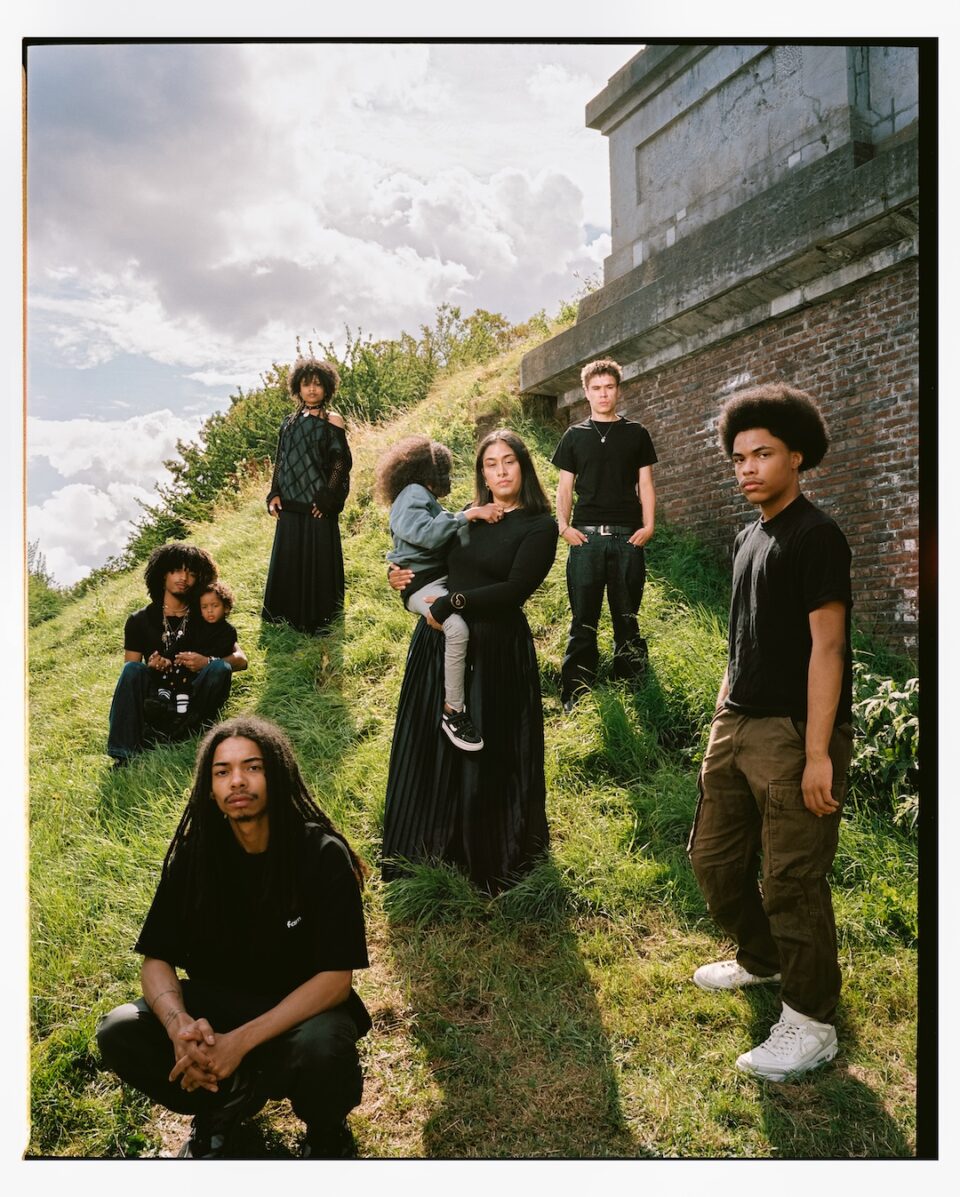
The Nederlands Fotomuseum’s presentation brings these concerns into focus by placing earlier and recent projects in dialogue. Intimacy and Jonge Moslims establish the importance of family, personal encounter and individual experience in Magroun’s practice, while the newly commissioned images extend these interests into the national landscape. This arrangement allows viewers to recognise continuities without suggesting that the artist’s concerns have remained unchanged. There is a movement from the close observation of relationships towards a more expansive examination of the cultural space in which those relationships exist. Zippora Elders, General and Artistic Director of the Nederlands Fotomuseum, describes Magroun’s approach as showing “a discerning and moving sensitivity to intimacy and imagination”. Her observation points to an important quality of the exhibition: its combination of social attentiveness with a willingness to construct images that move beyond a simple documentary description. The museum’s announcement does not identify an individual exhibition curator, but the presentation establishes a clear dialogue between different periods of the photographer’s career.
Magroun’s appointment as Fotograaf der Nederlanden (Photographer of the Netherlands) in 2022 provides further context for this investigation. The position offered an opportunity to photograph the country from multiple perspectives, a responsibility that now informs the exhibition’s reconsideration of Dutch self-image. His attention to landscape is quite significant. National photography has often relied on recognisable geographical and architectural features to establish a sense of continuity, presenting the country as a coherent cultural space. Magroun retains these visual traditions but questions the narrowness of their established meanings. By introducing different experiences into familiar settings, he transforms the landscape from a seemingly fixed expression of heritage into a site of cultural negotiation.
Dag Nederland considers what happens when the people who inhabit a country participate in shaping the images through which it is understood. Magroun’s images bring the intimacy of family life, the recognisability of national symbols and the constructed nature of photographic representation. Their significance lies in the tension between these elements: a familiar landscape can accommodate unfamiliar histories, while an established symbol can acquire meanings its typical use has obscured. The exhibition does not attempt to resolve what it means to be Dutch, or offer a singular alternative definition. Rather, it challenges the notion that a nation should have one recognisable face. The Netherlands that emerges is not a finished portrait, but an evolving image shaped by the people, histories and experiences that constitute it.
Dag Nederland is at Nederlands Fotomuseum, Rotterdam, from 11 December to 11 April.
Words: Anna Muller
Image Credits:
Sayyara ḥamra, sama zarqa – Dag Nederland, 2026 © Marwan Magroun
2. I am you – Dag Nederland, 2026, © Marwan Magroun
3. Es-Siha – Dag Nederland, 2026 © Marwan Magroun
4. Sourhene and son, Hammam Lif, uit de serie Tunsesian Courtyard, 2025 © Marwan Magroun
5. Jeter son bonnet par-dessus le moulins – Dag Nederland 2026, © Marwan Magroun
6. FAM – Dag Nederland, 2026 © Marwan Magroun