This spring, Malta Biennale returns for its second edition. Launched in 2024, the event lies at the intersection of contemporary art and cultural heritage, marrying the two together through its exhibitions and historic venues. Across 11 weeks, museums and sites are transformed, adding new layers to the country’s already complex and colourful history, turning the Maltese Islands into a melting pot of international artistic activity. The 2026 theme is Clean | Clear | Cut, with 130 artists from 43 nations presenting work that tackles the topic. Mario Cutajar, Biennale President and Heritage Malta Chairman, says: “The second edition of the Biennale is going to cement the future of this international contemporary art platform. At its core, the Biennale seeks to revisit the past in ways that inspire artists to reflect on the present, by fostering dialogue within society and deepening our collective understanding of today’s world.”
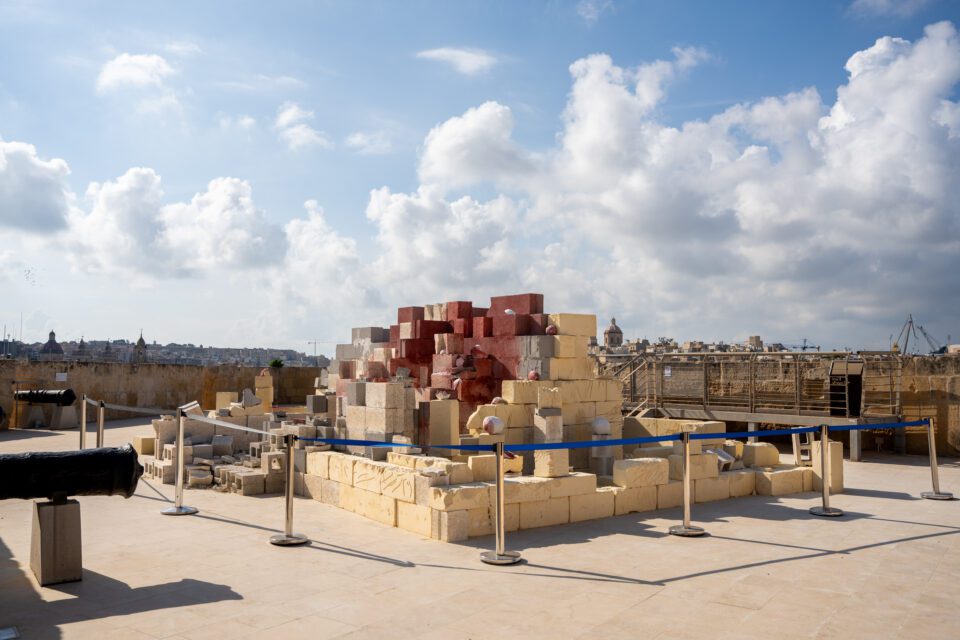
There is a beautiful harmony between the locations and the art, carefully chosen by curator Rosa Martínez. She explains: “The selected projects will relate to the narratives embodied in each of the Heritage Malta venues. For instance, for the Inquisitor’s Palace, I will select artists that try to bring to light the wisdom that the Inquisition tried to repress through centuries. The issues of crime and punishment, the power to decide on life and death, will be analysed to reflect on his ideologies control our lives. In the Maritime Museum there will be projects pointing to the happenings in international waters, where the law of the different countries is suspended in favour of international regulations.” A prime example is Anastasia Ax’s installation at Fort St Angelo. The Swedish artist explores processes of rupture, breakdown and transformation. Settlers (Malta), is the latest in an ongoing Settlers series that include site-specific works in Norrtälje, Stockholm and Paris, each one unfolding through physical actions that active the material.
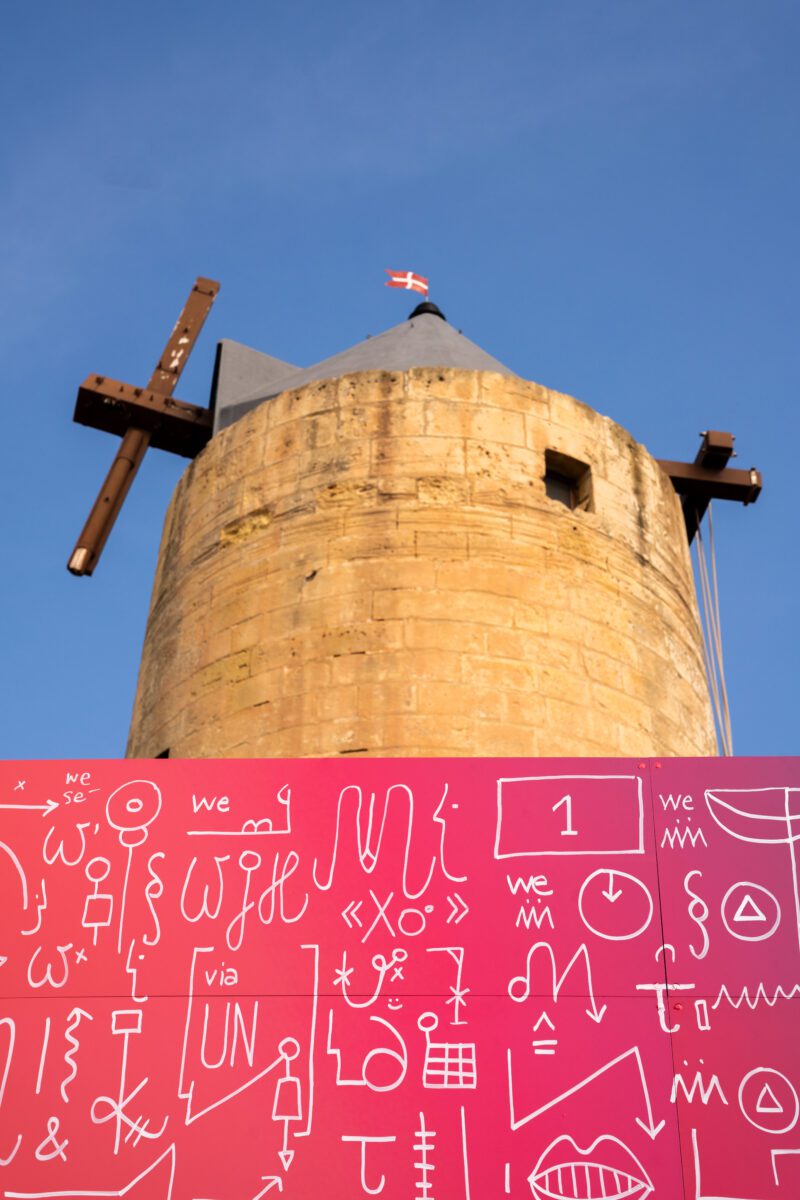
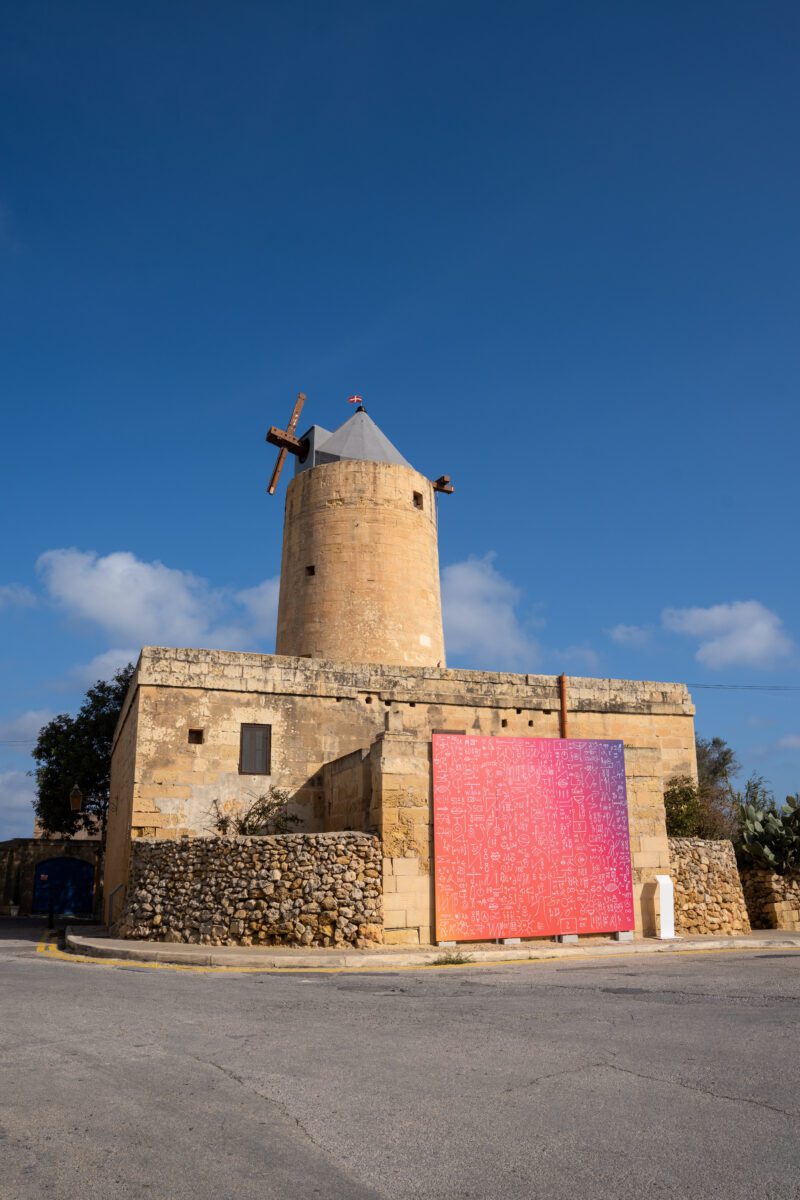
Elsewhere, performance artist Sachinko Abe presents Cut Papers, a work that explores time, discipline and embodied concentration. In it, Abe slices through white paper, the sound of scissor blades acting as the only measure of time passing. The piece has been presented in 23 cities across 11 countries. Emily Jacir’s interdisciplinary practice spans film, photography, installation, performance, sound and text. Her work explores personal and collective movement through time and public space, examining trans-Mediterranean geographies and temporalities. Meanwhile, Melita Couta creates hollow ceramic vessels described as “fossils in reverse,” reimagining the past in a way that considers local and personal histories.
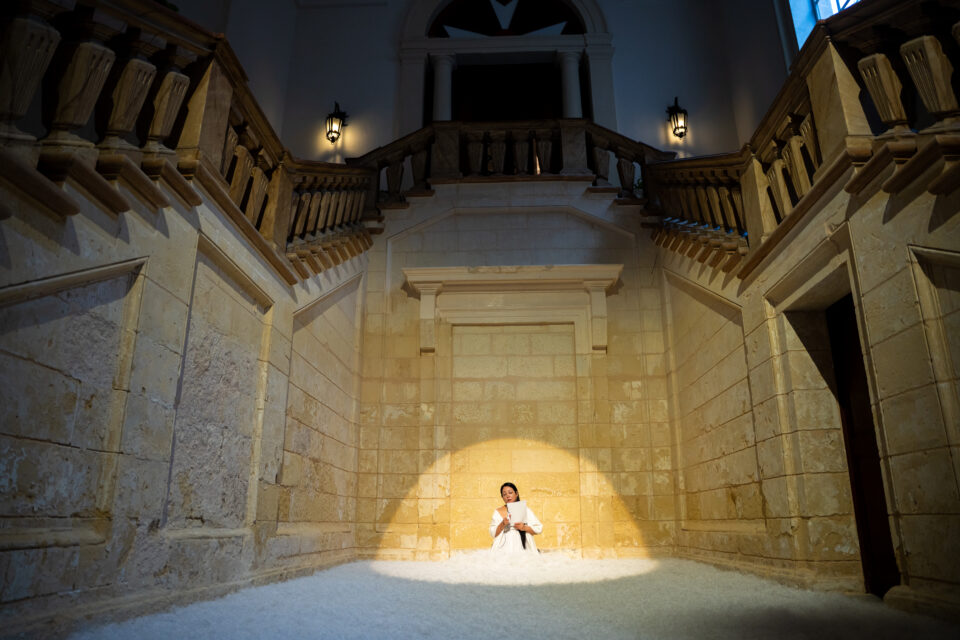
Malta Biennale is a shining example of what can be achieved when contemporary art is blended with local history. It’s an event that only seems to be growing in confidence, with an edition that is bigger and better than the last. Here, visitors are guaranteed to discover something new, or find themselves looking at something familiar from an entirely different perspective. Across the 11 weeks, international artists transform the country into a vibrant hub of creativity, immersing audiences in all that Malta has to offer.
Malta Biennale 2026 runs until 31 May: maltabiennale.art
Words: Emma Jacob
Image Credits:
1&4. © Bettina Hutschek.
2. © Anastasia Ax.
3. © Bettina Hutschek.
5. © Sachiko Abe.