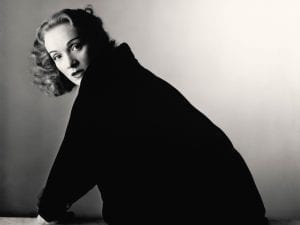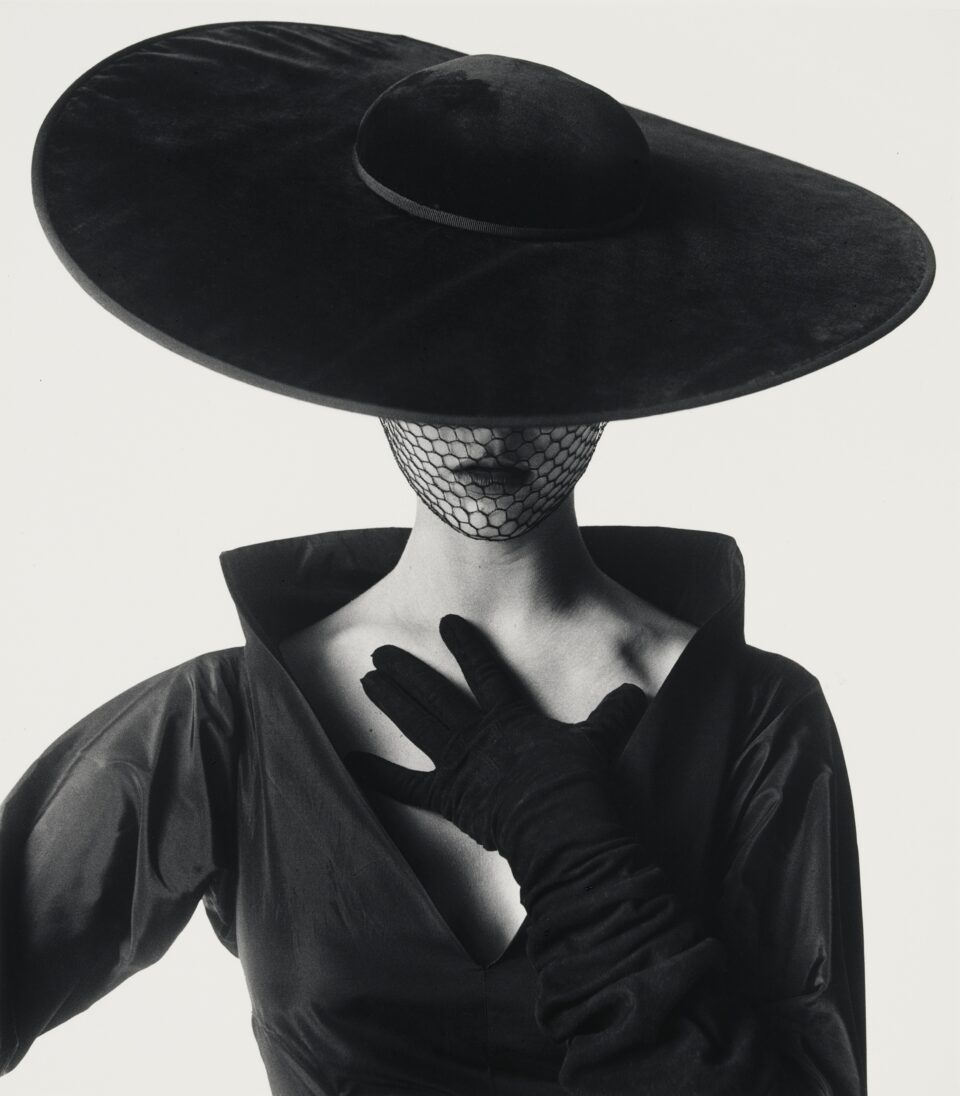
Fashion is more than clothes. It is a language of status, desire, identity and disappearance, a system in which bodies and objects are arranged to produce images that outlive their original moment. PENN & FASHION, opening the Maison Européenne de la Photographie’s 30th anniversary season, approaches this tension through Irving Penn’s six decades of work for Vogue, setting his photographs against a contemporary programme concerned with memory, intimacy and unstable forms of representation. Penn’s achievement lies partly in having made the commercial image feel strangely autonomous, stripping fashion of its narrative machinery until silhouette, gesture, surface and gaze become subjects in themselves. However, this apparent simplicity is not neutral: it raises questions about authorship, power and the complicated relationship between art and the industries that produce its images.
Penn’s photographs emerged from a particular modernist belief in economy. Trained in graphic design under Alexey Brodovitch, and later brought into Vogue by Alexander Liberman, he understood the page as a space of visual tension in which every element had to justify its presence. His response to fashion was consequently very different from the elaborate theatricality associated with earlier generations of image-makers, replacing fantasy settings with a concentrated encounter between garment, sitter and camera. Such restraint matters because it relocates fashion photography from spectacle towards attention, asking how little an image needs before it begins to acquire the authority of a portrait. Penn’s formal economy was not an absence of artifice, but a highly deliberate construction of it.
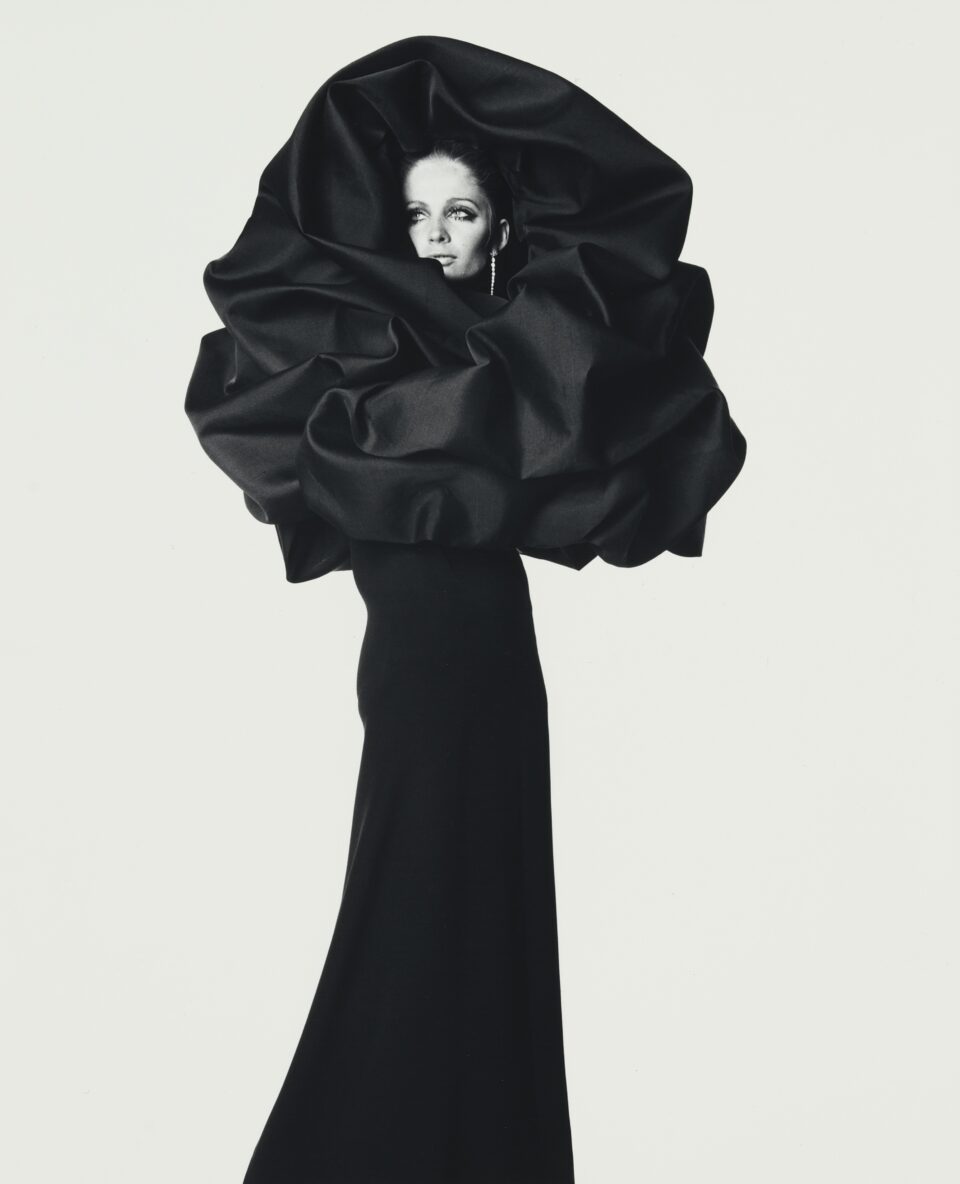
That question becomes especially vivid in the photographs made in Paris in 1950. Penn installed himself in a naturally lit studio on the Rue de Vaugirard and photographed designs by Balenciaga, Lafaurie and Rochas, frequently with Lisa Fonssagrives as his principal model. A dress such as Cocoa-Colored Balenciaga Dressdoes not depend upon elaborate storytelling; its power comes from the relation between Fonssagrives’s poised body, the architectural volume of the garment and the controlled space surrounding them. Balenciaga’s sculptural approach was particularly suited to Penn’s method, allowing fabric to become almost architectural rather than merely decorative. Here fashion approaches sculpture, while photography is an act of translation – converting movement, material and construction into a fixed image.
Fonssagrives also complicates the familiar hierarchy between photographer and model. She was not simply an anonymous body deployed to animate clothing, but a pioneering model, artist and collector whose relationship with Penn extended into marriage and whose photographs now form part of the exhibition’s wider archival story. Her presence is particularly striking beside Penn’s portraits of other figures from the fashion world, including Jean Patchett, Christian Dior, Elsa Schiaparelli and Charles James. Rather than separating fashion photography from portraiture, Penn repeatedly allowed the two genres to overlap, giving the sitter an intensity that could exceed the commercial purpose of the commission. His studio becomes, in this sense, less a backdrop than a psychological instrument – a controlled environment in which personality is made visible through posture, expression and restraint.
Such compression also explains why Penn’s work remains relevant to contemporary debates around the status of fashion photography. For decades, photography produced for magazines or advertising was treated as culturally secondary to supposedly autonomous art, even though editorial images often shaped public ideas about beauty, gender and modernity more powerfully than museum photography. Penn unsettles that distinction because his commissions retain their commercial origins while possessing the formal density of independent artworks. His later platinum-palladium printing practice intensified this contradiction, turning images first encountered through the disposable rhythm of the magazine into carefully considered photographic objects. What looks like an effortless image is therefore the result of sustained decisions about framing, printing, texture and scale.
The exhibition’s chronological structure makes this development legible without reducing Penn’s career to a sequence of stylistic periods. Curated by Pascal Hoël, in collaboration with Frédérique Dolivet, PENN & FASHION moves from 1947 to 2008, bringing together works from the MEP and Nicola Erni Collection alongside loans from the Irving Penn Foundation and the Miyake Issey Foundation. Facsimiles of Vogue place individual photographs back within their editorial conditions, an important curatorial decision because it resists the retrospective tendency to detach celebrated images from the systems in which they originally circulated. Penn is presented neither as a pure artist working incidentally for fashion nor simply as a master of commercial photography. Instead, the exhibition proposes a more complicated figure – one who transformed the constraints of editorial production into a distinctive visual language.
Penn’s travels deepen that complication. His 1948 journey to Peru began as a Vogue assignment, but his subsequent photographs in Cuzco shifted towards portraits of Quechua people whose clothing and presence became central to the series. The neutral backdrop, natural light and careful attention to posture establish an aesthetic continuity with his fashion work, suggesting that adornment itself can become a subject independent of Western couture. Yet this is where contemporary viewers may pause, because the language of beauty and the history of ethnographic photography are not innocent categories. Penn’s formal language may grant his sitters a powerful presence, but it subjects cultural difference to the same aesthetic system he applied to fashion – a tension that deserves to remain visible rather than resolved.
A similar tension runs through Small Trades, produced alongside Penn’s Paris fashion assignments. Street vendors, artisans and labourers entered the same studio space as celebrated models. Such equivalence can be read as democratic, since occupational clothing receives the same formal attention as haute couture, but it also reveals how easily different social identities can be transformed into aesthetic types. Penn’s gift was to see clothing as a carrier of character – yet his controlled compositions could also remove people from the environments that gave their clothing meaning. The result is both compelling and uneasy, a reminder that the studio’s apparent neutrality is always constructed.
That constructed quality becomes almost surreal in the 1974 project Inventive Paris Clothes. Fascinated by historical garments displayed in Diana Vreeland’s Costume Institute exhibition, Penn photographed designs by Poiret, Vionnet, Chanel, Schiaparelli and Madame Grès on resin mannequins inside a museum gallery transformed into a studio. Without living models, fashion becomes a study of absence, with fabric retaining its capacity to suggest a body even when the body itself has disappeared. Penn’s interest in clothing therefore exceeds its function as something worn: garments become vessels of memory, cultural history and imagined identity. His images anticipate a contemporary fascination with fashion archives, in which preservation can be as creative an act as design itself.
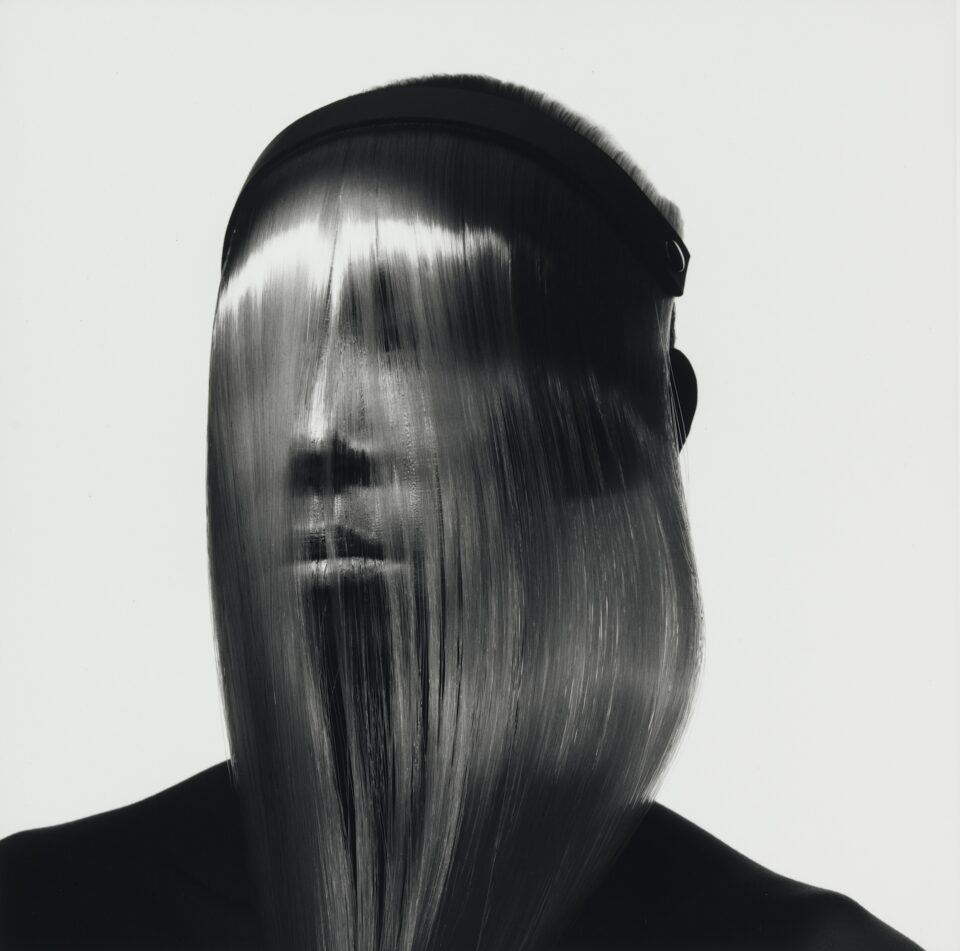
Issey Miyake offered another route into this relationship between garment and image. Their collaboration, extending from 1986 to 1999, was unusually intimate: Penn received Miyake’s clothes in New York without attending the designer’s shows, photographed them in his studio and returned the Ektachromes to Tokyo. Miyake’s sculptural forms seemed almost conceived for Penn’s reductionist eye, while the resulting photographs allowed the designer to perceive his own work through another medium. More than sixty posters created by Ikko Tanaka from Penn’s colour photographs further demonstrate how an image can become part of fashion’s design ecosystem rather than simply documenting it. Photography here is not an afterthought to fashion – it becomes one of the ways fashion acquires cultural memory.
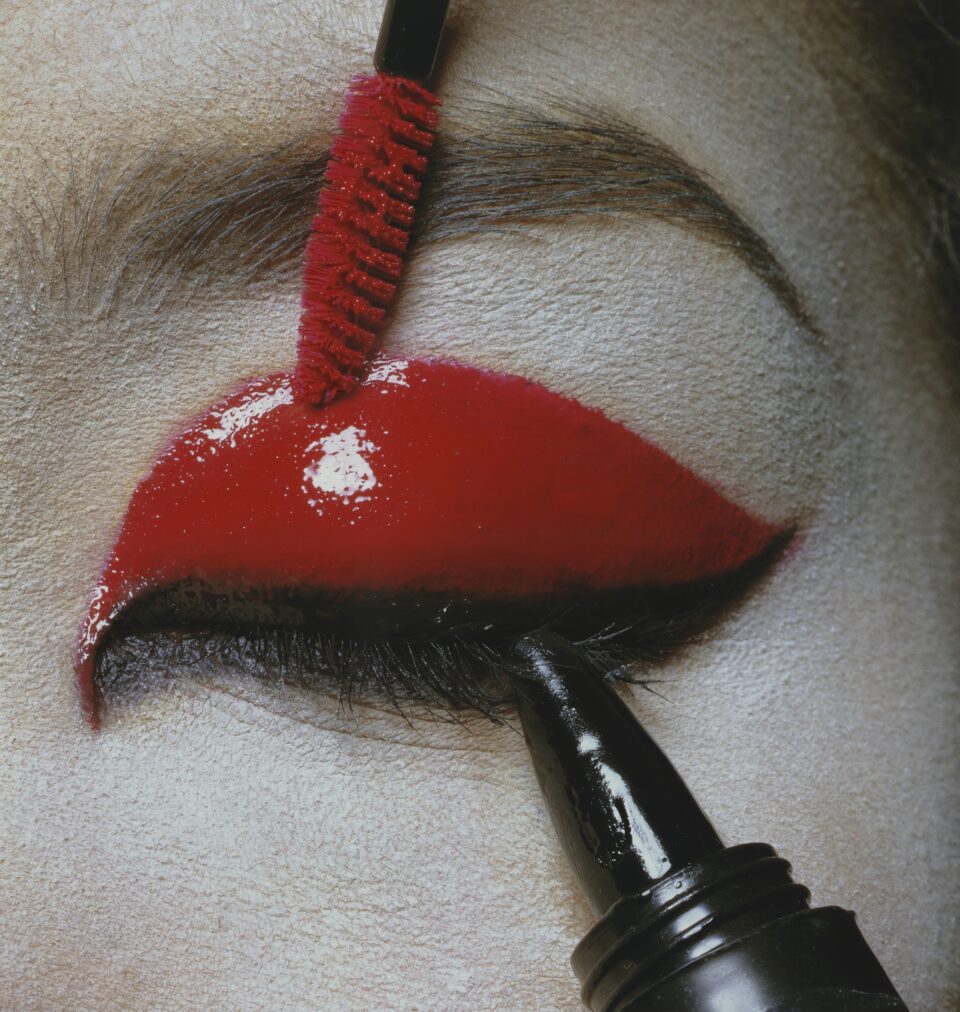
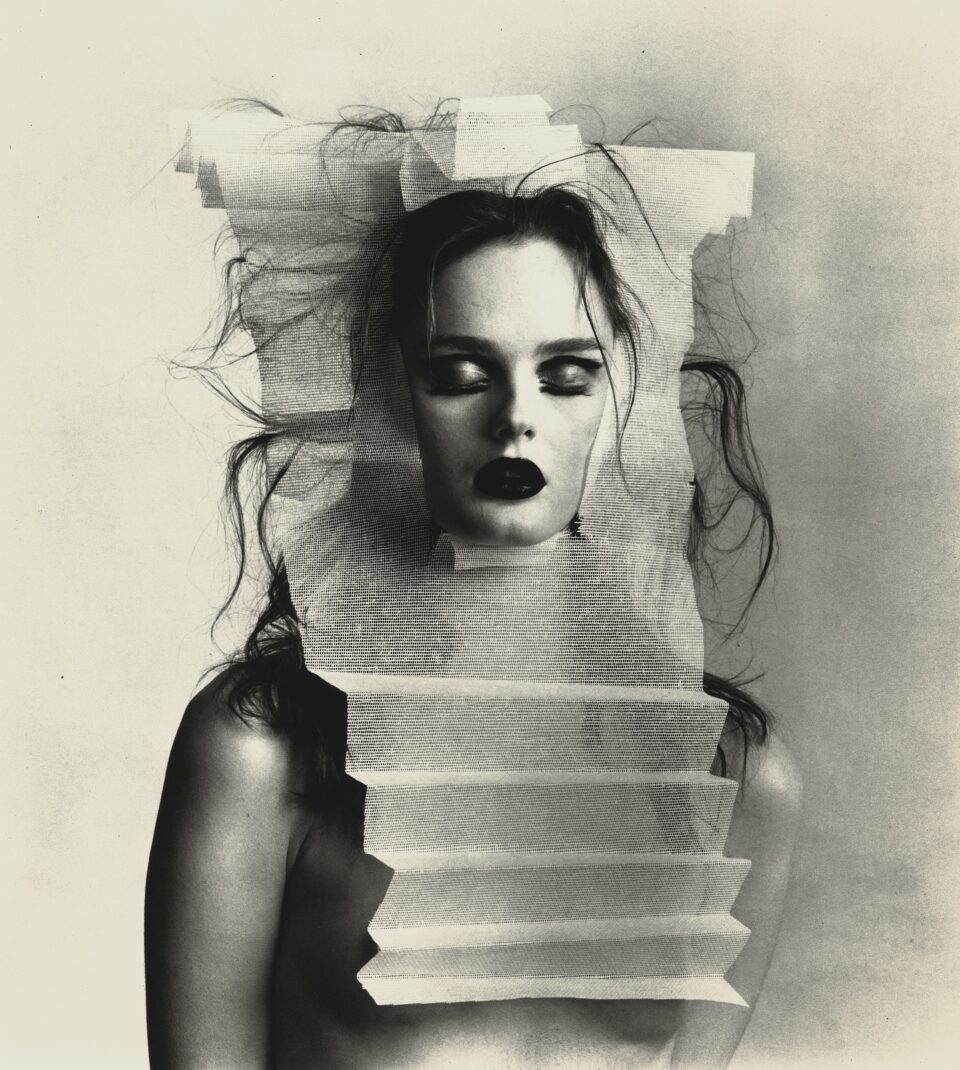
Colour becomes increasingly important in Penn’s later work, particularly in photographs of John Galliano, Christian Lacroix and Karl Lagerfeld, where theatrical references and historical excess challenge his earlier austerity. His images for Vogue’s beauty pages push this further, using humour, Surrealism and visual disturbance to make familiar rituals appear strange. Beauty Treatment with Gauze Mask, for example, turns skincare into a kind of transformation, recalling Penn’s longstanding fascination with masks while questioning the conventions through which beauty is manufactured and consumed. These photographs demonstrate why the label of “fashion photographer” is ultimately too narrow: Penn repeatedly used fashion as a point of departure for investigations into performance, artifice and appearance.
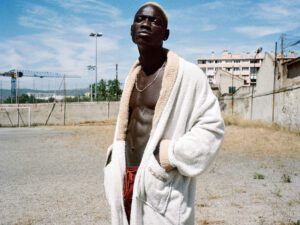
The contemporary works at the MEP shift that instability from surface to memory. Curated by Victoria Aresheva, Nanténé Traoré’s pays des merveilles turns towards Brittany, where the artist’s return to a childhood landscape becomes entangled with recollection, attachment and disappearance. Expired film stock from the 1990s produces chemically altered colours, blurred contours and ghostly images, making photographic degradation part of the work’s emotional vocabulary. Bodies become landscapes and landscapes seem to dissolve into internal states, while a film made during a residency in Albania extends the project into moving image and voice. Placed alongside Penn, Traoré offers a different understanding of photographic control – one in which instability is allowed to shape what can be seen.
This dialogue matters because the MEP is not simply presenting a historical master followed by a younger artist. It is constructing a conversation between two approaches to photography’s relationship with time: Penn’s painstaking preservation of the image and Traoré’s embrace of its deterioration. David Gilbert’s practice, positioned between photography, installation and sculpture, extends that commitment to photography as something materially expansive, although the exhibition information gives less detail about his presentation than it does about Penn and Traoré. Together, the programme suggests that photography today is understood through printing, decay, installation, memory and circulation. Such an approach feels particularly apt for an institution marking three decades of collecting photography.
Penn’s enduring importance rests on a paradox. His images are amongst the most measured in 20th century photography, yet their subjects repeatedly point towards what cannot be controlled – ageing bodies, changing fashions, cultural disappearance, mortality and the unstable meanings attached to beauty. His celebrated cigarette photographs, made after he had become synonymous with couture, reveal how far his interest in surface could extend beyond glamour, transforming discarded objects into carefully printed meditations on waste and value. PENN & FASHION therefore becomes more than a celebration of an established photographic canon: it is an examination of how images move between magazine and museum, commerce and art, preservation and loss. At its strongest, this show asks us not only to admire Penn’s elegance, but to consider what it conceals, and what it permits us, with remarkable clarity, to see.
PENN & FASHION is at MEP, Paris from 30 September – 17 January: mep-fr.org
Words: Anna Müller
Image Credits:
1. Irving Penn, Fashion Photograph (Jean Patchett), New York, 1949. Nicola Erni Collection, Zug © The Irving Penn Foundation.
2. Irving Penn, Balenciaga Rose Dress, Paris, 1967. Nicola Erni Collection, Zug © Condé Nast.
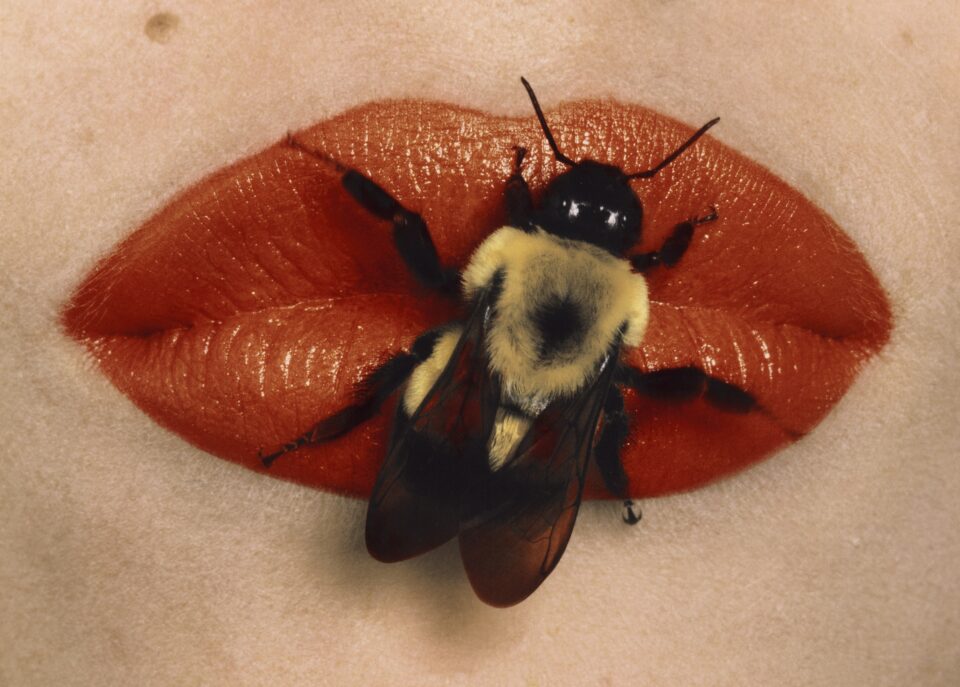
3. Irving Penn, Bee on Lips, New York, 1995. The Irving Penn Foundation Collection, New York © Condé Nast.
4. Irving Penn, Issey Miyake Fashion: Face Covered with Hair, New York, 1991. The Irving Penn Foundation Collection, New York © The Irving Penn Foundation.
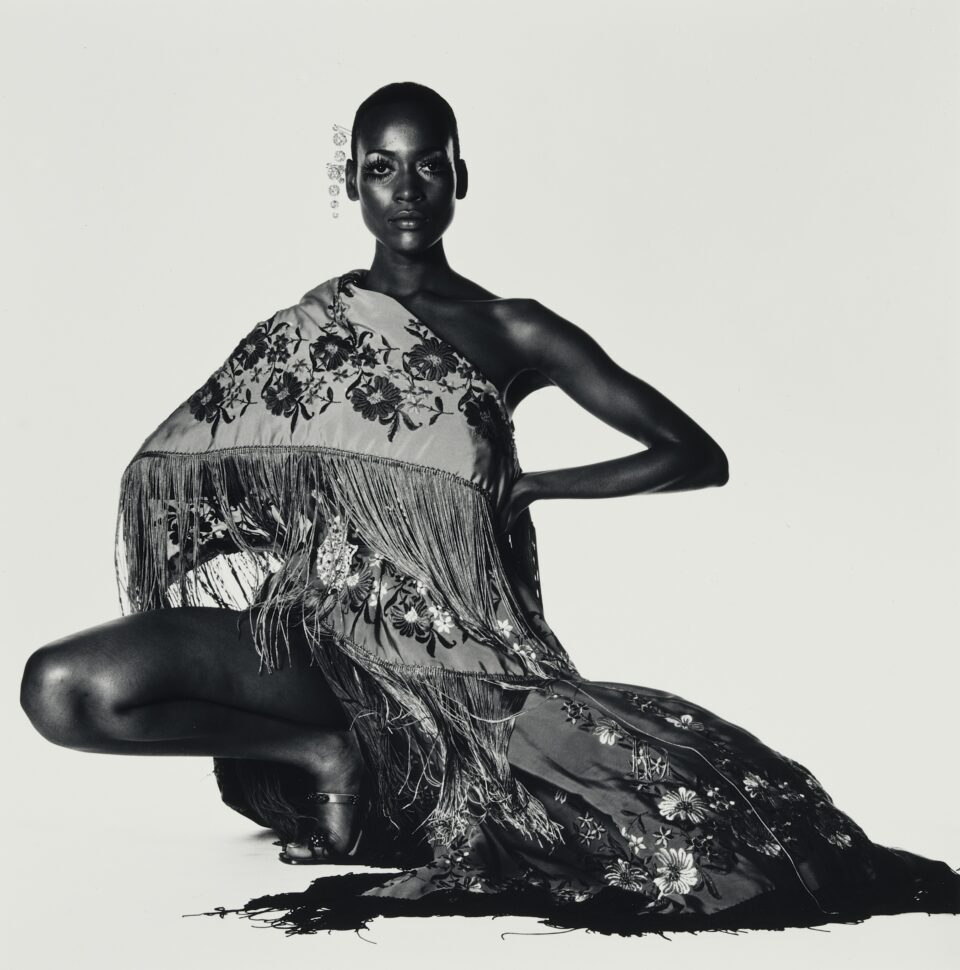
5. Irving Penn, Naomi Sims in Scarf, New York, circa 1969. The Irving Penn Foundation Collection, New York © The Irving Penn Foundation.
6. Irving Penn, Red-Lacquered Lid, New York, 1994. MEP Collection, Paris. Partial gift from The Irving Penn Foundation in 2020. © The Irving Penn Foundation.
7. Irving Penn, Young Woman with Headdress, New York, 2005. The Irving Penn Foundation Collection, New York © The Irving Penn Foundation.