Lausanne’s Photo Elysée stands at the forefront of contemporary photography, shaping the ways new voices are seen and heard on an international stage. Since the landmark reGeneration: 50 Photographers of Tomorrow, the museum has continually foregrounded emerging practitioners whose work challenges orthodox modes of seeing and opens fresh aesthetic terrain. Gen Z: Shaping a New Gaze builds on this legacy by presenting the work of 66 artists born between the mid‑1990s and early 2010s, each navigating the currents of personal history, cultural context and global upheaval in ways that feel urgent and articulate. Photography here is deployed as both investigation and assertion, reflecting how this generation encounters the world and insists on narrating its own experience. A landscape of images, rich with reflection, critique and experimentation is traversed. Each piece signals a photographic practice in dynamic evolution, affirming Photo Elysée’s ongoing role as a laboratory for new visual languages and dialogues.
The performance of identity and the negotiation of space emerge as key preoccupations for many of the artists. Delali Ayivi (b. 1996) blends fashion, portraiture and staged tableaux to interrogate race, culture and belonging. In Togo Yeye, she celebrates creative communities in Lomé, while Heimat (In Quarantine)examines notions of home in Germany from the perspective of people of colour. Her imagery merges playfulness with cultural critique, highlighting how clothing, gesture and context operate as instruments of self-expression and social commentary. By combining visual energy with conceptual depth, Ayivi exemplifies how Generation Z artists are expanding the possibilities of photography beyond documentation. These works set a vibrant, performative rhythm that resonates across the exhibition.
Exploring masculinity, vulnerability and the politics of visibility, Quil Lemons (b. 1997) captures Black queerness in ways that are tender and radical. The GLITTERBOY series reimagines masculinity through glittered portraits, asserting beauty, confidence and defiance in equal measure. These images oscillate between intimate personal narratives and broader cultural interventions, reminding viewers that portraiture can simultaneously celebrate and critique societal norms. Lemons’ high-profile commissions, including the Vanity Fair Oscars cover, bring his nuanced vision to global audiences, yet his work remains grounded in community and lived experience. Within the exhibition, Lemons’ portraits converse with the performative energy of Ayivi, expanding dialogue around identity and visibility. His photography shows how nuanced representation can destabilise entrenched ideas, while remaining deeply human.
Domesticity and observation take centre stage in Clara Belleville’s (b. 1996) work, where the quiet rhythms of everyday life become sites of reflection. Her photographs of interiors, gestures and fleeting moments – a window illuminated by sunlight, hands folded at a table – reveal subtle narratives in the ordinary. By attending to these understated details, Belleville transforms familiar spaces into arenas for contemplation, where the mundane acquires depth and significance. Her practice complements the theatricality of Ayivi and Lemons, providing a reflective cadence that urges viewers to linger and consider human experience. The meticulous attention to light, texture and gesture creates images that feel intimate and universally resonant. The exhibition explores how observation can become a form of storytelling.
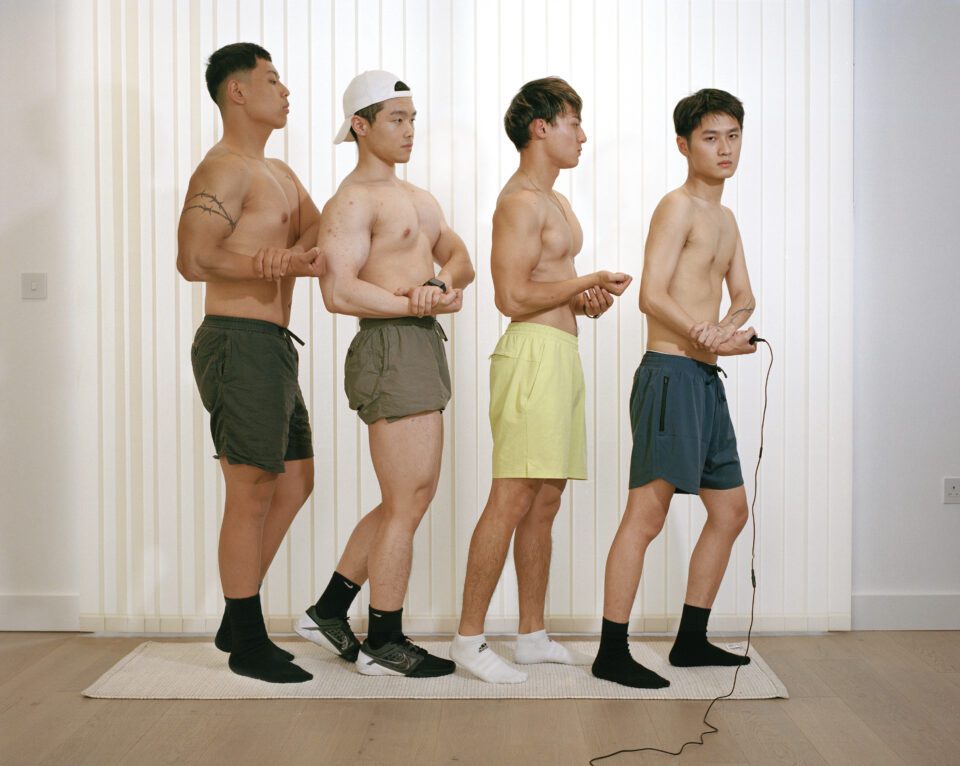
Memory, migration and spatial awareness are central in Hidhir Badaruddin’s (b. 1995) photography. Using a blend of analogue and digital techniques, he constructs scenes that hover between reality and imagination, reflecting on how transnational experience shapes perception and identity. In the series Younglawa, Badaruddin documents youth culture across shifting geographies, capturing gestures, textures and environments that feel both lived and reconstructed. The images investigate the impact of displacement, travel and cultural hybridity on how communities and individuals orient themselves in the world. Positioned alongside Ayivi, Lemons and Belleville, Badaruddin’s work expands the thematic range into temporal and spatial dimensions, offering a meditation on how movement and memory intersect.
The interplay of image, text and object defines Valerie Geissbühler Pacheco’s (b. 1999) immersive installations, which examine cultural memory and the legacies of personal and collective history. In works such as Fragments of Belonging, she layers photographs with textual and sculptural elements, creating environments that invite active audience participation. Pacheco’s approach interrogates how identity is performed, inherited and remembered, transforming the gallery into a site of exploration. By combining tactile, visual and narrative strategies, she demonstrates how contemporary artists expand the boundaries of photography into multisensory engagement. Collectively, these five voices illuminate how Generation Z artists are redefining visual culture through experimentation, reflection and cross-disciplinary innovation.
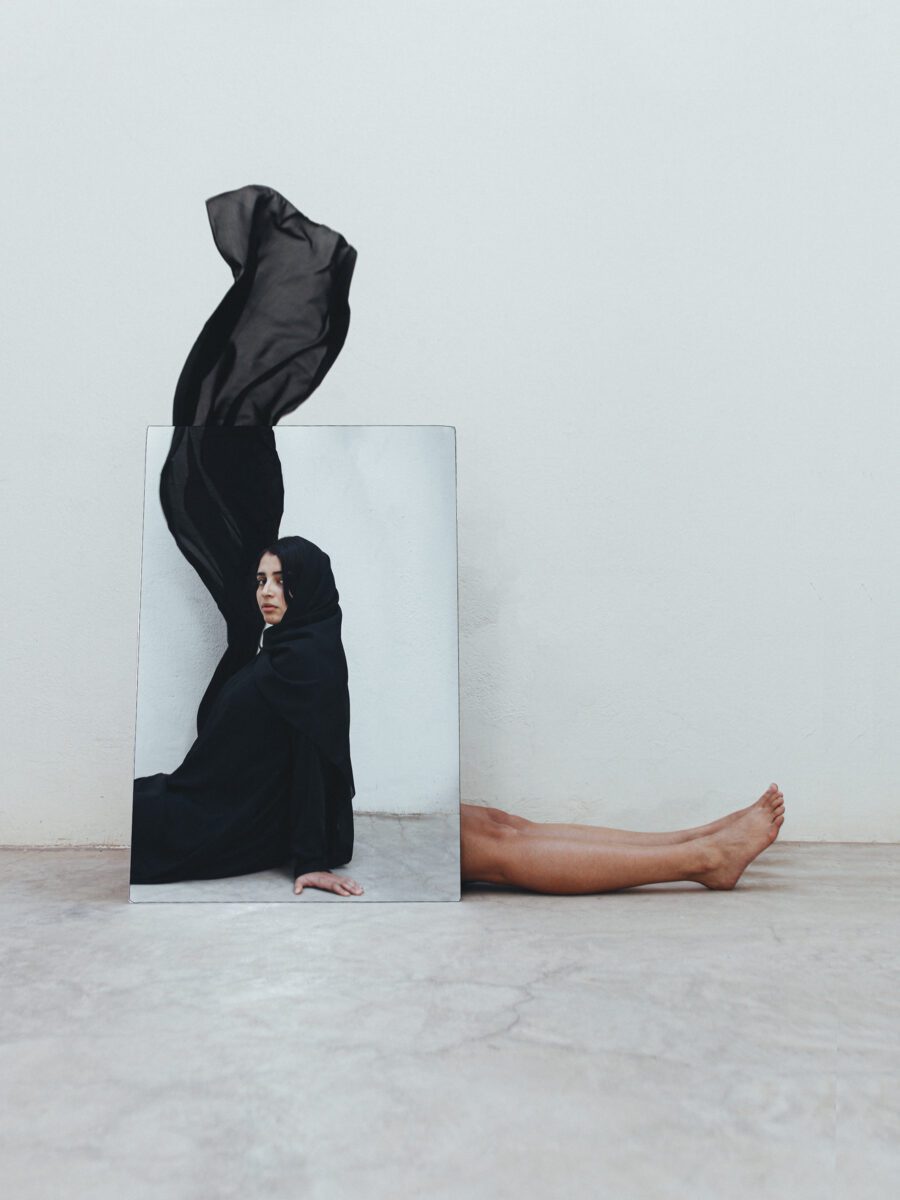
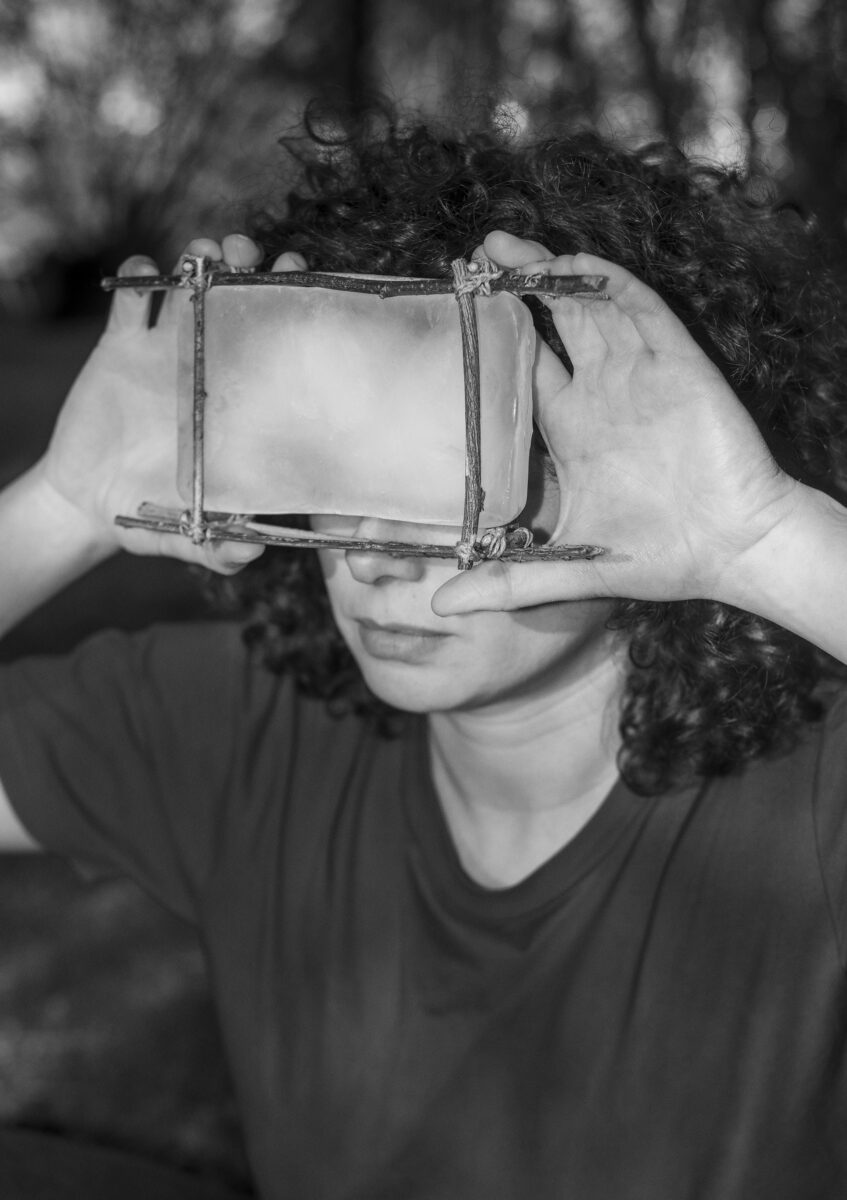
Sound plays a crucial role in shaping the exhibition experience, enhancing narrative and emotional resonance across works. Ayivi pairs imagery with energetic, playful soundscapes that heighten performative elements, whilst Lemons’ portraits resonate with tracks that underscore intimacy and rhythm. Belleville’s domestic compositions are complemented by ambient, reflective sounds that encourage extended engagement, and Badaruddin and Pacheco use music to reinforce spatial and textural dimensions within their installations. This integration of audio reflects Generation Z’s fluency with multimedia storytelling, where visual and auditory layers are inseparable.
Supporting early-career artists is vital for sustaining a dynamic cultural ecosystem. Photo Elysée offers mentorship, exposure and institutional resources that allow breakthrough creators to experiment and develop distinctive voices. Here at Aesthetica, we follow this very same tradition through the Aesthetica Art Prize. Now in its 20th year, it operates with a parallel mission, recognising artists who interrogate identity, environment and society while providing publication, exhibition and networking opportunities. Past winners have achieved residencies, gallery representation and global recognition, illustrating how early support can catalyse careers and influence cultural discourse. Both initiatives demonstrate that investment in talent ensures creative industries remain inclusive, innovative and responsive.
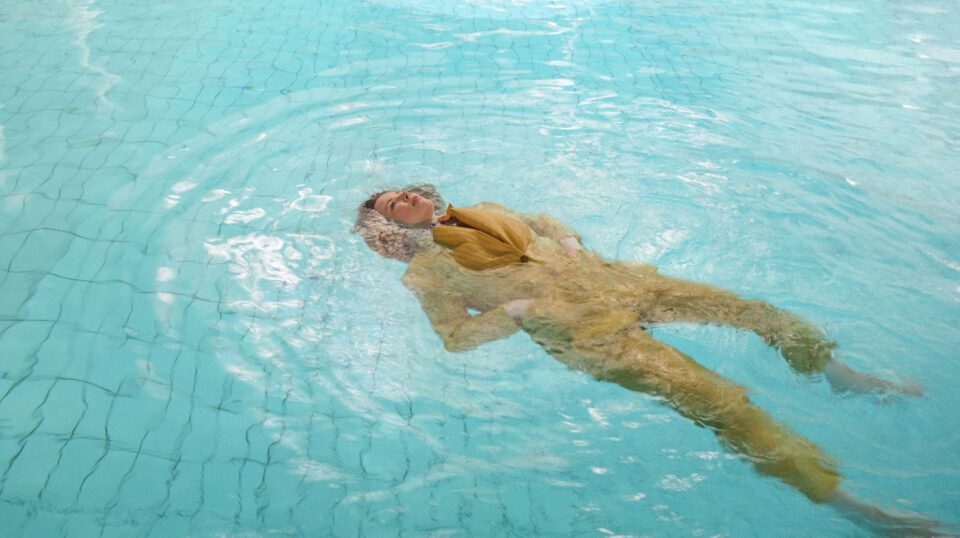
Gen Z: Shaping a New Gaze reveals a generation that is both thoughtful and audacious, using photography, installation and sound to probe social, cultural and personal terrains. The artists challenge conventional visual codes while offering new ways to perceive, empathise and connect. Together, Ayivi, Lemons, Belleville, Badaruddin and Pacheco show how contemporary photography can operate simultaneously as research, assertion and reflection. Photo Elysée’s role in facilitating these voices underscores the importance of institutional support, whilst initiatives like the Aesthetica Art Prize reinforce the need for platforms that elevate talent. In these galleries, art becomes a space of dialogue, experimentation and insight, where the next generation’s gaze defines both the present and the future of visual culture.
Gen Z: Shaping a New Gaze is at Photo Elysee, Lausanne until 1 February: elysee.ch
Words: Shirley Stevenson
Image Credits:
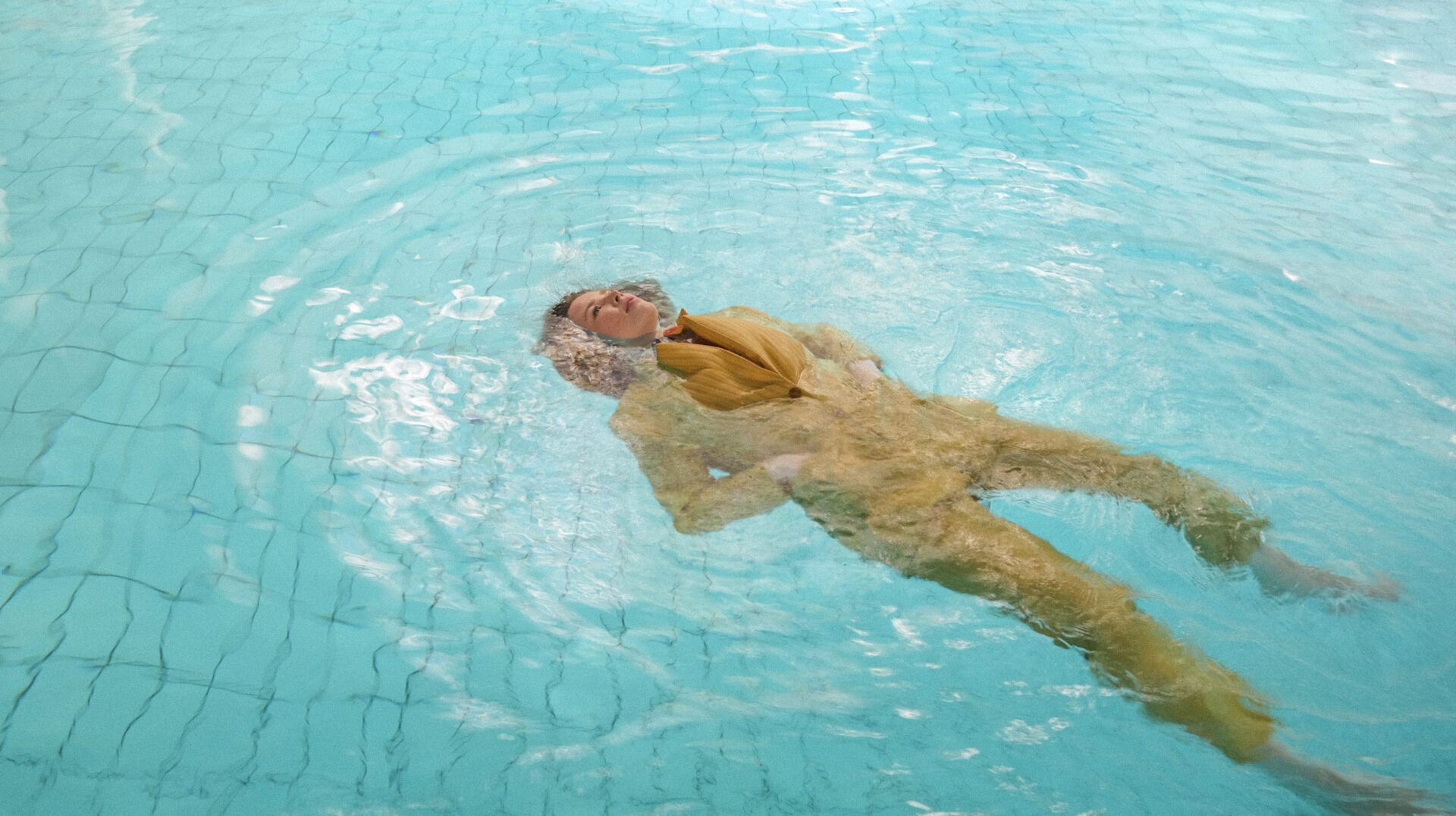
1&7. Gabriela Marciniak, Untitled 005, from the series Early Retirement, 2023 © Gabriela Marciniak, ECAL.
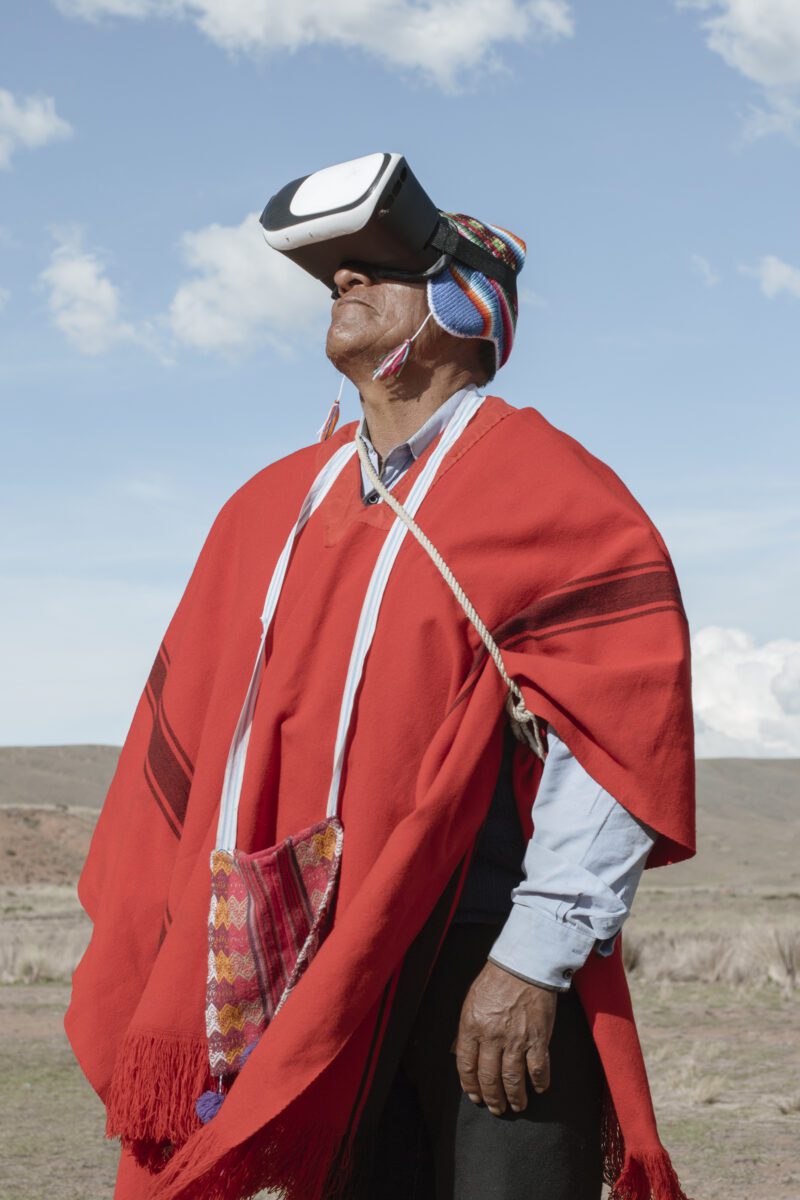
2. River Claure, Yatiri, Puma Punku, Bolivia, 2019, from the series Warawar Wawa (Son of The Stars), 2019-2020 © River Claure.
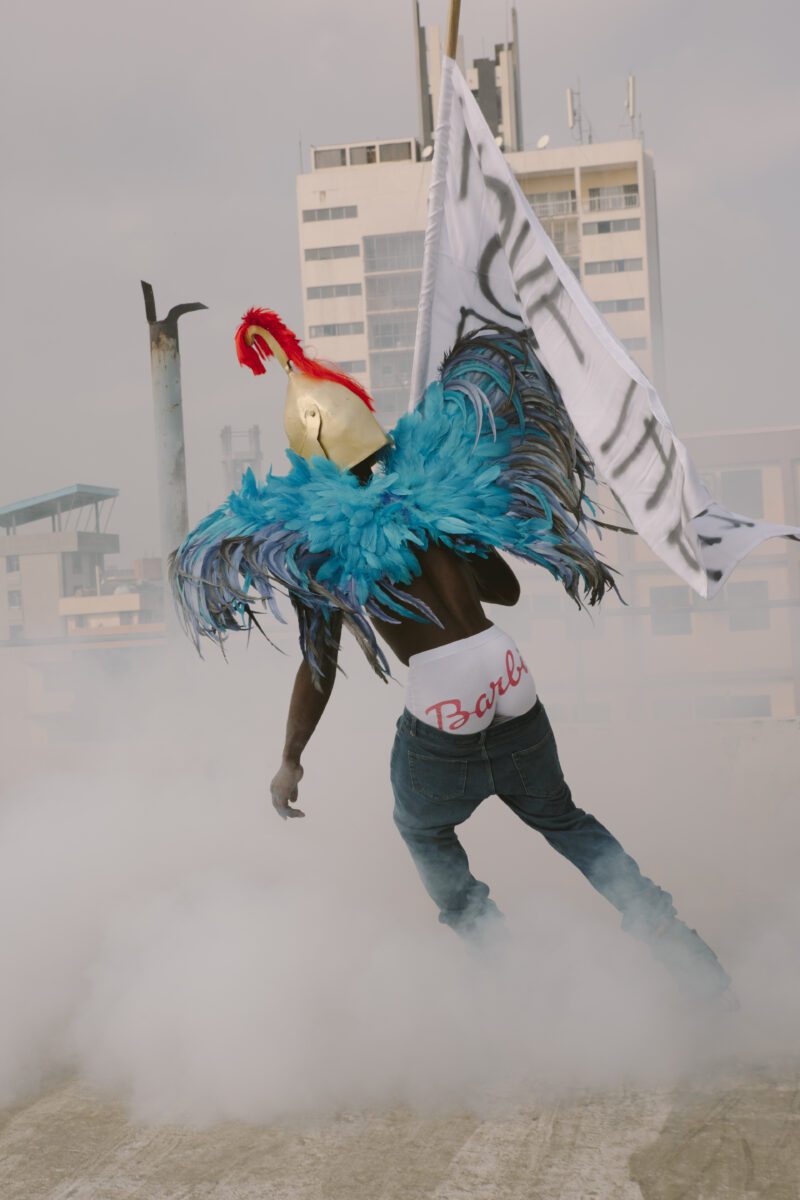
3. Daniel Obasi, from the series Beautiful Resistance, 2022 © Daniel Obasi.
4. Ziyu Wang, Lads, from the series Go Get’Em Boy, 2022 © Ziyu Wang.
5. Fatimazohra Serri, Half Seen, Half Imagined, 2023 © Fatimazohra Serri.
6. Chloé Azzopardi, Untitled, from the series Non Technological Devices, 2023– © Chloé Azzopardi.