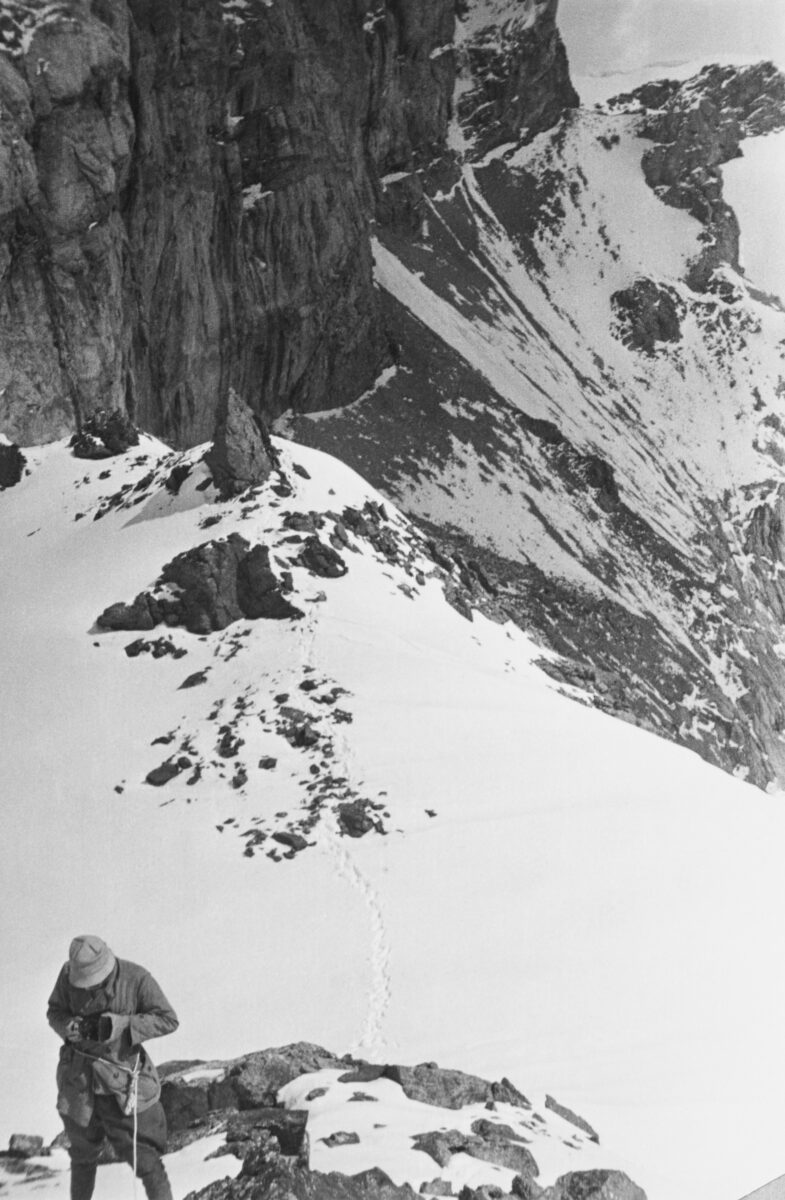
The history of photography is often written through movements, technologies and aesthetics, yet it is equally shaped by the restless individuals who carried cameras across borders in search of understanding. Travel photography has long been entangled with questions of representation, power and cultural encounter. Today, contemporary audiences revisit early documentary images not simply as records, but as layered testimonies shaped by the conditions of their time. Against this backdrop, the work of Ella Maillart stands out for its rare combination of curiosity, independence and empathy. Her photographs do not merely catalogue distant landscapes but attempt to trace the rhythms of everyday life across regions undergoing profound change. The exhibition Ella Maillart: Photographic Encounters at Photo Elysée revisits this legacy, bringing attention to a body of work that bridges exploration, reportage and anthropology.
Presented from March to November 2026, the exhibition arrives at a moment when archives and historical images are being reconsidered as active participants in contemporary discourse. The show reflects on Maillart’s journeys through Central Asia during the 1930s, an era defined by shifting political borders, emerging nation states and intensifying global tensions. Through photographs and writings produced during four major expeditions across the USSR, China, Afghanistan and Iran, the exhibition highlights the documentary significance of her work. Maillart’s camera captured markets, caravans, desert landscapes and architectural monuments alongside fleeting gestures of daily life. These images reveal both the physical terrain of Central Asia and the human relationships that shaped its cultures. In doing so, they demonstrate how photography can serve as a bridge between distant worlds.
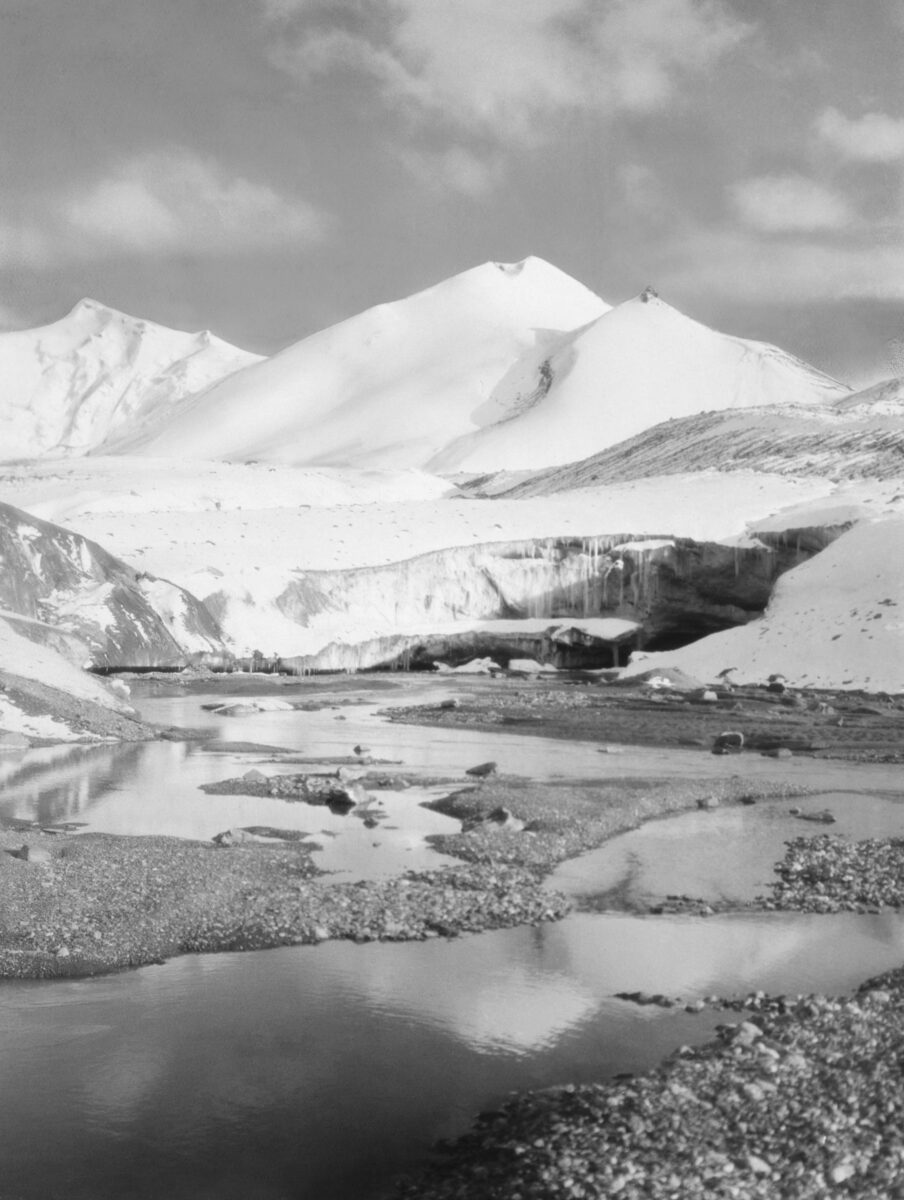
Born in Geneva in 1903, Maillart emerged as one of the most remarkable travel writers and reporters of the twentieth century. At a time when long distance exploration remained dominated by male adventurers and journalists, she pursued an independent path across regions rarely visited by European women. Her early career combined writing, journalism and photography, disciplines she approached with equal dedication. Travelling across Central Asia during the 1930s, she produced hundreds of photographs that documented communities, landscapes and political realities. These journeys established her reputation as a storyteller capable of translating experience into vivid narrative. Upon returning to Switzerland she published books, delivered lectures and continued to share knowledge gathered during her expeditions.
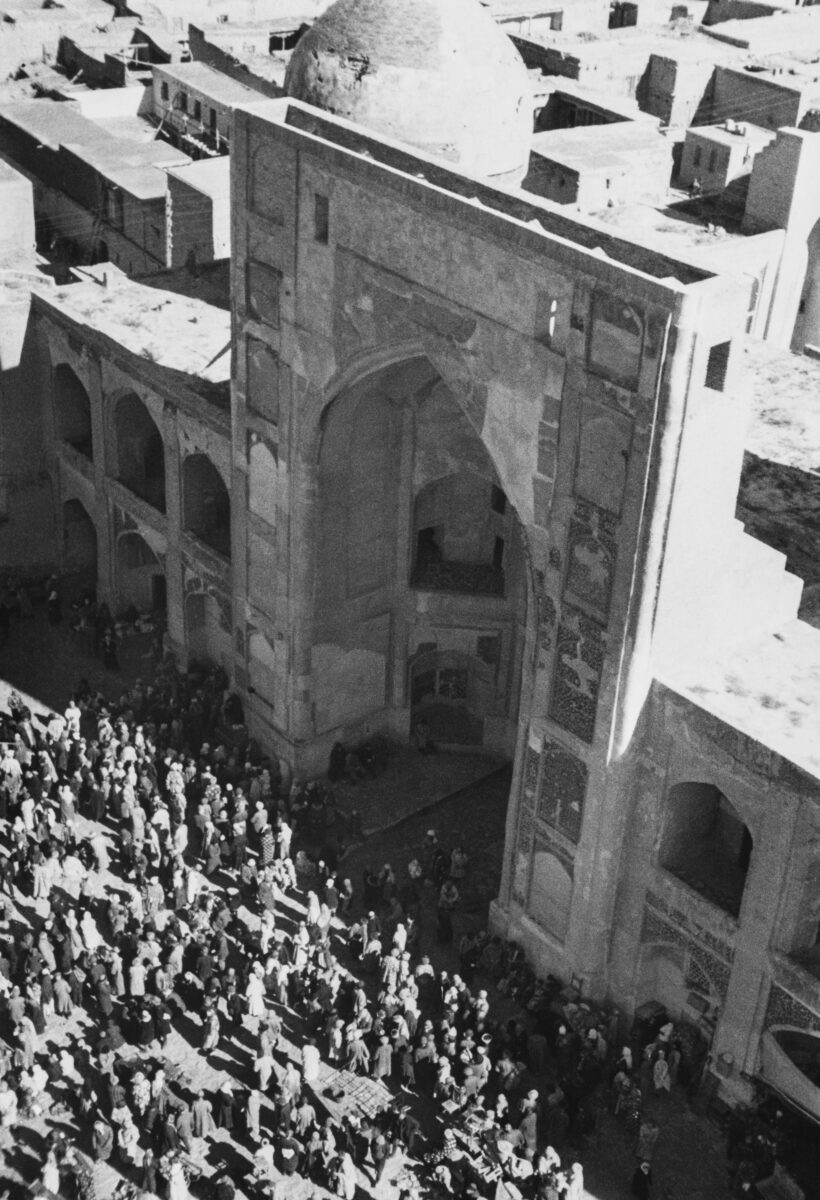
Maillart’s travels coincided with moments of immense geopolitical transformation. Her journeys through Soviet territories unfolded during the early years of rule under Joseph Stalin, while elsewhere she witnessed the emergence of Manchukuo and the shifting power structures that followed the collapse of imperial China. These events formed the backdrop to her photographs, infusing them with a historical gravity that extends beyond personal travelogue. Markets in cities such as Samarkand or Bukhara appear vibrant yet suspended within a moment of transition. Rather than framing the region through exotic spectacle, Maillart emphasised everyday interactions between people and environment. The result is work that reflects curiosity and restraint, attentive to the complexity of cultures encountered along the way.
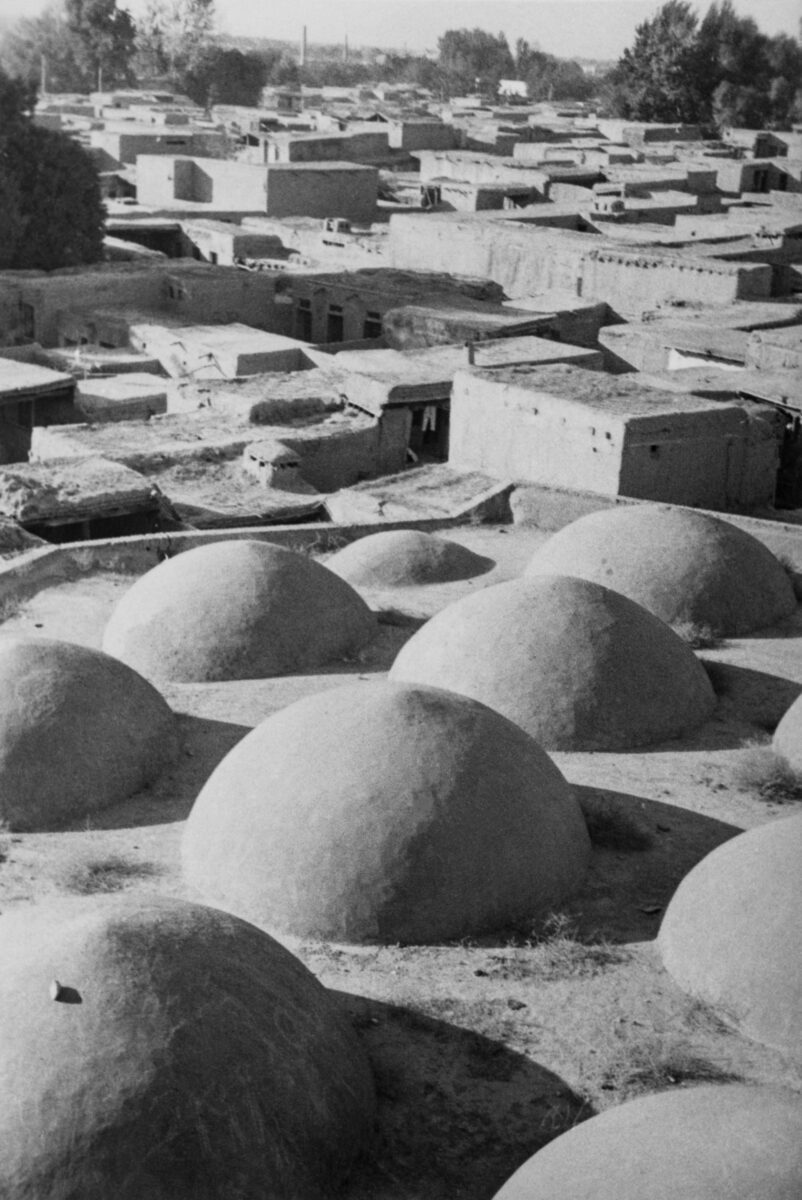
The significance of Maillart’s archive has only grown with time. In April 2025 her photographs, films and writings were inscribed on the UNESCO Memory of the World Register, recognising their global cultural value. This acknowledgement followed a joint initiative by Photo Elysée, the Bibliothèque de Genève and the Swiss National Library. The nomination was made alongside the archive of Annemarie Schwarzenbach, another pioneering female traveller whose work similarly redefined travel writing and photography. Together their archives challenge the male dominated narratives that historically framed exploration. They also underscore how visual storytelling has shaped perceptions of distant cultures across the 20th century.
Within the exhibition itself, visitors encounter a carefully assembled selection of images and archival materials that reveal the depth of Maillart’s practice. One of the most compelling elements is her extensive card catalogue, consisting of dozens of boxes filled with photographs and handwritten notes. This system allowed Maillart to organise more than a thousand images while reflecting on the journeys that produced them. Each card functions as both visual record and personal annotation, revealing the reflective process behind her documentation. Rather than presenting photography as a spontaneous act, the archive demonstrates how observation, travel and memory became intertwined. The result is an intimate portrait of a photographer who understood images as tools for cultural understanding.
The exhibition also resonates strongly with contemporary photographic practice. Artists today increasingly revisit themes of travel, migration and cross-cultural encounter through documentary approaches that echo Maillart’s curiosity. Figures such as Rena Effendi, Richard Mosse and Yto Barrada similarly explore landscapes shaped by political change and human movement. While their methods differ, each engages with photography as a way of revealing layered histories embedded within place. Effendi’s work traces communities across the Caucasus and Central Asia, Mosse investigates conflict zones through experimental visual technologies and Barrada reflects on cultural identity along migration routes. Their practices demonstrate how documentary photography continues to evolve, whilst remaining grounded in the tradition of the travelling observer. Seen in this context, Maillart’s images appear strikingly prescient.
What distinguishes Maillart’s photographs is the balance between distance and empathy. She approached unfamiliar environments not as spectacles to be consumed but as communities to be understood. The camera becomes a tool for dialogue rather than domination, attentive to gestures of labour, exchange and everyday resilience. This approach anticipated later shifts within documentary photography that prioritise ethical engagement and cultural sensitivity. At a time when travel imagery often reinforced colonial hierarchies, Maillart’s work instead foregrounded human connection.
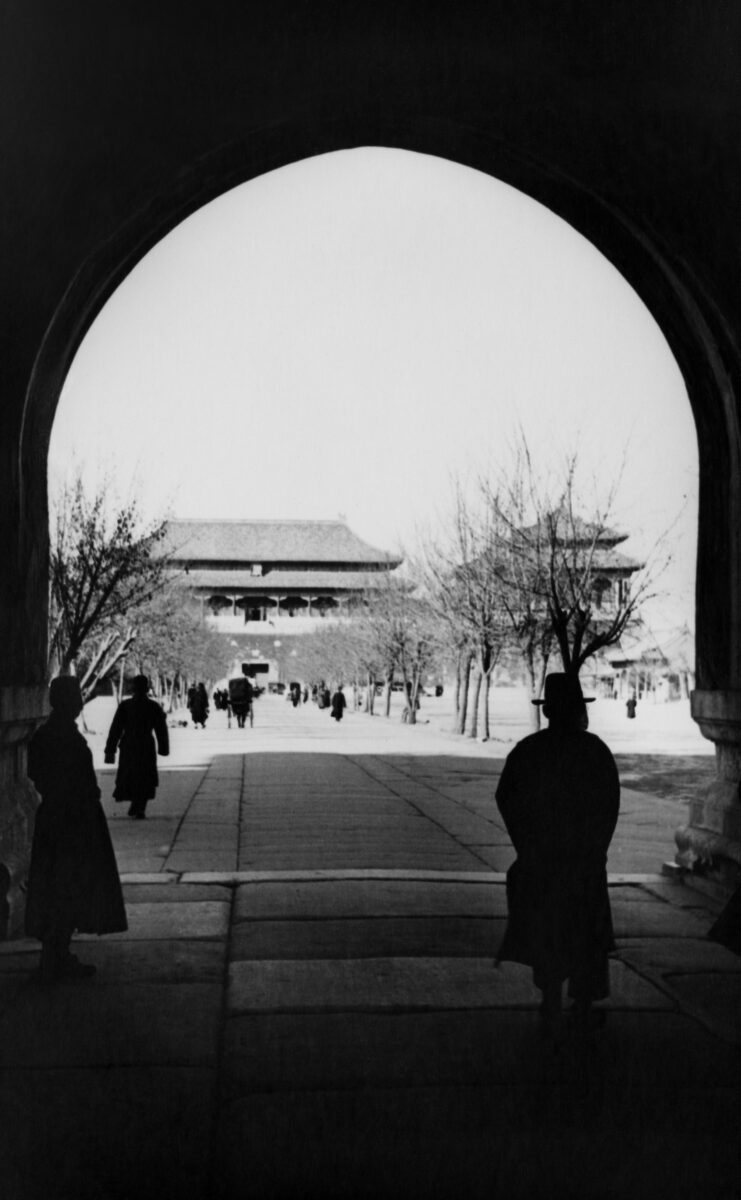
The wider legacy of Maillart’s work lies in this commitment to observation without appropriation. By documenting moments of daily life across Central Asia she created a visual archive that now serves historians, scholars and artists alike. Her images preserve architectural sites, trading routes and cultural practices that have since undergone dramatic transformation. They also record fleeting encounters between traveller and host, moments of conversation and curiosity that transcend political borders. Maillart contributed to a visual language of travel grounded in attentiveness rather than conquest. The influence of this perspective continues to ripple through contemporary photographic discourse.
Photographic Encounters positions Maillart not only as a historical figure but as an enduring presence within the field of documentary photography. The carefully curated photographs, writings and archival materials invite viewers to retrace the routes she travelled nearly a century ago. Each image offers a glimpse into landscapes shaped by cultural exchange, political upheaval and human endurance. Yet the exhibition also emphasises the quiet intimacy of Maillart’s gaze, her ability to find meaning in ordinary moments encountered far from home. In revisiting these photographs today, audiences are reminded that travel is not merely movement through space but a process of learning how to see. Maillart’s work continues to resonate as both historical record and timeless invitation to encounter the world with curiosity.
Ella Maillart: Photographic Encounters is at Photo Elysee, Lausanne until 1 November: elysee.ch
Words: Simon Cartwright
Image Credits:
1. Ella Maillart, Au col d’Ak-Ogouz, 1932, République soviétique socialiste autonome kirghize, URSS © Ella Maillart Estate and Photo Elysée, Lausanne.
2. Ella Maillart, Sources du Syr-Daria et sommet du Sari-Tor, 1932, République soviétique socialiste autonome kirghize, URSS © Ella Maillart Estate and Photo Elysée, Lausanne.
3. Ella Maillart, Samarcande, Ouzbékistan, 1932, Samarcande, République socialiste soviétique d’Ouzbékistan, URSS © Ella Maillart Estate and Photo Elysée, Lausanne.
4. Ella Maillart, Marché devant la madrasa Chir Arab, 1932, Boukhara, République socialiste soviétique d’Ouzbékistan, URSS © Ella Maillart Estate and Photo Elysée, Lausanne.
5. Ella Maillart, Dans la Cité Interdite, 1935, Pékin, République de Chine © Succession Ella Maillart et Photo Elysée, Lausanne.