
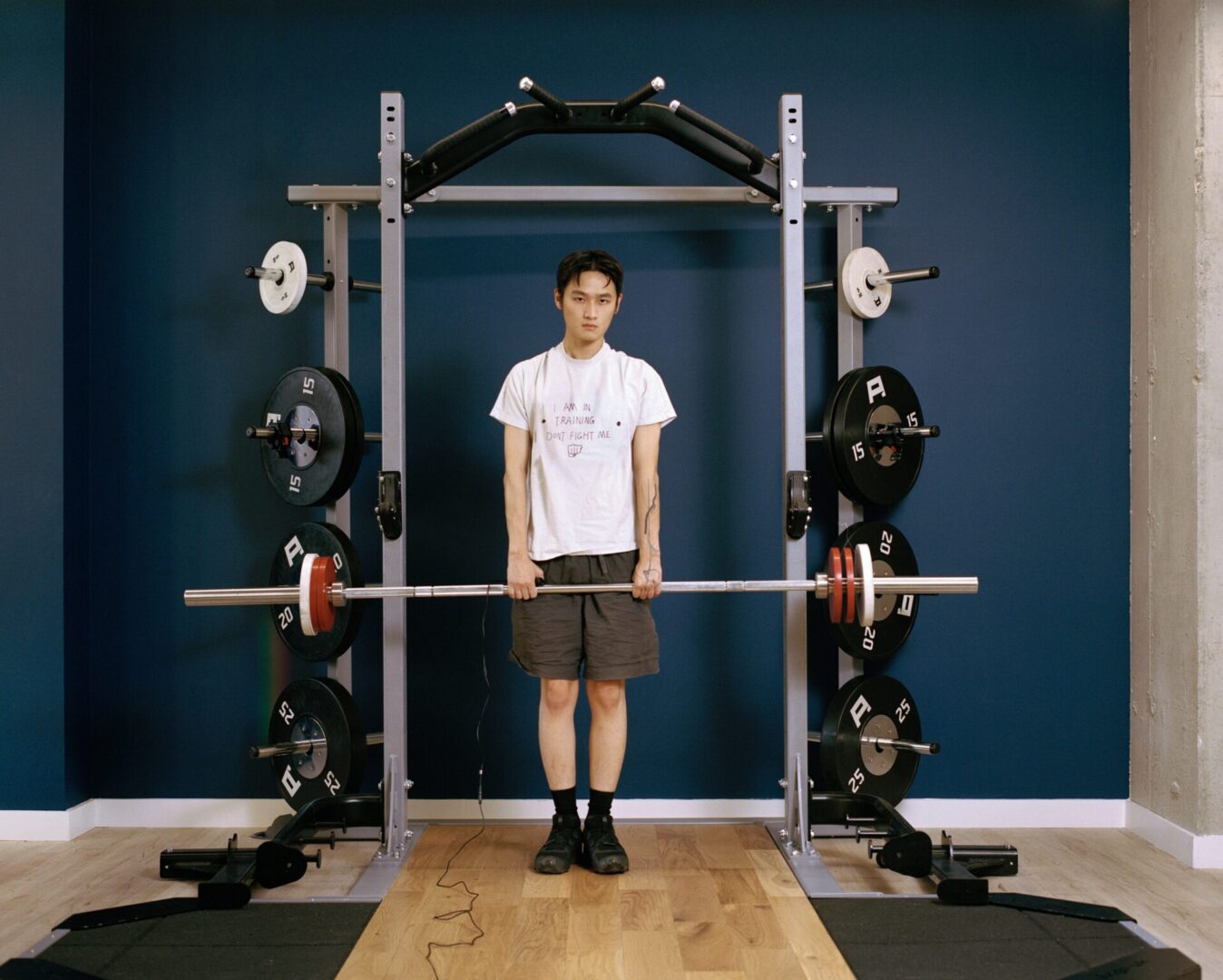
In recent years, there’s been a flurry of new terminology, concepts and ideas around men and their place in the world. Think the “male loneliness epidemic,” the “manosphere,” or the growing movement of “looksmaxxing.” In short, there’s a growing sense of disconnect, isolation and, alarmingly, misogyny amongst men. The Centre for Young Lives’ impactful report stated that looksmaxxing – an online movement that encourages men to improve their physical appearance through bone-smashing, steroid cycles and unregulated medications – “can act as a gateway into a wider network of online masculinity content that centres dominance, hierarchy and contempt for women.” Meanwhile, suicide continues to be the leading cause of death for men under 45. Masculinity is currently being debated everywhere, from popular culture and social media to dinner tables and the halls of power.
Harder Better Faster Stronger – Are Men OK?, the latest exhibition at Fotografiska Stockholm, takes this nebulous, contentious topic as its subject. The show includes 30 artists from around the world, each of whom explores “one of the most widely debated questions of identity of our time.” They ask: what does it mean to be a man today? Is masculinity something we are born with, something we learn, or something we are expected to achieve? From paternity leave to wrestling, and from ideals of strength, courage and self-confidence to care, tears and insecurity, this display leaves no stone unturned. Through photography, film and sculpture, visitors encounter the question of what happens when you fail to fit the mold.
Ashley Markle portrays young wrestlers at Colombia University and shows how physical strength, discipline and competition can simultaneously include tenderness, closeness and trust. Meanwhile, Sam Taylor-Johnson’s acclaimed series Crying Men features famous male actors in tears. The photographer would only reveal that she wanted them to cry when they arrived at the shoot, allowing for moments of vulnerability to emerge authentically. Here, major figures like Daniel Craig, Ray Winstone and Laurence Fishburn, whose acting catalogue is made up of masculine characters, break down these preconceptions. Artist Johan Bävman’s Swedish Dads also challenges stereotypes of masculinity with depictions of Swedish fathers on paternity leave, characterising fatherhood as a role of of presence, patience and care.
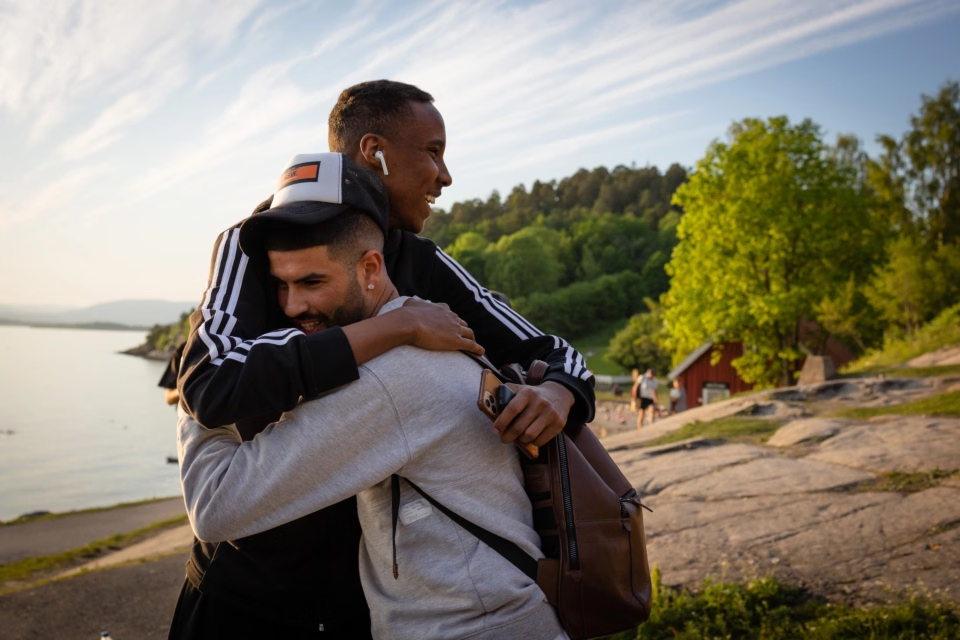
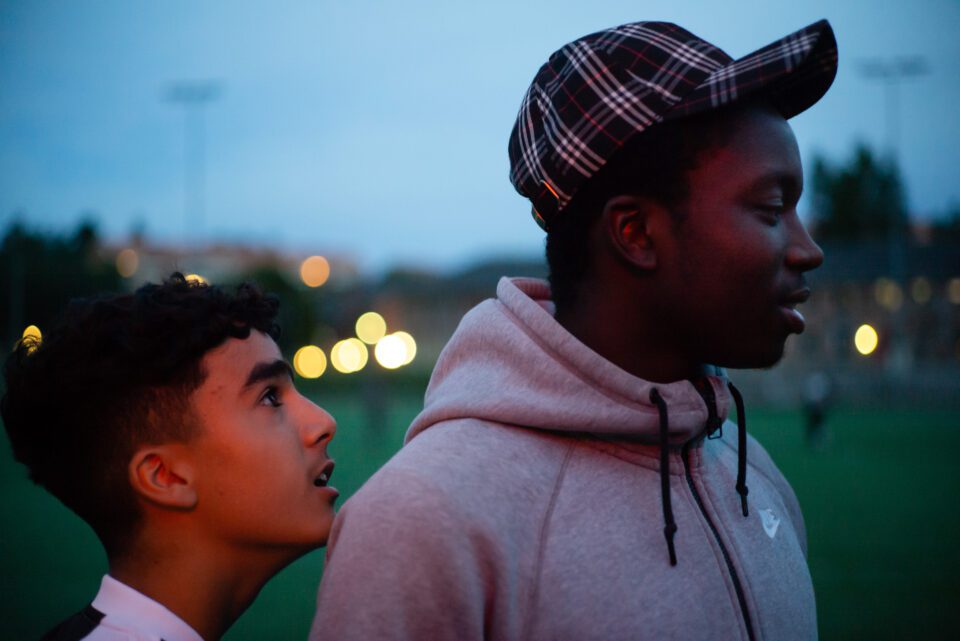
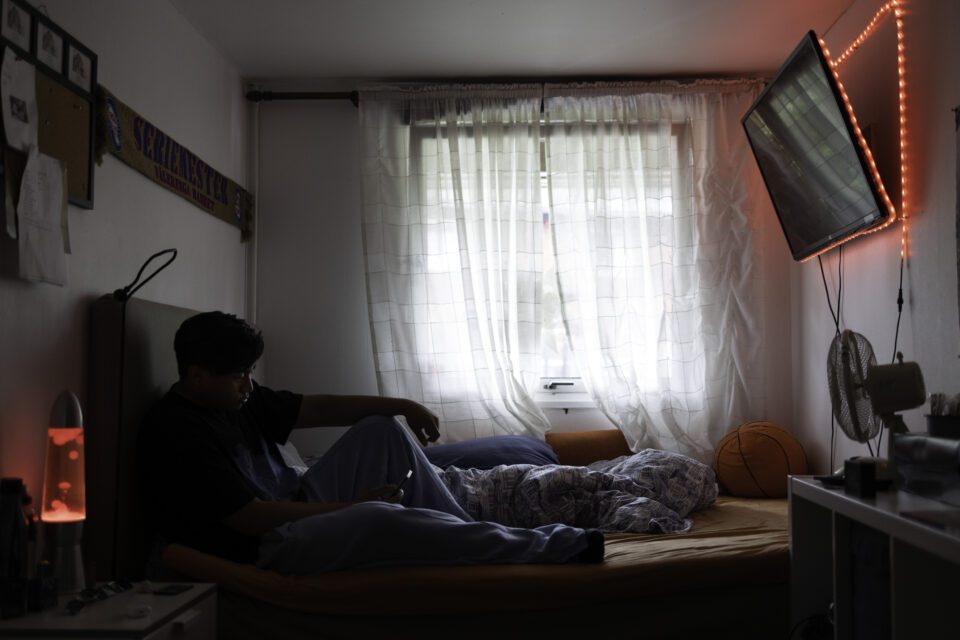
Other works look at the darker side of contemporary male ideals. Jakob Ganslmeier and Ana Zibelnik examine how looksmaxxing and self-optimisation on social media can slide into misogynistic and reactionary ideas. Mirielle Rohr tackles the manosphere and extreme beauty ideals, whilst Harri Pälviranta’s Battered documents pub fights in Finland and explores the connection between masculinity, aggression, and violence. The exhibition also includes Herb Ritt’s iconic images of Richard Gere and Matthew McConaughey, in which the idealised male body becomes a symbol of both strength and desire. In Khtobtogone, Sara Sadik transforms the well-known video game Grand Theft Auto into an artistic space for love, vulnerability, and self-reflection, while Norwegian photographer Brian Cliff Olguin depicts the daily lives of young men in the suburbs of Oslo in his insightful series, Bror.
Together, these works move across generations, cultures and experiences. From teenage boys on their way into adulthood and relationships between fathers and sons, to internet culture, locker rooms, battlefields, delivery rooms and gaming worlds, the exhibition explores the ideals that shape men today.
Harder Better Faster Stronger – Are Men OK? is at Fotografiska, Stockholm until 7 February: stockholm.fotografiska.com
Words: Emma Jacob
Image Credits:
1. I Am In Training, Don’t Fight Me, 2022 © Wang Ziyu.
2. Bror © Brian Cliff Olguin.
3. Bror © Brian Cliff Olguin.
4. Bror © Brian Cliff Olguin.


