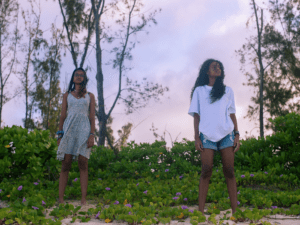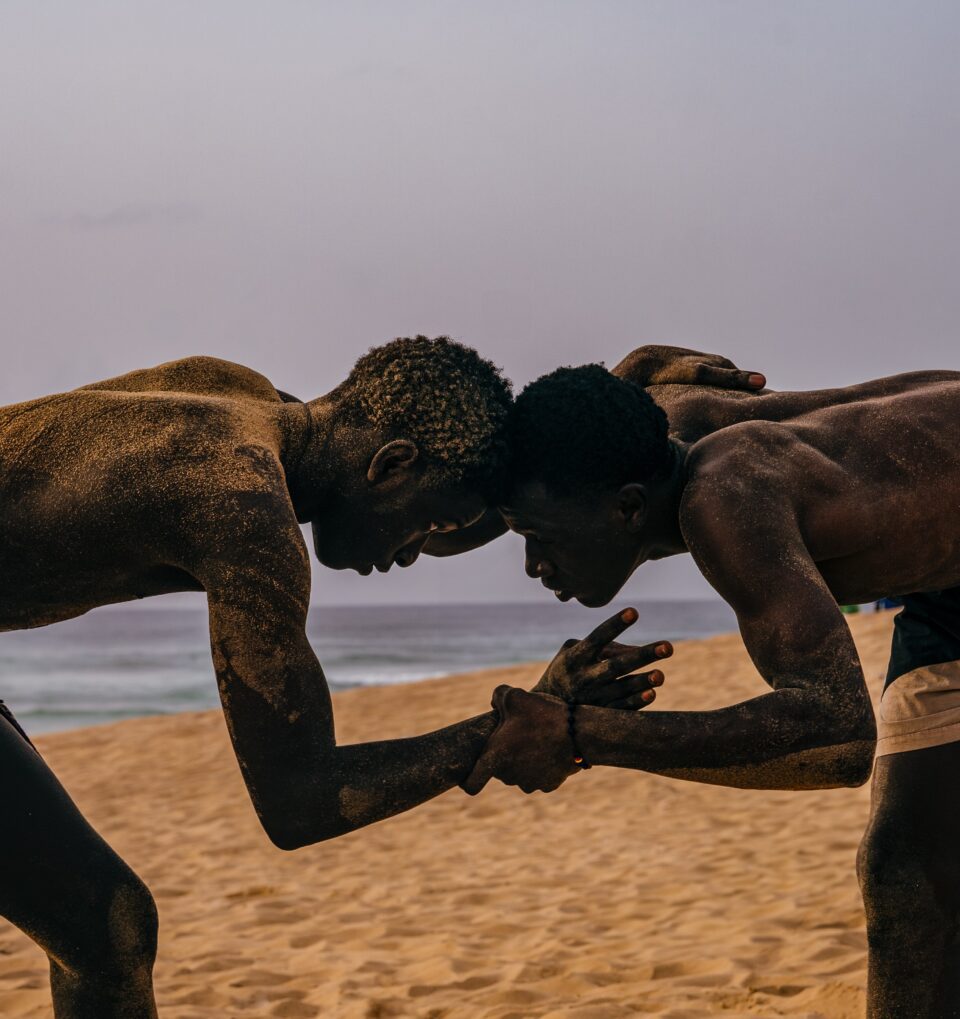
Melissa Alcena’s practice is the lens through which she reintroduces herself to her home nation of The Bahamas. She documents the communities of Nassau – the country’s capital city – expanding the visual tropes often exported from the Caribbean. At the heart of her work is collaboration, working with her subjects to create portraits that speak to their individuality and personality, whilst maintaining a sense of mystery. TERN Gallery presents In Situ, an exhibition that spans Alcena’s practice over the past five years. The show is a testament to the photographer’s dedication to kinship and an ode to the landscape. The images conjure beauty within the ordinary, forcing the expansion of visual vocabularies around The Bahamas. The exhibition is accompanied by a new publication, bringing her images to an even wider audience. We caught up with Alcena to talk about her creative process, what it means to document her own community and what’s next for the photographer.
A: How did you begin working as a photographer? Where did you get your first camera?
MA: I’ve always been interested in photography. Growing up, my father had these beautiful coffee table books featuring images from different countries in Africa, and I would spend hours looking through them. I think that was my real introduction to photography and its ability to tell stories about people and places. My first camera was a Canon Rebel XTi, which my mother bought me as a gift. I eventually went on to study photography at Sheridan College in Canada, graduating in 2012, but it wasn’t until I returned to The Bahamas in 2016 that I really began developing my own practice. At the time, I was going through a period of transition and trying to figure out what I wanted to do next. Photography became a way for me to reconnect with a country I’d grown up in but hadn’t always felt entirely connected to. I’d take my camera out, explore different communities, meet people, and have conversations. It happened quite organically, and over time those encounters became the foundation of my work.
A: Your work often plays with the boundaries of documentary and fine art photography. How do you approach balancing the two?
MA: I don’t necessarily approach them as two separate things. The documentary aspect comes from my interest in people, their environments, and the everyday moments that make up their lives. But I’m also very conscious of the aesthetic qualities of an image, whether that’s the light, composition, colour, or something happening within the frame that makes it visually interesting. I’m not interested in simply recording what’s in front of me. I’m interested in how I see it, and how that perspective can transform something seemingly ordinary into something that invites a second look. I think there’s this expectation that documentary photography has to be quite literal, whereas fine art allows for more interpretation. An image can be grounded in reality, whilst still leaving room for ambiguity, beauty, and imagination.
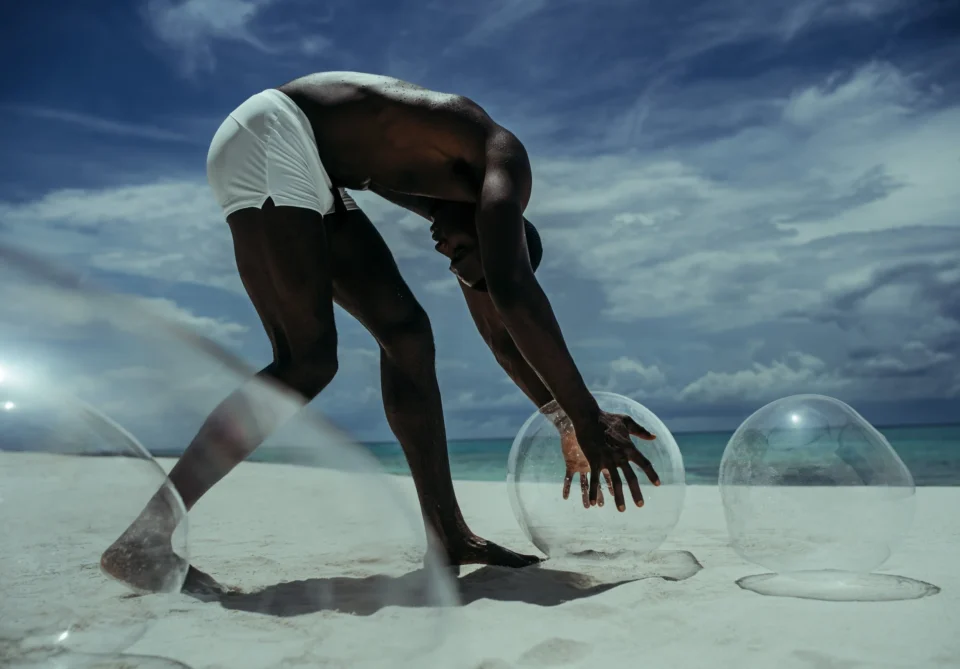
A: How does your work offer a different perspective on The Bahamas from the imagery often associated with the Caribbean? What do you want to make visible that is often overlooked?
MA: The Bahamas has been marketed to the outside world in a very particular way for decades. We all know the imagery, turquoise water, white sand, palm trees, beautiful resorts. And those things are absolutely part of our reality, but they’re not the entirety of it. What’s often missing are the people who actually live here, particularly working-class Bahamians whose lives exist outside of that tourism narrative. There’s an entire country with its own complexities, communities, histories, and everyday experiences that rarely gets the same visibility. I’m interested in those quieter, more ordinary moments. People going about their lives, existing in their own spaces, without necessarily performing for the camera. I also don’t think challenging the traditional imagery of The Bahamas means rejecting its beauty. It’s about expanding our understanding of what that beauty can look like and who gets to be part of the picture.
A: What role does anonymity play in your work? What determines how much you reveal of a subject?
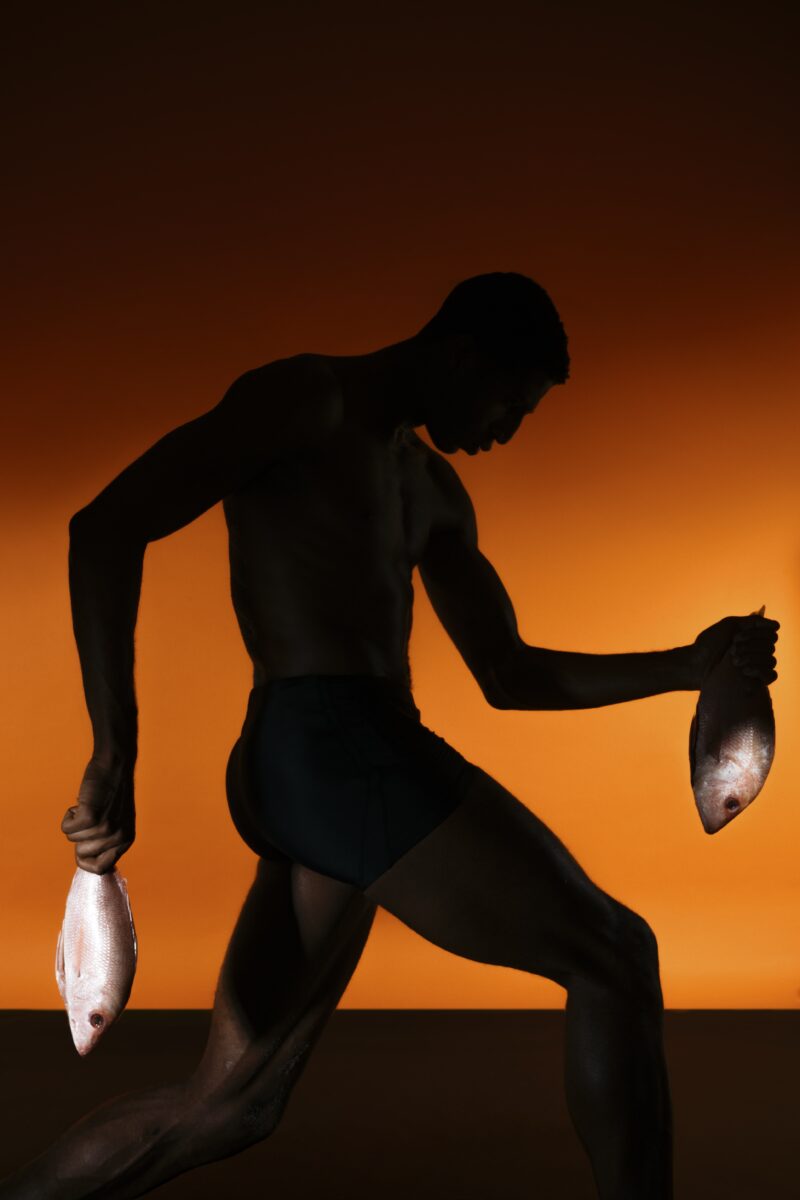
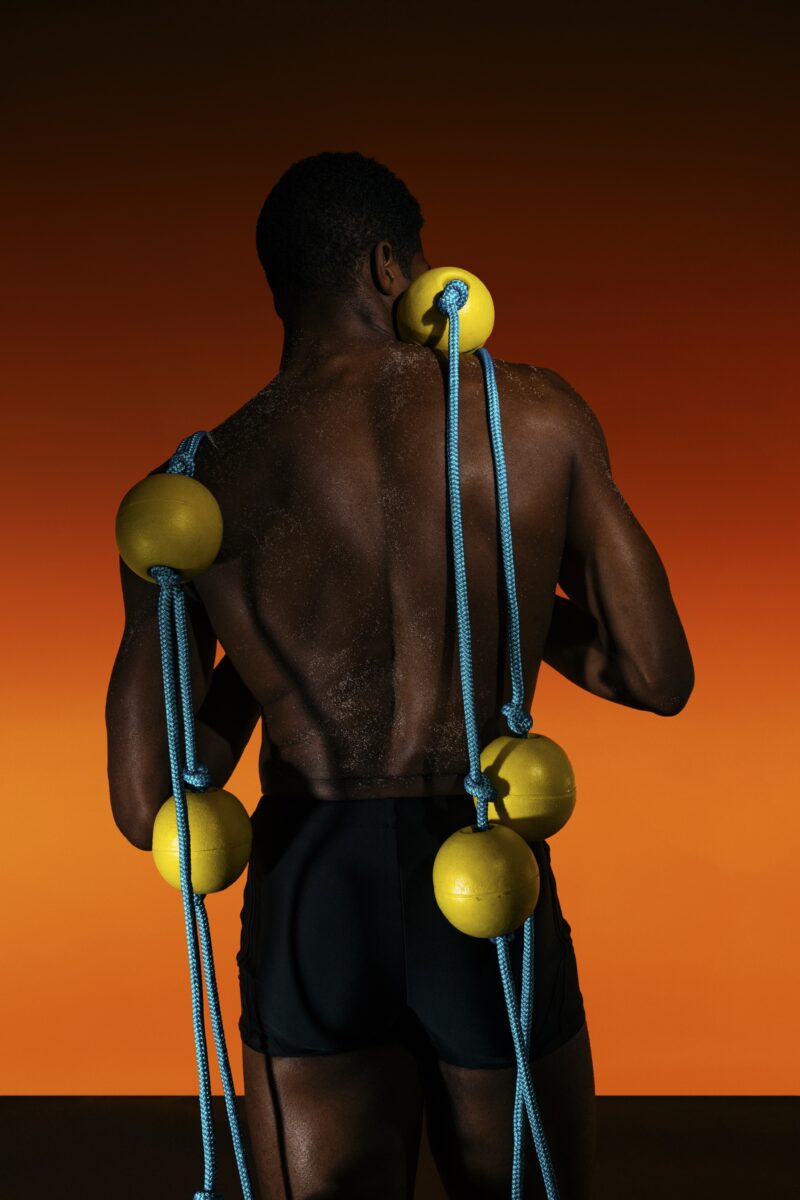
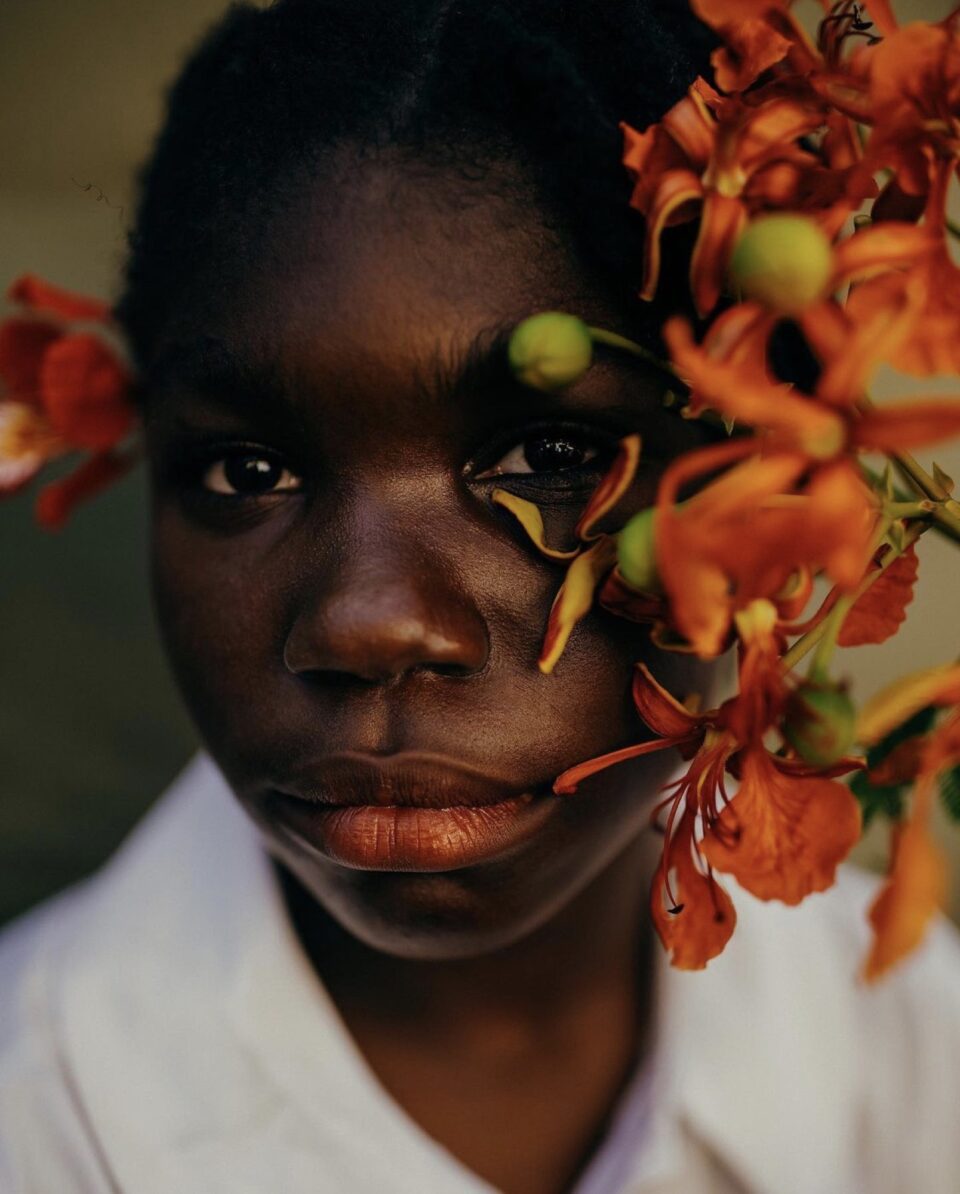
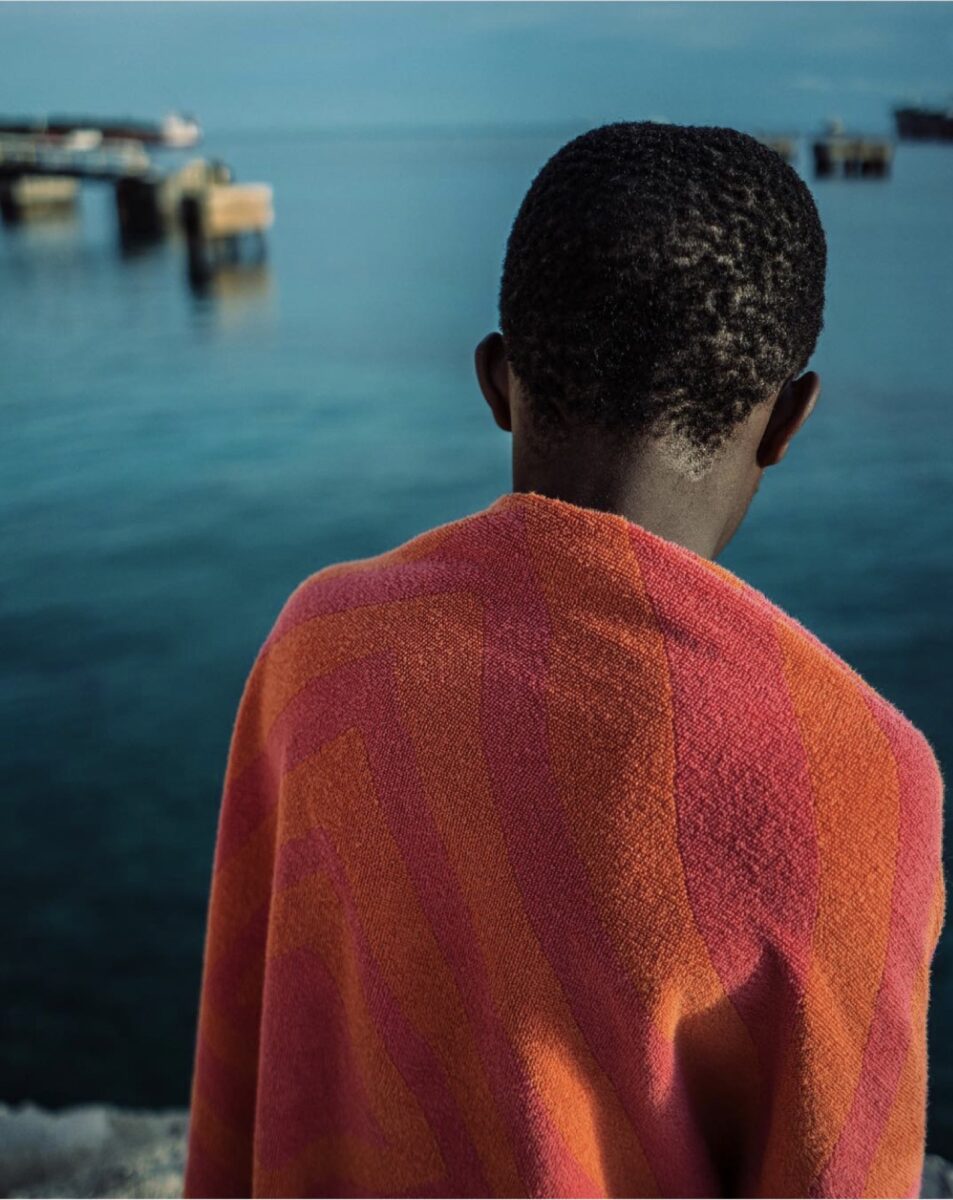
MA: I’ve always been interested in how much an image can communicate without revealing everything about the person in it. Earlier in my practice, I photographed a lot of people looking directly into the camera, but over time I became increasingly interested in capturing people from behind, obscuring parts of their faces, or allowing their surroundings to tell part of the story. There’s something compelling about not having all the information. It allows the viewer to become curious and perhaps spend a little more time with the image. I also think anonymity can give the subject a certain amount of freedom. We don’t always need to know someone’s name, their circumstances, or their entire story to connect with an image of them. How much I reveal really depends on the person, the encounter, and what I’m trying to communicate. Sometimes a direct portrait is the strongest way to do that, and other times it’s the absence of those identifying details that makes an image particularly compelling or arresting.
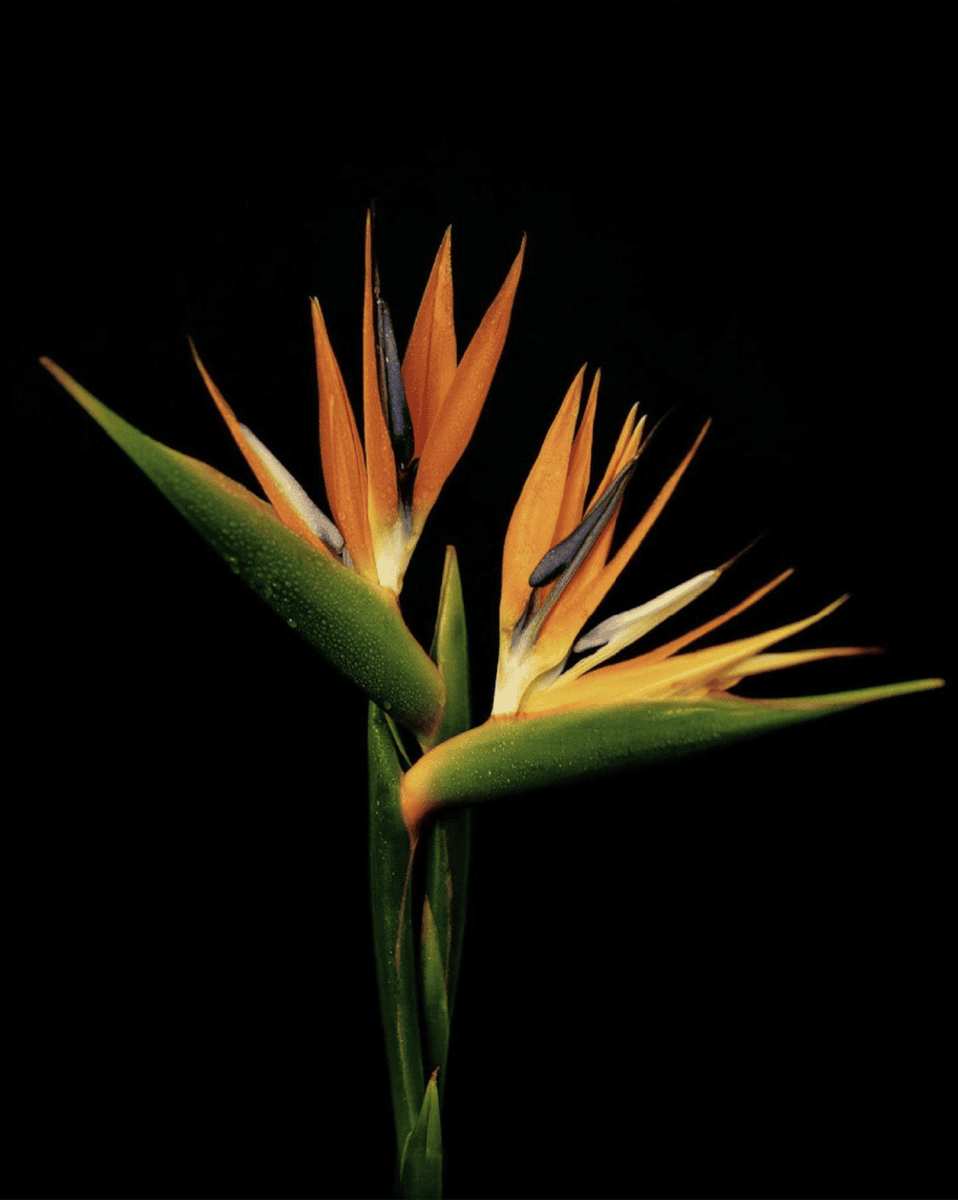
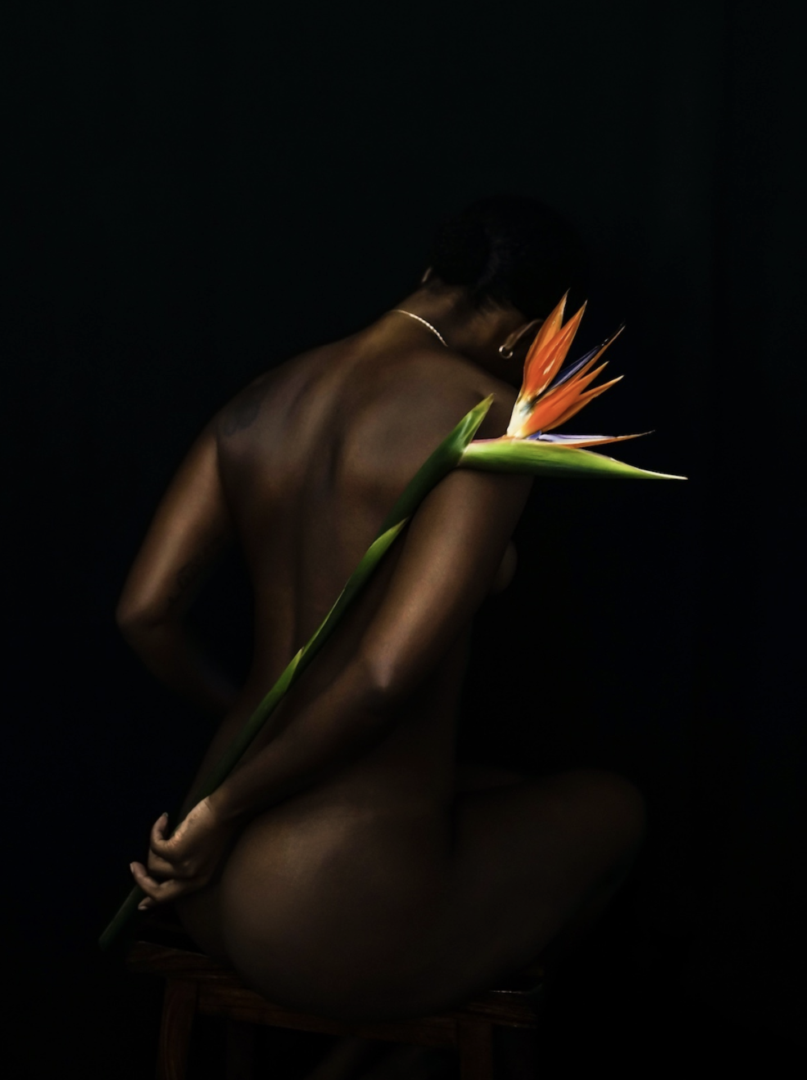
A: Light, shadow and colour are integral to your practice. How do you approach these elements when making an image? Is it carefully planned or more spontaneous?
MA: It’s a combination of both, but I tend to respond to what’s already happening around me rather than trying to control everything. The light in The Bahamas is incredibly beautiful, but it can also be quite harsh, and I enjoy working with that. I’m drawn to strong contrasts, deep shadows, and the way light can isolate a person or a particular detail within an environment. Colour is equally important. Sometimes it’s the first thing that catches my attention, whether it’s someone’s clothing against a particular backdrop or the way it interact within a scene. I also spend a considerable amount of time colour toning my photographs, particularly when it comes to representing Black skin. It’s incredibly important to me that the richness, depth, and nuances of different skin tones is accurately represented. That’s something I’m very intentional about, even when the initial photograph itself was made spontaneously. Some of my favourite images have come from situations where I wasn’t expecting to make a photograph at all.
A: Tell us about your upcoming presentation Coming Home at FUZE with TERN Gallery. How did you curate images taken over the course of three years?
MA: The selection process was collective. I worked closely with TERN to bring together a mix of older and newer images that felt cohesive, while also reflecting how my work has evolved over the past three years. I’m also exhibiting alongside Delton Barrett, so an important part of the process was considering how our work would exist in conversation with one another. We wanted the images to complement each other while still allowing our individual perspectives to come through, which shaped the final show.
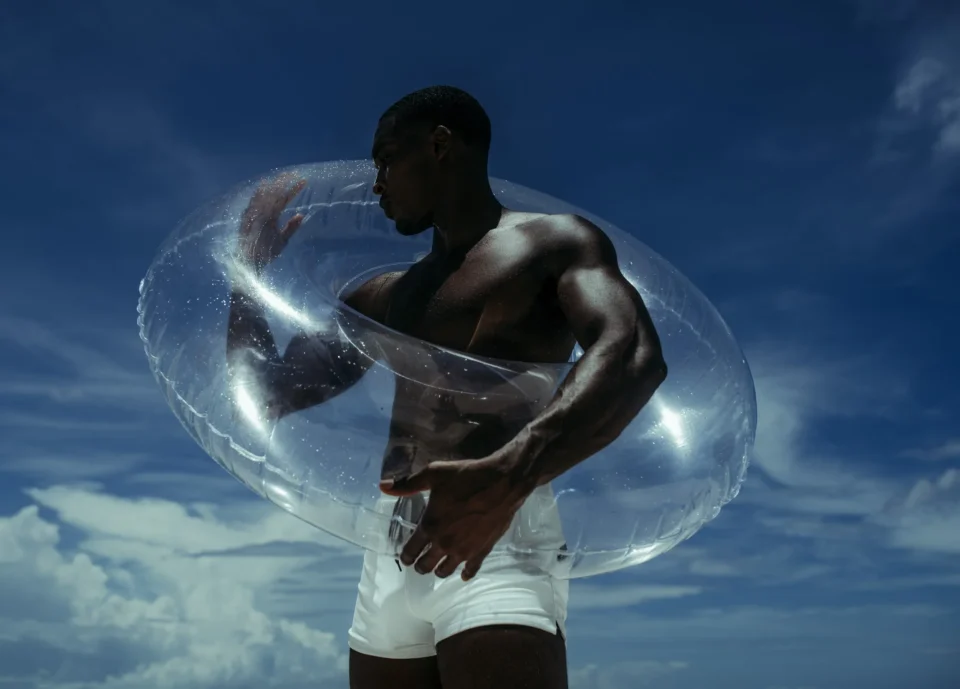
A: You’ve discussed how your work often starts with a conversation with your subjects. How much do you see your photographs as a collaboration with the people in them?
MA: There’s always an element of collaboration, even if the encounter is brief. When I’m photographing someone, I’m asking them to give me something of themselves, and I think it’s important that I’m willing to do the same. That’s why conversation has always been such an important part of my process. I want people to feel comfortable with me, and I want there to be a genuine exchange rather than simply walking up to someone, taking their photograph, and leaving. Of course, I’m ultimately the person deciding how to frame the image, when to press the shutter, and which photograph to share, so there’s a certain amount of authorship to that. But the person I’m documenting brings their own personality, energy, and sense of self. Those things are just as important to the final image as anything I’m doing behind the camera.
A: What do you hope audiences take away from viewing your images?
MA: I hope my photographs encourage people to look a little more closely, both at the subjects and at their own assumptions about what they’re seeing. I want there to be a sense of connection. Whether someone recognises something familiar in a photograph or encounters a reality that’s completely different from their own, I’d like them to leave with a greater curiosity about the people and places depicted. And when it comes to my work in The Bahamas specifically, I hope it contributes to a broader and more nuanced understanding of who we are, beyond the images that have traditionally represented us.
A: What’s next for you? What can we look forward to?
MA: I’m continuing to develop my practice, both within The Bahamas and beyond. I’m interested in pushing the work further, exploring different ways of presenting images, and allowing myself more room to experiment. There are a few projects I’m currently developing that build on some of the ideas I’ve been exploring over the years, particularly around identity, representation, and the relationship between people and place. I’m also becoming increasingly interested in how photographs can exist beyond a traditional print or a single image, and what happens when you start thinking about them in different contexts. For now, I’m enjoying the process of exploring those possibilities and seeing where they take me.
Melissa Alcena is represented by TERN, Nassau, who are showing her works at FUZE Caribbean Art Fair, 21–25 October 2026, and will publish a monograph available to order in November 2026. www.terngallery.com
Words: Emma Jacob & Melissa Alcena
Image Credits:
All images courtesy of Melissa Allen and TERN, Nassau.