

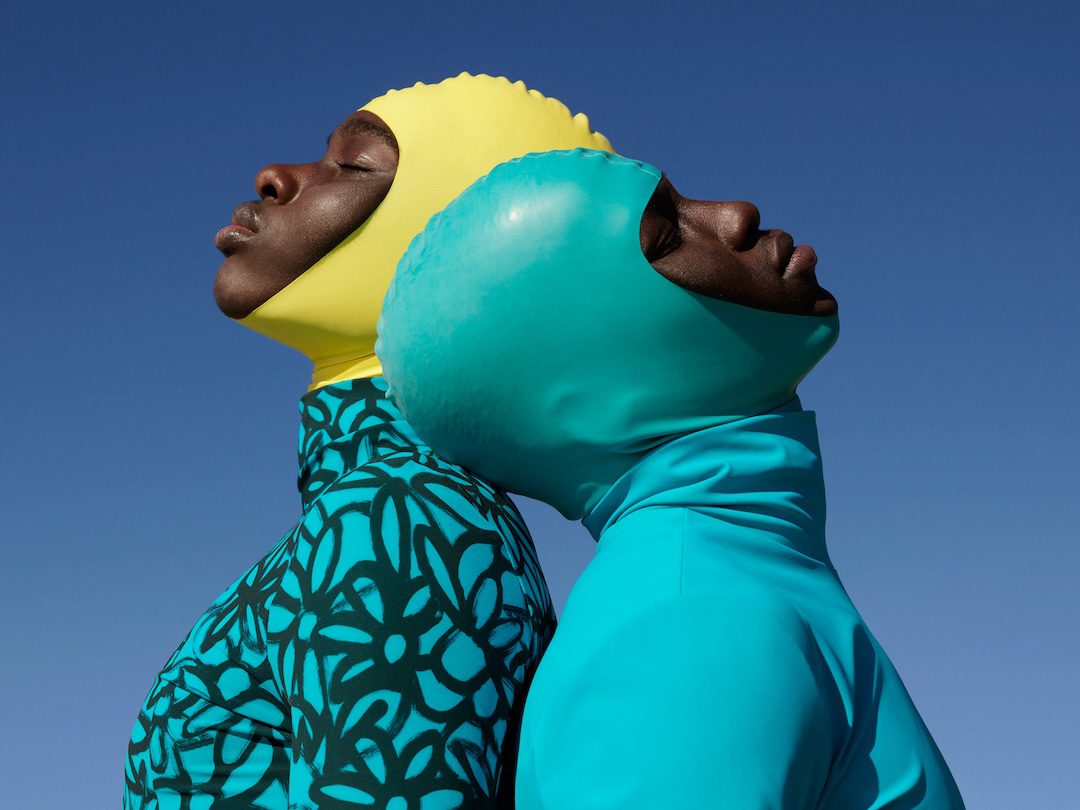
From Sandro Botticelli’s The Birth of Venus (1485–1486) to Hokusai’s The Great Wave off Kanagawa (1831), the influence of the sea on art and culture dates back centuries and has touched every corner of the world. Its connotations are as wide and diverse as the ocean itself: it is a source of life, a mythical realm of monsters and merpeople – but also a space of trade, migration, extraction, power and conflict. Now, the relationship between water and human creativity is the subject of High Tide, the latest exhibition at BRUSK in Bruges. BRUSK is a new venue that opened earlier this year, and its programme “connects art and heritage from different eras and continents with contemporary themes.” High Tide, conceived by fashion curator Karen Van Godtsenhoven, does just that, bringing together leading names in art and design.
BRUSK positions the sea as a lens through which to consider a range of pressing themes, from the politics of representation to environmental crisis. In The Birth of Oshun (2017), Harmonia Rosales recreates Botticelli’s iconic painting with an all-Black cast, centring the Yoruba river deity of beauty, love and fertility in place of Venus. It’s a powerful reimagining of Western art history. There are also pieces by Wangechi Mutu, who draws on East African coastal folklore in her paintings, sculptures, films and performances, alongside the coral reef tapestries of Otobong Nkanga. Bill Viola’s videos plunge figures into the depths, whilst contributions from the late Martin Parr provide offbeat depictions of seaside culture and British summer holidays. In sculpture, Rinus van de Velde takes over the space with a giant rolling wave. Further contemporary artworks come from Abdul Rahman Katanani, Dominique White and Pierre et Gilles.
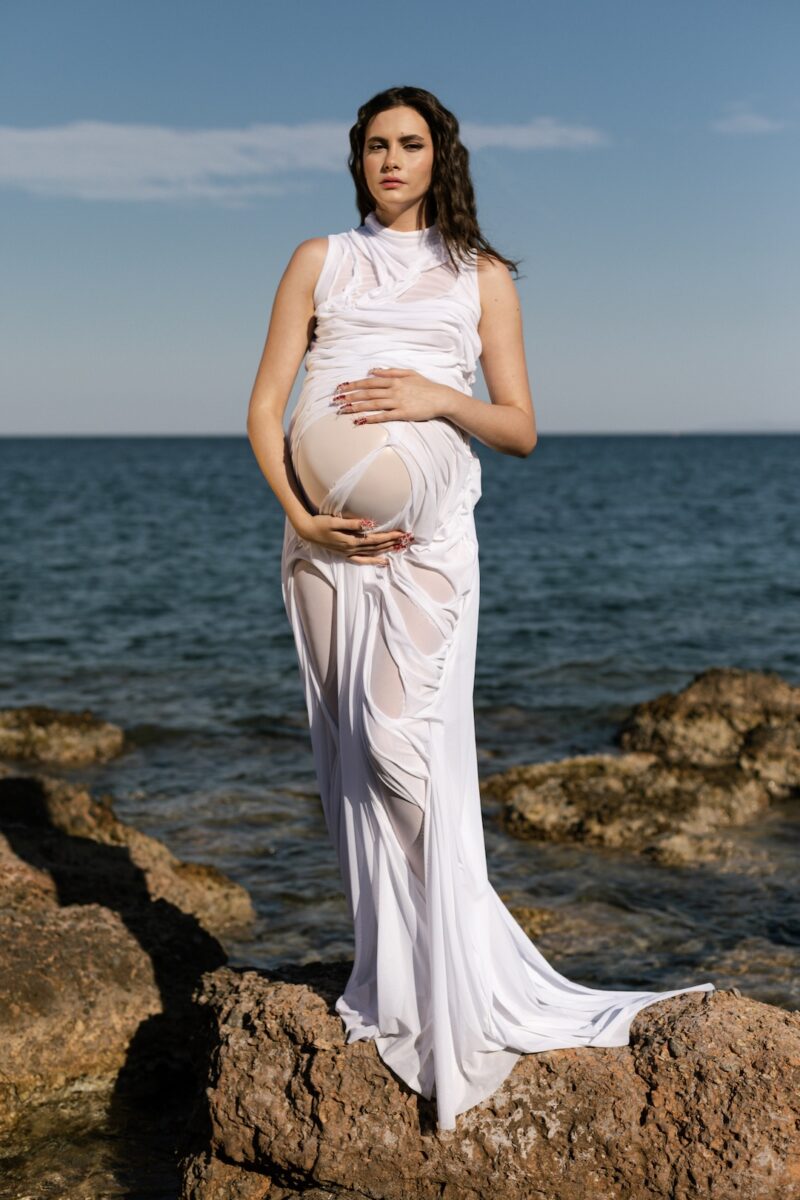
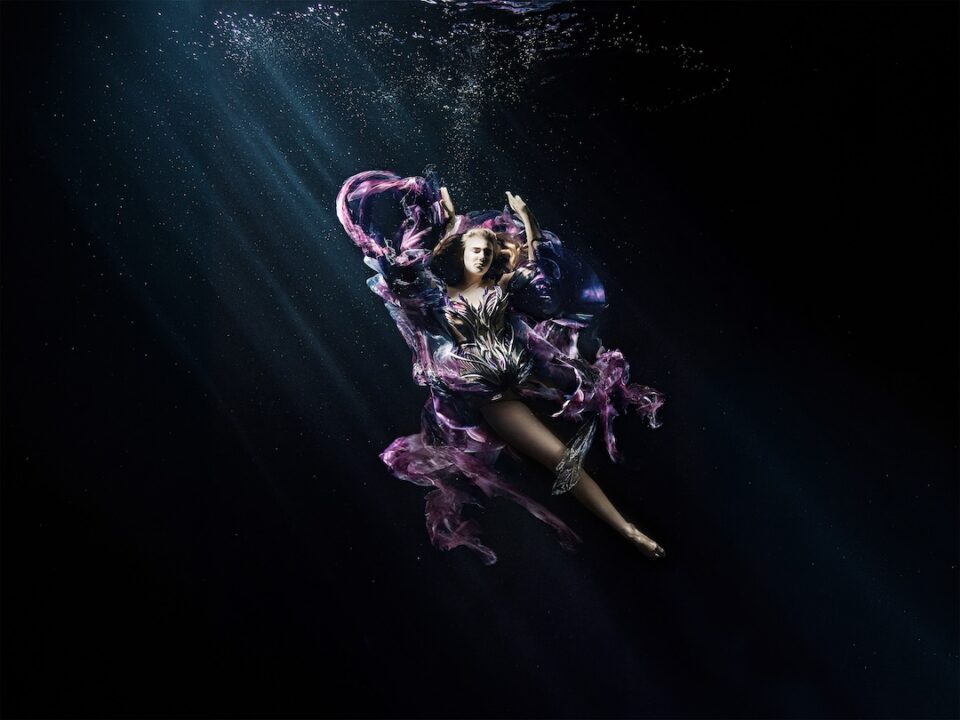
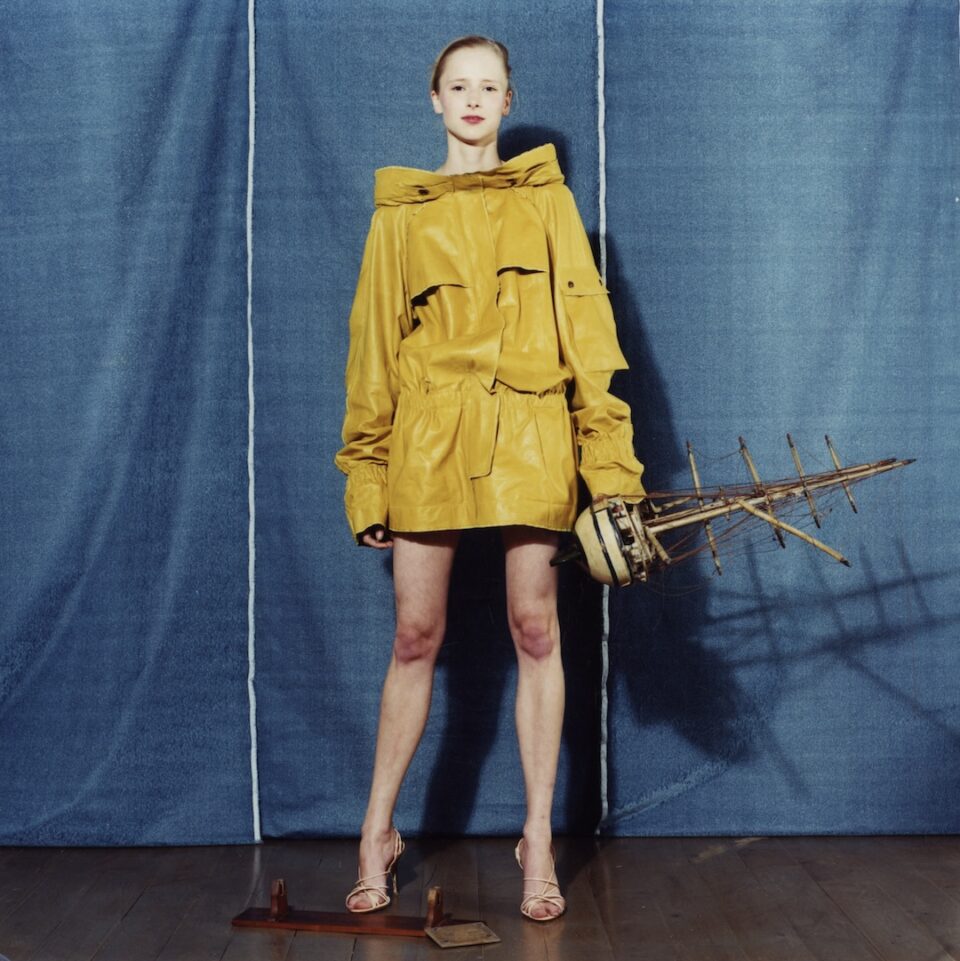
In fashion, audiences will come face-to-face with designs by Iris van Herpen, who is known for fusing technology with traditional haute couture craftsmanship. Her Sensory Seas collection draws inspiration from marine ecology, specifically the Hydrozoa – a class of delicately branched sea-life organisms that “embroider the oceans like aqueous fabrics, forming layers of living lace.” Elsewhere, Olivier Theyskens picks up on the maritime theme in an “ode to the Belgian seaside”, whilst Alexander McQueen’s final collection, Plato’s Atlantis, responds to global warming with otherworldly garments incorporating jellyfish and gills. This is a chance to see how household names like van Herpen, McQueen and Theyskens, as well as Chanel, Dries Van Noten, Gianni Versace and Jean Paul Gaultier, have harnessed aquatic life as a muse.
Together, these artists, as BRUSK explains, “invite us to feel, reflect on, and marvel at our relationship with water at a time when this vital connection is under greater pressure than ever before.” Indeed, waterways are of particular significance to Bruges, given its proximity to the North Sea. For centuries, this body of water has shaped the rhythm of the city and its surroundings, allowing it to become an international trading metropolis and a wellspring of inspiration for generations of artists. The experience of navigating High Tide is described as a “contemporary odyssey”, beginning at the water’s edge, where land and sea meet, and traversing a route through twelve thematic islands that together form “an archipelago of stories.” Just as the waves shape the rhythm of the ocean, ebb and flow give structure to the exhibition: from the calm of low tide, through the mysteries of the deep sea, to the pressing urgency of rising seas.
High Tide is at BRUSK, Bruges, from 30 October – 14 March.
Words: Eleanor Sutherland
Image Credits:
1. BOTTER. Image courtesy of BRUSK.
2. Iris Van Herpen. Image courtesy of BRUSK.
3. Di Pesta. Image courtesy of BRUSK.
4. Olivier Theyskens. Image courtesy of BRUSK.


