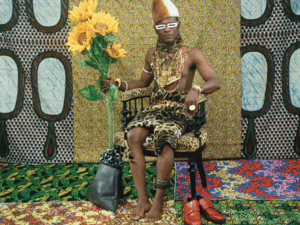
Sanlé Sory (b. 1943) took an estimated million photographs over the course of his six-decade career. He picked up his first camera when he needed an identity photograph, before spending several years learning his trade as an apprentice. By the age of 17, he’d opened his first studio, Volta Photo. It was 1960, the year that Upper Volta – now Burkina Faso – gained independence from France. From there, Sory’s career was a mirror image of the nation, mixing formal portraiture with on-the-street reportage of the city’s music, dance halls and youth culture. Here, he joins the ranks of photographers who emerged in Africa at the time. Malick Sidibé also celebrated youth culture, capturing the music scene of post-independence Mali, whilst figures like Samuel Fosso and Seydou Keïta joined Sory in popularising studio portraiture. Back in Burkina Faso, for Sory, a thirst for change was the order of the day. He turned the lens on these moments, telling a story of everyday life in the midst of huge political and social shifts.
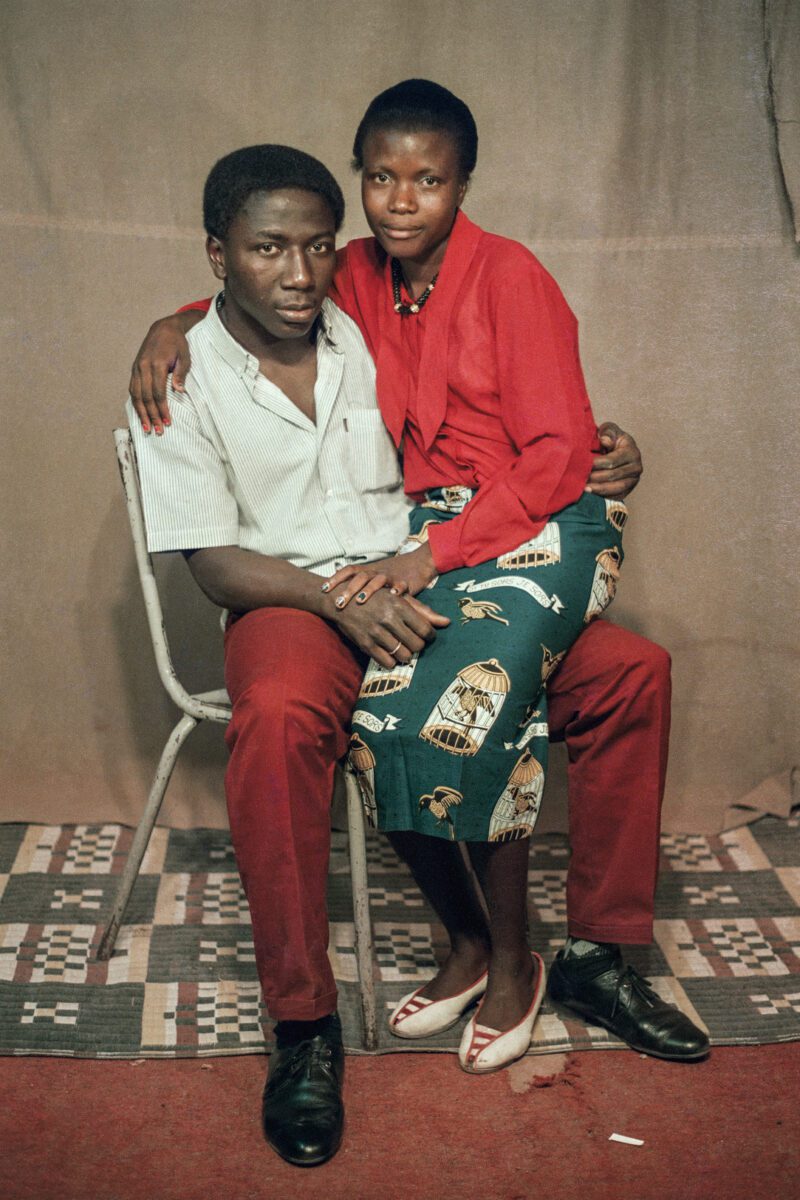
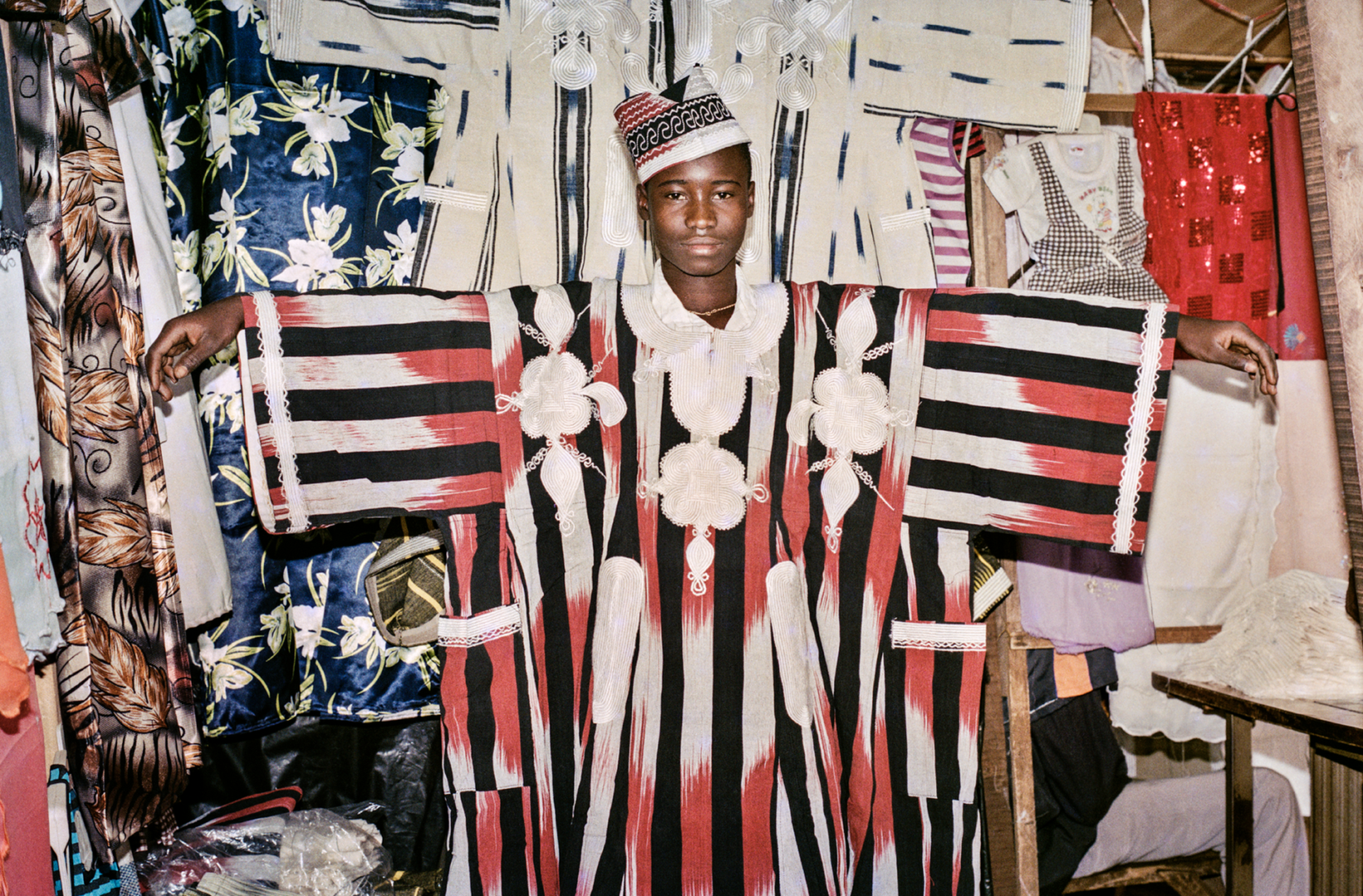
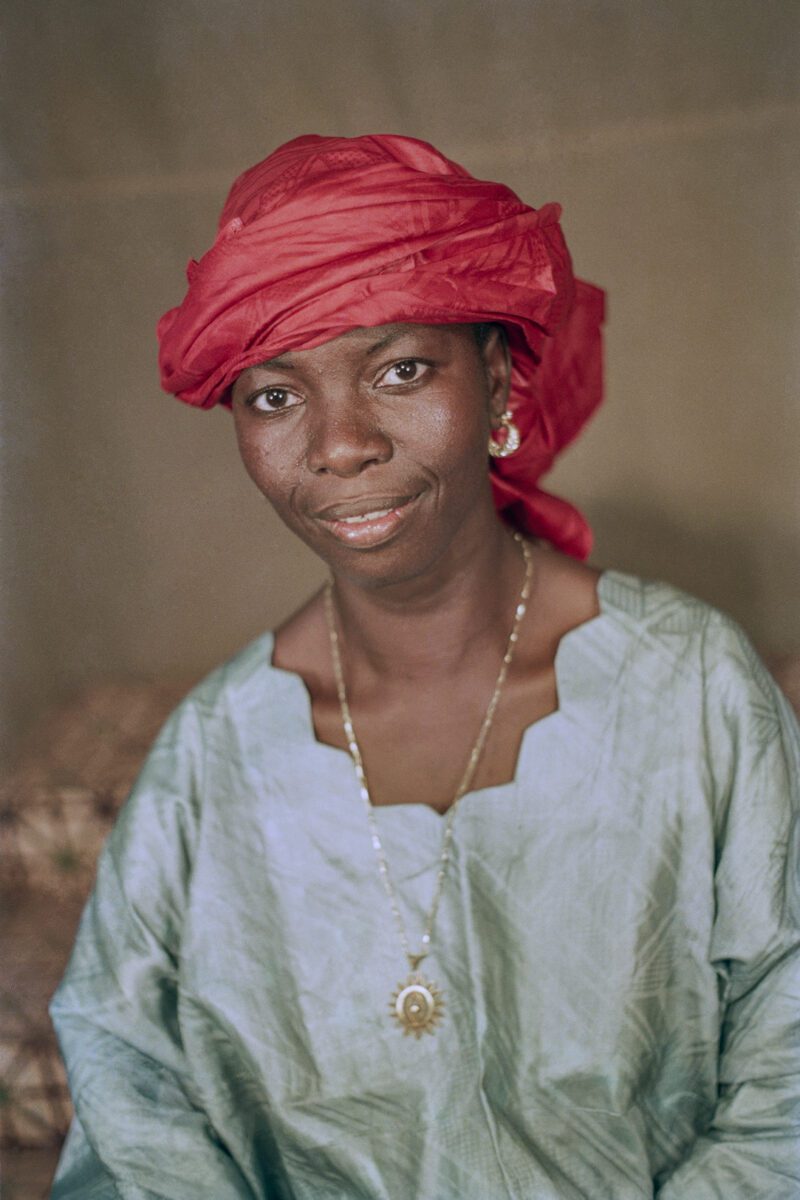
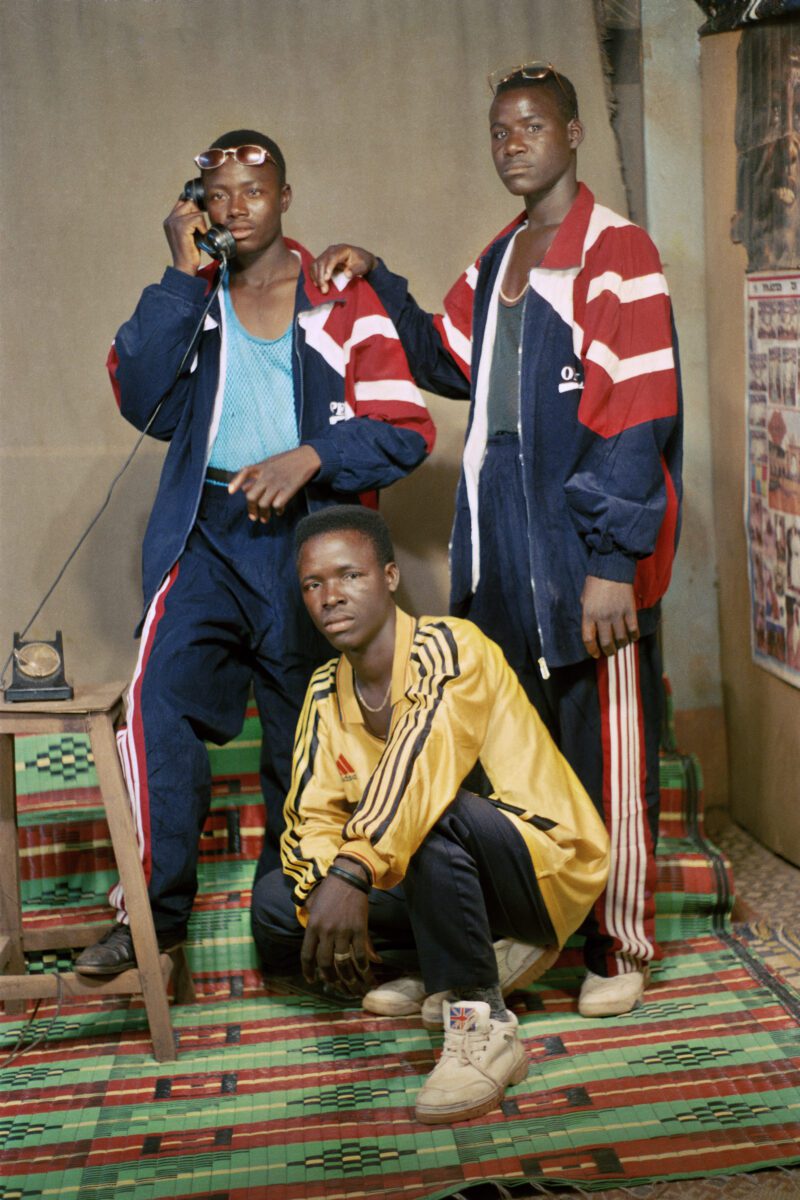
Sory is perhaps best known for the black-and-white studio portraits, but in a new exhibition, The Photographers’ Gallery celebrates a lesser-known chapter of his career. Sanlé Sory: Colour Years spotlights his colour prints, meticulously restored from the negatives in his archive. They’re on display alongside Volta Jazz album covers featuring his portraits of influential bands that flourished after Burkina Faso’s independence. Sory shifted to colour in the mid-1980s, largely in response to client demands. When asked why he moved over to colour, he famously said: “When you are in a place where everybody dances, you have to try and dance like everyone else.” Colour Years reveals something that could easily be overlooked in Sory’s practice. Yes, he captured the rapidly changing community and society across decades of political shifts, global exchange and self-expression through fashion, music and attitude. His sitters clearly demonstrate that through their clothes, expressions and poses. But more than that, he captured this shift by changing the way he photographed, keeping up with the pace of progress in practice, not just in theory.
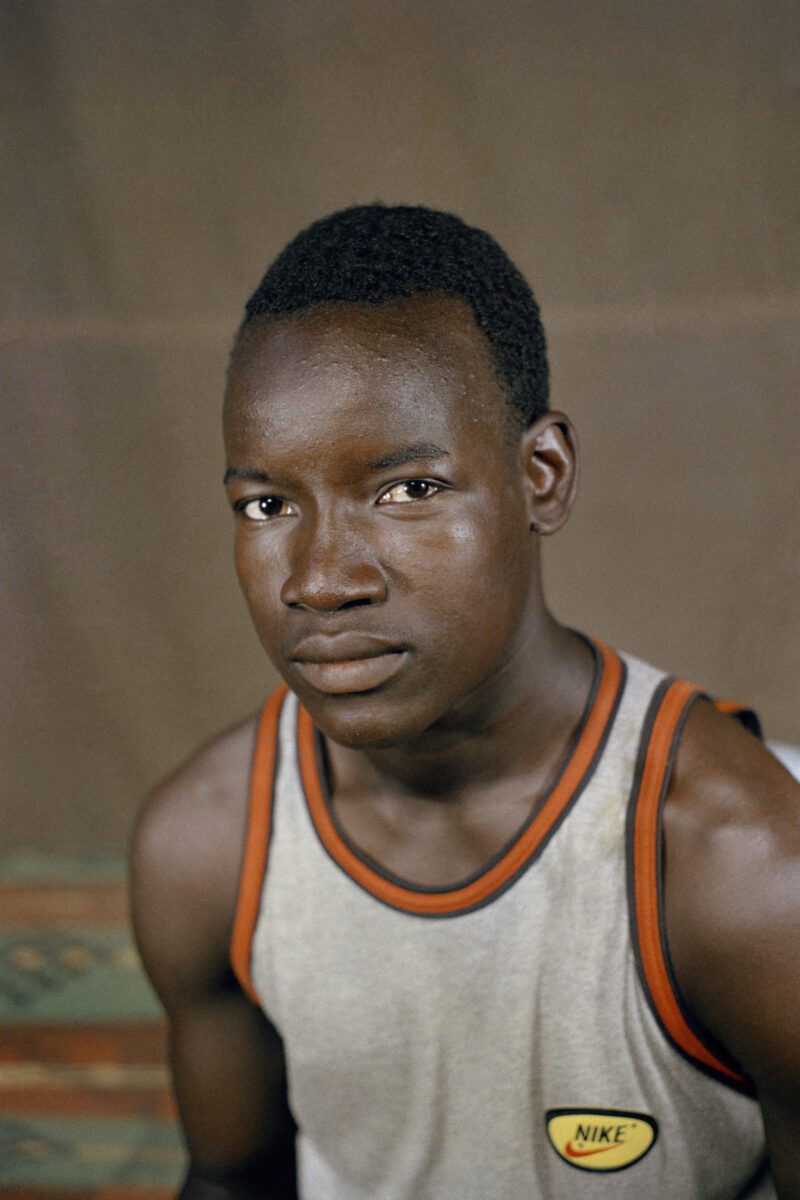
Clients chose their clothes, hairstyles, props and poses with great care, something that translates to images with personality. They’re a far cry from the stilted, posed shots often associated with studio photography. Images are littered with markers of personal interest or style: two men wear matching yellow “Burkina Faso Africaine Football 2008” t-shirts, whilst another dons a World Cup 1994 shirt. Most noticeably, one subject stands with one hand on his hip, showing off a “Barack Obama, 44th President” top. The image reveals more than just the sitter’s sentiments, bringing Sory’s practice into a modern era that seldom comes into conversations about his work. There are echoes of our contemporary moment in many of the images, in the trainers and sunglasses worn by one young woman and the Nike logo splashed on trainers and vests. TPG begins with his early colour images in the 1980s, but traverses decades, reminding audiences that Sory continues to bear witness to the country’s sustained evolution.
Sory’s photography has graced the walls of countless world-renowned galleries, in both solo and group shows. He featured in Barbican’s major summer show, Project a Black Planet, which closed last month, as well as Museum of Modern Art’s Ideas of Africa: Portraiture and Political Imagination. His enduring popularity and ability to speak to contemporary audiences is a testament to his craft, but also makes TPG’s exhibition all the more impression. Colour Years really does feel like a fresh perspective, inviting audiences to look beyond his most well-known, black-and-white shots and consider how his colour works are emblematic of a country that experienced rapid social change throughout the latter half of the 20th century.
Sanlé Sory: Colour Years is at The Photographers’ Gallery, London until 21 February: thephotographersgallery.org.uk
Words: Emma Jacob
Image Credits:
1. Sanlé Sory, Bobo-Dioulasso, Burkina Faso © Sanlé Sory, 2026. Courtesy of Tezeta.
2. Sanlé Sory, Volta Photo Studio, Bobo-Dioulasso, Burkina Faso © Sanlé Sory, 2026. Courtesy of Tezeta.
3. Sanlé Sory, Volta Photo Studio, Bobo-Dioulasso, Burkina Faso © Sanlé Sory, 2026. Courtesy of Tezeta.
4. The Photographers’ Gallery, Meet the Artist Sanlé Sory.
5. Sanlé Sory, Volta Photo Studio, Bobo-Dioulasso, Burkina Faso © Sanlé Sory, 2026. Courtesy of Tezeta.
6. Sanlé Sory, Volta Photo Studio, Bobo-Dioulasso, Burkina Faso © Sanlé Sory, 2026. Courtesy of Tezeta.