

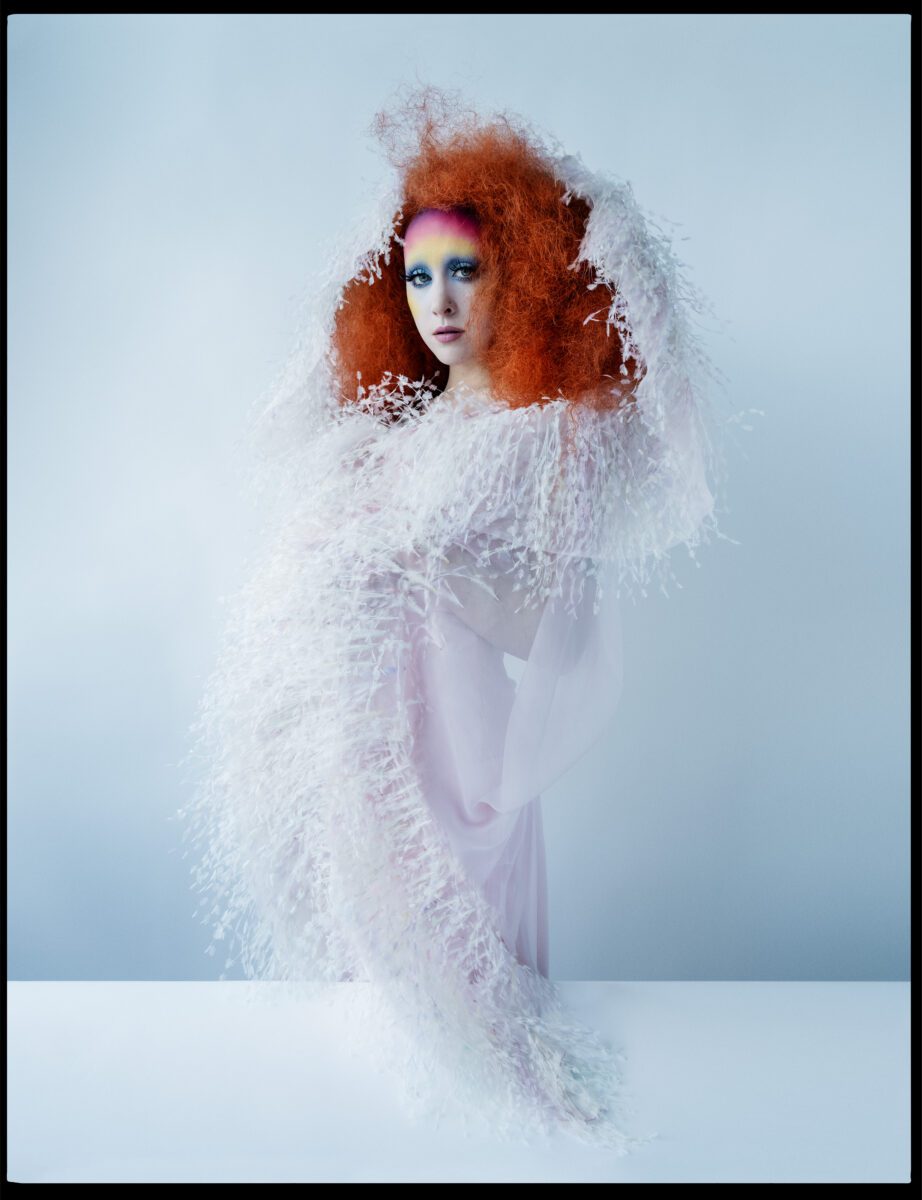
Vogue. Vanity Fair. W. i-D. There are few renowned publications that have not, at some time or another, featured the images of Tim Walker. The artist began taking pictures as a young boy and after leaving school, worked in the Cecil Beaton archive at the Condé Nast Library, before assisting Richard Avedon in New York. As far as creative influences go, Walker started his career with the best. It proved to stand him in good stead, shooting his first fashion story for Vogue at 25. Since then, he’s gone on to produce portraits of some of the most influential figures in popular culture, including Isaac Julien, Ian McKellen, Miriam Margolyes and Chappell Roam. Now, the National Portrait Gallery presents an exhibition of more than 250 of his photographs, offering audiences an exclusive insight into a remarkable career.
Tim Walker’s Fairyland: Love and Legend is a result of five years of connecting with Queer people and their allies in Britain and beyond and marks a decisive shift in Walker’s artistic focus. Curated by Susanna Brown, the exhibition engages with the historical gallery setting, presenting both unsung heroes and established giants of Queer history. Designed by Walker’s longtime collaborator Shona Heath with support from the National Portrait Gallery, the artist spotlights 250 activists, social workers, nightlife performers, musicians and superstars in a spectacular display. The exhibition purposefully reclaims the word “fairy” for Walker and his sitters, resisting homophobia and transphobia with his original blend of wit, joy and sensitivity.
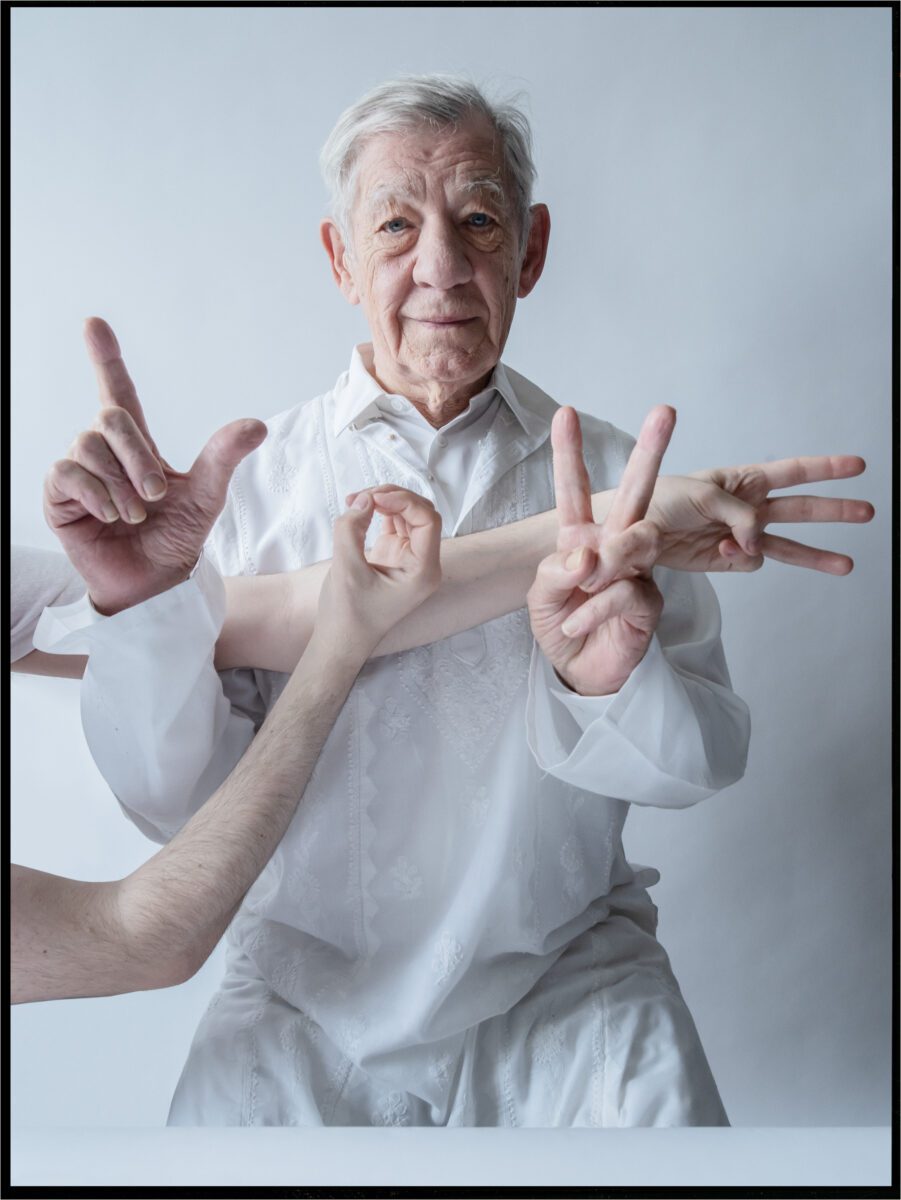
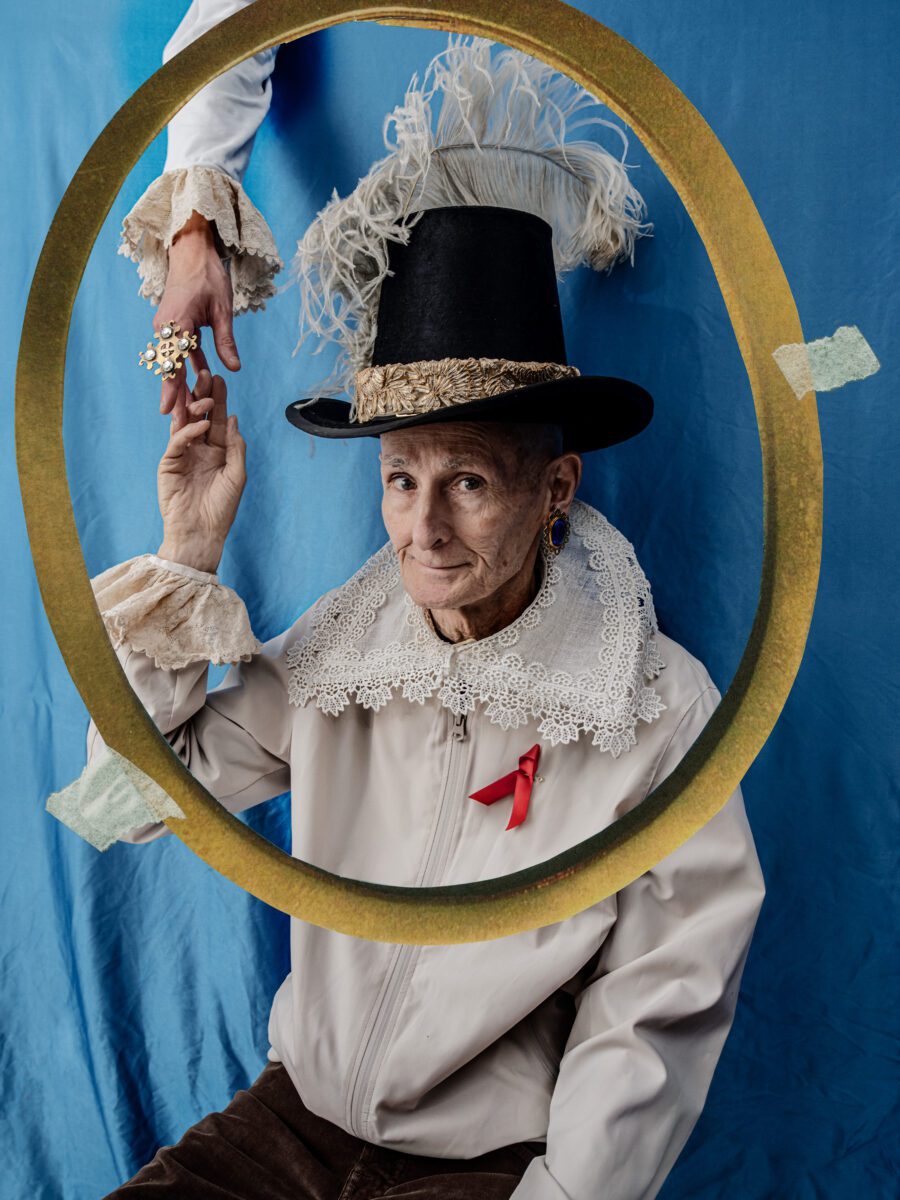
Visitors begin with portraits of trailblazers who spent the 1970s and 1980s bravely advocating for the right to love. This was the era of widespread homophobia and systematic discrimination. In 1971, the Nullity of Marriage Act was passed, explicitly banning same-sex marriages between couples in England and Wales. The first reported causes of AIDs appeared in 1981, marking the beginning of an epidemic that would kill over 40 million people and prompted mass stigma towards the LGBTQIA+ community. Later, in 1988, Section 28 came into effect, which stopped councils and schools “promoting the teaching of the acceptability of homosexuality as a pretended family relationship.” The law was in place until 2003, removing vital support and education for generations of children. Yet, these decades were also a time of resistance and joy, where gay nightclubs boomed and events of solidarity and protest sprung up across the country. The first Pride was held in London in 1972, attracting approximately 2,000 participants, at the same time that Gay Liberation Front and Stonewall were established. Walker captures the figures leading this radical charge, including Olivette Cole-Wilson, Andrew Lumsden, Lisa Power and Tom Robinson. The artist also memorialises his own “queeristocracy” in a style inspired by sixteenth-century portraits of Tudor aristocracy by Hans Holbein in Younger and Nicholas Hilliard.
Walker is uniquely gifted in his ability to create a moment of solidarity, action and respect around every sitter, from the instantly recognisable A-listers to the everyday heroes. This show pays tribute to the many people who came together in response to the HIV/AIDS crisis. The artist’s images of nurses and healthcare professions who developed effective treatments for the disease are displayed alongside musicians who soundtracked the era, including Marc Almond, Holly Johnson and Jimmy Somerville. Walker explains: “The brilliance of their music boomed despite the fear of mortality and discrimination. I wanted to bring that disco to the ward, to celebrate the tireless work to spread awareness and pursue proper care and solutions.” This is where his work really shines. There is no binary, no one or the other. The hospital workers allow for the music and the joy that fuels the hospital workers, and on and on. It’s cyclical and a community and every member is given their moment in the spotlight.
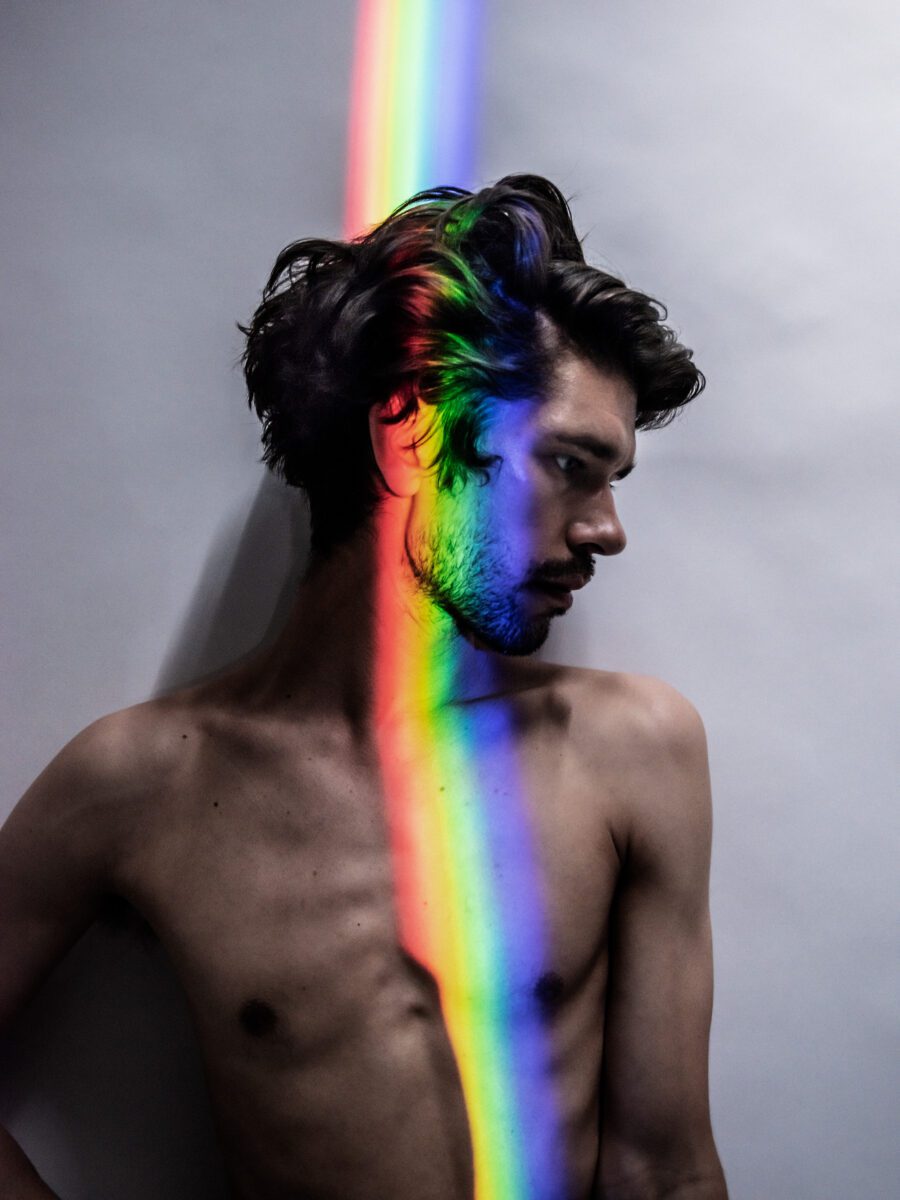
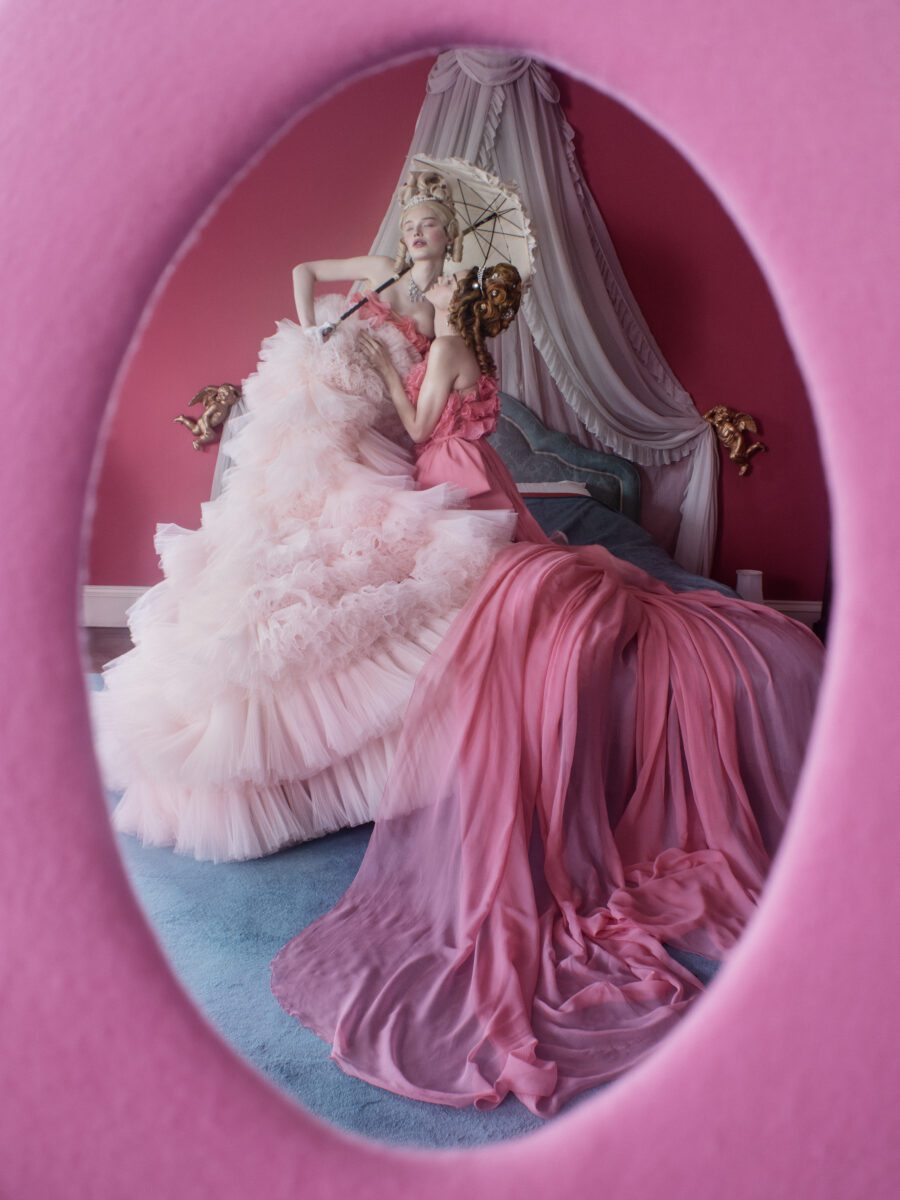
The second half of the exhibition looks at the transformative power that fashion, makeup and performance have long held for Queer people. It features portraits of designers Jean Paul Gaultier and Michaela Stark, drag performers Paul O’Grady, David Hoyle and Midgitte Bardot, personalities Alan Carr and Sue Perkins, and actors Ncuti Gatwa, Hunter Schafer, Fiona Shaw and Ben Wishaw, among many others. International music stars and icons like Björk, Lady Gaga, Boy George, Frank Ocean and Chappell Roan are also pictured. In many of his images, sitters present a meaningful object, that tells a story about their personal experience. Author Jane Cholmeley presents the original shop sign from Silver Moon Women’s Bookshop, founded in 1984; photographer Sunil Gupta holds his camera; and filmmaker Isaac Julien claps a conch shell, a motif from his pioneering 1989 film Looking for Langston.
Walker has said of the show: “The Fairyland exhibition is me finally placing myself in the queer realm with confidence and greeting all the other friends who live here. Just as I learned from the queer artists who came before me, some of whom I’m lucky enough to have met and photographed here, Fairyland is me saying you are not alone. I want visitors to the exhibition to remember that your difference is your power. It is a precious and beautiful thing.” This sentiment rings true throughout the exhibition. The show is a precious and beautiful thing. There’s a confidence to it, echoing Walker’s desire to place himself in the narrative, but also a generosity. Each individual is captured with such compassion and individuality, becoming part of rich tapestry that documents Queer life throughout the 20th century.
Tim Walker’s Fairyland: Love and Legend is at National Portrait Gallery, London until 7 February: npg.org.uk
Words: Emma Jacob
Image Credits:
All images courtesy Tim Walker.


