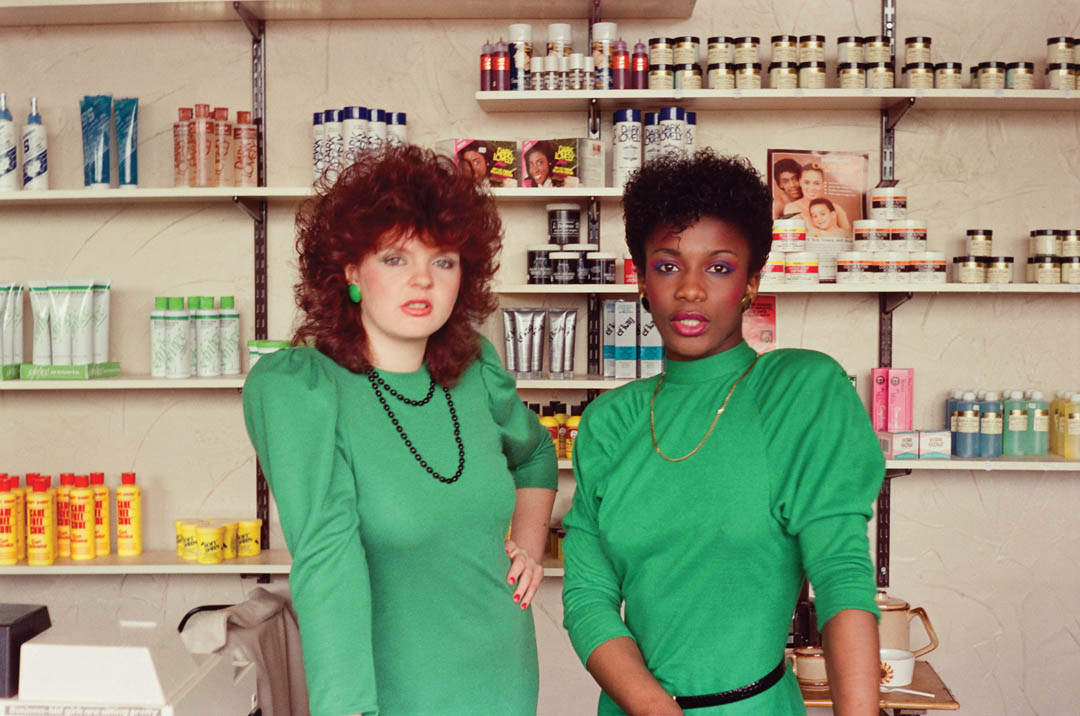
Victor Wedderburn (b. 1954) bought his first camera in the early 1980s, paying for it using redundancy money from his truck driving job. “I just started taking photographs,” he recalls. Wedderburn, who arrived in the UK from Jamaica in 1971 aged 16, was living in Manningham, Bradford, at the time, an area home to a large Caribbean migrant population. His subjects were friends and neighbours. “I didn’t know anyone who developed photographs, so I just learnt myself by putting everything in bin liners and doing it by touch and by feel. My friends laughed at me for taking colour pictures, because they weren’t considered art.”
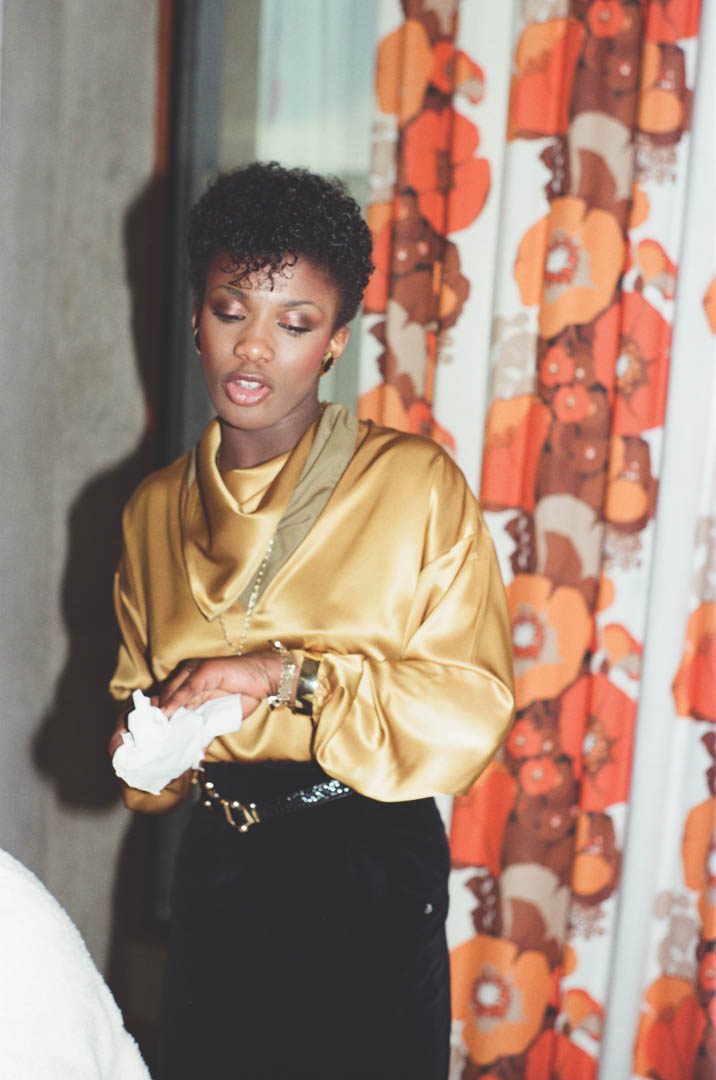
The area of Bradford in which he was living was plagued by racial hostility and became nicknamed the “Frontline” as a result. Wedderburn’s images, now published in a new photobook from Trolley Books, offer a counter to the area’s negative reputation, showing instead an intimate portrait of a community shaped by creativity, enterprise, friendship, resilience and style. Shot in vivid colour, at a time when the dominant representation of northern cities was black-and-white industrial grit, the images in Frontline 1984/85 Bradford give an insider’s view of a community rarely represented in mainstream media. The publication is bursting with energy, vibrancy and life, showing fashion, vanished landmarks and everyday community life at record shops, hairdressers and pubs, including the flats on Lumb Lane, the Perseverance Hotel and Young Lions Café. “There was always music on and people who knew me,” Wedderburn remembers.
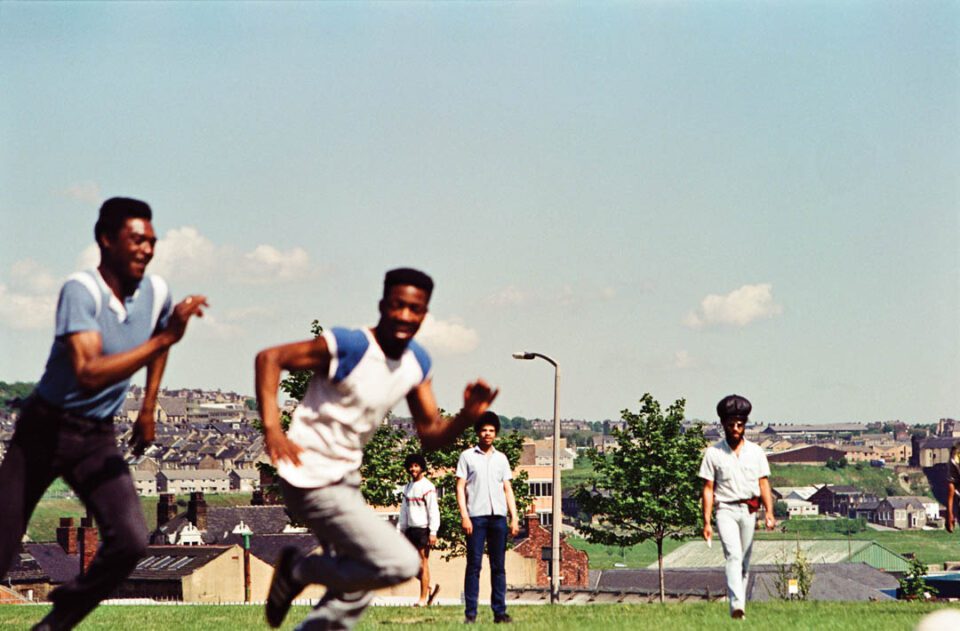
“Wedderburn’s images tell the story of the Frontline as place where generations hang out at cafes, hire films from the local video shop, where romances blossom, where endless football games are won and lost, where men shoot the breeze over a game of pinball, and where cars, a source of pride for their owners, are characters in their own right,” says Editor Anne McNeill. “All to the beat of sound systems playing reggae, roots, and dub. Frontline is an irreplaceable visual record of a period in British history, and a distinctive contribution to British social documentary photography that is full of relevance for today’s audiences.”
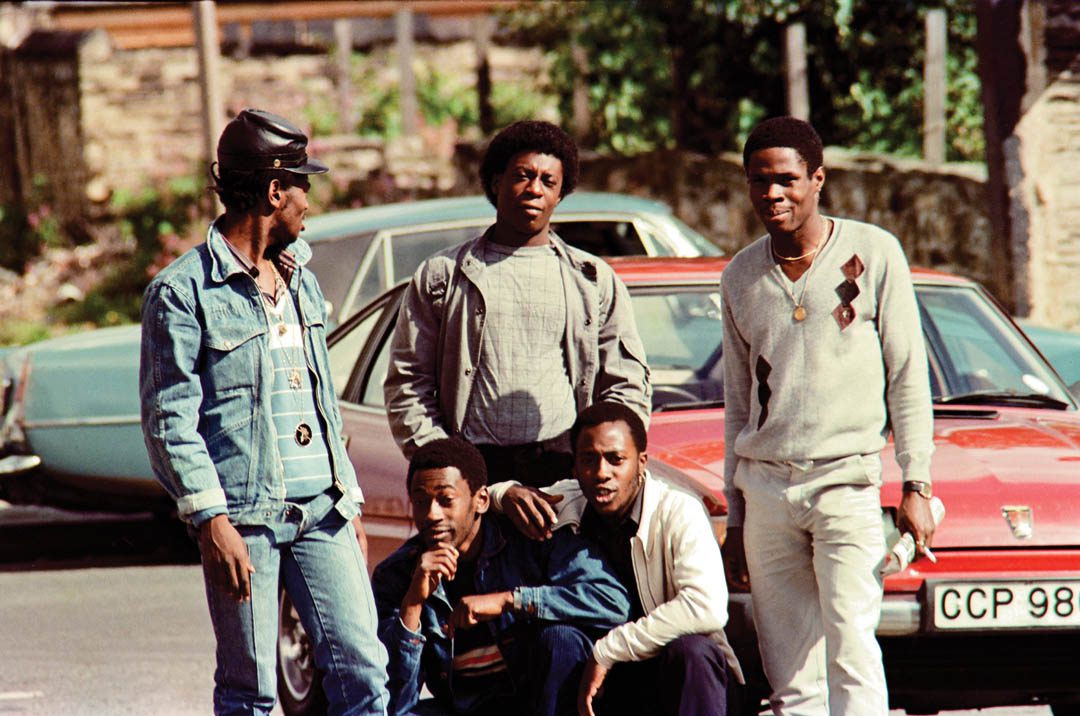
Wedderburn took more than 1,500 film photographs, but they weren’t discovered until decades later – when he’d long put down the camera and was then a retired mental health nurse. His images were exhibited at the Loading Bay gallery as part of Bradford’s year as UK City of Culture and at the National Science and Media Museum in 2025. The book expands on those displays, bringing together pictures from Wedderburn’s archive, including a number that have not previously been shown before. Mark Sealy, Director of Autograph ABP, describes the collection as “an invaluable time capsule that captures an unseen side of Black Britain, that are hard, yet soft and disarming. They tell a story of the community that Wedderburn knew from the inside out. This timely and powerful book of photographs add yet another important missing chapter to the history of Black Britain.” This is what makes Frontline essential reading.
Frontline: Bradford 1984/85 is released on 5 November by Trolley Books.
Words: Eleanor Sutherland
Image Credits:
1. Victor Wedderburn, Melanie Wedderburn and Janet Lewinson, proprietors in their newly opened Shades Beauty Parlour, Lumb Lane/Westgate.
2. Victor Wedderburn, L to R Michael White, Curly and friends, football match on Green Lane Common.
3. Victor Wedderburn, Janet Lewinson, inside Shades Beauty Parlour, Lumb Lane/Westgate.
4. Victor Wedderburn, L to R Adrian Brown, Joseph Gordon, Jerry Crawford, Bud and Norville Henry, car park of the Perseverance Hotel, Lumb Lane.