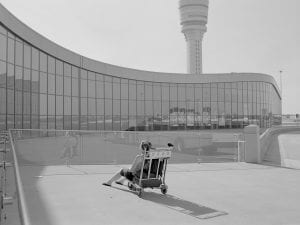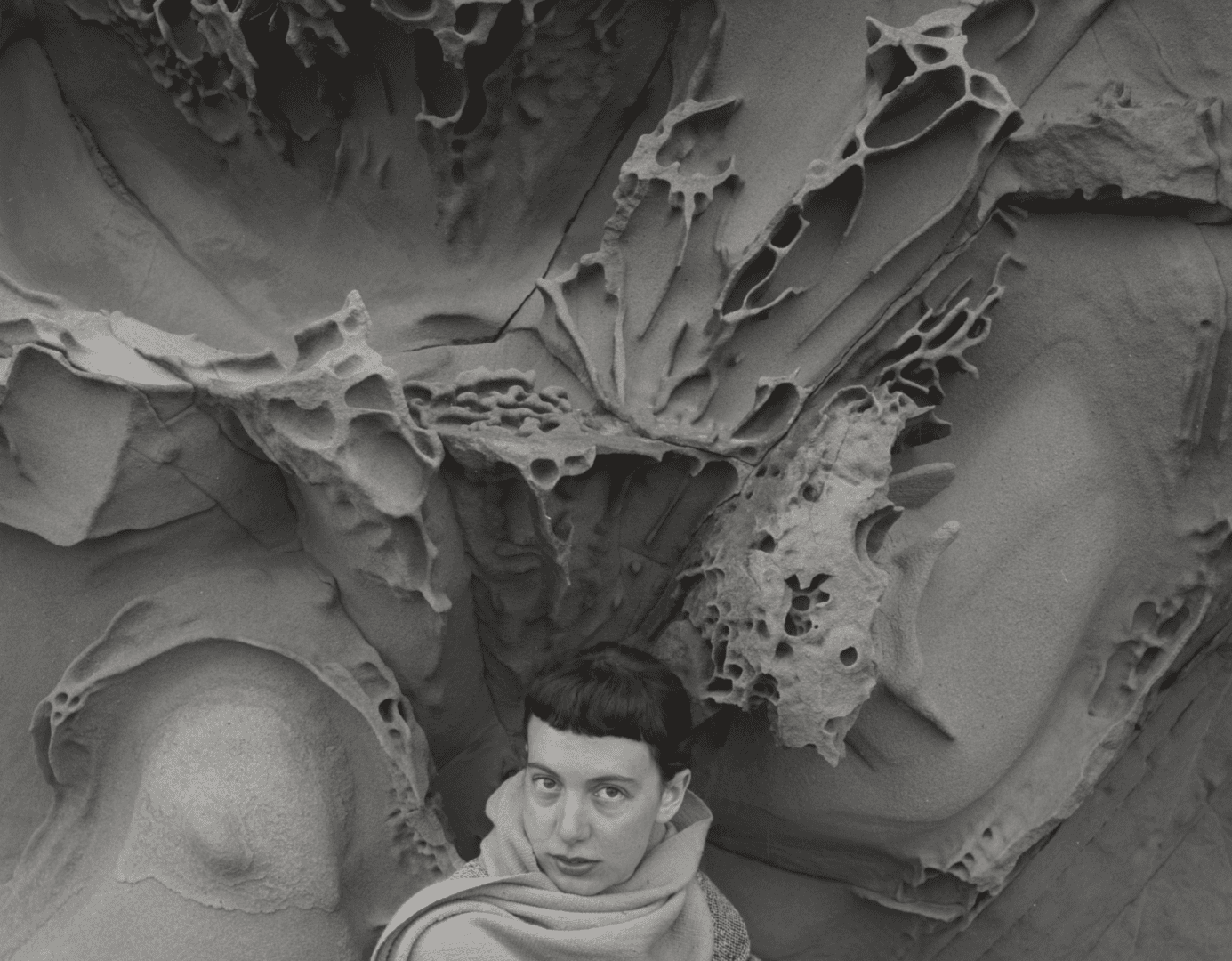
Minor White. Aaron Siskind. Harry Callahan. High Museum of Art presents Photography as a Way of Life, an exhibition that examines the overlapping careers of these profoundly influential photographers, teachers and thinkers, who redefined the medium in the mid-20th century. Drawing from the archives of the Princeton University Art Museum, the exhibition will feature iconic and previously unpublished colour and black-and-white prints, rarely seen slides and an array of published and archival material. Maria L. Kelly, the High’s Assistant Curator of Photography, says: “Photography as a Way of Life presents an important and interconnected story of the impact these three artists had on the burgeoning field of photography. This exhibition will be a treat for photographers, scholars, enthusiasts and every visitor in between.”
In the 1950s and 1960s, photography experienced a huge surge in recognition as an art form. Practitioners began to move away from the idea of an image as solely documentation, experimenting both formally and conceptually. In 1972, historian Arnold Gassan published the seminal book A Chronology of Photography. The book cites three fundamental changes that spurred this newfound interest: significantly broader access to instruction and education; re-evaluation of the quality of a photography beyond mechanics; and the simultaneous resurrection of printmaking as a fine art medium. White, Siskind and Callahan were integral to this shift, carving out a new role and status for the medium, building a devoted audiences for their work and shaping the aspirations of the era.
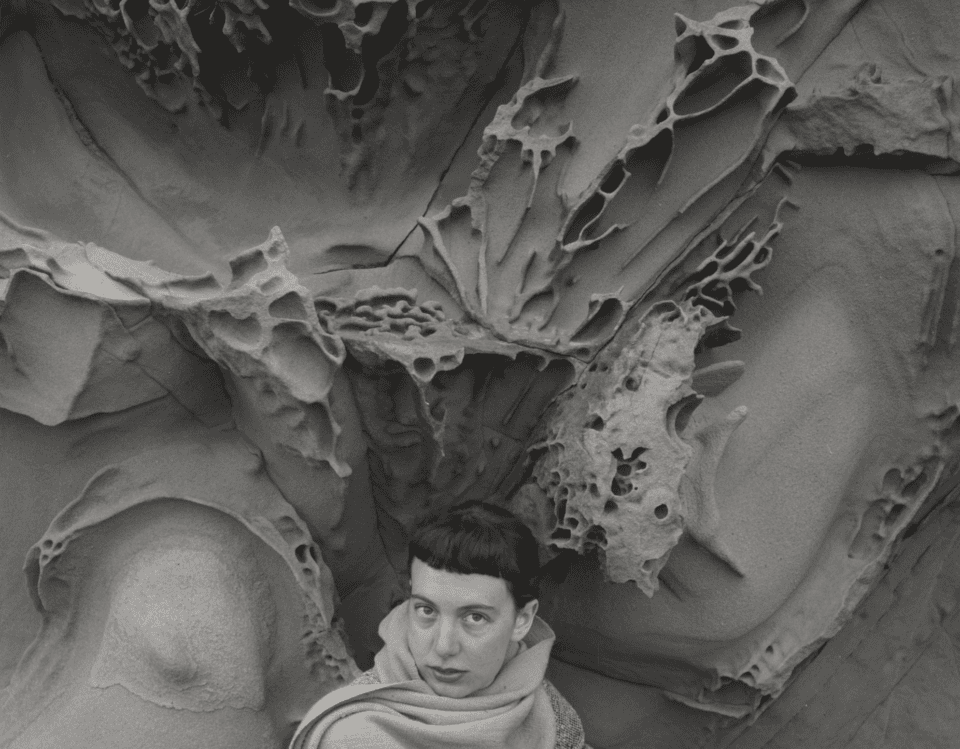
Minor White began taking pictures as a child, but began taking it seriously in 1937, when be moved to Portland, Oregon. He worked closely with Alfred Stieglitz, an already established photographer, who he reflected “gave me exactly what I needed at that time.” A concept that Stieglitz defined as “equivalence” – describing the idea that photography could carry a feeling beyond its literal subject – became central to White’s work. He was a pioneer in countless ways, in his techniques, subjects and, in later years, his championing of other practitioners. Marina Molarsky-Beck, Fellow at MoMA’s Department of Photography, said: “White, a gay man working during a period when homosexuality was criminalised in the United States, rarely exhibition such works during his lifetime. His nude photographs of men carry a particular intimacy and erotic charge.” The existence of his images is a testament to the fact that an impact can “convey private feelings without explicitly declaring them.” White influenced the next generation, both in artistic vision but also by publishing and promoting Diane Arbus, Robert Frank and Edward Weston.
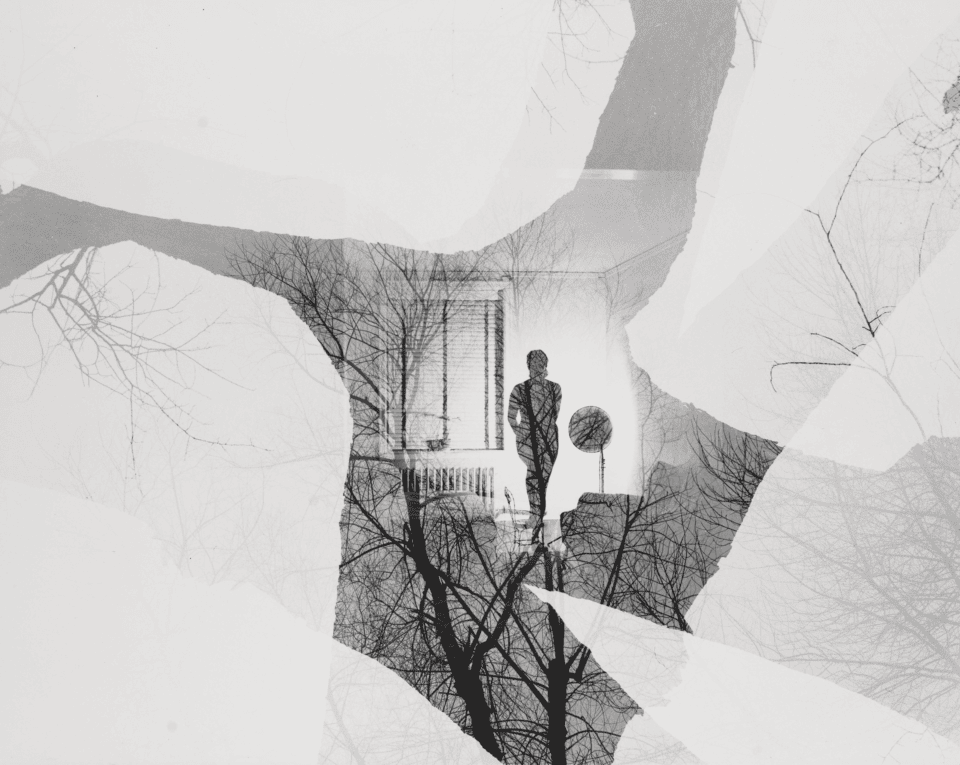
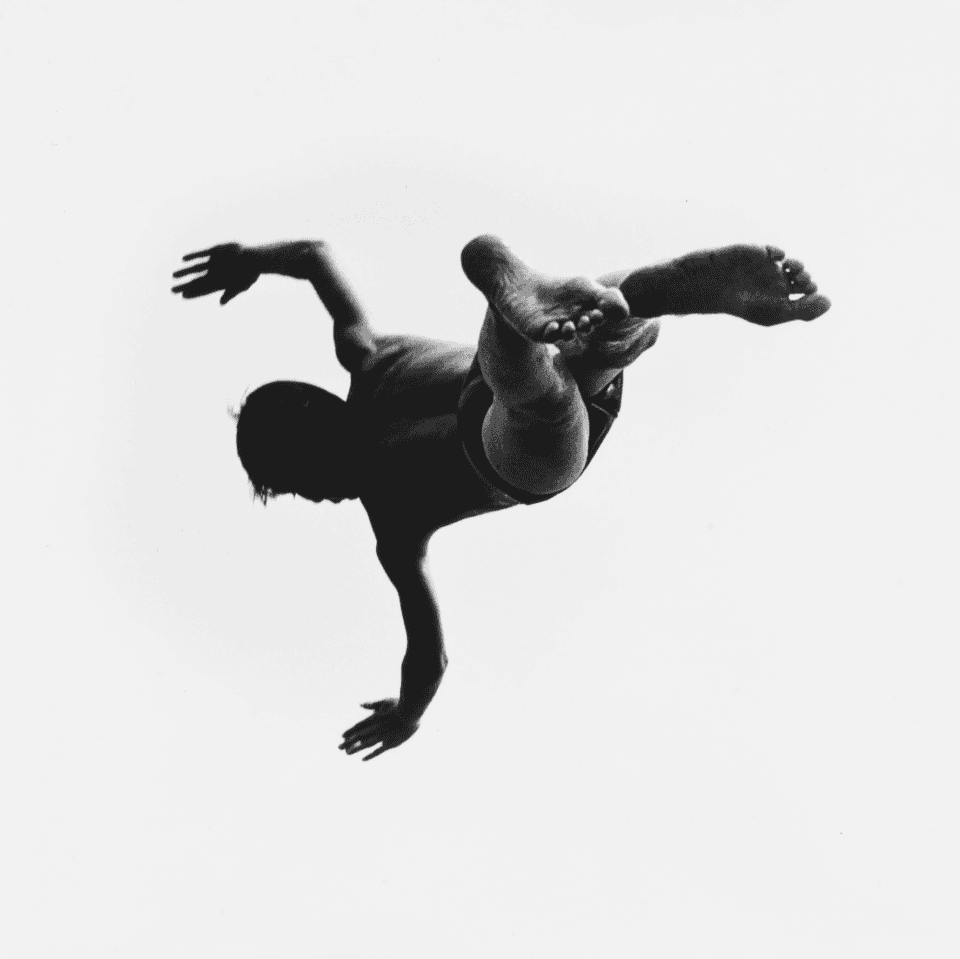
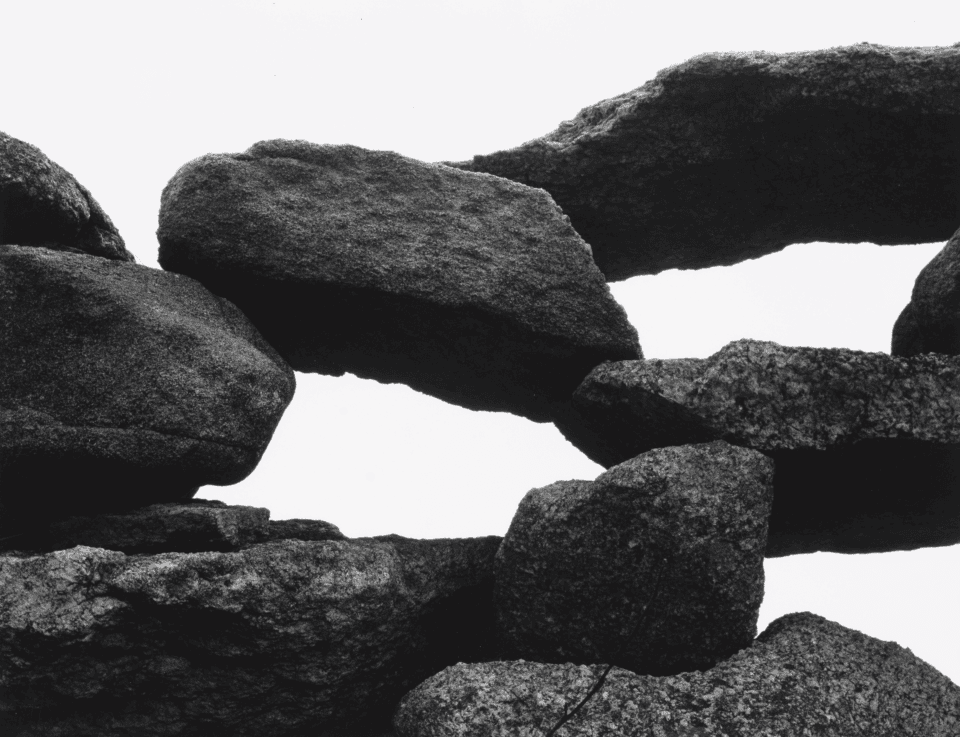
Aaron Siskind’s career traces that of the medium across America during the 1920s. He began as a documentary photographer in the 1930s, affiliated with the Worker Film and Photo League, an artists’ cooperative that strove to advance progressive political causes. Later, he moved onto still life and abstraction, spotlighting the gestural forms of natural objects. Harry Callaghan, meanwhile, was lauded for his open-minded and experimental attitude, producing both formalist and documentary modes and working across colour and black-and-white. As with White, Callaghan’s influence extended to teaching, with his students including Ray K. Metzker, Emmet Gowin, Kenneth Josephson and Bill Burke. Though the artists came from distinct backgrounds, they converged around their inclinations towards abstraction and deeply personal express, as well as their shared belief that photography could sustain a life’s work.
High Museum’s exhibition takes its title from a recurring phrase in White’s diaries and letters, in which he describes photography as a “way of life.” For White, this encompasses artistic ambition, pedagogy and personal growth – a philosophy he advanced as a founding editor of Aperture alongside broader discussions of photographic education and creativity. Highlights of the exhibition will include a video reconstruction of White’s Slow Dance – a projected sequence of colour slides White performed for live audiences in the late 1960s and 1970s – as well as materials from magazines and journals, including Aperture and Popular Photography, to poetry publications and The Black Photographers Annual. The exhibition also traces the artists’ networks through work by both their students and contemporaries, such as Emmet Fowin, Roy DeCarava, Linda Connor, Arthur Siegel, Ming Smith and John Baldessari.
Photography as a Way of Life draws on three distinct figures to trace the progress of 20th century art. Their practices are emblematic of the medium’s progress across the decades, developing from a singular method of documentation to something more experimental and abstract. In bringing them together, High Museum of Art offers a new perspective on three renowned household names.
Photography as a Way of Life: Minor White, Aaron Siskind, and Harry Callahan is at High Museum of Art, Atlanta from 9 October – 7 February: high.org
Words: Emma Jacob
Image Credits:
1&5. Minor White (American, born Minneapolis, Minnesota, 1908–1976), Jan Davis, vicinity of Pescadero, California, June 30, 1951, gelatin silver print, the Minor White Archive, Princeton University Art Museum, bequest of Minor White. © Trustees of Princeton University. Photo by Joseph Hu.
2. Aaron Siskind (American, born New York, New York, 1903–1991), Pleasures and Terrors of LevitaIon 37, 1953, gela/n silver print, Princeton University Art Museum, giX of Robert A. Wayne, Class of 1960. © Aaron Siskind / Virginia Museum of Fine Arts. Photo by Joseph Hu.
3. Aaron Siskind (American, born New York, New York, 1903–1991), Martha’s Vineyard Ill B, 1954, gelatin silver print, Princeton University Art Museum, gift of Robert A. Wayne, Class of 1960. © Aaron Siskind / Virginia Museum of Fine Arts. Photo by Jeff Evans.
4. Harry Callahan, (American, born Detroit, Michigan, 1912–1999), Eleanor, Chicago, 1952, gela/n silver print, Princeton University Art Museum, giX of Jane Teller. © The Estate of Harry Callahan, courtesyofPace Gallery. PhotobyJeff Evans.