Home is a right, not a privilege. But as of December 2025, 382,000 people in England were homeless – that’s one in every 153 individuals. This number includes those sleeping on the streets, living in temporary accommodation like hostels, and in places provided by social services. Meanwhile, Prime Minister Andy Burnham unveiled plans to “end rough sleeping by Christmas,” calling on wider society to make this possible. The Box Plymouth’s Autumn / Winter season explores the changing meaning of home, housing and community, asking: how do you want to live? The programme combines two major exhibitions, The Way We Live and Grenfell by Steve McQueen, plus a programme of displays and events focused on housing and community. At its heart, the exhibitions ask who is allowed to feel safe, secure and valued where they live.
As Plymouth prepares to build 10,000 new homes, the exhibition asks the same questions that the city asked itself 80 years ago, as it rebuilt from the devastation of the Blitz: who is this future being built for? It’s a question with national resonance too. 80 years ago, in the aftermath of WWII, Plymouth was embarking on an ambitious project to rebuild. At the same time, filmmaker Jill Craigie was making The Way We Live, a provocative 1946 semi-documentary inspired by the rebuilding plans. Rather than using professional actors, Craigie worked with 3,000 local residents to explore questions about how people wanted to live. The exhibition takes its name and its spirit from her film, opening up a wider conversation about how we live today, and how decisions about home and neighbourhoods shape people’s lives.
The Way We Live arrives a significant moment for Plymouth. As the city enters its next chapter of regeneration, curator Beth Hughes brings together work by leading contemporary artists including Do Ho Suh, Rachel Whiteread, Jasleen Kaur, Caroline Walker, Anne Tallentire, Hetain Patel, Andrea Luka Zimmerman and Gavin Turk, alongside new commissions by photographer Hannah Starkey and artist Jacqui Poncelet. The artists all approach the idea of home from different perspectives, revealing it to be much more than a physical space; a place where creativity and identity take shape, where memories are made and belonging is established – as well as a space shaped by wider social and political forces.
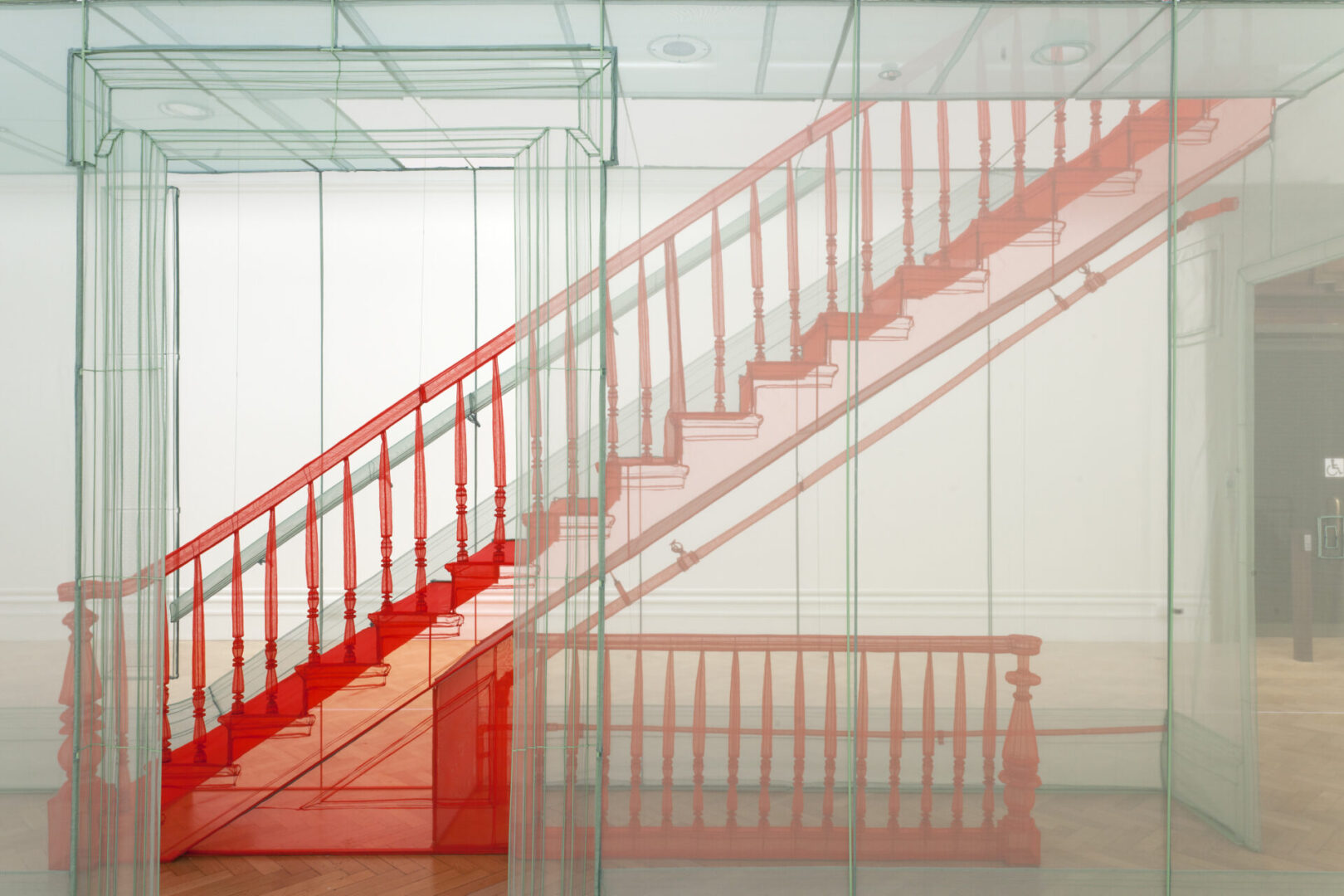
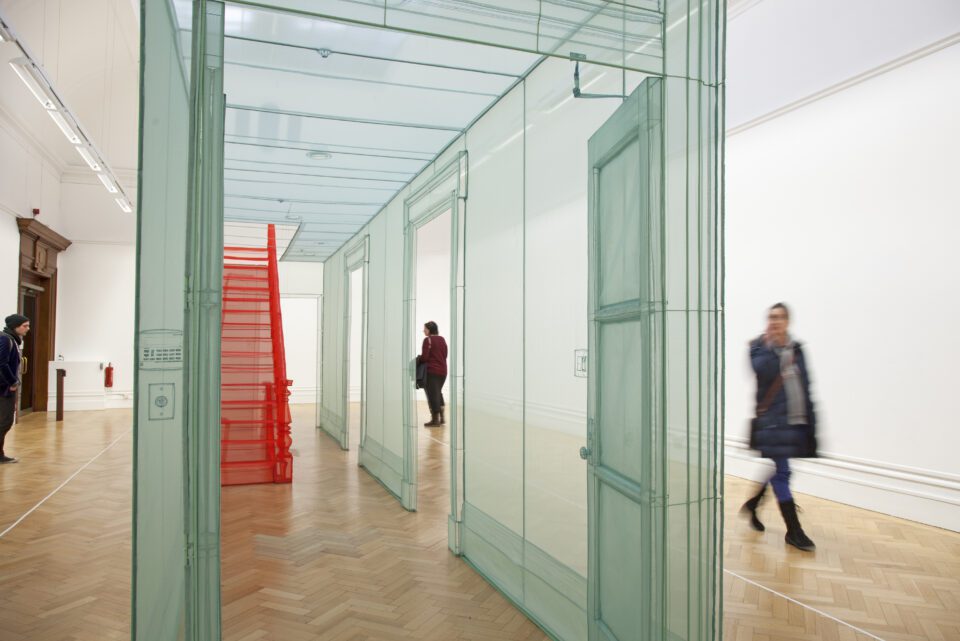
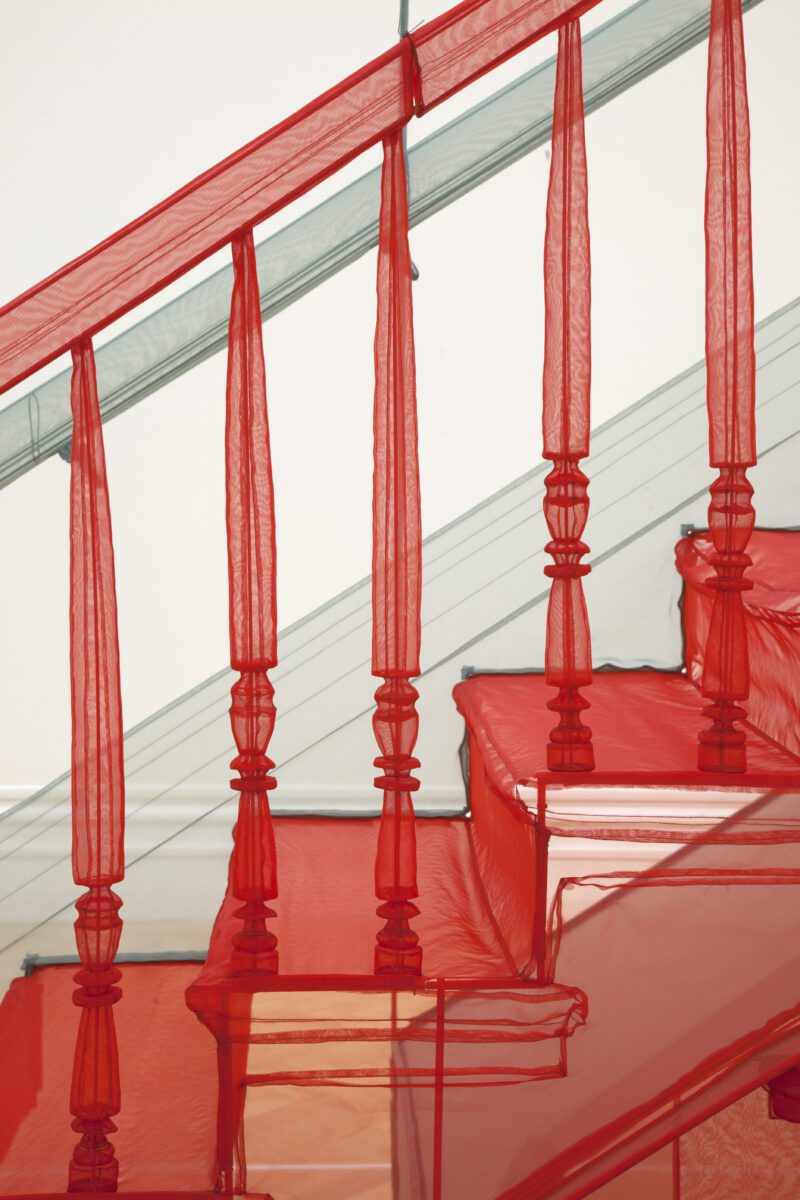
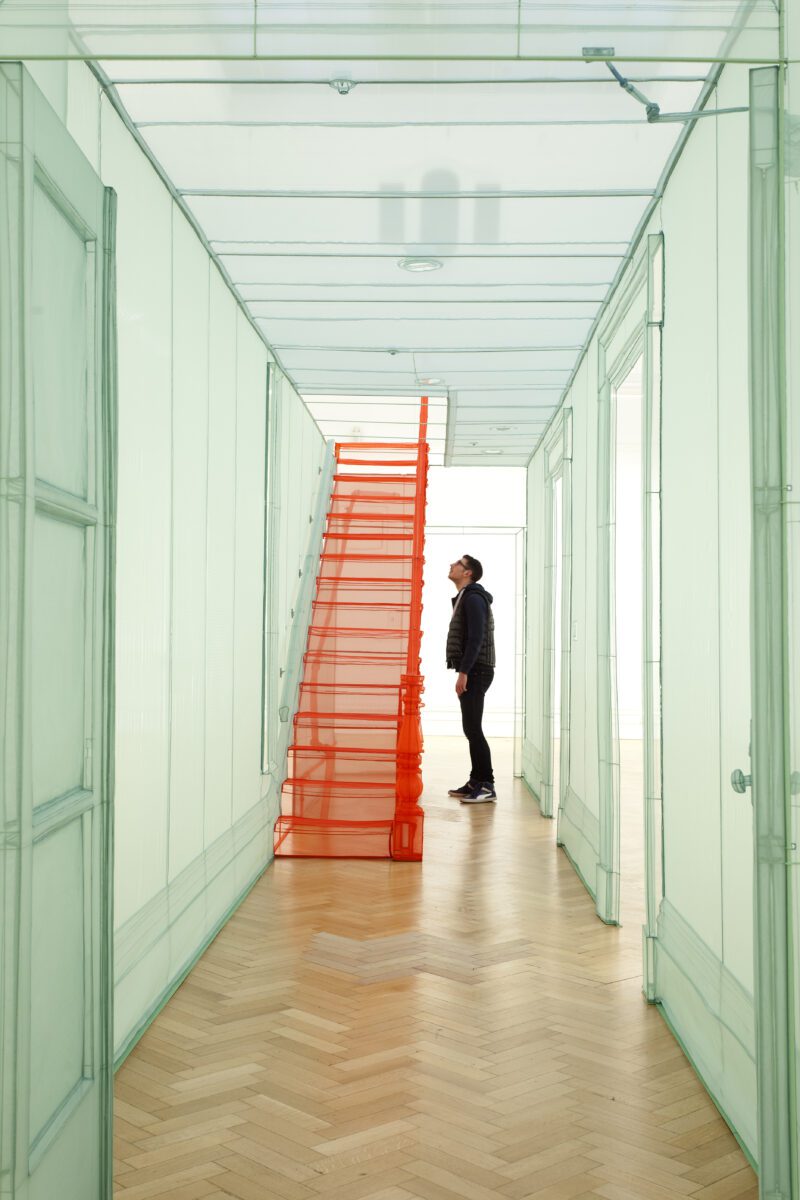
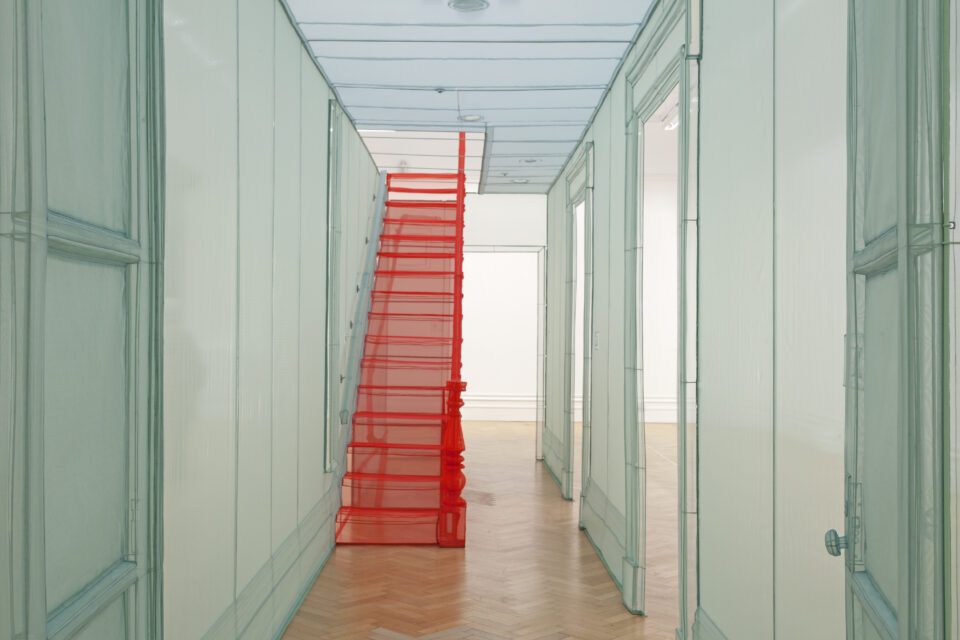
Do Ho Suh’s New York City Apartment explores the relationship between memory, identity and place, whilst Rachel Whiteread’s cast of a mattress transforms an everyday domestic object into something monumental. A new version of Jonathan Baldock’s It’s My House and I live Here reflects on the complex relationship between home and belonging as limbs, ears and lips burst out of its brick-built tower, and Parmindar Kaur’s Washing Line Bed uses a nostalgic setting to convey ideas around community and aspiration. Other works consider the sights, sounds, smells and textures of home, the impact of technology on domestic life, and the ways that our homes can become expressions of who we are. Elsewhere, archival images that highlight the architecture of houses in Plymouth and people in their homes, as well as paintings by John Bratby and Josef Herman, all from The Box’s collections, help to explore the exhibition themes.
Alongside the contemporary art, a newly rescanned and restored version of Jill Craigie’s The Way We Live is set to be screened in The Box’s Media Lab alongside rare behind-the-scenes footage and other archival materials, enabling a new generation to experience the film. Elsewhere, a display drawn from the archives will explore A Plan for Plymouth – a 1940s plan developed to rethink the city’s neighbourhoods – and the changes this radical plan brought to the city, alongside recent developments. Plus, new commissions by emerging photographers Abril Sigle, Flora Tye and Josh Huxham continue this theme.
The Box also presents Steve McQueen’s film installation, Grenfell. In December 2017, the artist and filmmaker made an artwork in response to the fire that took place earlier that year, on 14 June. On that day, 72 people died in the tragedy. Filming the tower before it was covered with hoarding, McQueen sought to create a permanent record: “I knew once the tower was covered up, it would start to leave people’s minds. I was determined that it would never be forgotten.” Following the fire, a Government Inquiry was launched that was conducted in two phases. The findings of the first and second phase have been reported, yet many of the recommendations are yet to be implemented, meaning a similar tragedy could happen again. The criminal investigation is ongoing. Rebecca Bridgman, Head of Collections and Programme, says: “Grenfell creates a powerful dialogue around the idea of home and the devastating consequences that can occur when people aren’t adequately protected in the places where they live.”
Bridgman continues: “80 years ago, Plymouth was asking fundamental questions about what its future could look like. Today, as the city enters another period of significant change, those questions feel remarkably relevant.” Here, the curator sums up both the ambition and impact of the show perfectly. Our homes are far more than a physical space, they are part of identity, wellbeing and sense of belonging. They also raise questions about the kind of homes and neighbourhoods we want for the future, and the responsibility we have to make sure people can feel safe and valued in the placed they lived. Each artist offers a vital perspective, encouraging thought and empathy in the face of our current housing crisis.
The Way We Live is at The Box, Plymouth from 24 October – 21 February: theboxplymouth.com
Words: Emma Jacob
Image Credits:
All images: Do Ho Suh, New York City Apartment, 2014 © Do Ho Suh. Courtesy the artist and Lehmann Maupin, New York and Hong Kong.