American artist Taryn Simon (b. 1975) has a particular talent for revealing the hidden systems of power that shape the world we inhabit. She is perhaps best known for The Innocents (2000), which traces the stories of individuals imprisoned for crimes they did not commit. Her approach, which often examines the politics of images, has led to widespread acclaim; Simon is a Guggenheim Fellow who has exhibited everywhere from the Tate Modern and MoMA to the United Nations. This September, she unveils Father Country I Do Love You, a body of work ten years in the making. The show, taking place at Guggenheim, New York, is significant for several reasons, not least because it marks the first time the institution has dedicated its entire Frank Lloyd Wright-designed rotunda to a photography-based practitioner.
The presentation also coincides with the 250th anniversary of the United States, and is the first time Simon has integrated personal stories into her practice. Father Country I Do Love You is dedicated to the artist’s father, who worked for the US government and, during that time, lived in Thailand and travelled to Russia, Afghanistan, China, Iran, Israel, Korea and elsewhere. He later changed career, pivoting to manufacture and sell arcade games. Simon never got his full story, and, upon his diagnosis of Alzheimer’s disease, she realised she never would. “’But America,’ he always said, ‘was the best story on earth, if you could find someone to tell it,’” she recalls. Father Country I Do Love You feels like an attempt to recount that tale.
The project draws on the real life of Simon’s father to trace one unnamed federal agent through 42 individual artworks, including photographs, text, videos and sculptures. It is the largest presentation of new work the Guggenheim has ever staged – an immense undertaking that unfolds as a “labyrinth of sagas” in which Simon uncovers the ripple effects of her protagonist’s actions and inactions. “The federal agent acted as a middleman, witnessing events great and small and collecting evidence for someone else to slot into the bigger picture. Everything he touched ricocheted to the outer boundaries of nations and lives he’d never know.” The narration recounts victims, predators, survivors and the mechanics of justice. As the exhibition winds up the building’s iconic ramps, visitors step into a narrative Simon has assembled.
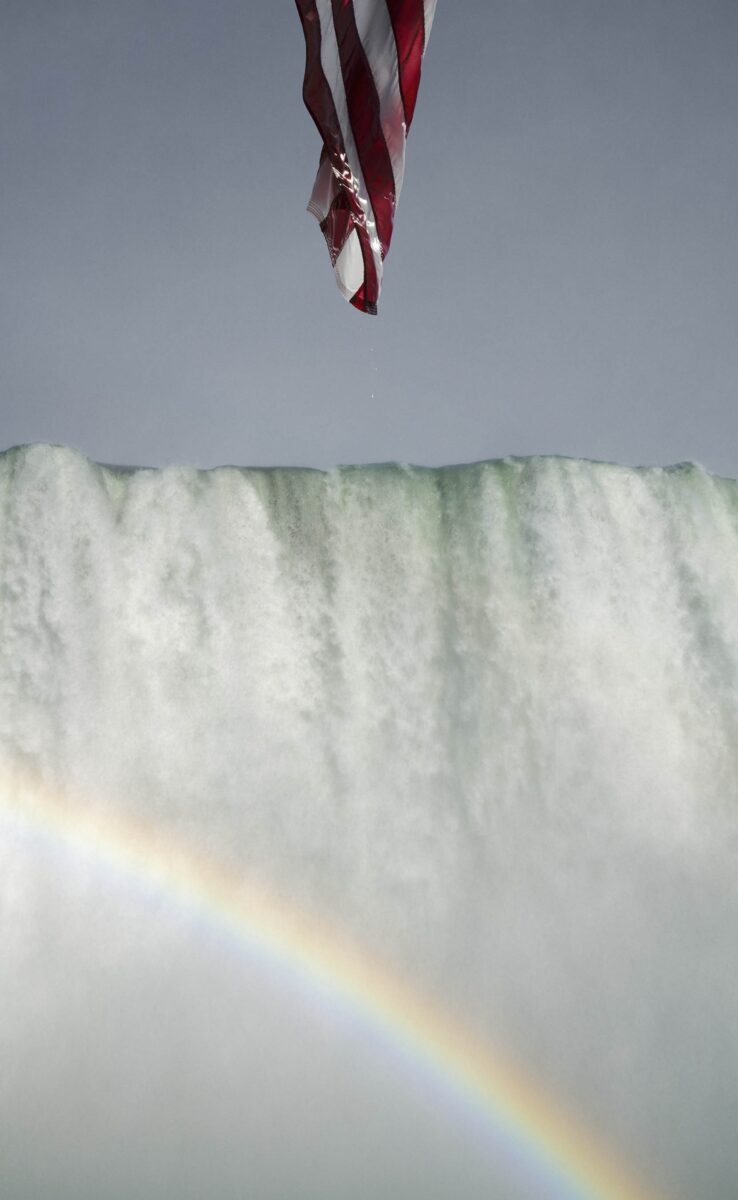
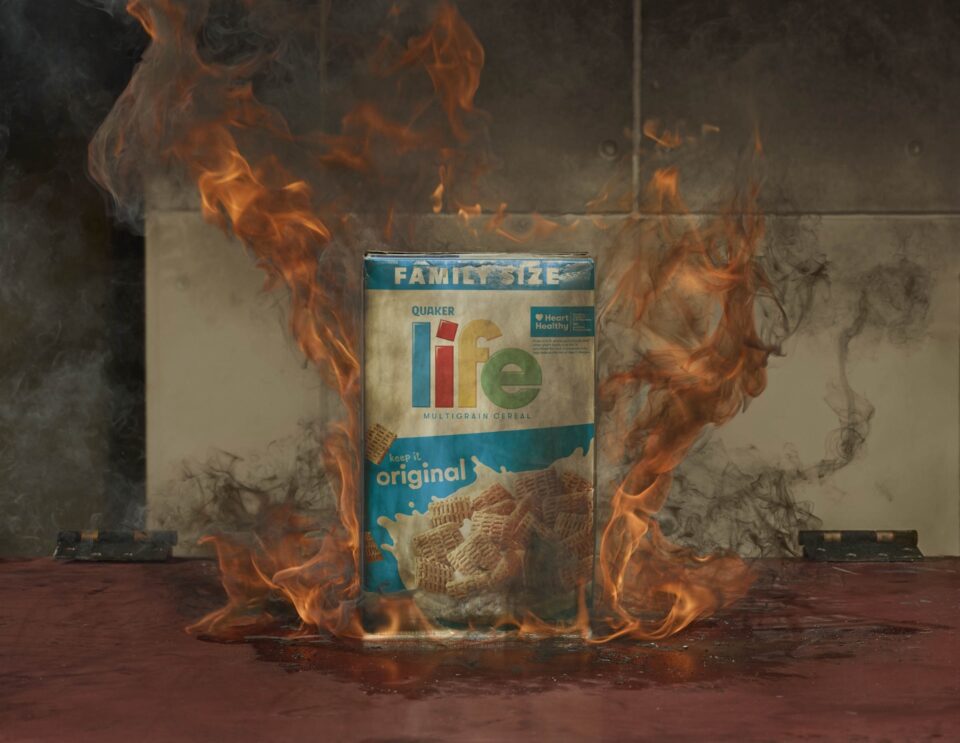
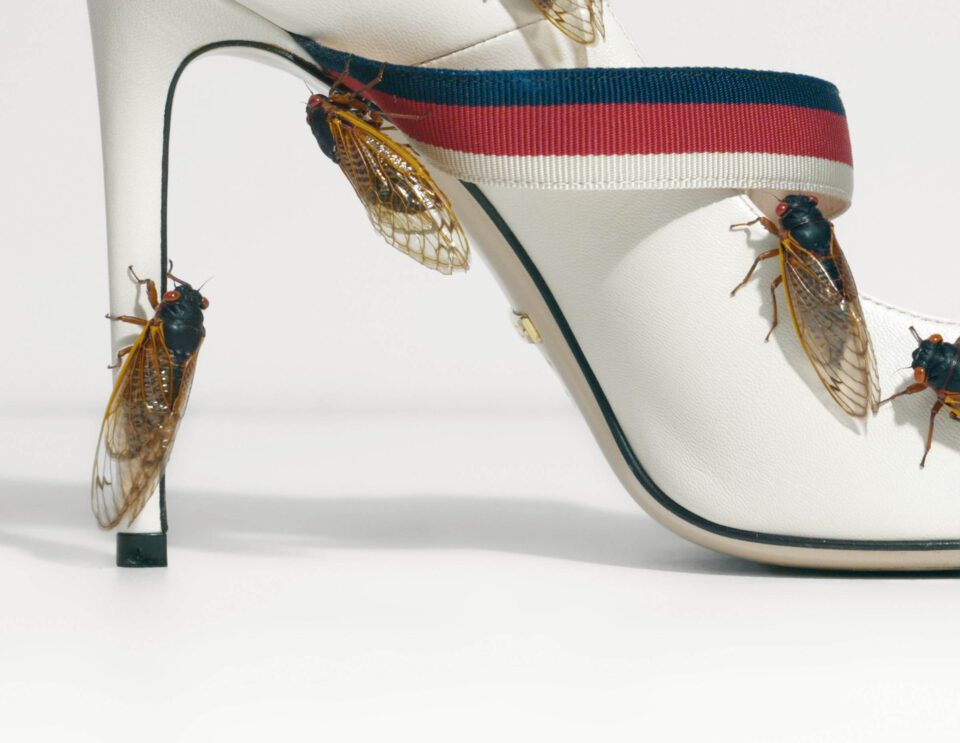
In Father Country I Do Love You, Simon tells stories through objects and symbols – a technique she has employed with great success in celebrated series such as Paperwork and the Will of Capital (2015), which recreated flower arrangements present at the signing of international treaties, and An American Index of the Hidden and Unfamiliar (2007), which examined objects and sites in the US that are off-limits to the public. At the Guggenheim, audiences will see a box of Quaker Life Multigrain Cereal go up in flames in One little room on fire. You have to backfill it shows a high-heeled shoe crawling with insects. There’s no start or finish features an American flag dangling over a cascading waterfall. Here, mundane items are transformed into evidence.
With this exhibition, Simon harnesses personal family history as a route into examining American mythology, government, national identity and power. In so doing, she joins a list of contemporary names whose recent projects have traced paternal histories to similar ends. Magnum photographer Diana Markosian’s Father (2014-2024), for example, recounts her own experience of being separated from her father after moving from Russia to California with her brother and mother, without a chance to say goodbye. Fifteen years later, Markosian travelled in search of him. Then there’s the powerful Las flores mueren dos veces by Foam Talent nominee Cristóbal Ascencio, in which the Mexican creative attempts to make sense of his father’s suicide through photogrammetry and glitched family snapshots. Together, these bodies of work show how paternal relationships can become a means not only of personal healing, but of tackling wider questions, too. Father Country I Do Love You does just that. It is an ambitious, sprawling achievement that makes the tension between the intimate and the political impossible to ignore.
Taryn Simon | Father Country I Do Love You is at the Solomon R. Guggenheim Museum, New York.
18 September – 14 March.
Words: Eleanor Sutherland
Image Credits:
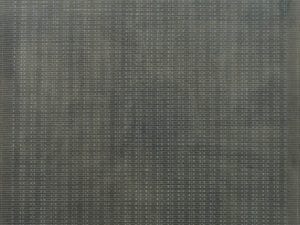
1. Taryn Simon, A squad agent informed me I’d be babysitting, 2026 (detail). 15 archival inkjet prints and two text panels in acrylic frames; three-channel color video installation, with sound, 1 min., 31 sec.; prints: 20 3/8 x 249 7/16 x 1 9/16 inches (51.8 x 633.6 x 4 cm) overall; text panels 18 3/8 x 12 3/8 x 1 9/16 inches (46.7 x 31.4 x 4 cm) and 14 7/8 x 4 7/8 x 1 9/16 inches (37.8 x 12.4 x 4 cm). © 2026 Taryn Simon
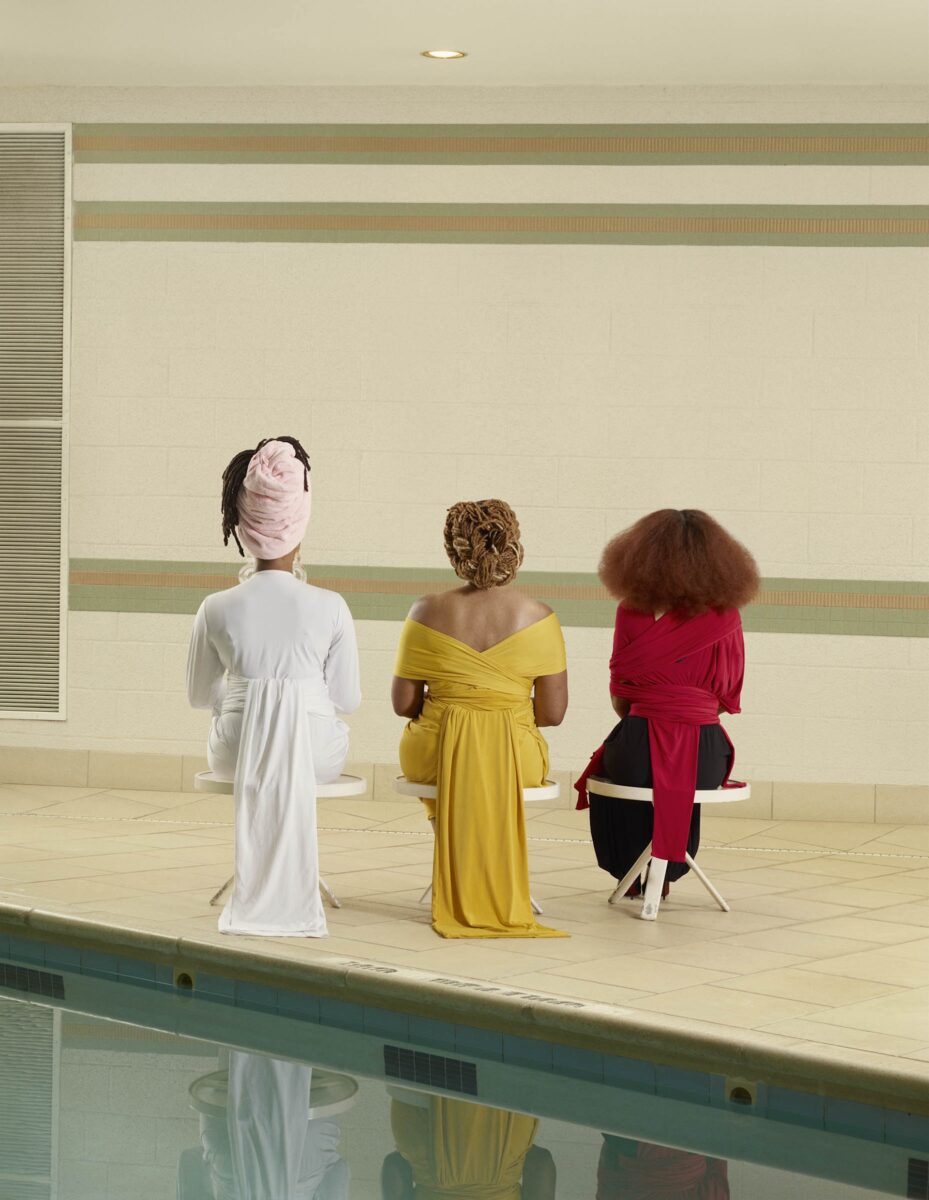
2. Taryn Simon, We were the diggers, 2026 (detail). 108 archival inkjet prints and two text panels in acrylic frames; prints: 92 3/8 x 294 1/4 x 1 9/16 inches (234.6 x 747.4 x 4 cm) overall; text panels 18 3/8 x 12 3/8 x 1 9/16 inches (46.7 x 31.4 x 4 cm) and 23 3/8 x 4 7/8 x 1 9/16 inches (59.4 x 12.4 x 4 cm). © 2026 Taryn Simon
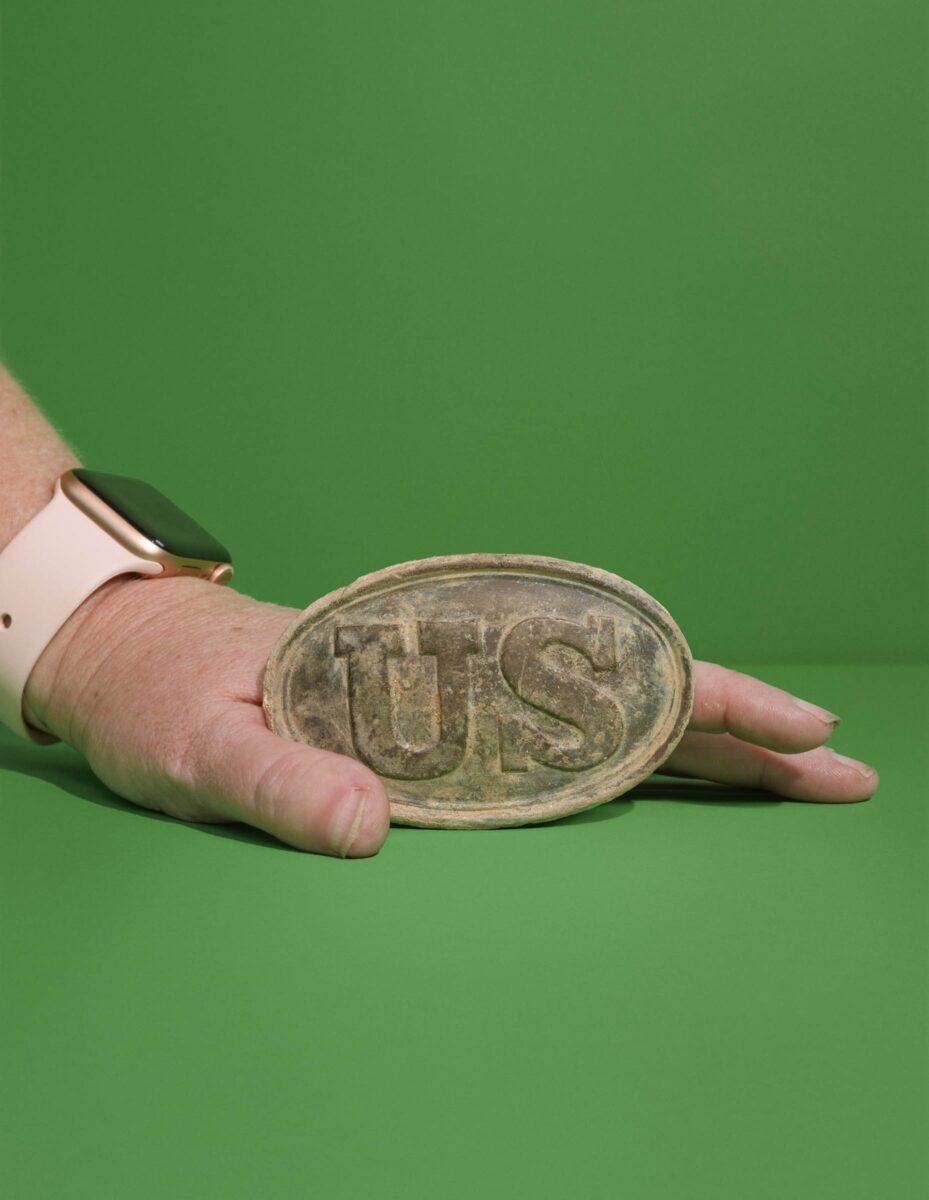
3. Taryn Simon, One little room on fire, 2026 (detail). Archival inkjet print and two text panels in acrylic frames; print: 58 1/2 x 75 7/16 x 2 3/4 inches (148.6 x 191.6 x 7 cm); text panels: 18 3/8 x 12 3/8 x 1 9/16 inches (46.7 x 31.4 x 4 cm) and 14 7/8 x 4 7/8 x 1 9/16 inches (37.8 x 12.4 x 4 cm). © 2026 Taryn Simon
4. Taryn Simon, There’s no start or finish, 2026 (detail). Archival inkjet print and two text panels in acrylic frames; print: 94 3/4 x 58 1/2 x 2 3/4 inches (240.7 x 148.6 x 7 cm); text panels: 18 3/8 x 12 3/8 x 1 9/16 inches (46.7 x 31.4 x 4 cm) and 14 7/8 x 4 7/8 x 1 9/16 inches (37.8 x 12.4 x 4 cm). © 2026 Taryn Simon
5. Taryn Simon, You have to backfill it, 2026 (video still). 71 archival inkjet prints and four text panels in acrylic frames; six-channel audio installation; 16-channel color video installation,with sound; overall dimensions variable. © 2026 Taryn Simon