Lee Miller is a singular figure in 20th century art. Her work defies categorisation, and throughout her life she moved between muse and artist, model and innovator, effortlessly turning her hand to portraiture, avant-garde Surrealism and war reportage. Miller went where the action was, diving into the heart of the 20th century, from the horrors of WWII to the dynamic, thriving art scenes of New York and Paris. The result is a life entirely dedicated to creativity, in almost every form imaginable. Now, the Art Institute of Chicago presents Lee Miller: Fearless, gathering 150 works from across the major episodes of her career. Matthew Witkovsky, Curator at the Art Institute of Chicago, says: “Lee Miller was a complex figure, at once complex and conflicted, plainspoken in her words yet with a flair for mystery in her art. She excelled at collaboration but also forged paths entirely on her own. Her breakthroughs in fashion and Surrealism from around 1930; her frank, disturbing images from the camps at Buchenwald and Dachau in 1945; and her sensitive portraits of fellow artists throughout her multifaceted career, are all highlights of this exhibition.”
Born in New York in 1907, Miller moved to Paris at 20 years old, simultaneously seeking work in front and behind the camera. It was here that she met Man Ray, a leading figure in Surrealism, quickly becoming his partner both in art and life. Their collaboration produced some of the era’s most innovative photographic experiments, notably the solarisation technique, which created striking halo-like reversals of light and dark. Miller herself pioneered Surrealist techniques and took on daring subjects with a readiness that inspired experimental artists and fashion editors alike. She excelled at portraiture and pictured a range of cultural figures in the 1930s – from Charlie Chaplin to Pablo Picasso – most of them personal friends. By the time she turned 30, Miller had run commercial studios on both sides of the Atlantic, becoming a haute couture icon and cult cinema idol, establishing herself as a major force in contemporary art.
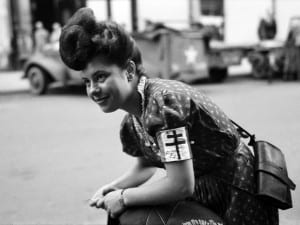
In 1939, WWII broke out, and Miller’s work took a radical departure from the avant-garde worlds in which she had previously operated. In London, she became a leading photographer for British Vogue, but her images of Blitz-torn London – works like David E. Scherman Dressed for War (1942) featured in Art Institute of Chicago’s exhibition – transcended fashion reportage. Her work contrasts the turmoil of the war with the indomitable human spirit that often shines through in times of struggle. Later, she travelled from France to Romania, spending a momentous two months in Germany just as the concentration camps were being liberated. Her photographs are some of the first of the atrocities, documenting the realities for millions just as the world began to realise the extent of the inhumanities. Two rooms of the show are given over to this chapter of Miller’s life, when she became one of the most important voices in wartime news.
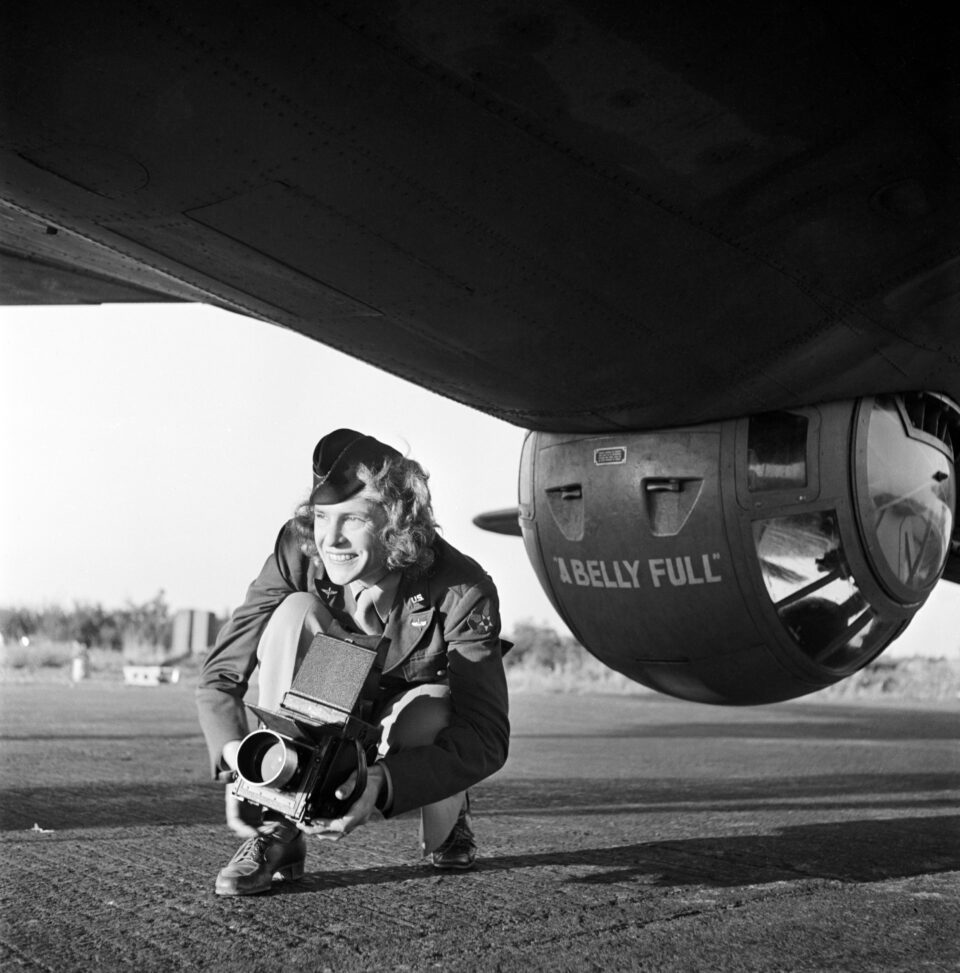
Her time spent in Germany also expanded to the political realm. Away from the front, and her role as one of the only female reporters allowed to travel with Allied troops, she spent time in Hitler’s private apartments in Munich. In one infamous shot, taken by David E. Scherman, Miller washes in Hitler’s bathtub, taken coincidentally on the same day that the dictator died. The photographer also captured others in the field, turning the lens on her peers and fellow photojournalists. Lee Miller: Fearless includes a shot of Margaret Bourke-White, the first American female reporter to travel with the United States Army Air Force. In Miller’s image, Bourke-White is crouched underneath an aircraft, clutching her camera. It’s a shot that really captures the passion felt by the few women allowed access to such a male-dominated world, providing a vital lens on one of the defining moments of the entire century.
To try and encompass the almost countless facets of Lee Miller both as a person and as a practitioner is no easy feat. With this new show, Art Institute of Chicago goes some way to proving it is possible. In 150 photographs, great swathes of Miller’s person – and our shared cultural – history are put on display. Audiences walk through a life dedicated to exploration, adventure and, crucially, a refusal to shy away from where our attention is most needed. In fashion, Surrealist photography and, most powerfully, the atrocities of WWII, the artist created an oeuvre that continues to resonate with global audiences today.
Lee Miller: Fearless is at Art Institute of Chicago from 29 August – 7 December: artic.edu
Words: Emma Jacob
Image Credits:
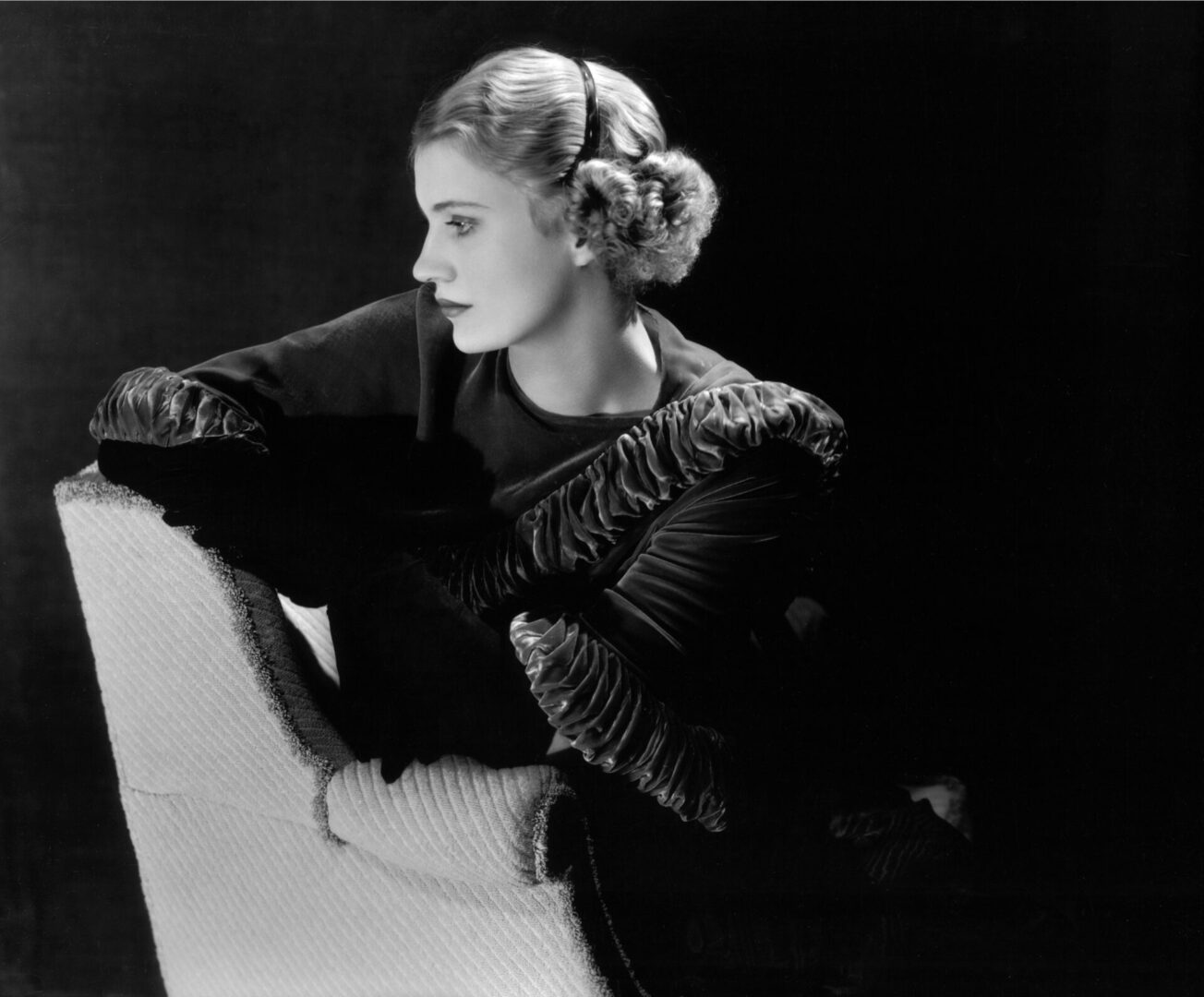
1. Lee Miller. Self-Portrait with Headband, about 1932. Lee Miller Archives. © 2026 Lee Miller Archives, England. All rights reserved. www.leemiller.co.uk
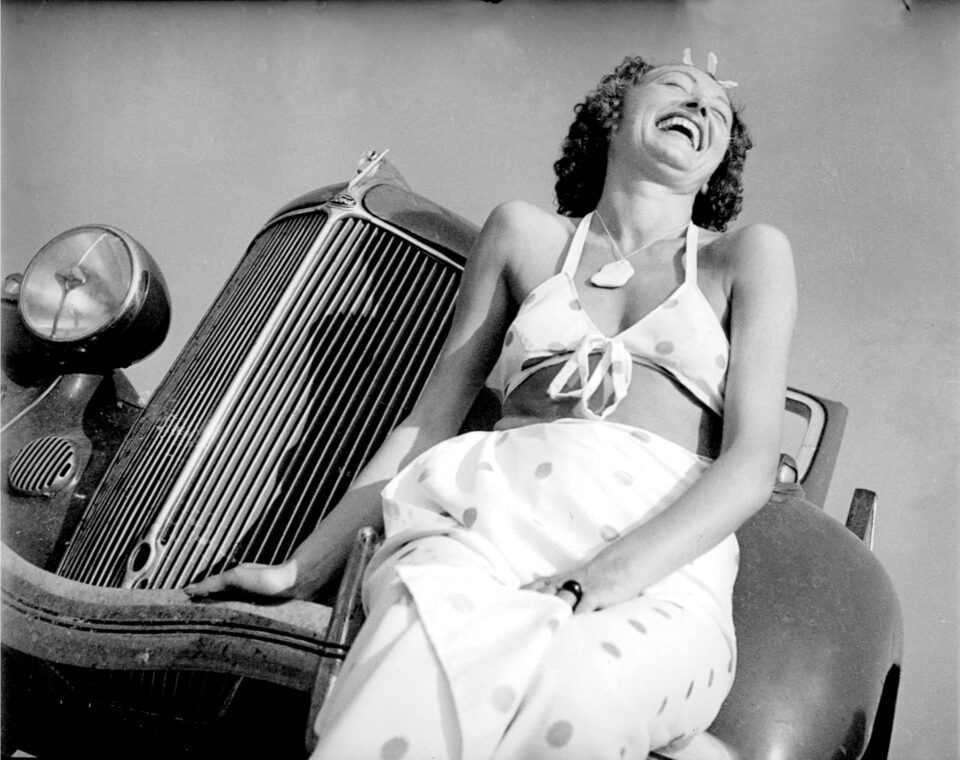
2. Lee Miller. Nusch Éluard by the Side of a Car, 1937, printed later. Lee Miller Archives. © 2026 Lee Miller Archives, England. All rights reserved. www.leemiller.co.uk
3. Lee Miller. Margaret Bourke-White, 8th Bomber Command, 1942, printed later. Lee Miller Archives. © 2026 Lee Miller Archives, England. All rights reserved. www.leemiller.co.uk
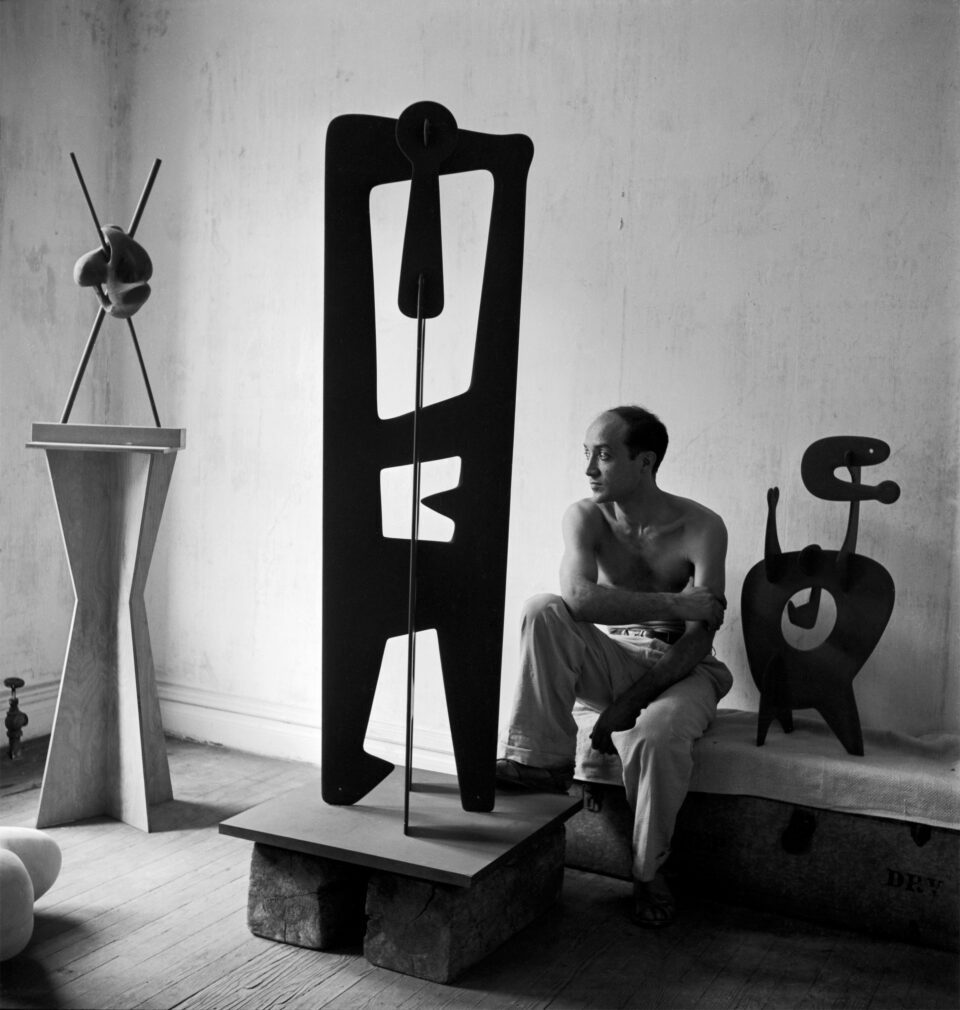
4. Lee Miller. Isamu Noguchi, 1946, printed later. Lee Miller Archives. © 2026 Lee Miller Archives, England. All rights reserved. www.leemiller.co.uk
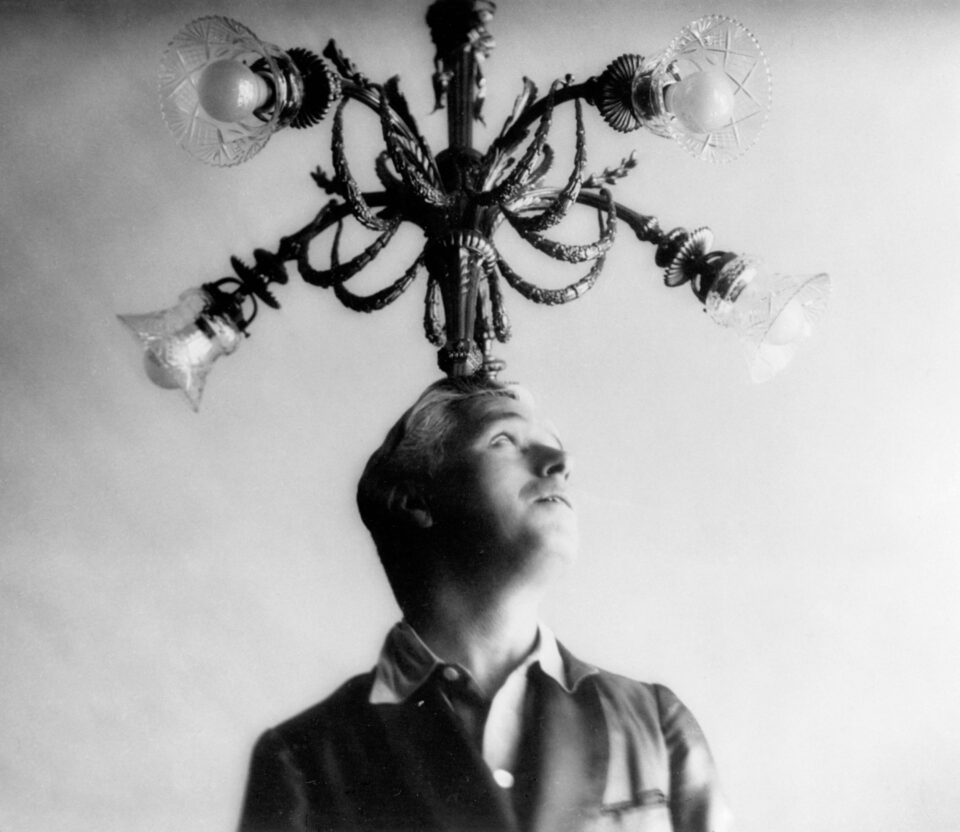
5. Lee Miller. Charlie Chaplin with chandelier, 1932. Courtesy of Mark Kelman, New York. © 2026 Lee Miller Archives, England. All rights reserved. www.leemiller.co.uk